
Origins and Architecture of Grumblethorpe
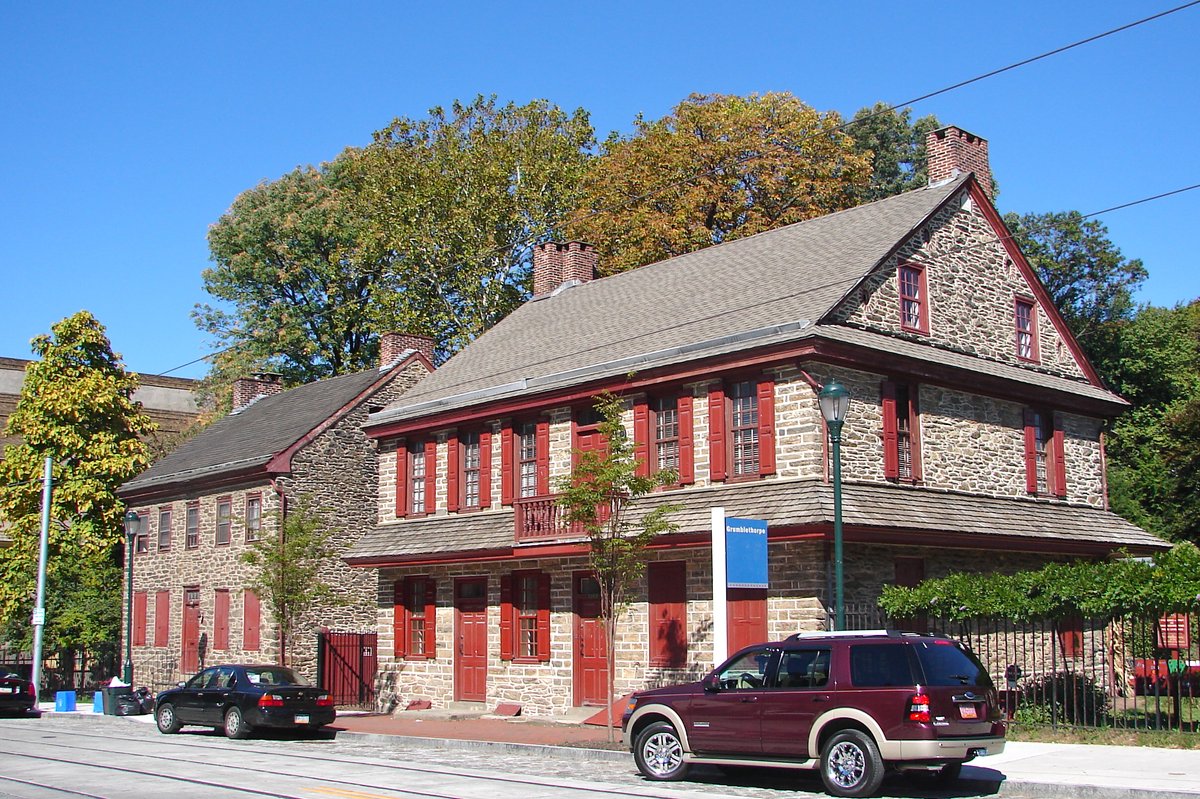
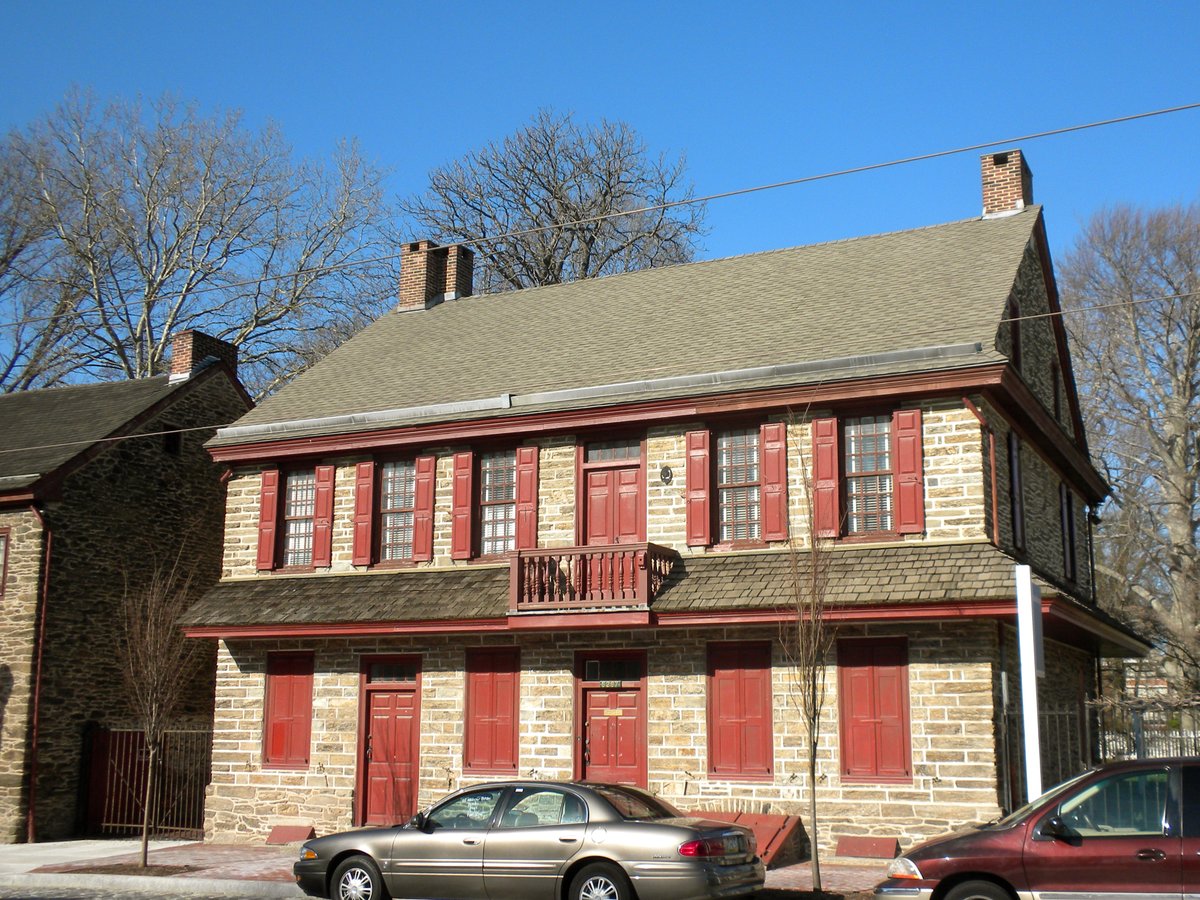
Constructed in 1744 as a summer retreat for John Wister, Grumblethorpe exemplifies colonial resourcefulness and design. Stones were quarried from the property and oak joists sourced from nearby Wister Woods, resulting in a sturdy, nineteen-by-twenty-eight-foot stone house, later expanded to two and a half stories in the 19th century (ushistory.org; Wikipedia). This practical, robust structure earned the nickname “John Wister’s Big House” and stands in contrast to the grander homes of nearby Cliveden and Stenton.
The Wister Family Legacy
The Wisters were among the most influential German-American families in colonial Pennsylvania. John’s brother, Casper Wistar, was a pioneering glassmaker, and the family’s horticultural contributions inspired the naming of the wisteria plant (The Lineup). Grumblethorpe was both a home and a hub for horticultural experimentation—its gardens featured rare trees like the ginkgo, grown from a seedling imported from England in 1754 (ushistory.org; WhichMuseum).
The Wister family’s presence at Grumblethorpe spanned over 160 years. During the 1793 yellow fever epidemic, the house served as a refuge for the family, further weaving it into Philadelphia’s social and medical history (WhichMuseum).
Revolutionary War Significance
Grumblethorpe’s most dramatic episode came during the 1777 Battle of Germantown. British Brigadier-General James Agnew used the house as his headquarters and was mortally wounded in the conflict. He died in the front parlor, and the bloodstains from that day remain visible on the original wood floor, serving as a poignant reminder of the Revolutionary War’s impact (WhichMuseum; The Lineup; The History List).
Key Architectural Features
Grumblethorpe’s Georgian design is characterized by symmetry and classic proportions. Notable features include:
- Thick stone walls and oak beams, providing durability and insulation.
- The “Courting Door” in the parlor, used for ceremonial purposes and visits from suitors.
- A central hall plan, with low-ceilinged rooms and multi-paned sash windows.
- Period furnishings, including pieces made by Solomon Fussel, a craftsman known for his work at Independence Hall (ushistory.org).
Ongoing restoration ensures preservation of original materials and historic integrity (Historic Germantown).
The Grumblethorpe Tenant House
Adjacent to the main mansion, the Grumblethorpe Tenant House was initially constructed as a dependency and expanded in the 19th century. It is a contributing property to the Colonial Germantown Historic District and underscores the estate’s historical and architectural value (Wikipedia).
Gardens and Horticultural Heritage
Grumblethorpe’s two-acre grounds began as a working farm, supporting the Wister family with crops and orchards. In the 19th century, the landscape evolved into ornamental gardens, featuring formal beds, pathways, and rare botanical specimens. Today, these gardens are home to:
- One of North America’s oldest female ginkgo trees.
- Heritage vegetable plots and wisteria plantings.
- Restored kitchen gardens demonstrating colonial and Victorian planting techniques (Lonely Planet; Academia.edu).
Interpretive signs and guided garden walks help visitors appreciate Grumblethorpe’s horticultural legacy.
Visiting Information: Hours, Tickets, and Accessibility
Visiting Hours:
Grumblethorpe is open to the public on Second Saturdays from May through October, 10:00 AM–4:00 PM. Private and group tours are available by appointment (Philadelphia Landmarks).
Tickets and Admission:
Admission is offered on a sliding-scale basis to ensure accessibility. Discounts are available for seniors, students, and families. Donations support preservation and programming. Special events may require advance reservations or a nominal fee.
Accessibility:
While Grumblethorpe’s historic architecture presents some challenges, the site strives to accommodate visitors with mobility needs. Please contact in advance to discuss specific requirements.
Directions and Parking:
Located at 5267 Germantown Avenue, Grumblethorpe is accessible via the SEPTA 23 bus and Chestnut Hill East Regional Rail. Limited street parking is available; public transit is recommended.
Guided Tours and Special Events
Guided Tours:
Docent-led tours explore the estate’s history, architecture, and gardens. Interactive and participatory, these tours use storytelling, artifact interpretation, and hands-on activities to foster deeper engagement (The Heritage Lab).
Special Events:
Seasonal programs include historical reenactments, living history demonstrations, concerts, plays, and the Farm to Table Fundraiser, which features meals prepared with produce grown on-site by youth volunteers (PhilaLandmarks Events).
Photography:
Photography is permitted in most areas; please follow posted guidelines regarding flash and tripods.
Community and Educational Programs
Grumblethorpe is a center for educational outreach. The Grumblethorpe Elementary Education Program (GEEP) and Youth Volunteer Program (GYV) offer local students and teens opportunities to learn about colonial history, science, and urban agriculture through hands-on activities and job training (PhilaLandmarks Education; Secrets of Philadelphia). The Saint Mark’s Camp Mustard Seed summer program provides immersive experiences for children ages 6–13, blending science, crafts, music, and outdoor play (PhilaLandmarks Camp).
Urban Agriculture and Food Access
Continuing its agricultural legacy, Grumblethorpe’s organic gardens supply fresh produce to the Germantown community via a seasonal farm stand. This initiative supports food access, healthy eating, and youth empowerment, while highlighting the relevance of urban agriculture in historic contexts (Visit Philly).
Folklore and Haunted Reputation
Grumblethorpe is also famous for its haunted history. Paranormal reports center on the bloodstained parlor floor where General Agnew died. Visitors have described unexplained phenomena, including apparitions and cold spots, especially near the anniversary of Agnew’s death. Another spirit said to inhabit the house is Justinia Hemberger, an orphaned house manager known for her charitable baking (The Lineup). Staff generally regard these presences as benign, adding a layer of intrigue for visitors.
Frequently Asked Questions (FAQ)
Q: What are Grumblethorpe’s visiting hours?
A: Open on Second Saturdays, May–October, 10:00 AM–4:00 PM. Private tours available by appointment.
Q: How much are tickets?
A: Sliding-scale admission; discounts for seniors, students, and families. Donations appreciated.
Q: Is Grumblethorpe accessible for visitors with disabilities?
A: Some limitations exist, but accommodations can be arranged—contact in advance.
Q: Are guided tours available?
A: Yes, both group and private tours are offered.
Q: Can I participate in programs or volunteer?
A: Yes, through the Youth Volunteer Program and educational partnerships.
Q: Is photography allowed?
A: Yes, in most areas, following museum guidelines.
Nearby Attractions and Travel Tips
Grumblethorpe’s location in Historic Germantown makes it an ideal hub for exploring other Philadelphia historical sites:
- Germantown White House The oldest presidential residence in the U.S., just 0.24 miles away.
- Wyck Historic House and Gardens 0.76 miles away, showcasing Germantown’s layered history.
- Cliveden and Johnson House Both within 1.3 miles, offering further Revolutionary War insights (Lonely Planet).
Combine your visit with these sites for a full day of historical exploration.
Visuals and Media Suggestions
- Exterior image “Grumblethorpe colonial stone house exterior.”
- Historic parlor “Bloodstain in front parlor of Grumblethorpe, site of General Agnew’s death.”
- Gardens and youth programs “Heritage gardens and Grumblethorpe Youth Volunteer Program in Philadelphia.”
- Interactive map Highlighting Grumblethorpe’s location and nearby attractions.
- Virtual tour link Available through the museum’s website.
Discover More
Grumblethorpe is a Philadelphia treasure that offers far more than a static museum experience. Its blend of colonial architecture, Revolutionary War legacy, horticultural innovation, and robust community programming ensures a memorable visit for all ages. Plan your visit by checking the official website for up-to-date information on hours, tickets, and special events.
Enhance your trip with the Audiala app for self-guided tours and interactive content, and follow Grumblethorpe on social media for the latest news. For a deeper dive into Philadelphia’s historic landscape, explore related guides to the Germantown White House, Cliveden, and other notable sites.
Visit Grumblethorpe—where history, community, and urban agriculture grow together.