
Early Origins and Construction
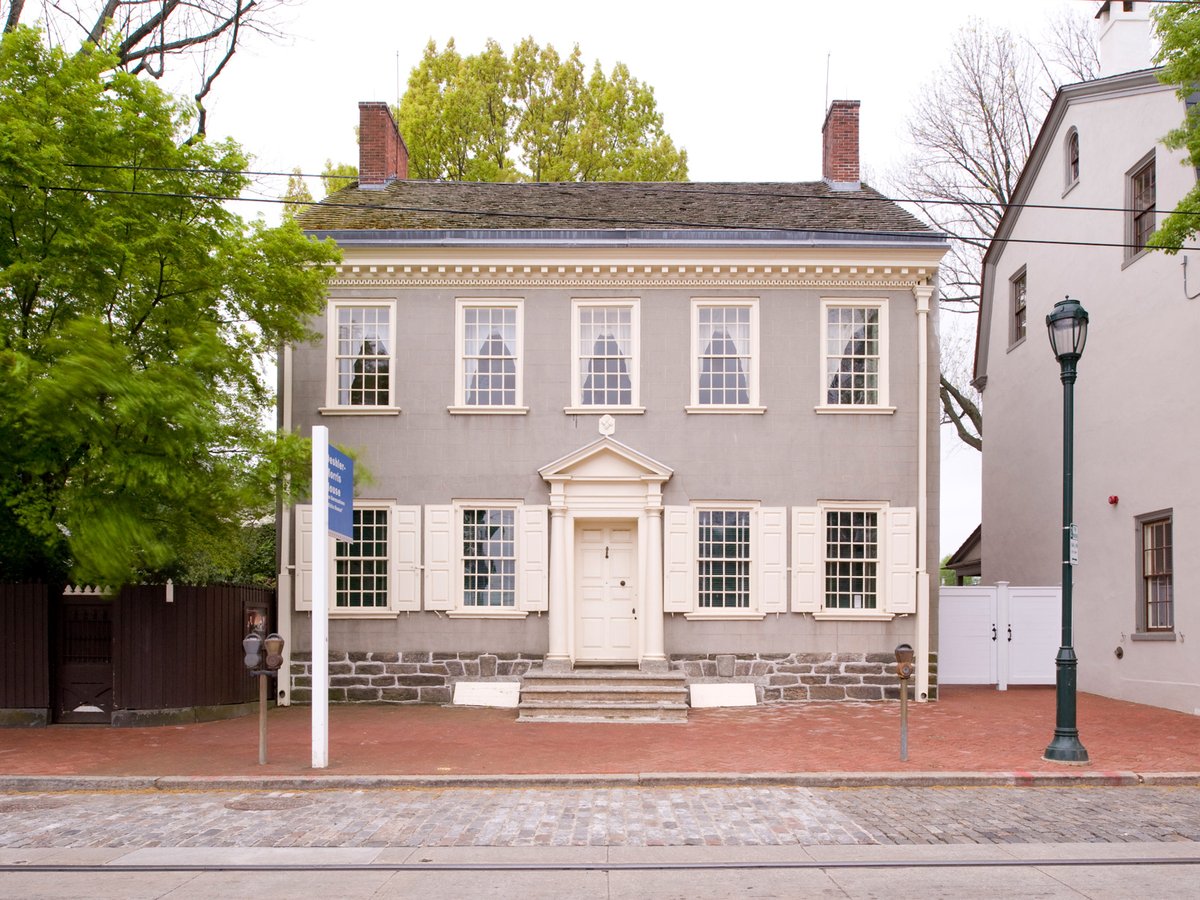
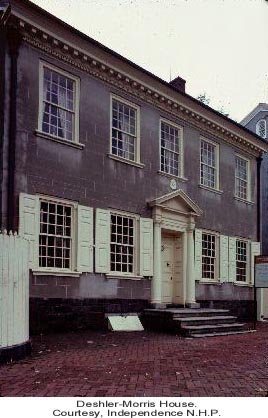
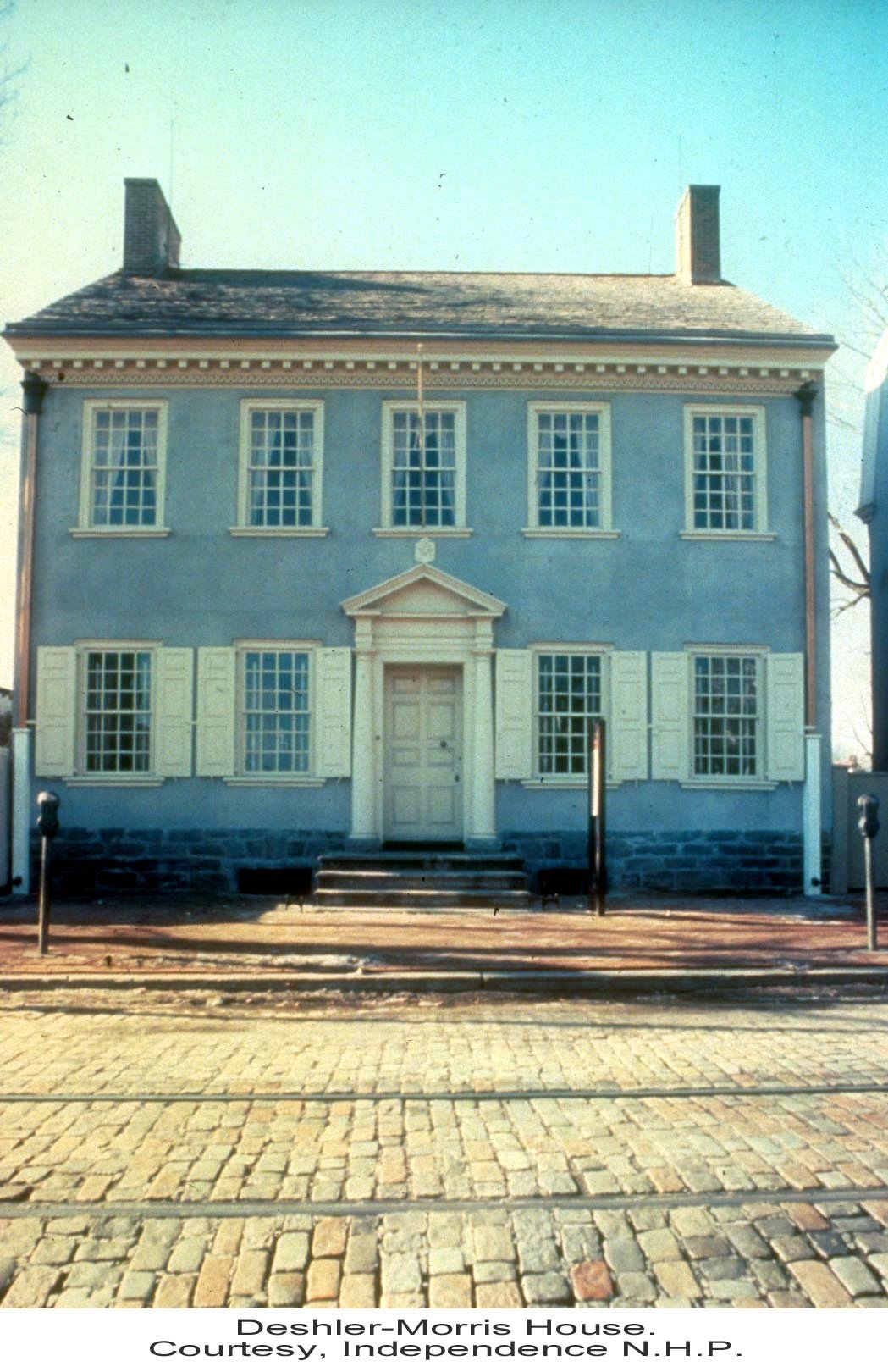
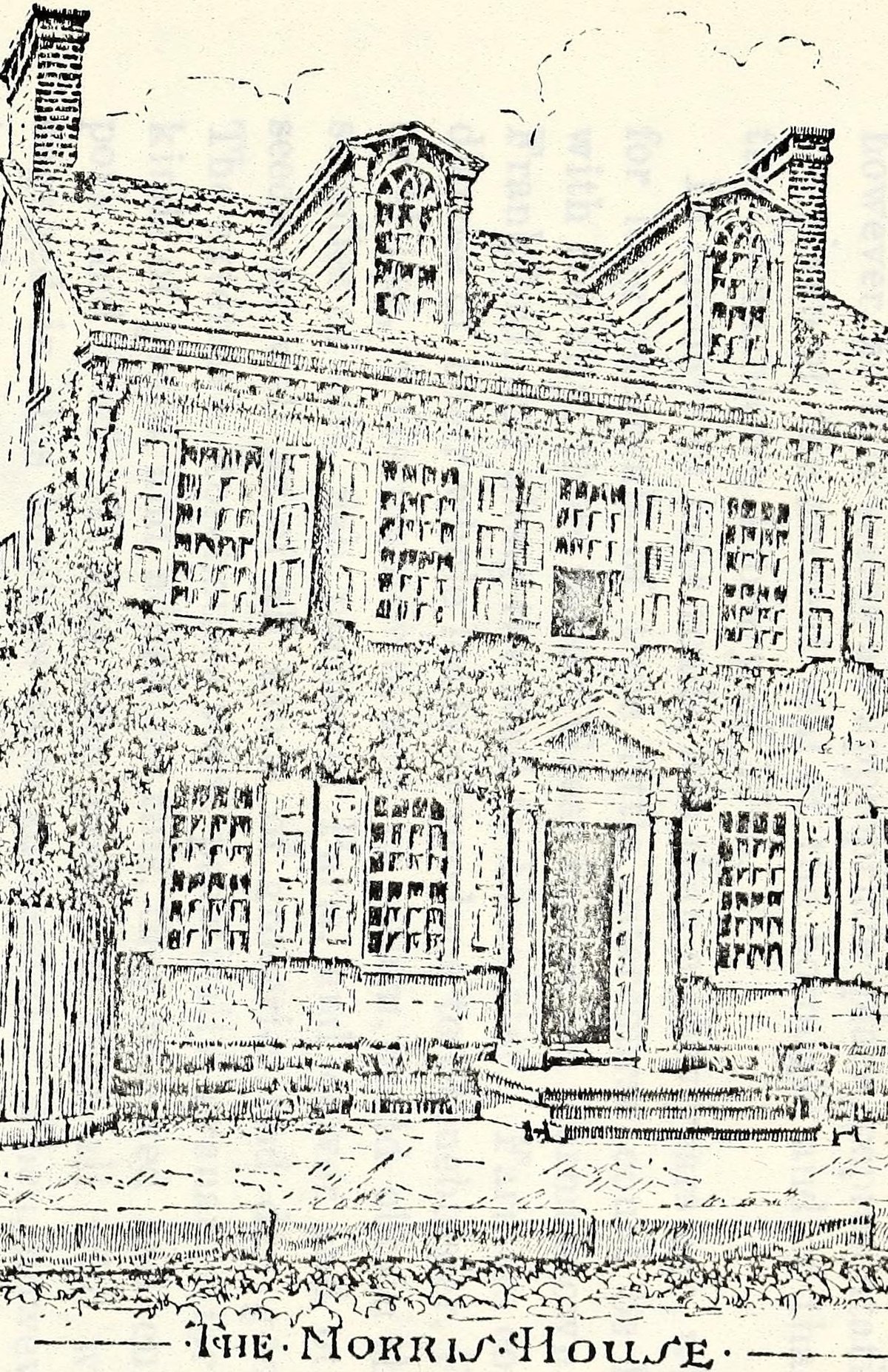
The Germantown White House’s story begins in 1752, when German immigrant merchant David Deshler constructed a modest four-room summer cottage in the then-rural village of Germantown (The Clio). As Deshler’s prosperity grew, so did his home, expanding in 1772 into a three-story Georgian mansion. Germantown itself, founded in 1683 by German Quaker and Mennonite settlers, was a hub of religious tolerance and progressive thought, famously producing the 1688 Quaker petition—the first organized protest against slavery in the Americas (City Cast Philly).
Revolutionary War and Presidential History
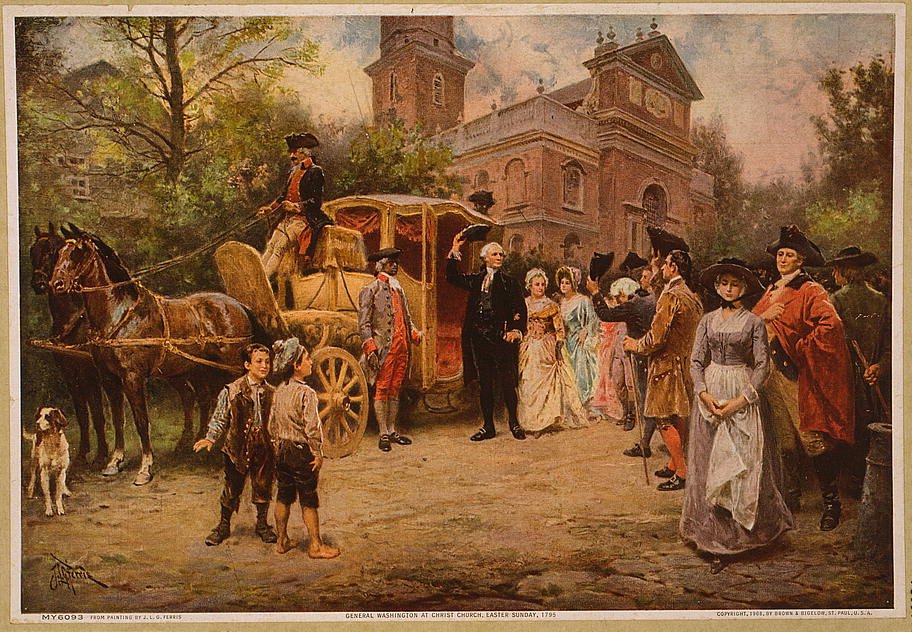
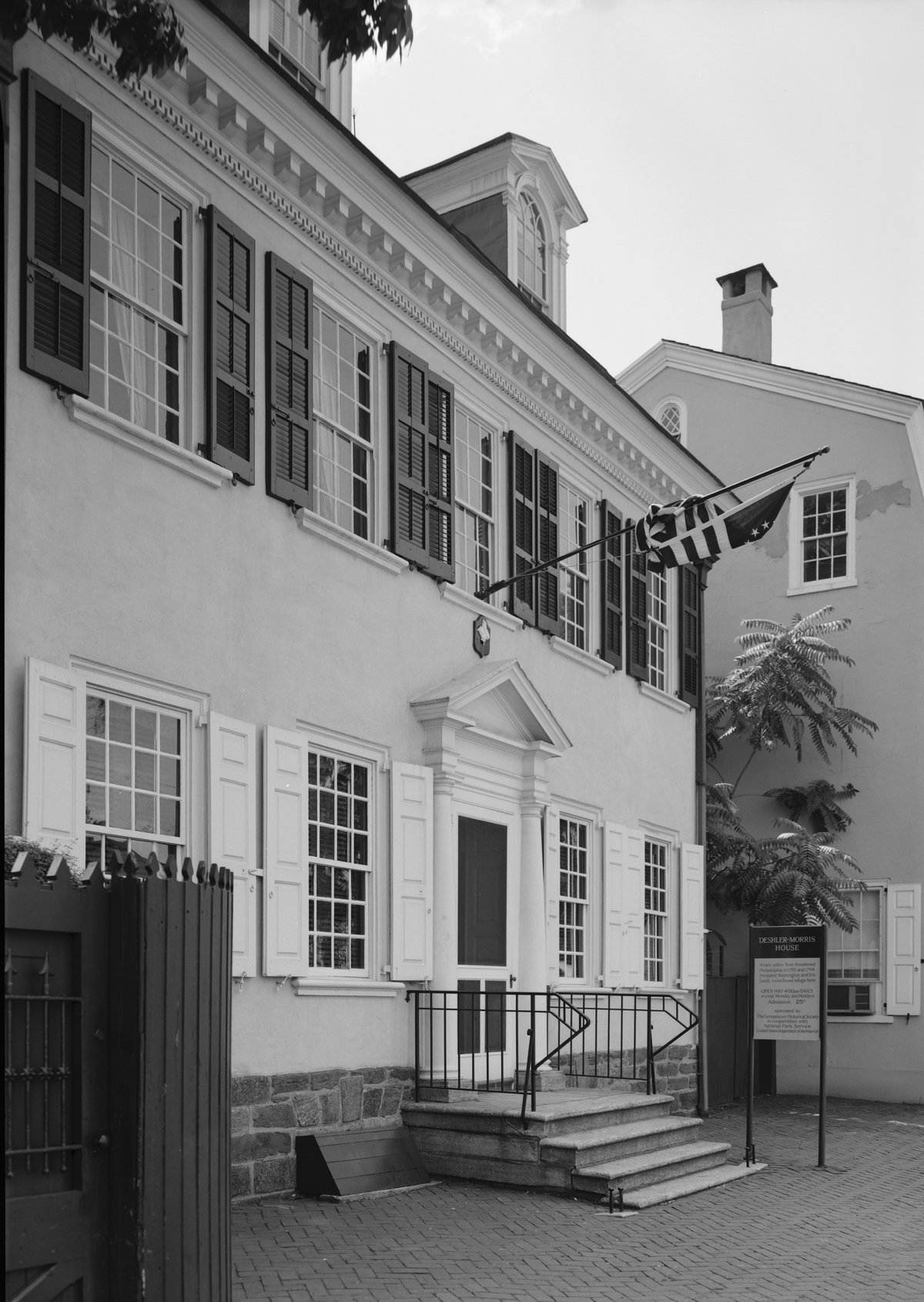
After Deshler’s passing, the house was purchased by Isaac Franks, a Jewish-American Revolutionary War veteran. Its true national significance emerged in the 1790s, when President George Washington twice used the residence as a temporary executive mansion—first during the 1793 yellow fever epidemic, then again in 1794 to escape Philadelphia's summer heat (NPS.gov). During these stays, Washington conducted official business, hosted cabinet meetings, and managed national affairs, earning the home its “Germantown White House” moniker. The house also served as British General William Howe’s headquarters during the 1777 Battle of Germantown, highlighting its recurring role in the nation’s formative conflicts.
Architectural Features and Preservation
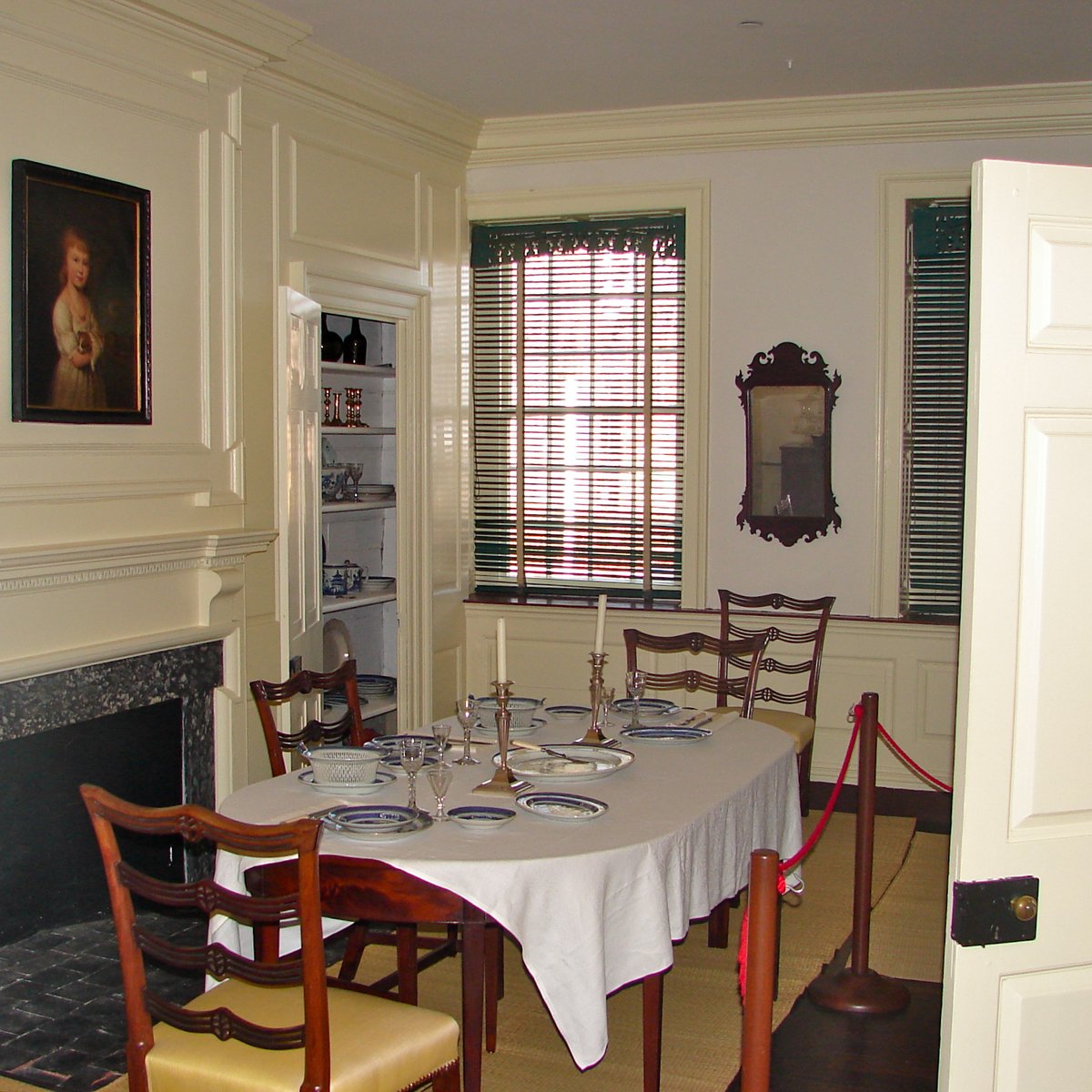
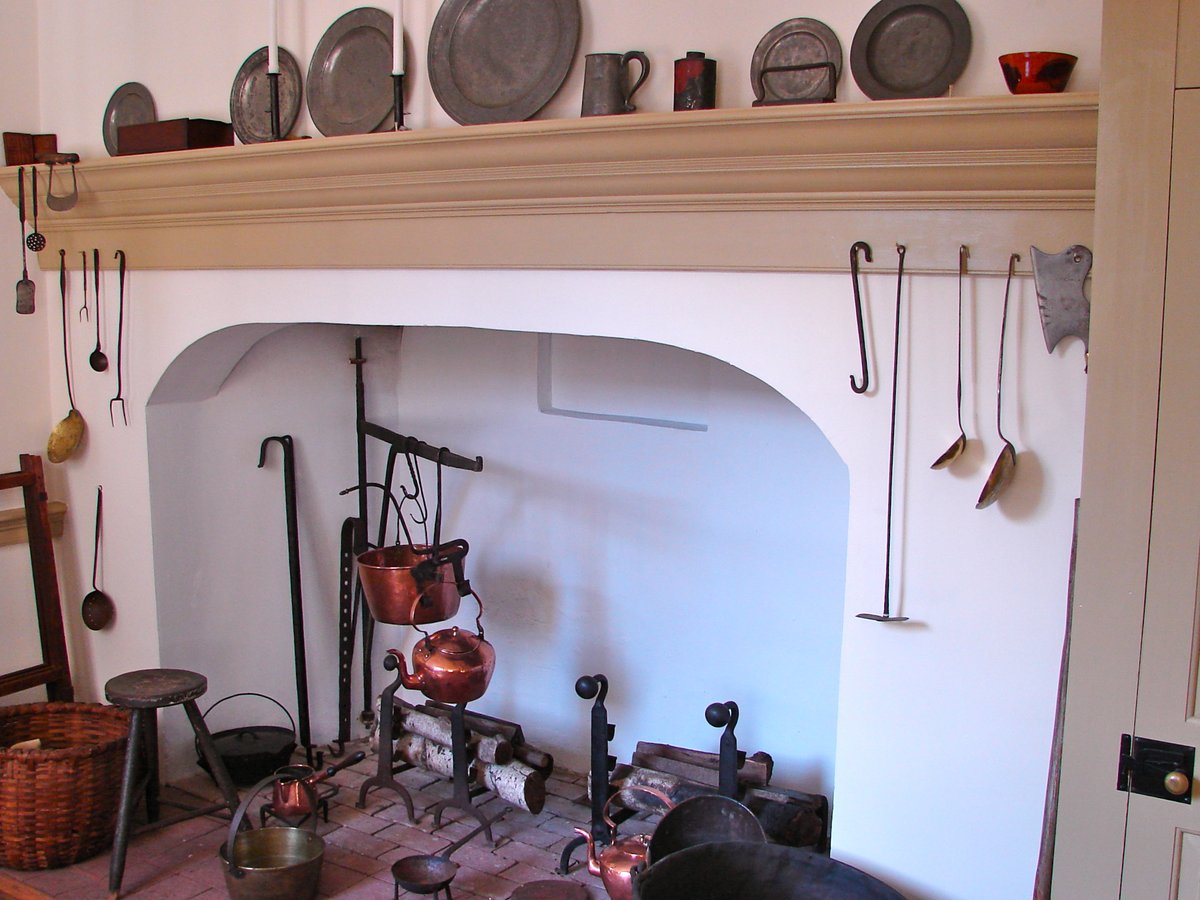
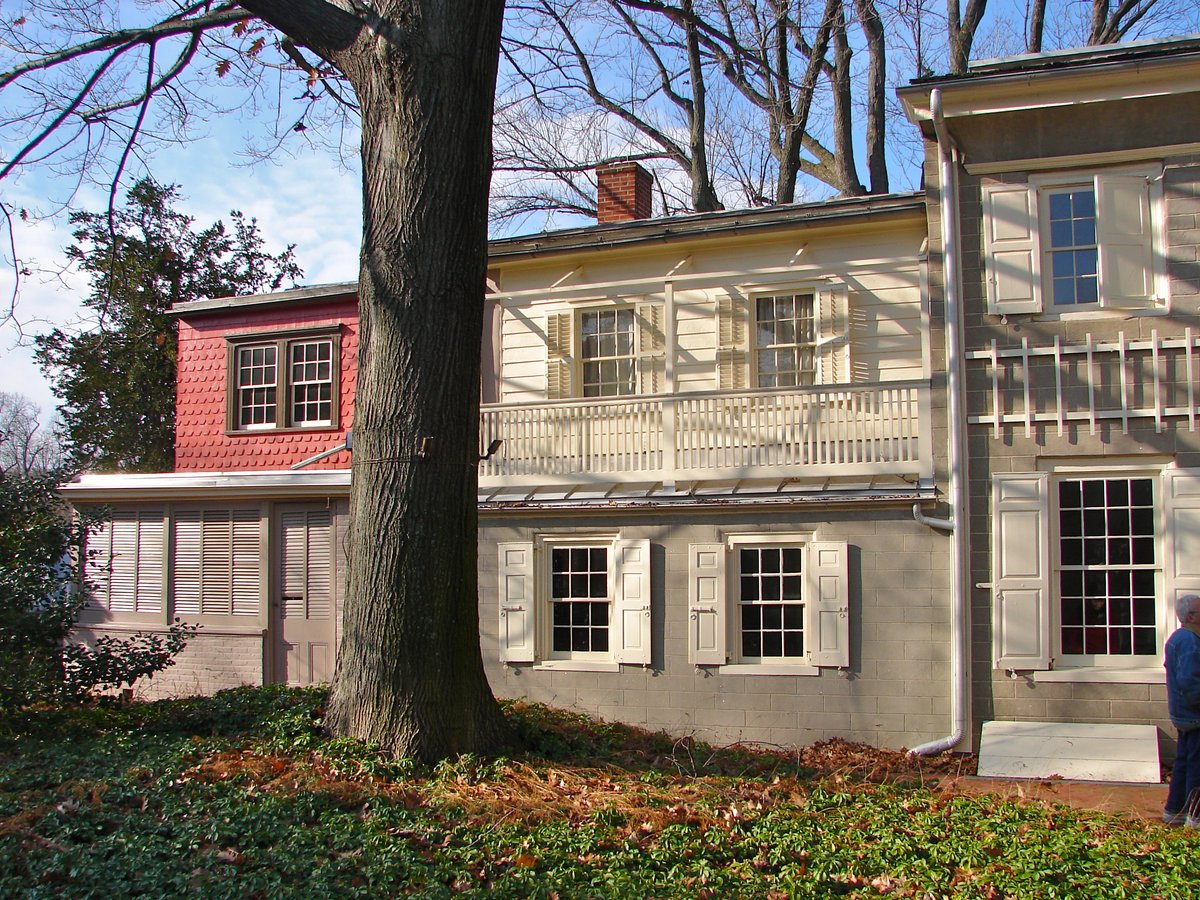
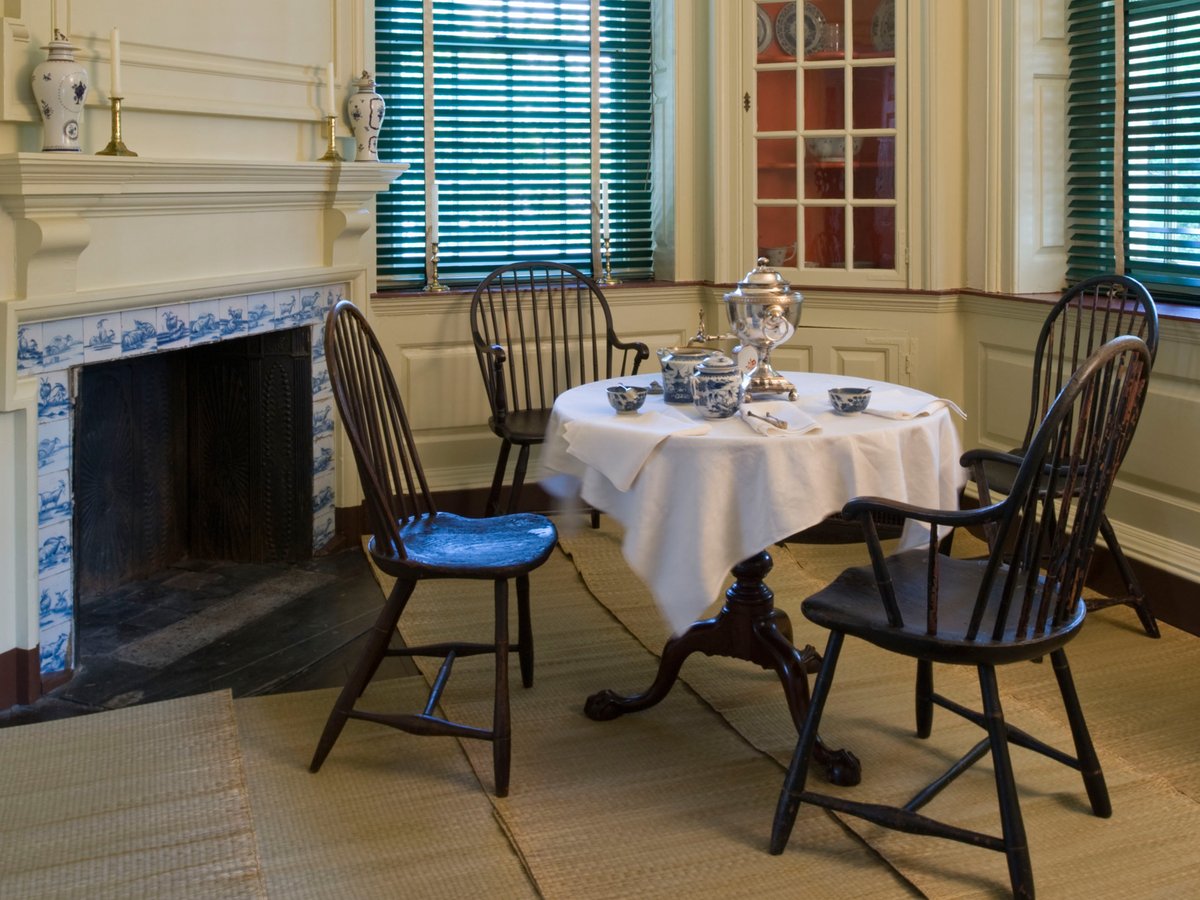
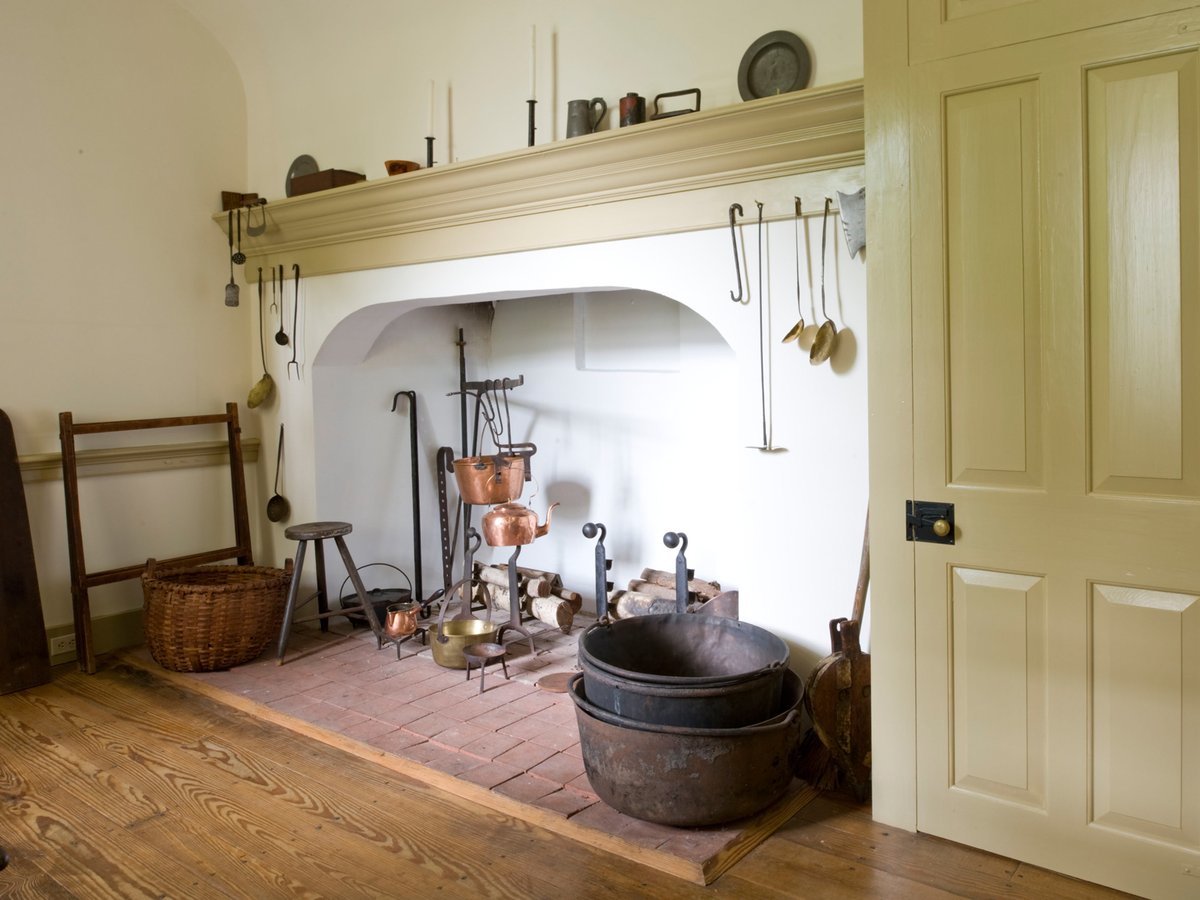
A classic example of Georgian architecture, the Germantown White House features a symmetrical stone façade, gabled roof, and sophisticated woodwork. Its preserved interiors showcase period furnishings and original architectural elements, enabling visitors to step directly into late 18th-century life (The Clio). The Morris family maintained the house for over a century before donating it to the National Park Service in 1948, securing its future as a public heritage site (City Cast Philly).
Visitor Information: Tickets, Hours & Accessibility
Current Status (June 2025):
The Germantown White House is temporarily closed for renovations. Check the official NPS website regularly for reopening announcements and updated visiting hours.
Usual Visiting Hours:
When open, the site typically welcomes visitors Wednesday–Sunday, 10:00 AM–4:00 PM, with guided tours beginning every 30–45 minutes. All tours are ranger-led to preserve the site and maximize educational value.
Admission:
Free admission. Occasionally, special programs or group tours may require advance reservations.
Accessibility:
The first floor is wheelchair accessible, with accessible restrooms and service animals permitted. Assistive listening devices and interpretive materials in multiple languages are available upon request.
Location & Transportation:
5442 Germantown Avenue, Philadelphia. Easily reached by SEPTA Route 23 bus; limited street parking is available. Public transit is recommended, especially during events.
Visitor Tips:
- Confirm current status and tour availability before visiting.
- Arrive on time for scheduled tours.
- No on-site dining or gift shop—explore local Germantown businesses for meals.
- Ask staff about photography policies inside the house (NPS.gov).
Germantown's Broader Historical Context
Germantown is steeped in social activism and pivotal events. Beyond hosting Washington, the neighborhood was the birthplace of America’s earliest anti-slavery movement and a key site during the 1777 Revolutionary War battle (Historic Germantown). The area’s identity as “Freedom’s Backyard” is reinforced by its ongoing celebration of liberty, abolition, and civil rights, and by its vibrant multicultural community (TravelAwaits).
Nearby Historical Attractions
Extend your visit by exploring Germantown’s constellation of historic sites:
- Cliveden – Central to the Battle of Germantown.
- Johnson House – An Underground Railroad stop and legacy of abolitionism.
- Grumblethorpe – Colonial estate with lush gardens.
- Wyck House, Upsala Mansion, and Ebenezer Maxwell Mansion – Each offering unique insights into Philadelphia’s history.
Many of these sites partake in joint programming, festivals, and ticketing through the Historic Germantown partnership (InLiquid).
Frequently Asked Questions (FAQ)
Q: What are the current Germantown White House visiting hours?
A: The house is closed for renovations as of June 2025. Check the NPS website for updates.
Q: Is there an admission fee or need for tickets?
A: Admission is free; guided tours may require reservations during peak periods.
Q: Is the site accessible for visitors with disabilities?
A: Yes, the first floor is wheelchair accessible. Contact the site for specific accommodations.
Q: How do I get there by public transit?
A: Take SEPTA Route 23 bus to Germantown Avenue; limited street parking is available.
Q: Are there family-friendly programs?
A: Yes—interactive exhibits, scavenger hunts, and seasonal events at the adjacent Bringhurst House.