Plan and listen to Franklin Court with Audiala.
Audio guide in your pocket, itinerary in your browser. Built for the way you actually visit.
Introduction: The Significance of Franklin Court
Franklin Court is a cornerstone of Philadelphia’s historic district, commemorating the life and legacy of Benjamin Franklin—one of America’s most influential Founding Fathers. Once the site of Franklin’s only owned residence, constructed in 1763, Franklin Court witnessed pivotal moments in the nation’s birth. Although the original structures were demolished in the early 1800s, today the site blends archaeological remains, inventive architectural interpretation, and immersive museum experiences to engage visitors of all ages.
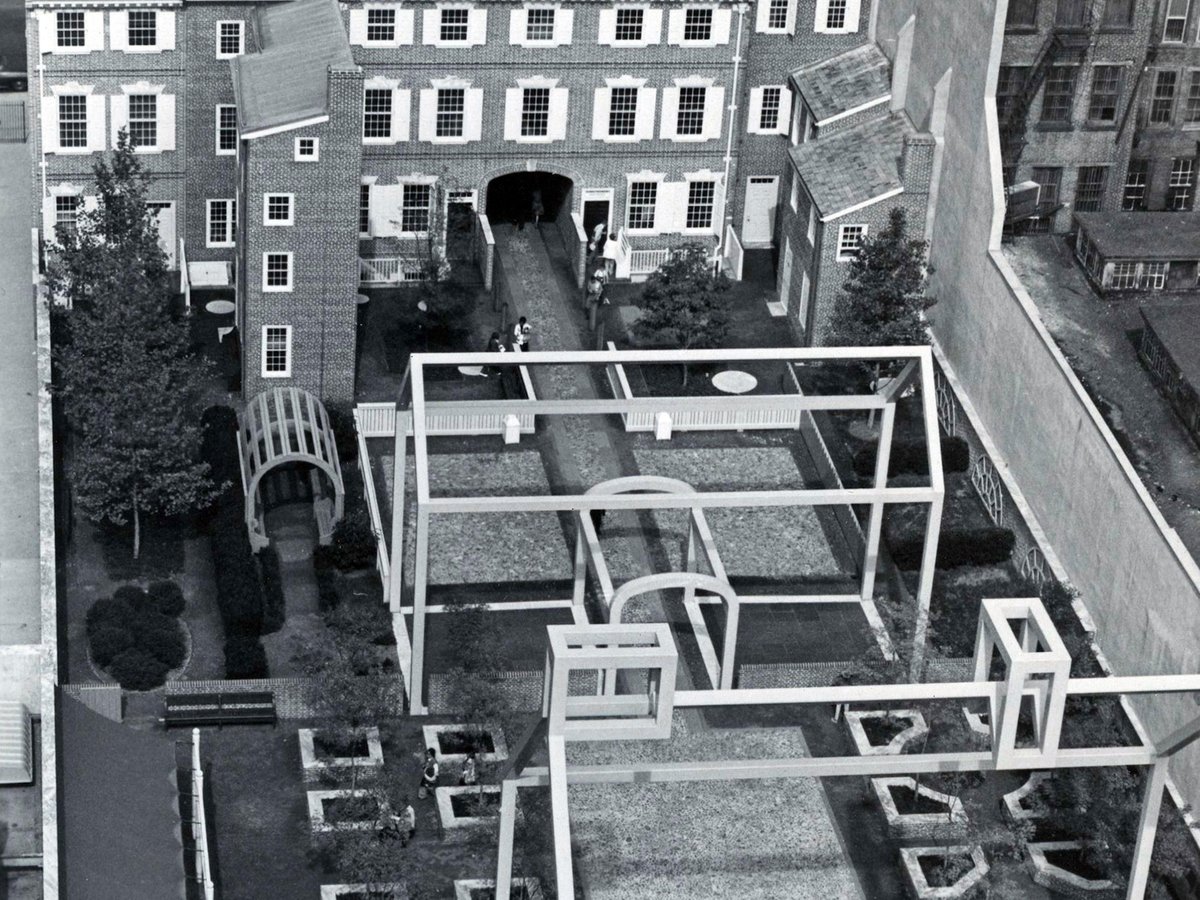
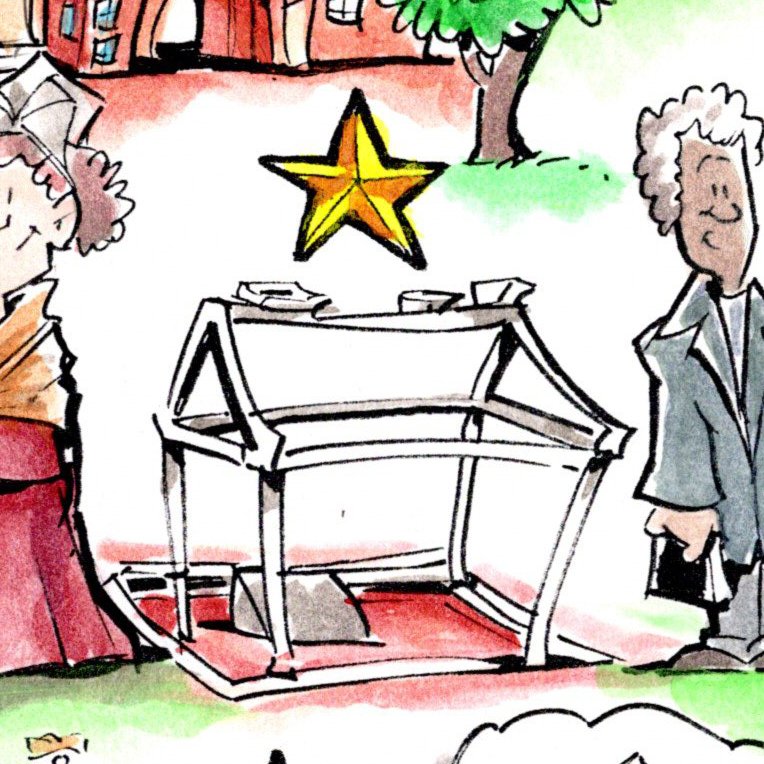
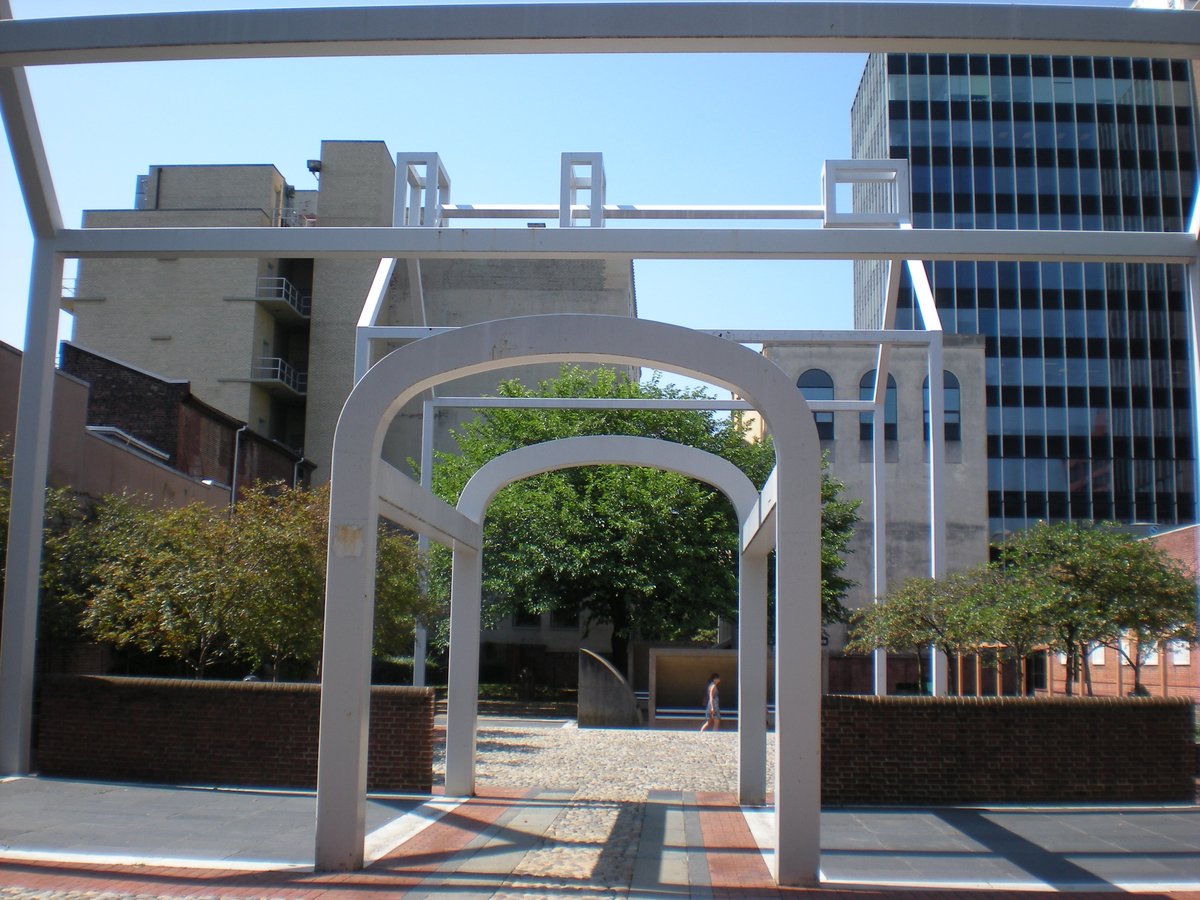
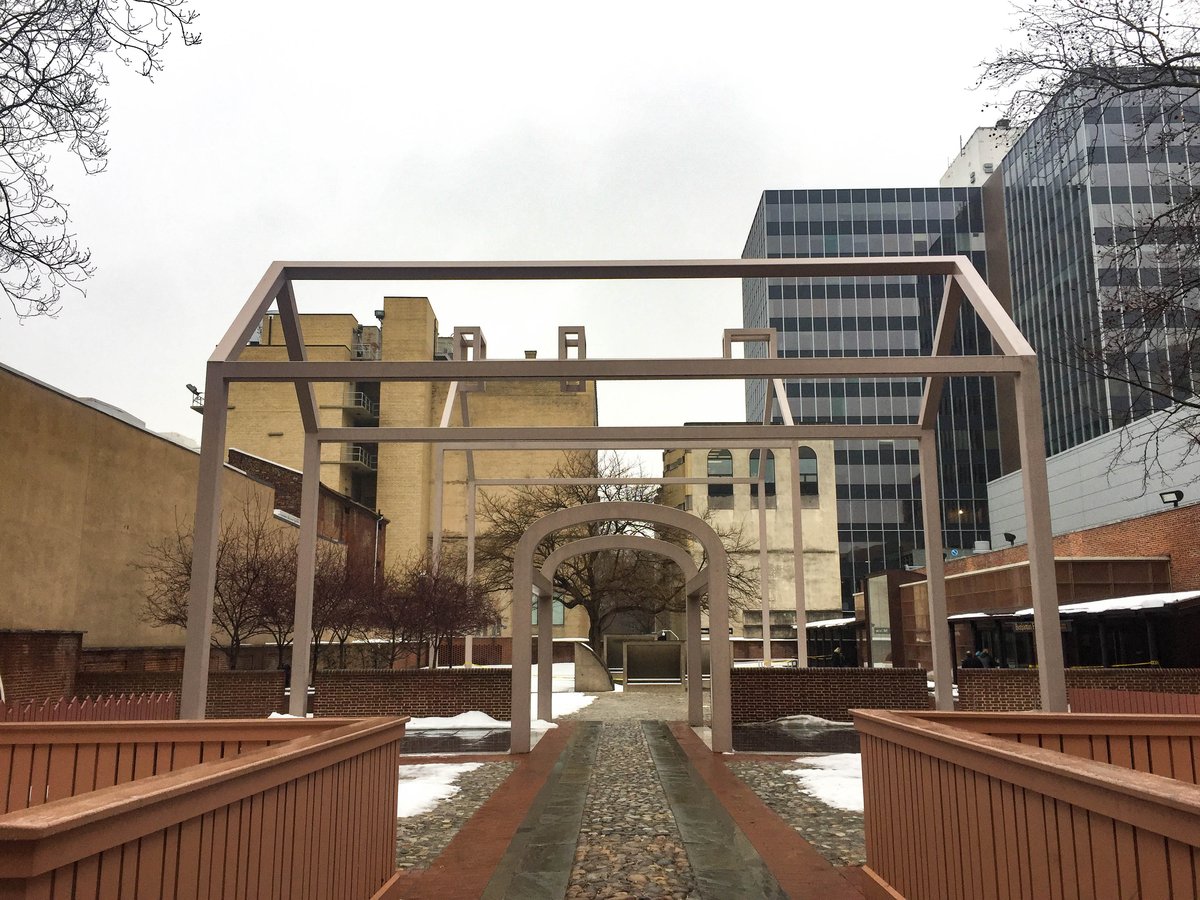
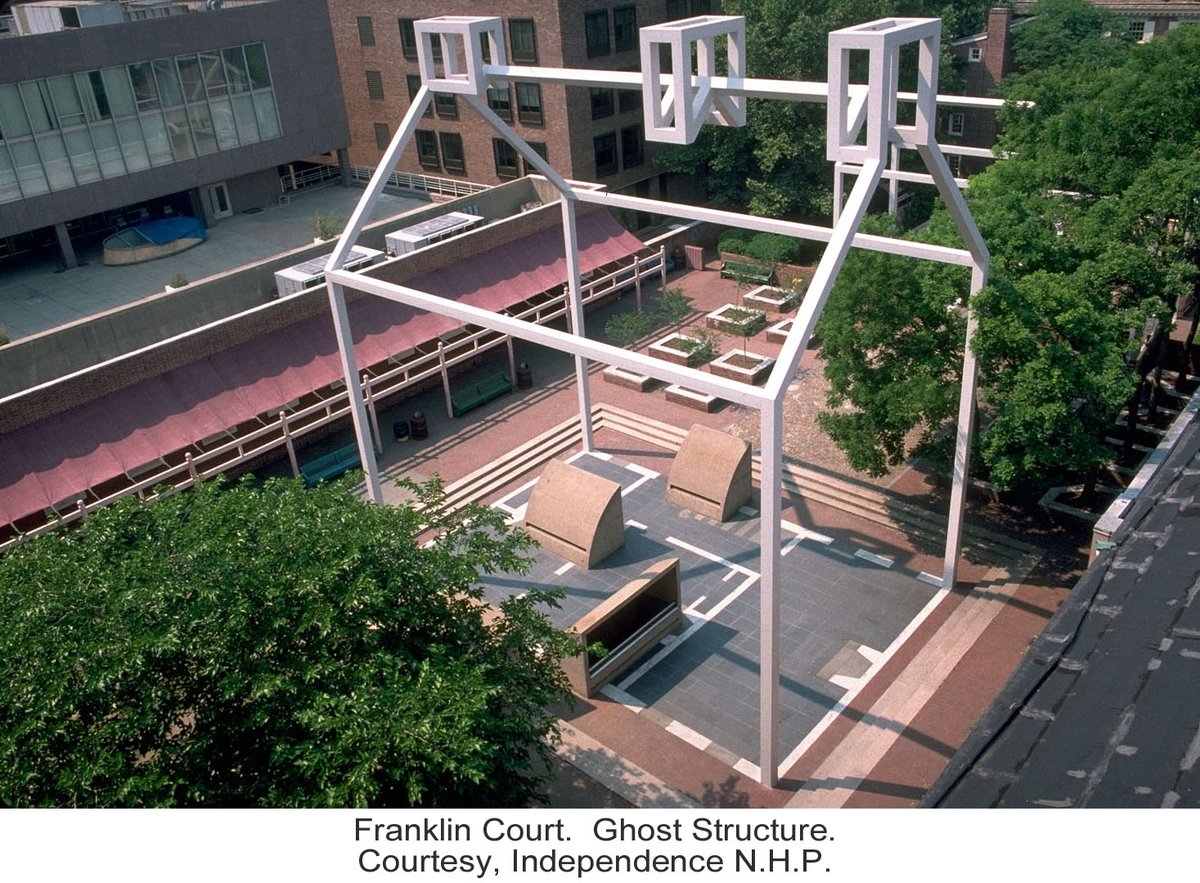
At the heart of Franklin Court are the iconic "ghost structures," designed by Venturi and Rauch in the 1970s to evoke the footprint of Franklin’s home and print shop, inspiring visitors to imagine the colonial landscape. Beneath these structures, preserved archaeological features—including foundation remnants and privy pits—offer tangible links to Franklin’s era. The Benjamin Franklin Museum, located underground, delivers interactive exhibits on Franklin’s scientific, diplomatic, and publishing achievements. The site is further enriched by a working colonial-era printing office and the historic B. Free Franklin Post Office.
Franklin Court is part of Independence National Historical Park, surrounded by other iconic landmarks like Independence Hall and the Liberty Bell Center, making it an essential stop for anyone exploring Philadelphia’s rich heritage. For up-to-date information, consult the National Park Service Franklin Court page. (Wikipedia; USHISTORY.org; Association for Public Art)
- Explore Franklin Court: Historical Overview
- Visiting Franklin Court: Hours, Tickets & Accessibility
- Highlights and What to See
- Visitor Tips and Nearby Attractions
- Frequently Asked Questions (FAQ)
- Plan Your Visit and Stay Connected
- References

Origins and Construction
Franklin Court marks the site of Benjamin Franklin’s only personally owned home. Built in 1763 to Franklin’s specifications, this three-story brick house stood quietly behind Market Street, accessible by a private carriageway. While Franklin spent many years abroad, he closely oversaw the construction and management of the property, communicating detailed instructions to his wife, Deborah Read, from overseas (Association for Public Art). The residence also became home to his daughter Sarah and her husband, Richard Bache, after their marriage in 1767 (Totally History).
Franklin’s Residency and Historical Role
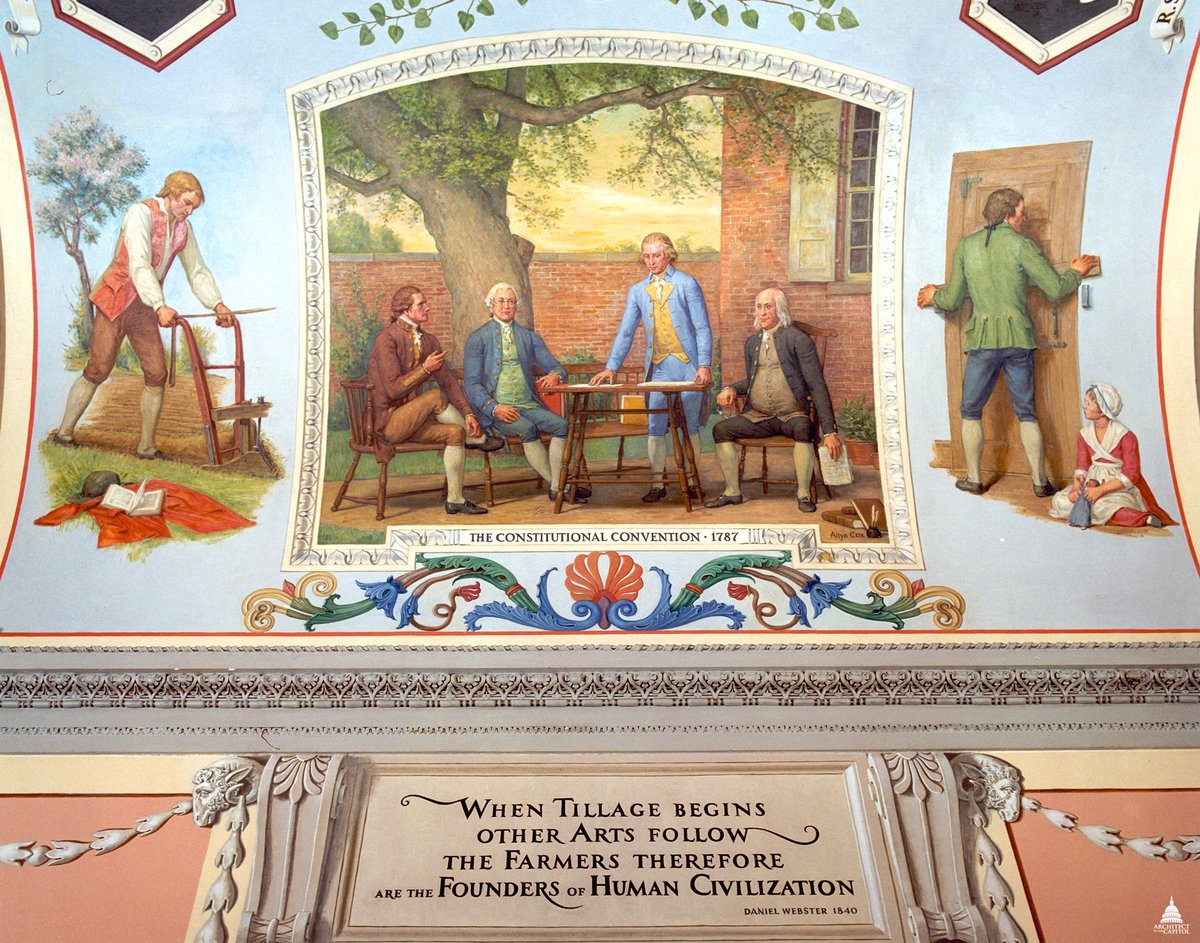
During Franklin’s time in Philadelphia, the house served as a hub for political and intellectual gatherings. Franklin lived here during crucial periods, such as the Second Continental Congress and the Constitutional Convention, and enhanced the property with a print shop and additional wings for family and business (Wikipedia; The History List).
Demolition and Rediscovery
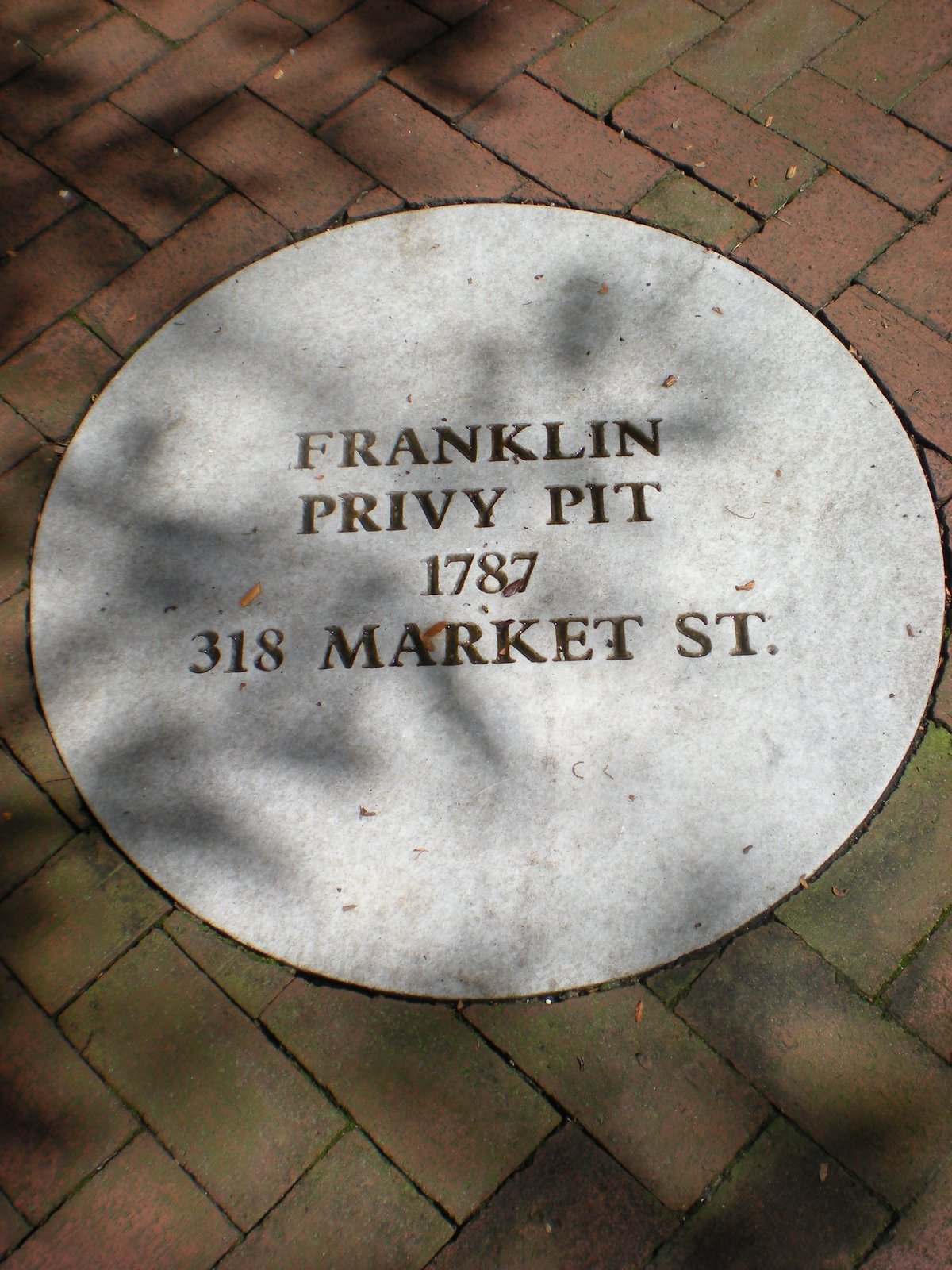
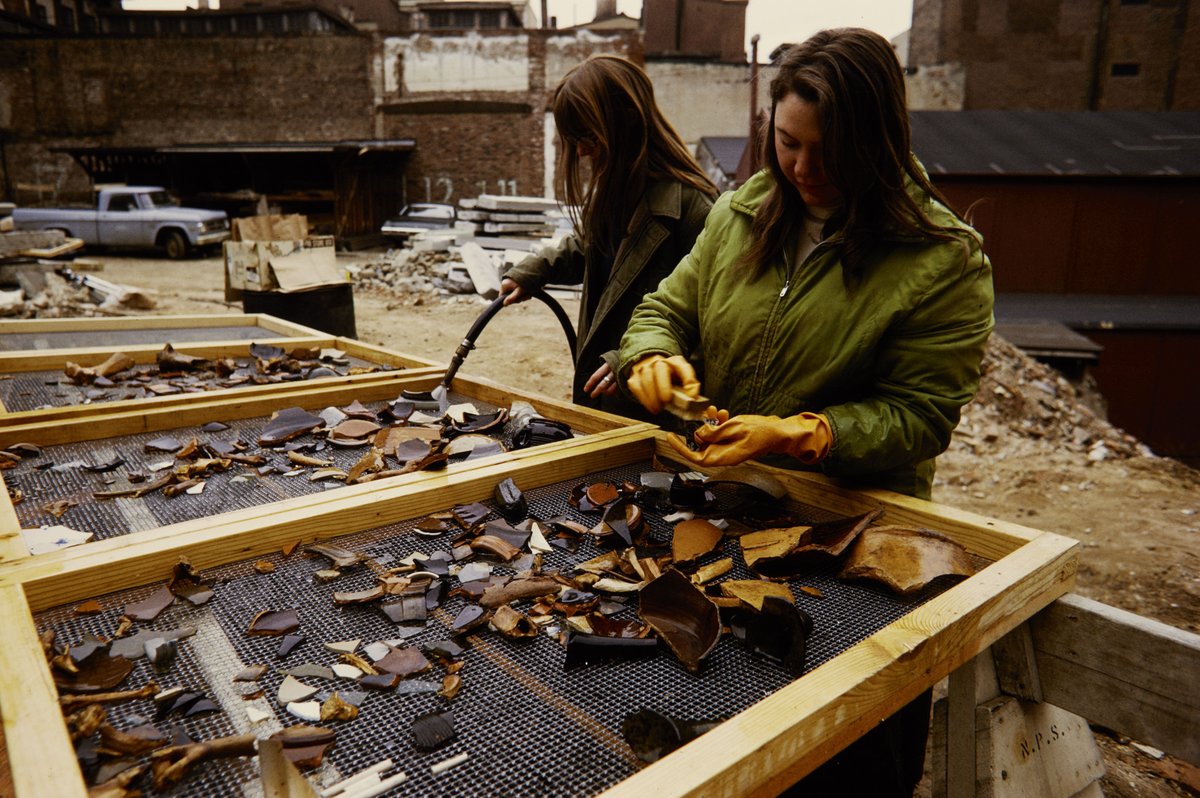
After Franklin’s death, the property was redeveloped, and the original buildings were demolished in 1812. The site’s historical significance was rediscovered in the 20th century during the development of Independence National Historical Park. Excavations revealed foundational remains and artifacts, forming the basis of the current historical interpretation (Association for Public Art).
Architectural Innovation: The Ghost Structures
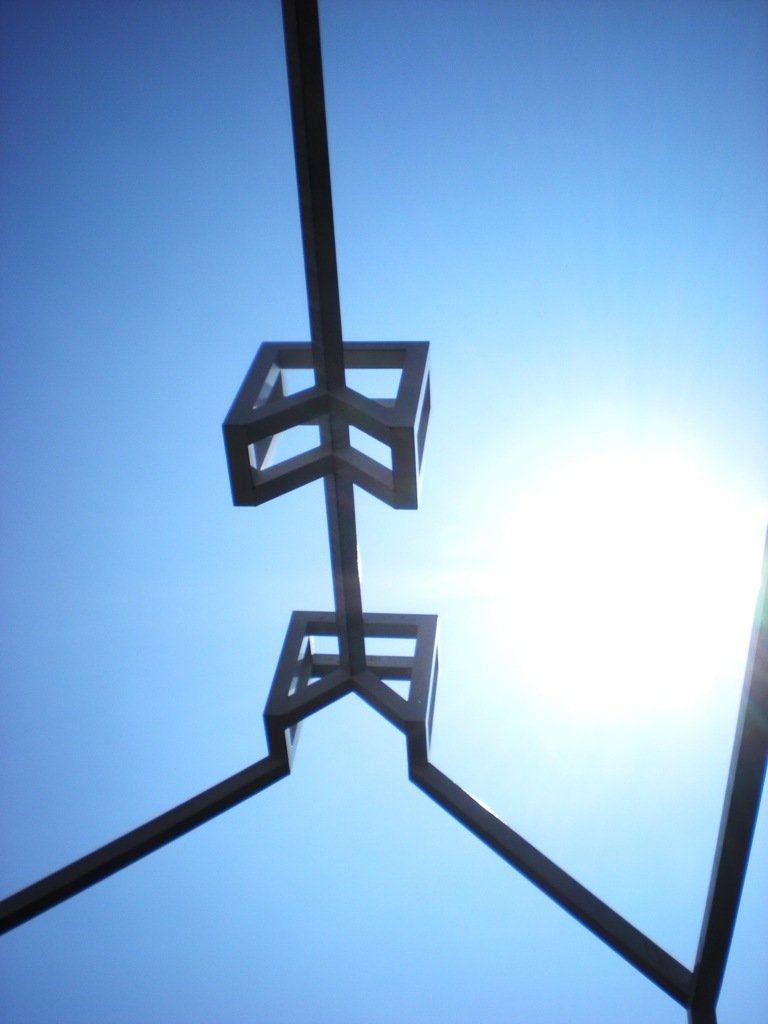
In 1976, to mark the U.S. Bicentennial, architects Venturi and Rauch introduced the "ghost structures"—minimalist steel frameworks outlining the dimensions of Franklin’s house and print shop. These structures, celebrated for their evocative design, enable visitors to visualize the original buildings without resorting to speculative reconstruction (Association for Public Art; The History List).
Archaeological Remains and Interpretive Features
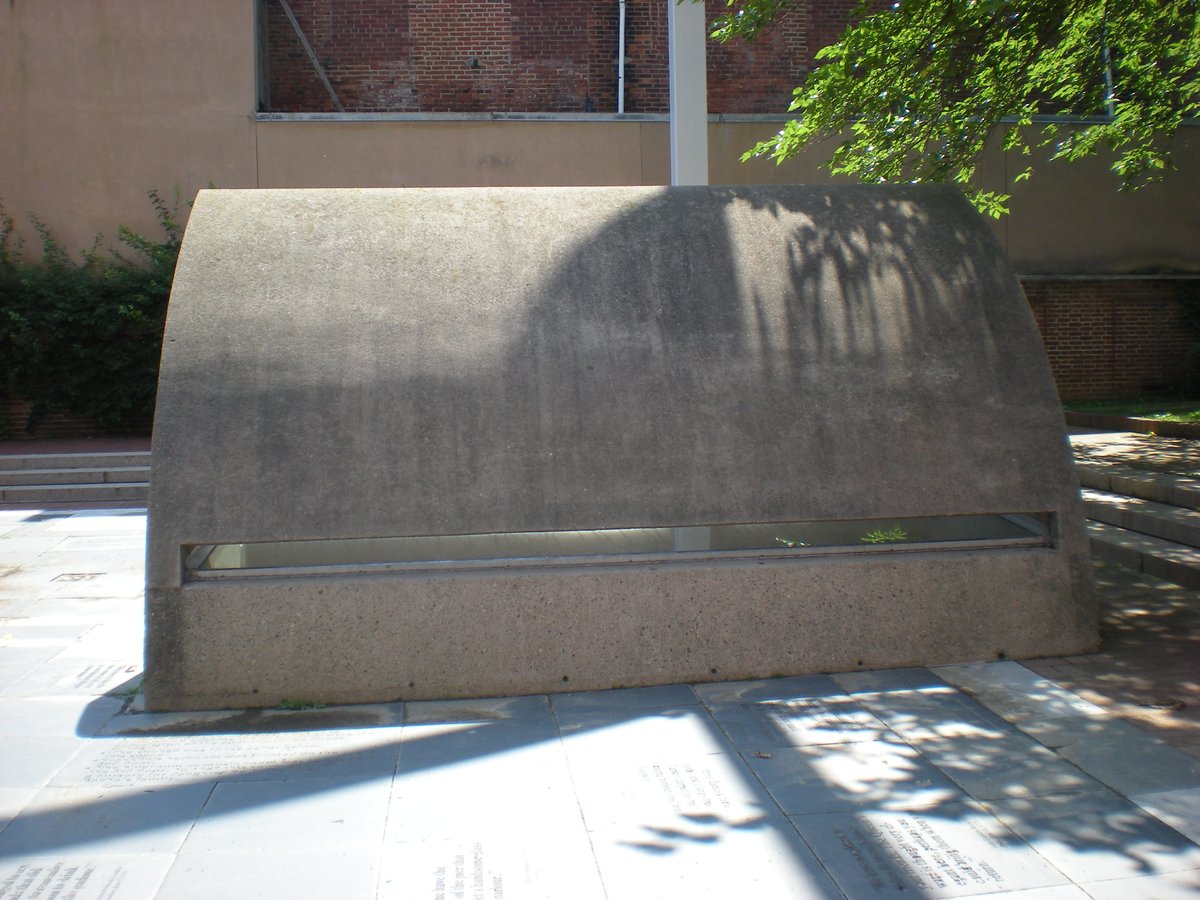
The courtyard features glass portals and wells, allowing visitors to view the original foundations and artifacts recovered during excavations. Interpretive panels and inscriptions provide valuable context, drawing on Franklin’s correspondence and historical records (USHISTORY.org).
Museum Complex Development
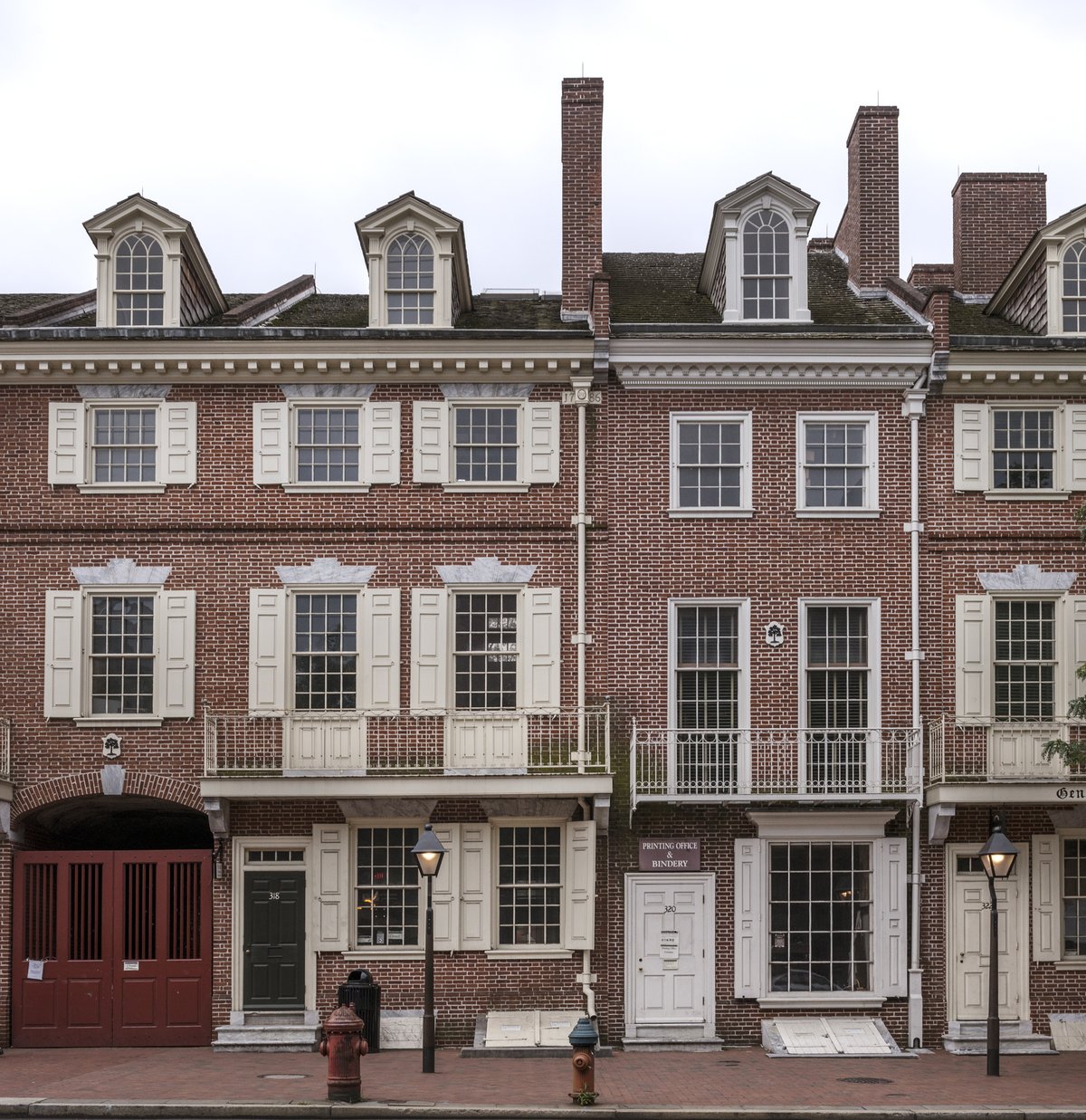
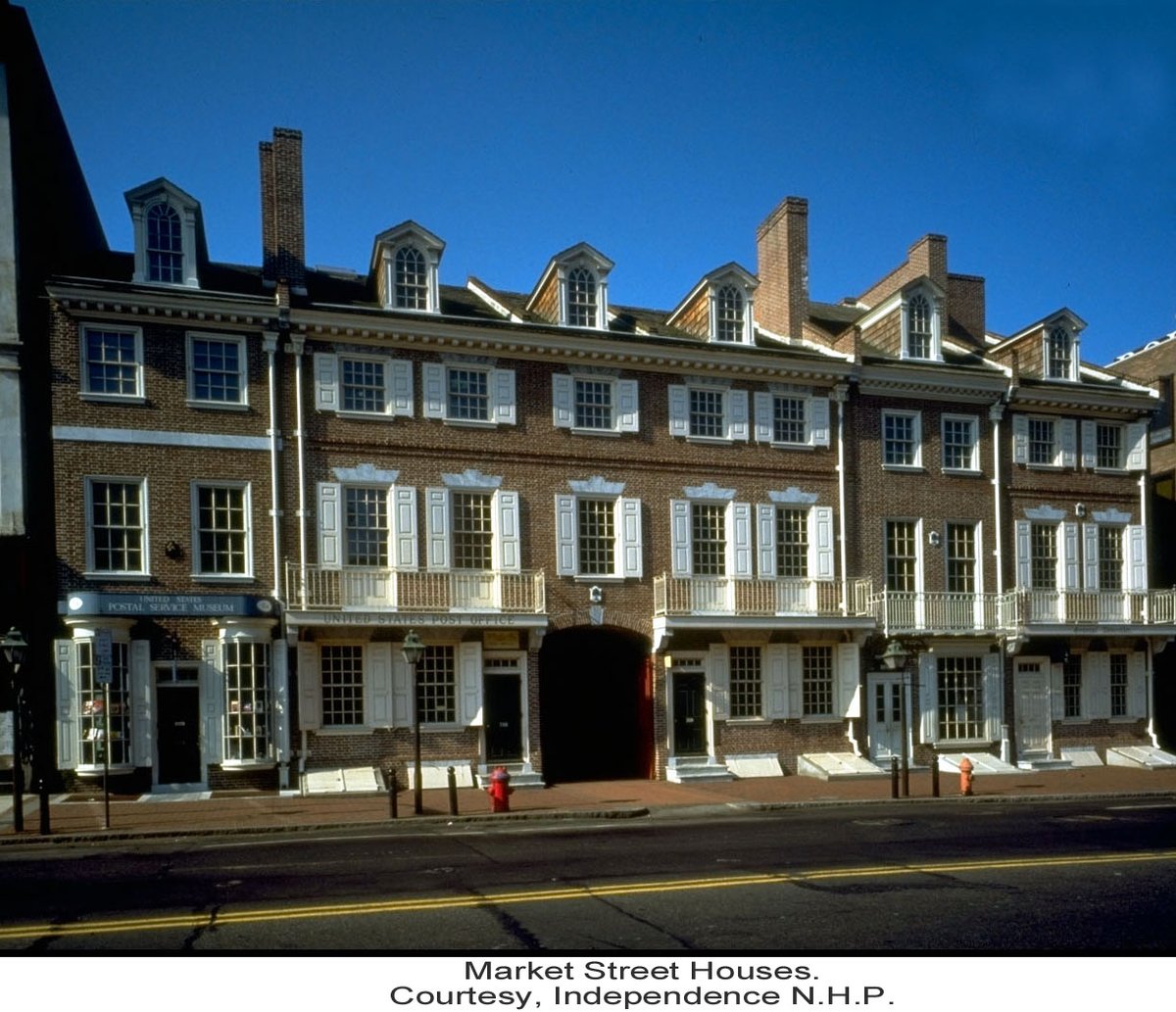
Opened in 1976 and renovated in 2013, the Benjamin Franklin Museum offers interactive exhibits, original artifacts, and multimedia presentations exploring Franklin’s legacy. The site also includes a working colonial-era printing office, a historically significant post office with the unique “B. Free Franklin” postmark, and restored Market Street buildings housing exhibits about Franklin and his grandson’s newspaper (USHISTORY.org).
Visiting Franklin Court: Hours, Tickets & Accessibility
Location and Access
Franklin Court is located at 314-322 Market Street, Philadelphia, PA 19106, within easy reach of public transit and major city attractions (Philadelphia Visitor Center). Entrances are available from both Market and Chestnut Streets.
Hours of Operation
- Outdoor Courtyard and Ghost Structures: Open daily, typically from 7:00 am to 10:00 pm.
- Benjamin Franklin Museum: Open daily from 9:00 am to 5:00 pm (last entry 4:30 pm). Closed Thanksgiving, Christmas, and New Year’s Day.
- Printing Office & Post Office: Open during standard daytime hours; check the official site for seasonal variations.
Tickets and Admission
- Outdoor Areas & Ghost Structures: Free admission.
- Benjamin Franklin Museum: Admission is free.
- Printing Office and Post Office: Free, with live demonstrations and activities included.
Note: While the museum is generally free, always verify current policies and event fees on the NPS website, as some special programs may require advance registration.
Accessibility
Franklin Court is accessible to visitors with disabilities, featuring ramps, elevators, accessible restrooms, and paved pathways. Service animals are welcome. For assistance or to arrange accommodations, contact the site in advance (Philadelphia Visitor Center).
Parking and Transportation
The site is readily accessible via SEPTA buses, trolleys, and the Market-Frankford subway line. Paid parking garages are available nearby, though spots may be limited during peak times. Using public transportation or rideshare services is recommended (The Geographical Cure).
Highlights and What to See
The Ghost Structures
Steel frameworks mark the original footprints of Franklin’s house and print shop, creating a striking visual experience that bridges past and present (Association for Public Art).
Archaeological Remains
Viewing portals and interpretive signage reveal original foundations and artifacts, immersing visitors in colonial life (USHISTORY.org).
Benjamin Franklin Museum
This underground museum features thematic galleries, interactive exhibits, original artifacts, and hands-on activities, bringing Franklin’s multifaceted achievements to life (NPS Franklin Court).
Printing Office & Bindery
Costumed interpreters demonstrate colonial-era printing and bookbinding techniques, offering insight into Franklin’s career as a printer and publisher (WhichMuseum).
B. Free Franklin Post Office
A unique, working U.S. post office where you can send mail stamped with the historic “B. Free Franklin” postmark—a tribute to Franklin’s tenure as the first Postmaster General.
Visitor Tips and Nearby Attractions
- Plan 1–2 Hours: Allow enough time to explore the museum, ghost structures, and live demonstrations.
- Combine Visits: Franklin Court is within walking distance of Independence Hall, the Liberty Bell Center, Elfreth’s Alley, and Christ Church Burial Ground (PABucketList).
- Best Times: Late spring and early fall offer mild weather and lower crowds (Nomadic Matt).
- Amenities: Restrooms are available on-site; food and drink are not sold within Franklin Court, but options abound in the surrounding area.
- Photography: Permitted in most areas, except where noted in the museum.
- Guided Tours: Check the NPS events calendar for ranger-led tours and educational programs.
Frequently Asked Questions (FAQ)
Q: Is admission to Franklin Court free?
A: Yes, access to the outdoor areas, museum, and live demonstrations is free.
Q: Are guided tours available?
A: Yes, ranger-led and volunteer tours are occasionally offered. Check schedules in advance.
Q: Is Franklin Court accessible?
A: The site is fully accessible, with ramps, elevators, and wheelchair-friendly paths.
Q: Can I send mail from the post office?
A: Yes, with a special “B. Free Franklin” cancellation.
Q: What are the best times to visit?
A: Visit during late spring or early fall for mild weather and fewer crowds.
Q: Is parking available?
A: Paid parking is nearby, but public transportation is recommended during busy seasons.
Discover More
Start your exploration at Franklin Court’s official NPS page for the latest hours and event updates. Download the Audiala app for guided audio tours and real-time alerts. For more about Philadelphia’s historical sites, see our guides on Independence Hall and Liberty Bell Center. Share your experience on social media and explore related posts for itinerary inspiration!
Listen to the full story in the app
The whole Franklin Court,
told well.
Audio guides for 1,100+ cities across 96 countries. History, stories, and local insight — offline ready.
Verified, and shown.
Researched and written by the Audiala editorial team from historical records, architectural archives, and local expertise.
Researched from Wikidata, Wikipedia & official sources · fact-checked · How we make our guides →