Plan and listen to First Bank Of The United States with Audiala.
Audio guide in your pocket, itinerary in your browser. Built for the way you actually visit.
Introduction
Nestled in Philadelphia’s Old City, the First Bank of the United States stands as an enduring monument to America's early financial system and the vision of Alexander Hamilton, the nation’s first Secretary of the Treasury. Established in 1791, the bank played a pivotal role in stabilizing the fledgling U.S. economy, issuing a national currency, and facilitating federal revenue. Although its original charter ended in 1811, the First Bank’s neoclassical architecture and historical legacy continue to inspire visitors and scholars alike.
Currently, the building is undergoing a multi-million-dollar restoration to reopen as a museum dedicated to early American economic history and Hamilton’s foundational policies. While the interior remains closed, the iconic marble façade and architectural details remain a highlight for visitors exploring the Independence National Historical Park. With its anticipated reopening in 2026 for the United States’ 250th anniversary, the First Bank promises an enhanced visitor experience with immersive exhibits, educational programs, and guided tours.
This guide provides everything you need to know about visiting the First Bank of the United States, including historical context, architectural highlights, practical information, restoration updates, and tips for making the most of your Philadelphia experience.
For the latest updates, visit the official First Bank Restoration Project website and the National Park Service’s Independence National Historical Park site.

Founding and Early Role
The First Bank was established in 1791 under Alexander Hamilton’s leadership to stabilize the national economy, manage government funds, and issue a uniform currency. Its 20-year charter, signed by President George Washington, marked a turning point in U.S. financial history, despite political opposition from Thomas Jefferson and James Madison.
Architectural Significance
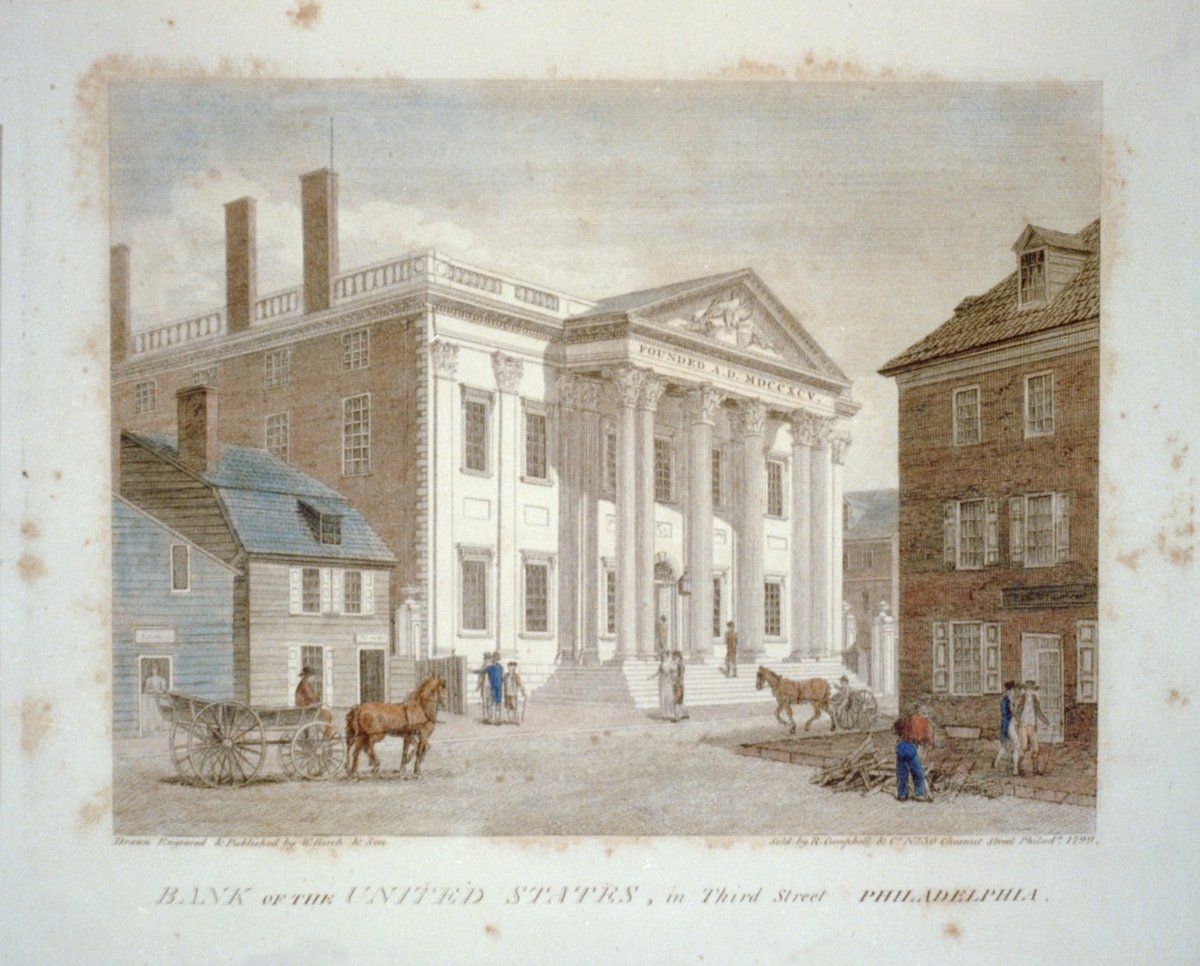
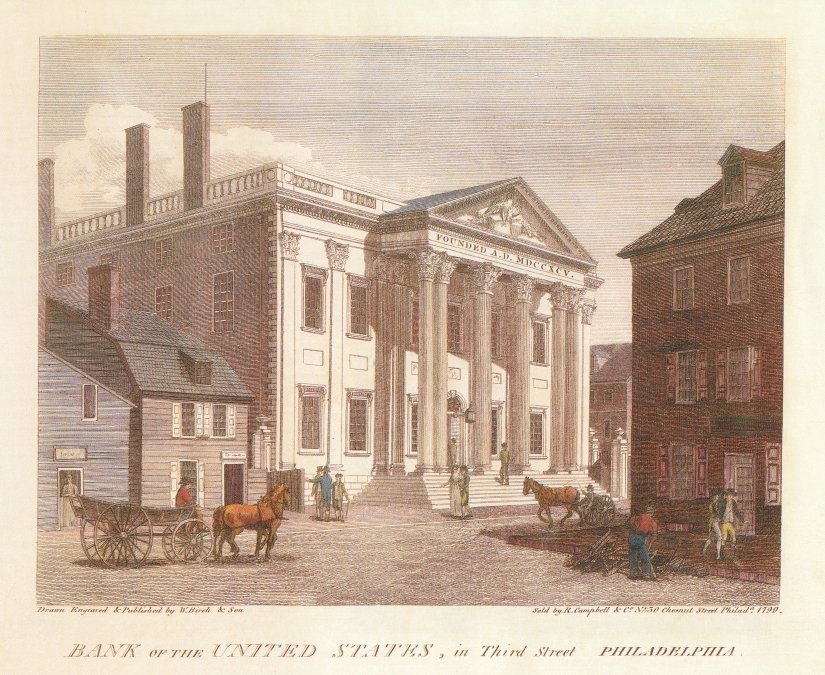
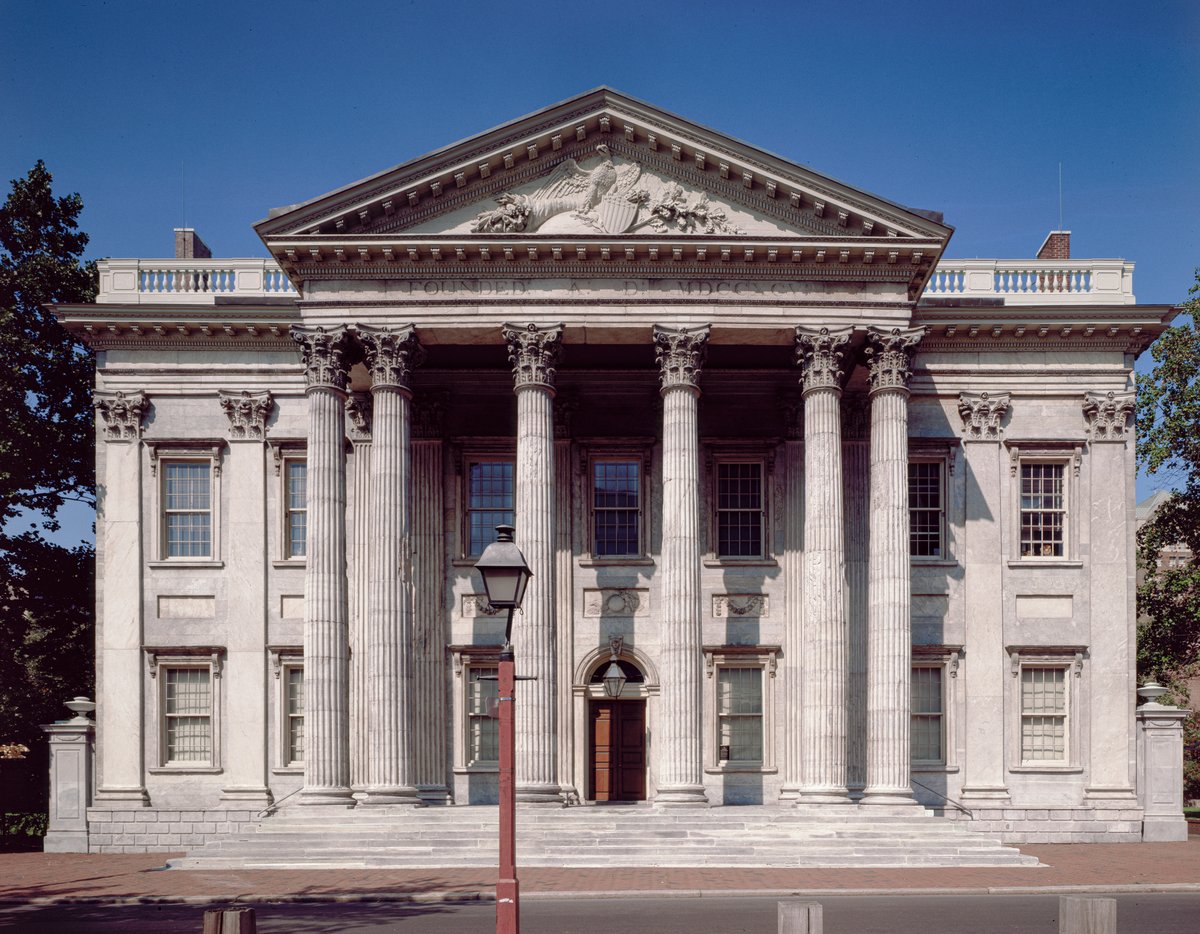
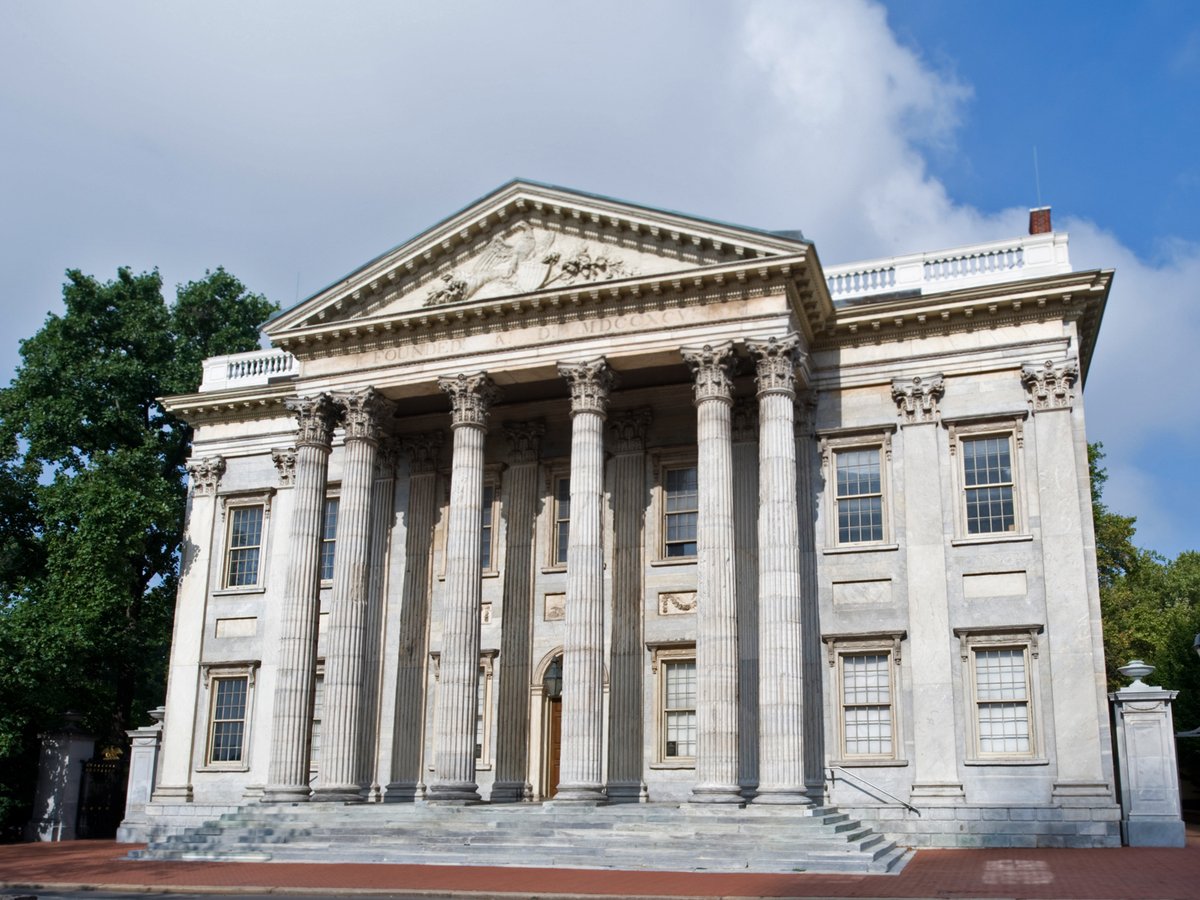
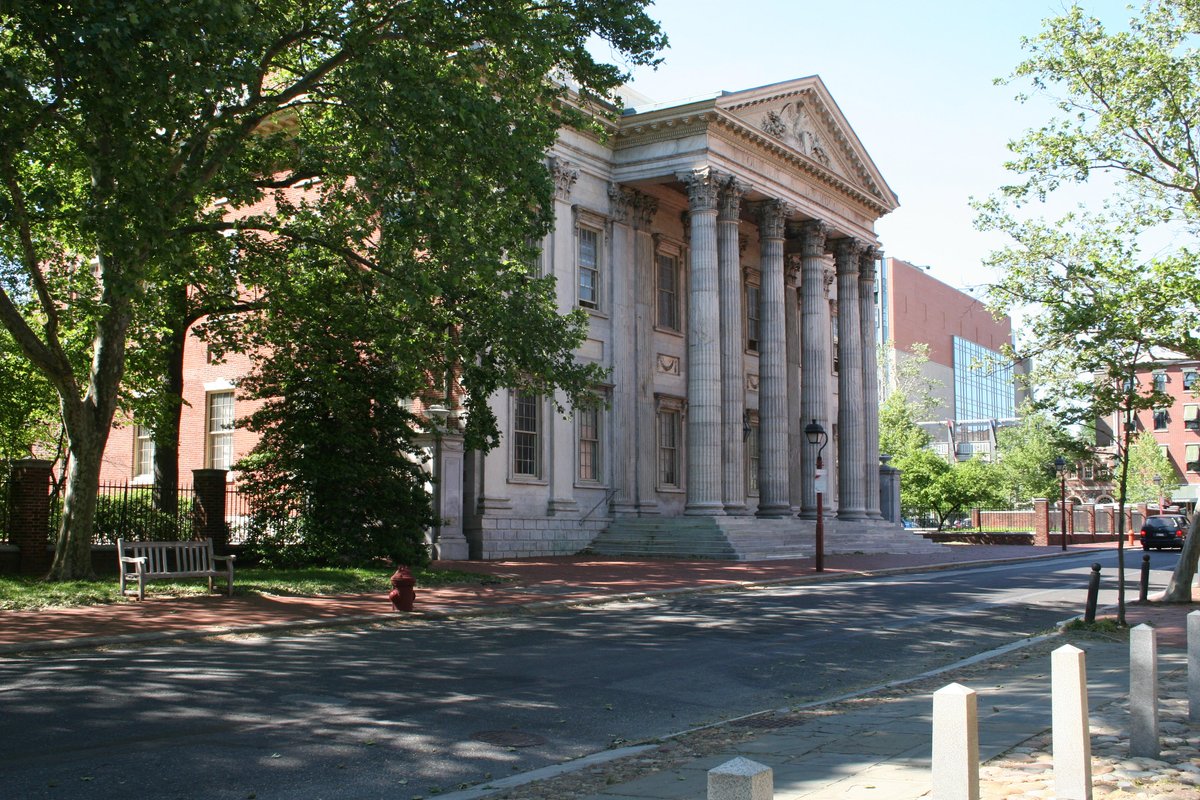
Completed in 1797 and designed by Samuel Blodget Jr., the First Bank is a seminal example of American neoclassical architecture. The imposing two-story portico, supported by Corinthian columns and topped with a mahogany eagle, reflects ancient Greek and Roman ideals—symbolizing permanence, democracy, and federal authority. The building’s stone façade, symmetrical layout, and ornamental details emphasize its national importance (SAH Archipedia; A View On Cities).
Economic and Political Impact
Serving as the nation’s central financial institution, the First Bank managed federal revenues, regulated currency, and supported government borrowing. Its existence was controversial, fueling debates about federal power that ultimately led to the non-renewal of its charter in 1811.
Preservation and Landmark Status
The First Bank’s historical and architectural significance led to its restoration in 1976 and its designation as a National Historic Landmark in 1987. Today, it is a key part of Independence National Historical Park and serves as a testament to the nation’s economic foundations (NPS First Bank).
Visiting the First Bank: Practical Information
Location and Access
- Address: 120/143 S. 3rd Street, Philadelphia, PA 19106 (variations appear in sources; the site is within Independence National Historical Park)
- Nearby Landmarks: Independence Hall, Liberty Bell, National Constitution Center, Museum of the American Revolution
- Public Transit: Nearest subway is 5th Street/Independence Hall (SEPTA); multiple bus routes and parking garages nearby (NPS First Bank)
Current Visiting Status (2025)
- Interior Access: Closed for restoration; expected to reopen as a museum in 2026
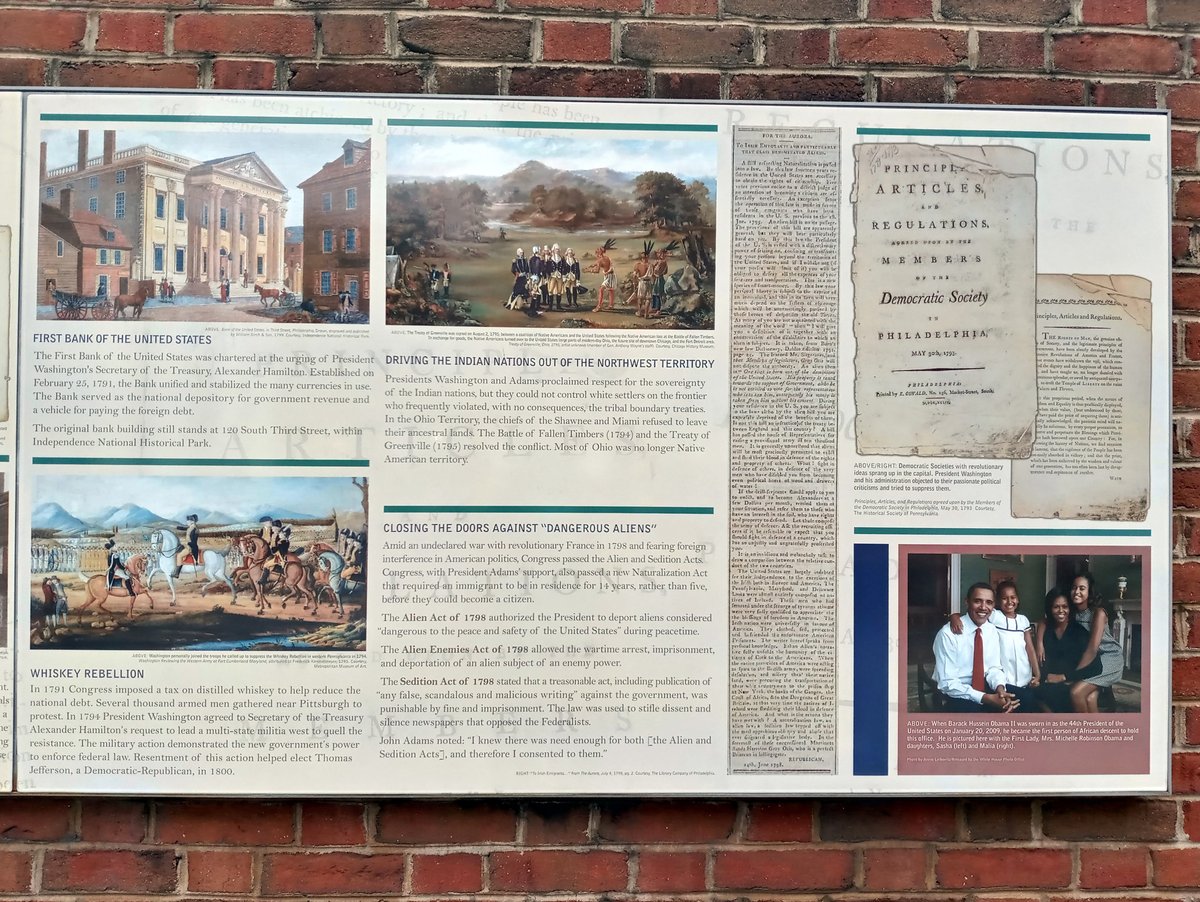
- Exterior Access: Open year-round for viewing and photography; interpretive signage provides historical context
- Guided Tours: Ranger-led walking tours include the First Bank as a stop; interior tours resume after museum opening (NBC Philadelphia)
Hours and Tickets
- Current Hours: Exterior accessible during park hours; check NPS site for updates
- Admission: Exterior visiting is free; museum ticketing details will be announced closer to reopening
- Accessibility: The exterior is wheelchair accessible with level sidewalks; interior will be fully ADA-compliant upon reopening
Amenities
- Restrooms & Visitor Services: Available at Independence Visitor Center (599 Market Street)
- Maps & Information: Provided at the visitor center and through official websites
- Safety: The area is well-patrolled; standard urban precautions advised after dark
Restoration and Museum Transformation (2023–2026)
A collaborative effort between the National Park Service, Independence Historical Trust, and private donors is restoring the First Bank’s historic features and modernizing the building for museum use. Key restoration elements include:
- Exterior: Repointing and repair of marble façade, roof and masonry stabilization, preservation of the mahogany eagle and pediment
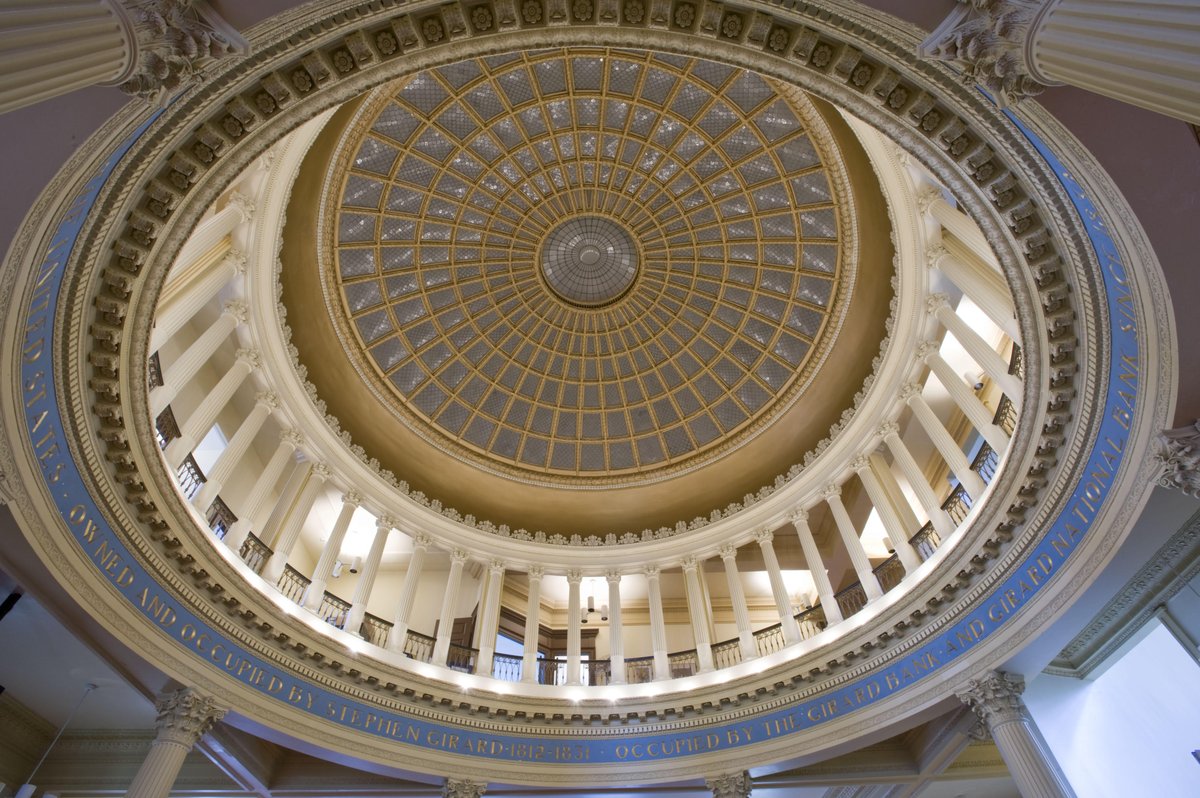
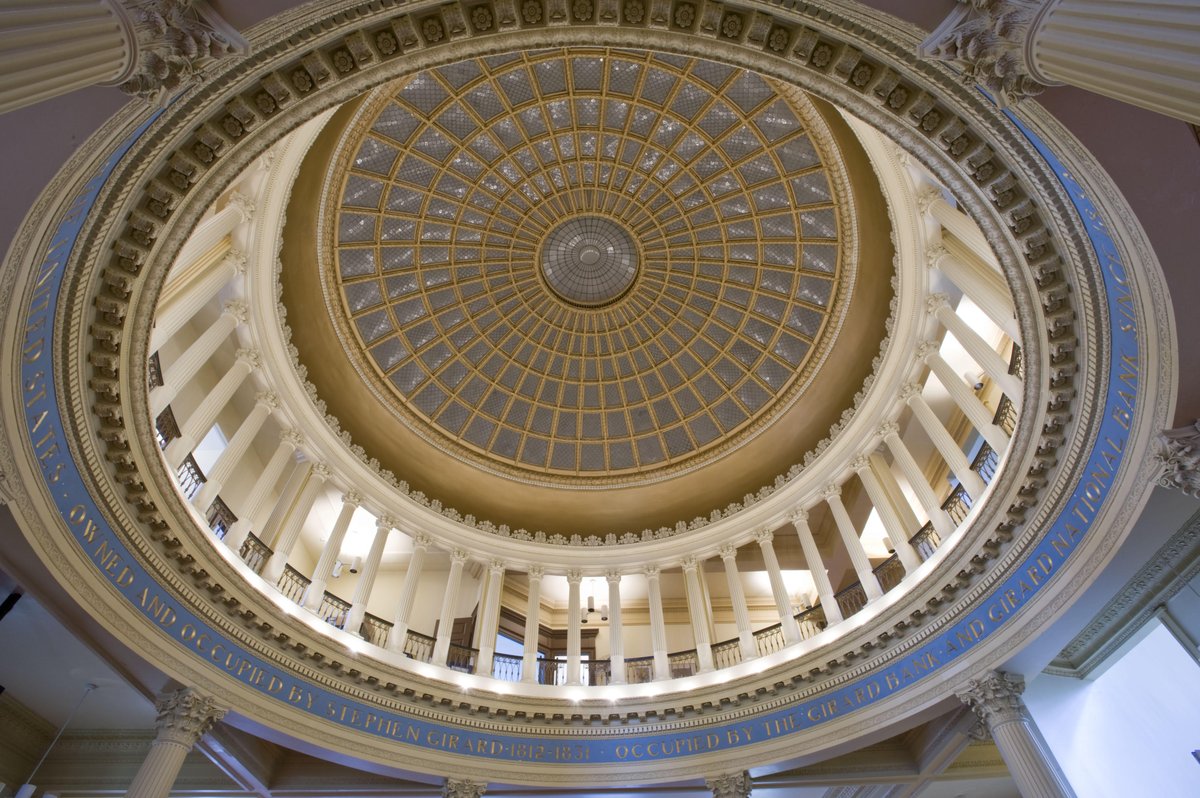
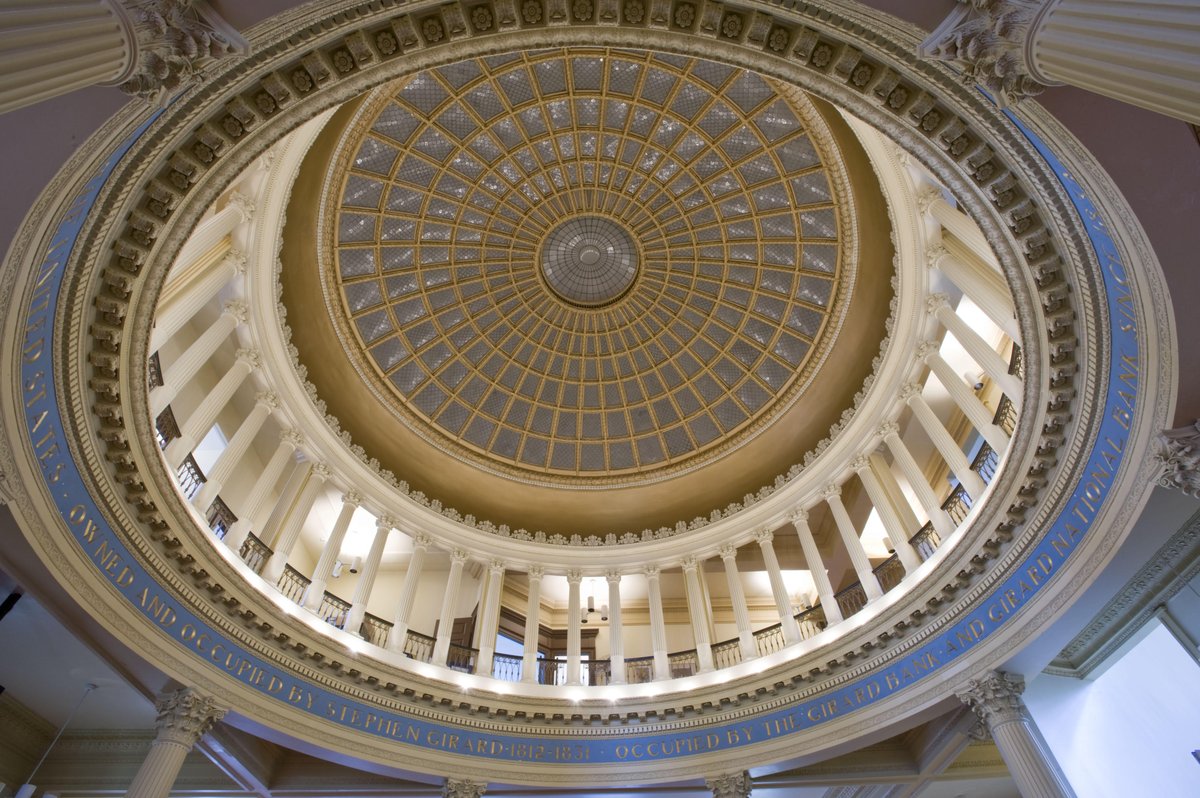
- Interior: ADA upgrades, new elevator, infrastructure modernization, restoration of 1901 glass dome and original banking hall
- Visitor Experience: Addition of a fully accessible main entrance and state-of-the-art interpretive exhibits
The museum will be the first in the U.S. dedicated to early American economics, Hamilton’s vision, and Philadelphia’s role as economic center. Interactive exhibits, digital displays, and event spaces will engage visitors of all ages (First Bank Philly; WHYY).
Architectural Highlights
- Corinthian Columns: Six grand marble columns, each over 24 feet tall, supporting the portico
- Pediment and Eagle: Features the nation’s oldest known architectural reference to the Great Seal, carved by Claudius LeGrand
- Symmetry and Materials: Local stone and white marble, hipped slate roof, symmetrical window and door placement (ushistory.org)
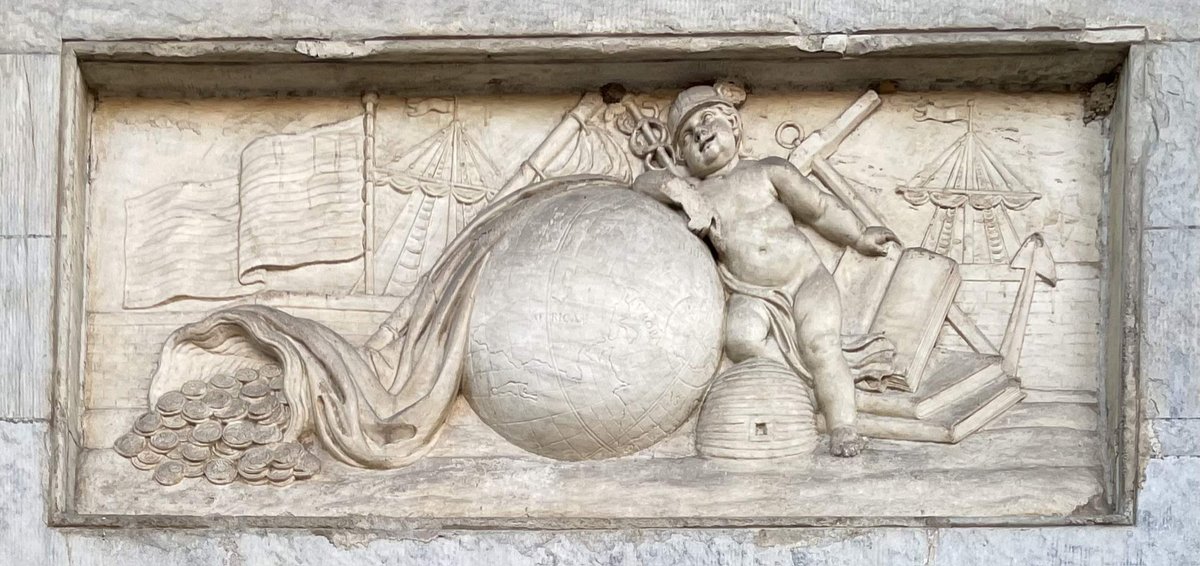
- Ornamentation: Carved cornucopias and oak branches, symbolizing abundance and strength
- Gateway Eagles: Further emphasizing federal symbolism
Visitor Experience and Photo Opportunities
- Best Photo Times: Morning and late afternoon light accentuates architectural details
- Interpretive Signage: Offers context about the building’s history and significance
- Guided Tours: Include stories of Hamilton, Stephen Girard, and the broader economic landscape of early America
Future Museum Development and Special Events
The First Bank will play a central role in the 2026 United States’ 250th anniversary, featuring special exhibits, events, and public programs. The museum’s innovative design—developed by Local Projects—will bring history to life with immersive environments and interactive storytelling (Local Projects).
Practical Tips
- Best Time to Visit: Spring and fall for pleasant weather; early or late in the day for fewer crowds and better photos
- Accessibility: Fully accessible exterior; interior accessibility upgrades upon reopening
- Combine with Other Sites: Easily visit Independence Hall, Liberty Bell, and Museum of the American Revolution in one trip
- Stay Informed: Check NPS and First Bank Philly for restoration updates and museum opening details
Frequently Asked Questions (FAQ)
Q: Is the First Bank open for interior tours in 2025?
A: No, the building is closed for restoration. The exterior is accessible; interior visits resume in 2026.
Q: Are tickets required?
A: No tickets are required for exterior viewing. Museum admission details will be announced before reopening.
Q: Are guided tours available?
A: Ranger-led walking tours include the First Bank as a stop; interior tours will be available after reopening.
Q: Is the site accessible for visitors with disabilities?
A: The exterior is wheelchair accessible; the museum will be fully ADA-compliant.
Q: Where can I find the latest updates?
A: Official updates are posted on the First Bank Restoration Project website and the NPS site.
Accessibility for International and Out-of-Town Visitors
Philadelphia International Airport (PHL) offers direct transit to Center City. The historic district is walkable, and multilingual resources are available at the Independence Visitor Center. Guided tours in multiple languages can often be arranged in advance.
Recommendations for a Memorable Visit
- Combine your First Bank visit with other Independence National Historical Park sites.
- Engage with park rangers and educational programs for deeper insights.
- Stay updated on the museum opening and 250th anniversary events via official websites.
- Capture the neoclassical façade and historic eagle pediment in your photos.
Summary and Final Tips
The First Bank of the United States is a cornerstone of Philadelphia’s historic landscape and a profound testament to America’s financial origins. As it undergoes its most significant transformation in two centuries, visitors can witness its exterior grandeur and look forward to its reopening as a premier museum in 2026. Plan your visit alongside other historic sites, make use of ranger-led tours, and follow official channels for the latest information on hours, tickets, and special events.
For more, visit the Independence National Historical Park website, the First Bank Restoration Project, and Local Projects.
Listen to the full story in the app
The whole First Bank Of The United States,
told well.
Audio guides for 1,100+ cities across 96 countries. History, stories, and local insight — offline ready.
Verified, and shown.
Researched and written by the Audiala editorial team from historical records, architectural archives, and local expertise.
Researched from Wikidata, Wikipedia & official sources · fact-checked · How we make our guides →