Plan and listen to Falls Bridge with Audiala.
Audio guide in your pocket, itinerary in your browser. Built for the way you actually visit.
Introduction
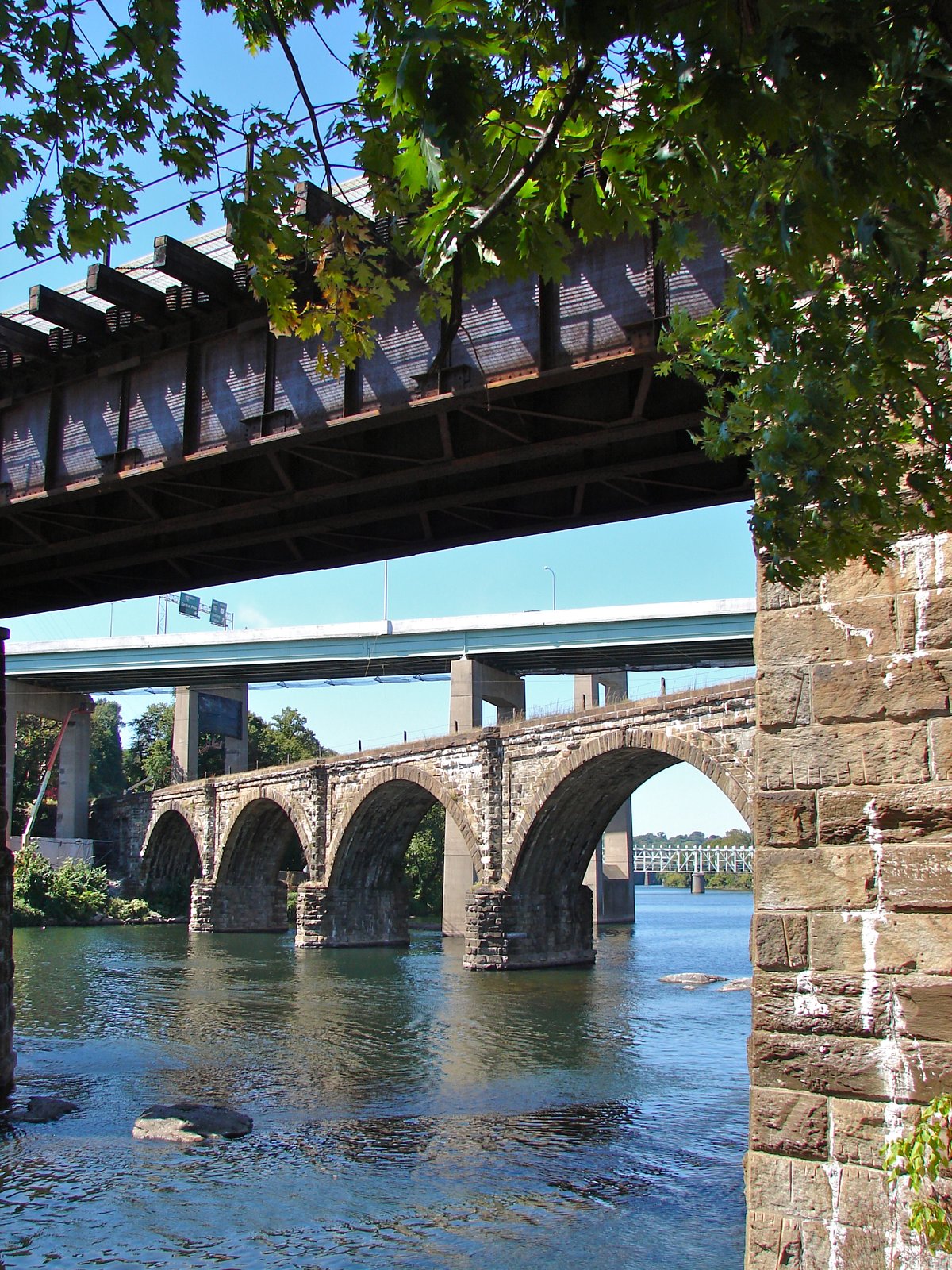
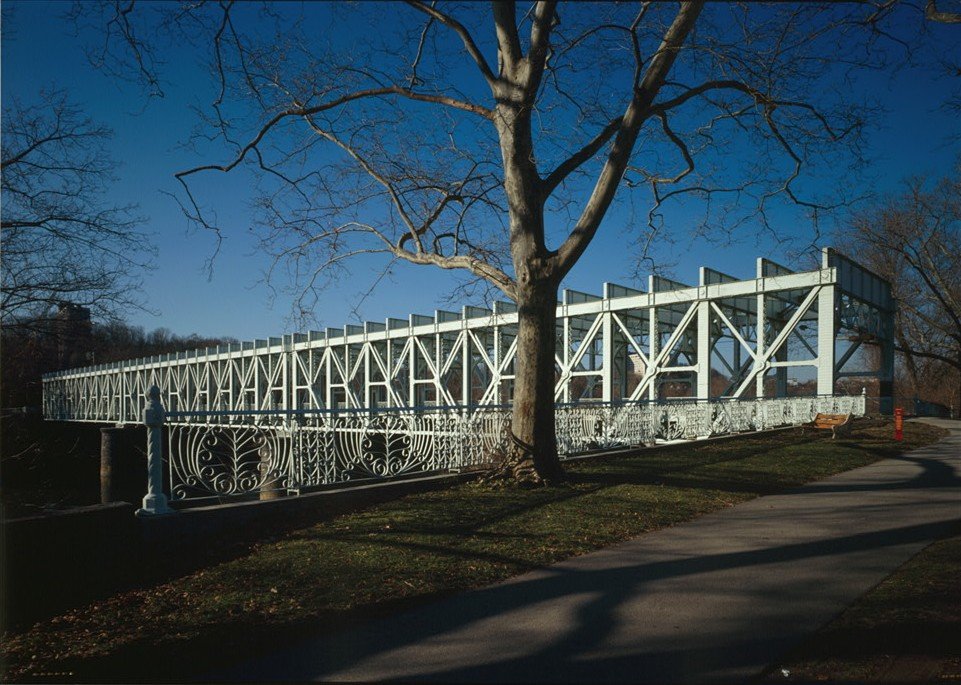
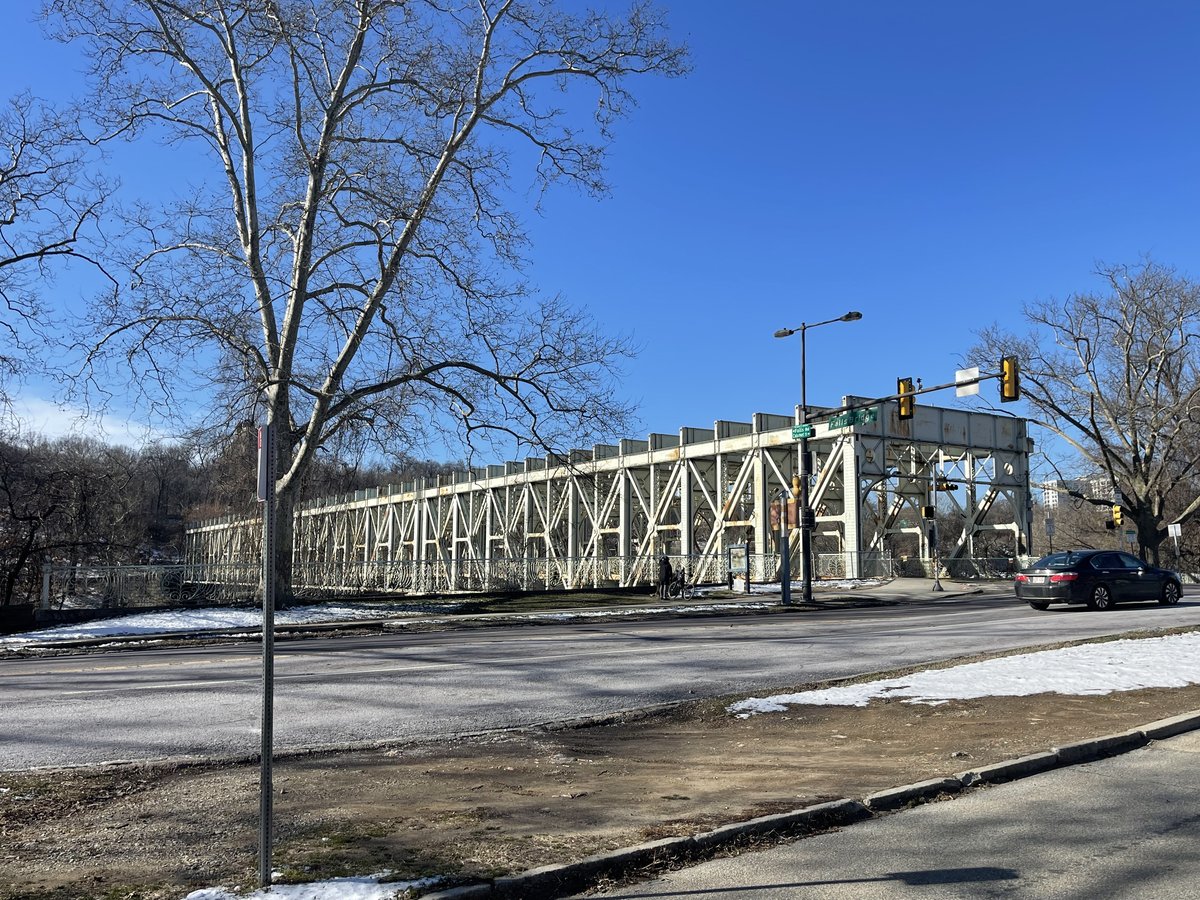
Planning a visit to the historic Falls Bridge in Philadelphia? This comprehensive guide will provide you with all the information you need to make the most of your trip. The Falls Bridge, a Pratt through-truss structure built between 1894 and 1895 by Filbert Porter & Co., is a marvel of late 19th-century engineering. Its rich history, marked by earlier wooden structures that succumbed to natural forces, underscores the resilience and ingenuity of its designers. Located in Fairmount Park, the bridge connects Kelly Drive at Calumet Street with West River Drive at Neill Drive, offering not only a functional crossing but also a glimpse into Philadelphia's industrial heritage (Workshop of the World, Historic Bridges). Whether you're interested in its historical significance, architectural features, or simply looking for a scenic spot to explore, this guide covers everything from visiting hours and accessibility to nearby attractions and photography tips.

History of Falls Bridge
Early Bridges and Their Demise
The history of the Falls Bridge in Philadelphia is marked by a series of earlier structures that succumbed to natural forces and engineering challenges. The first bridge, a covered wooden structure built in 1817, met a dramatic end when it was swept away by icy floodwaters in the winter of 1822 (Workshop of the World). Subsequent wooden bridges were constructed in 1829 and 1849, but these too were eventually destroyed by overloading and the harsh conditions of the Schuylkill River.
Construction of the Current Falls Bridge
The current Falls Bridge, a Pratt through-truss structure, was erected between 1894 and 1895 by Filbert Porter & Co. (Workshop of the World). This bridge was designed with a double-deck configuration in mind, although the upper deck was never built due to excessive costs and the need to displace existing structures. The bridge spans 600 feet in length and 40 feet in width, connecting Kelly Drive at Calumet Street with West River Drive at Neill Drive on the opposite side of the Schuylkill River. The stone masonry abutments and piers have stood the test of time, contributing to the bridge's longevity.
Engineering and Design
The Falls Bridge is a notable example of late 19th-century engineering. Its Pratt through-truss design is characterized by pin-connected joints and a secondary system of bracing, which provides additional stability (Historic Bridges). The bridge's overhead segments are exceptionally heavy, a feature that stems from the original double-deck design. This design also resulted in the bridge having massive members for its age, a factor that has likely contributed to its durability.
Historical Significance
The opening of the Falls Bridge in June 1895 was a significant event for Philadelphia, providing a much-needed link between the two sides of the river. The bridge was originally painted in flamboyant colors—buff, red, and white—which added to its visual appeal (Workshop of the World). The bridge's construction cost $262,000, a substantial sum at the time, especially when compared to the $102,000 cost of the City Avenue Bridge, which was longer but built with private funds (Workshop of the World).
Visitor Information
Visiting Hours and Tickets
The Falls Bridge is accessible to the public 24/7 with no admission fee. However, it's advisable to visit during daylight hours for safety and better viewing opportunities.
How to Get There
The Falls Bridge is conveniently located connecting Kelly Drive at Calumet Street with the West River Drive at Neill Drive. Public transport options include buses and nearby train stations, making it easy to reach.
Nearby Attractions
While visiting the Falls Bridge, you can explore nearby attractions such as Fairmount Park, the Philadelphia Museum of Art, and Boathouse Row.
Accessibility
The bridge and surrounding areas are accessible to visitors with disabilities, with paths and ramps available for easy navigation.
Modern-Day Relevance
Today, the Falls Bridge remains an active part of Philadelphia's transportation system. It continues to serve vehicular traffic and is a vital link in the city's infrastructure. The bridge's historical and engineering significance has been recognized by the Historic American Engineering Record, which conducted a detailed study of the bridge in 1998. This study includes line drawings of the proposed double-decker bridge and photographs taken during its construction (Historic Bridges).
Preservation Efforts
Efforts to preserve the Falls Bridge have been ongoing. The bridge is listed in the National Register of Historic Places, and various studies have been conducted to ensure its structural integrity and historical value are maintained. Current plans include lighting the bridge to enhance its aesthetic appeal and highlight its historical significance (Workshop of the World).
Visitor Experience
For visitors, the Falls Bridge offers not only a functional crossing but also a glimpse into Philadelphia's rich engineering history. The bridge's robust design and historical context make it a fascinating site for those interested in industrial heritage. The surrounding area, including Fairmount Park, provides additional attractions and scenic views, making a visit to the Falls Bridge a memorable experience.
Frequently Asked Questions
Q: What are the visiting hours for the Falls Bridge? A: The Falls Bridge is open to the public 24/7.
Q: Is there an admission fee to visit the Falls Bridge? A: No, visiting the Falls Bridge is free of charge.
Q: Are there guided tours available for the Falls Bridge? A: Currently, there are no official guided tours, but the historical markers and plaques provide valuable information.
Listen to the full story in the app
The whole Falls Bridge,
told well.
Audio guides for 1,100+ cities across 96 countries. History, stories, and local insight — offline ready.
Verified, and shown.
Researched and written by the Audiala editorial team from historical records, architectural archives, and local expertise.
Falls Bridge
Falls Bridge
Falls Bridge Weather Information
MLK Drive Open April 1
MLK Drive Trail
Falls Bridge, Philadelphia
Falls Bridge
2024 in Philly: The Biggest Events, Festivals, Exhibitions So Far
Top Things to Do in August in Philadelphia
Researched from Wikidata, Wikipedia & official sources · fact-checked · How we make our guides →