
Early Water Supply Challenges in Philadelphia
In the late 18th and early 19th centuries, Philadelphia’s water supply relied on a patchwork of public and private wells, often contaminated by proximity to privy pits. These conditions led to outbreaks of waterborne diseases and widespread public concern (ASCE). Benjamin Franklin advocated for a gravity-driven aqueduct from Wissahickon Creek, but only as the city’s population outgrew these rudimentary systems did officials pursue a municipal solution.
Construction and Origins of Fairmount Water Works
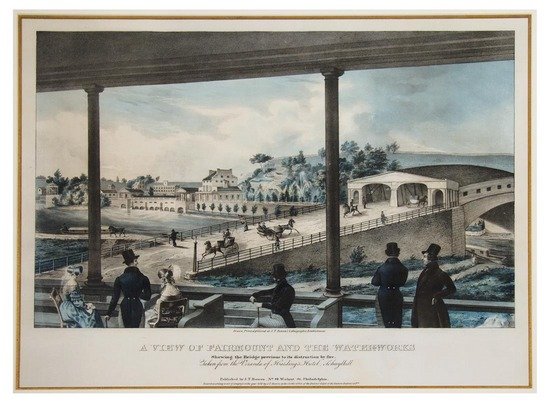
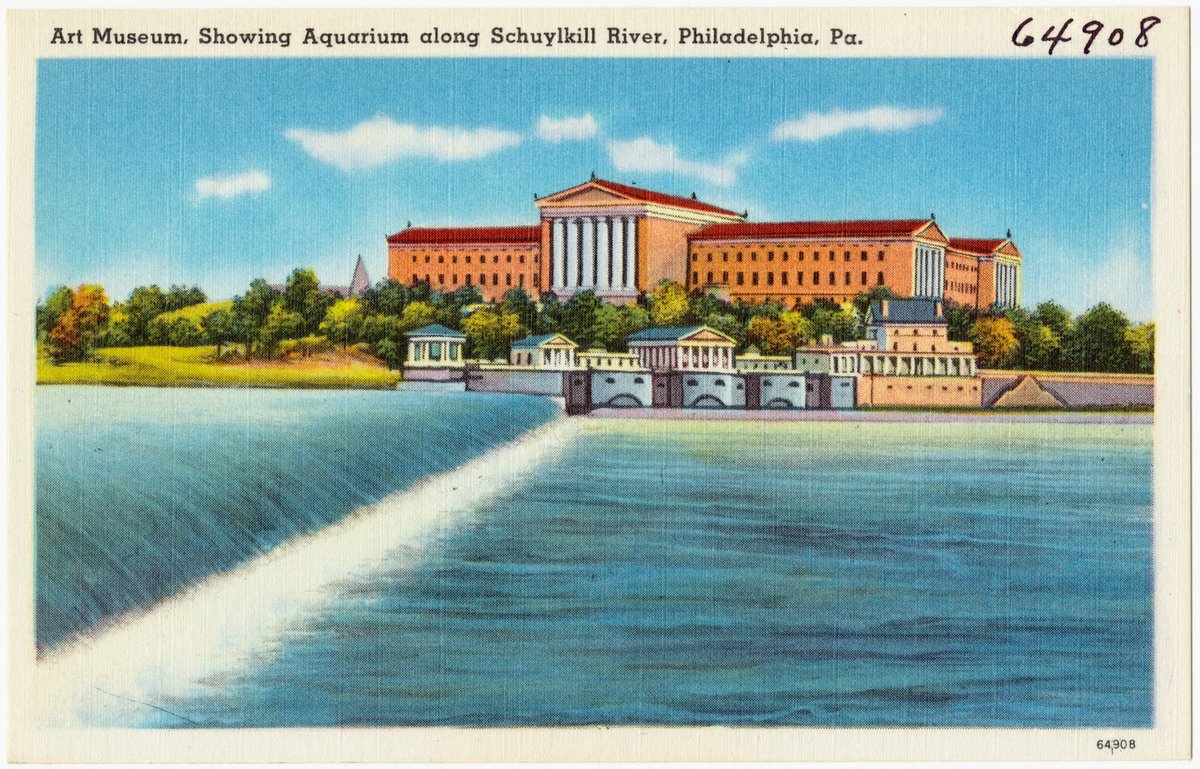
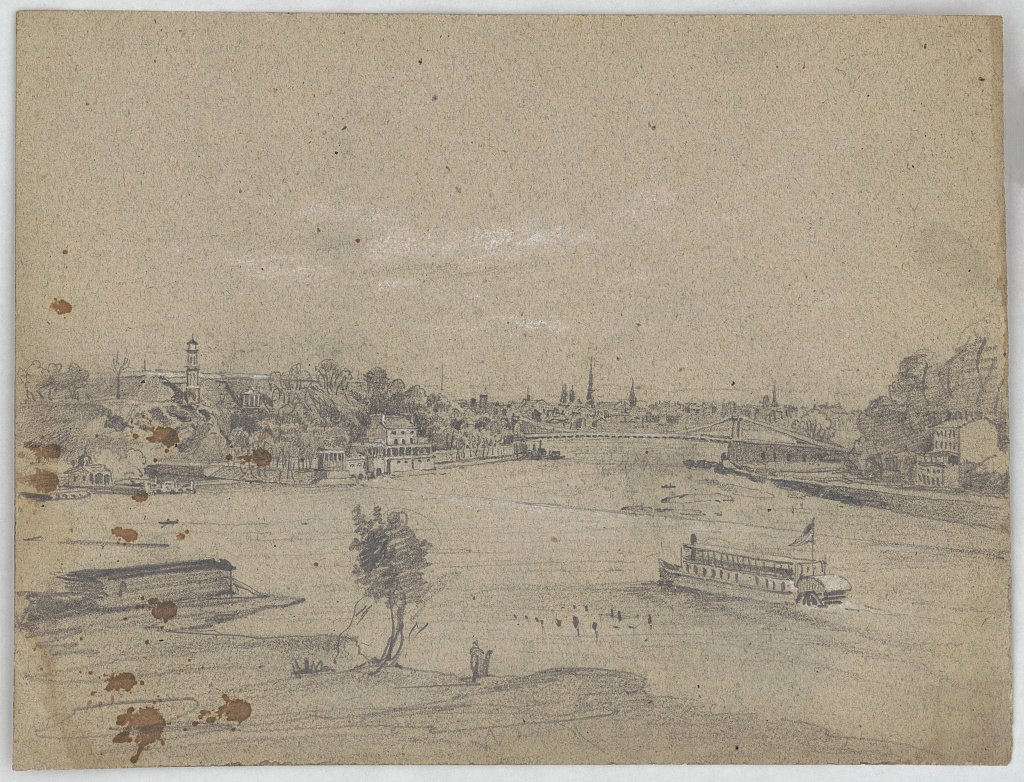
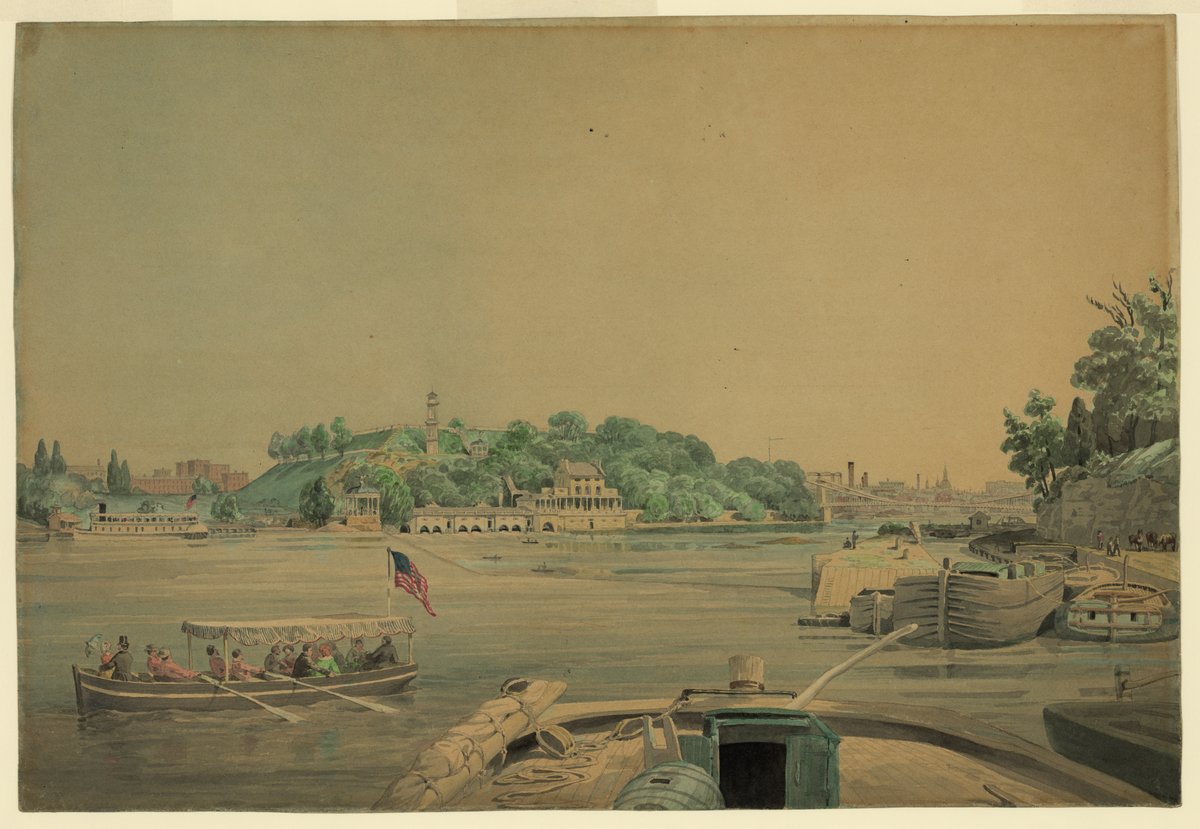
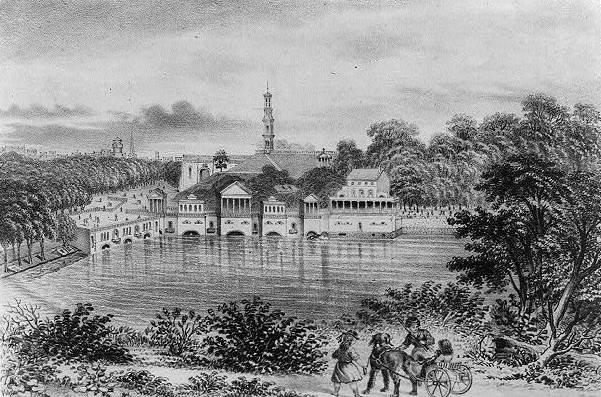
Recognizing the urgent need for a reliable water supply, city engineers selected the Schuylkill River as the source. Under the leadership of Frederick Graff, construction began in 1812 at the base of Faire Mount. The original infrastructure, completed in 1815, included a pump house that lifted river water to a reservoir atop the hill—now home to the Philadelphia Museum of Art (Billy Penn). The project was partly funded through the sale of water shares and offered free public hydrants as a civic benefit.
Architectural and Engineering Significance
Design and Style
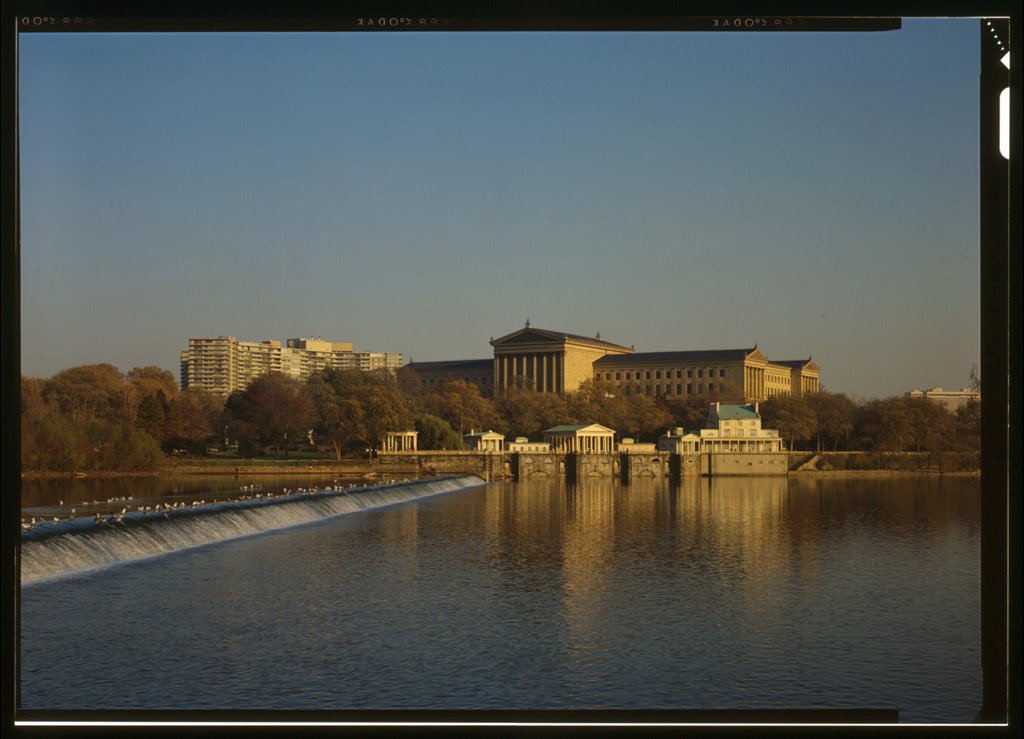
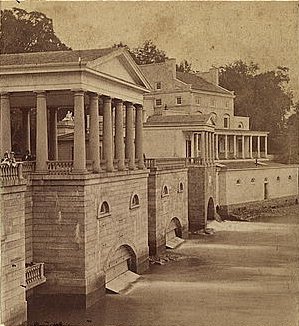
Fairmount Water Works is a masterpiece of Greek Revival civic architecture, conceived by Frederick Graff. Its temple-like pump houses, Doric columns, and colonnaded facades were designed to elevate utility to monumentality, masking industrial functions behind elegant forms (Philadelphia Beautiful; Lonely Planet). White marble, symmetrical pavilions, and riverfront terraces made the Water Works a focal point of Philadelphia’s landscape (pabook.libraries.psu.edu).
Engineering Innovations
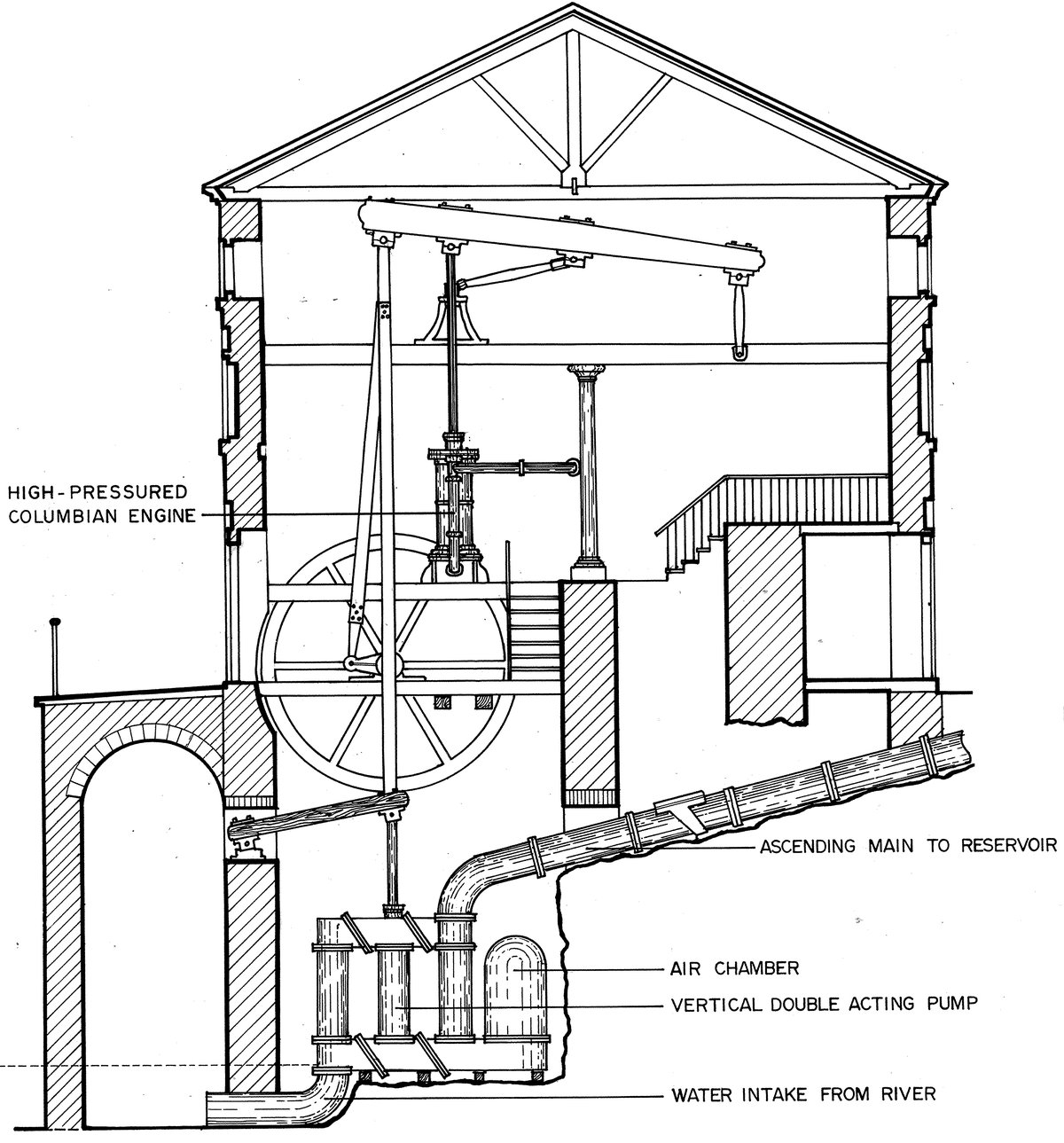
The Water Works pioneered the use of paddle wheels (later Jonval turbines) for municipal water pumping, a breakthrough in American engineering (Wikipedia). The system included a 3-million-gallon reservoir, steam engines, and a dam channeling water into the mill house (Philadelphia Beautiful). Transitioning to water wheels in 1822 reduced operational costs and noise, and by the 1840s, eight wheels provided more than 5 million gallons of water daily (pabook.libraries.psu.edu).
Integration with Landscape
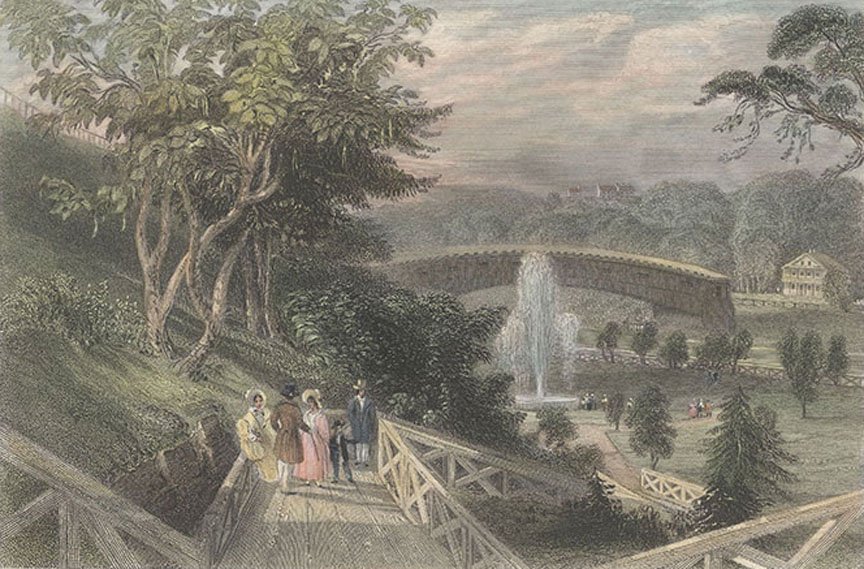
Formal gardens, walking paths, and gazebos transformed the utilitarian complex into a public destination. This fusion of architecture, engineering, and landscape design inspired future park systems and elevated the Water Works’ reputation as both a civic utility and a recreational haven (pabook.libraries.psu.edu).
Impact on Urban Development
The Fairmount Water Works was the first major municipal water supply system in the United States, setting a model for urban infrastructure (ASCE). Its creation spurred the expansion of Fairmount Park and the establishment of the Fairmount Park Commission in 1855, ensuring the protection of the city’s water source and green spaces (Billy Penn).
The Water Works also became a global attraction, drawing praise from figures like Charles Dickens and Mark Twain, who admired its technological and aesthetic achievements (Billy Penn).
Decline and Adaptive Reuse
By the late 19th century, industrial pollution and advances in water treatment rendered the Water Works obsolete. It ceased operation in 1909 and was later repurposed as the Philadelphia Aquarium (1911-1962), one of the nation’s earliest public aquariums. Following periods of neglect and limited use, restoration efforts began in earnest in the late 20th century (Billy Penn).
Modern Restoration and Community Engagement
Designated a National Historic Landmark in 1976 and a Historic Civil Engineering Landmark a year earlier, the Water Works underwent significant restoration. In 2003, it reopened as the Fairmount Water Works Interpretive Center, dedicated to environmental education and urban watershed awareness (ASCE; Billy Penn; Schuylkill Banks).
The center features interactive exhibits, a demonstration mussel hatchery, hands-on workshops, and temporary art installations (Water Museums Network). Community partnerships support river clean-ups, educational outreach, and environmental stewardship (6ABC).
Visiting Hours, Ticketing, and Accessibility
- Visiting Hours The interpretive center is generally open Wednesday through Sunday, 11:00 AM to 5:00 PM. Hours may vary seasonally or for special events—check the official website for updates.
- Tickets Admission is typically free. Select events, workshops, or tours may require tickets or reservations.
- Accessibility The site is ADA-accessible, with ramps, elevators, and accessible restrooms.
- Location 640 Waterworks Drive, Philadelphia, PA 19130. Accessible by public transit, bike, or car (limited parking).
Special Events, Tours, and Photographic Spots
- Guided Tours Scheduled tours are available, providing insight into the site’s history, architecture, and environmental mission.
- Events Regular programming includes speaker series, family activities, art installations, and riverfront festivals (Preservation Alliance).
- Photo Opportunities The riverside setting, historic facades, and landscaped gardens offer outstanding photographic backdrops.
Related Philadelphia Historical Sites
Enhance your trip by visiting nearby sites:
- Philadelphia Museum of Art Iconic museum and home of the "Rocky Steps."
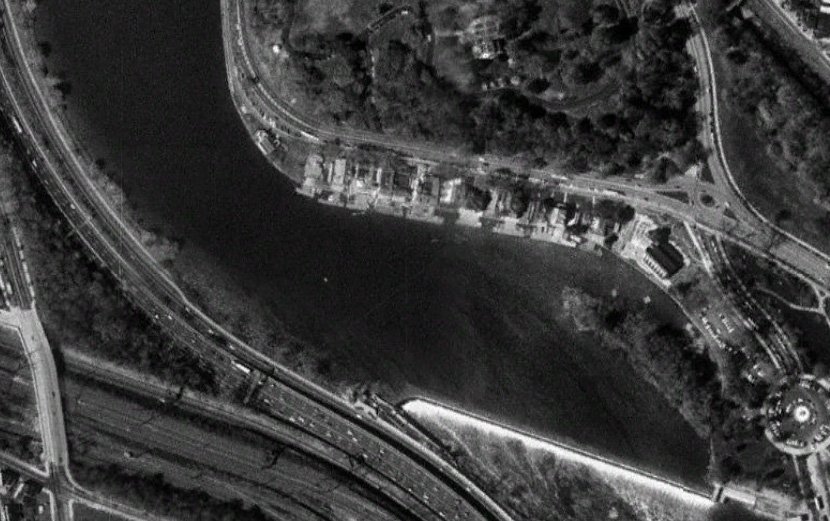
- Boathouse Row Historic boathouses, beautifully illuminated at night.
- Fairmount Park Expansive urban park with trails and recreation opportunities (Philadelphia Beautiful).
- Smith Memorial Playground & Playhouse Family-friendly attraction (Discover PHL).
For more on Philadelphia’s historical landmarks, see our related posts.
Frequently Asked Questions (FAQ)
Q: What are Fairmount Water Works visiting hours?
A: Generally Wednesday to Sunday, 11:00 AM to 5:00 PM. Confirm on the official website.
Q: Is there an admission fee?
A: Admission is usually free; special events may require tickets.
Q: Are guided tours available?
A: Yes. Check availability in advance.
Q: Is the site accessible for people with disabilities?
A: Yes, the site is ADA-accessible.
Q: Can I combine my visit with other attractions?
A: Yes, the Water Works is adjacent to the Philadelphia Museum of Art and Boathouse Row.
Q: Is parking available?
A: Limited parking is available; public transit and biking are recommended.
Q: Are pets allowed?
A: Pets are permitted in outdoor areas on a leash; not inside the interpretive center.
Summary of Key Points and Visitor Recommendations
Fairmount Water Works exemplifies early American innovation in public infrastructure and remains a beacon of architectural elegance and civic pride. Its transformation from a municipal water supply system to an environmental education hub reflects Philadelphia’s continued commitment to sustainability and community engagement. With free admission, accessible facilities, and a wealth of interactive exhibits, it is an enriching destination for visitors of all backgrounds.
Before visiting, check the latest hours and event details on the official website. Consider guided tours for an in-depth experience and explore nearby historical sites to immerse yourself in Philadelphia’s vibrant heritage. Download the Audiala app for audio tours and updates, and follow Fairmount Water Works on social media for event announcements and educational resources.