
Origins and Early Development
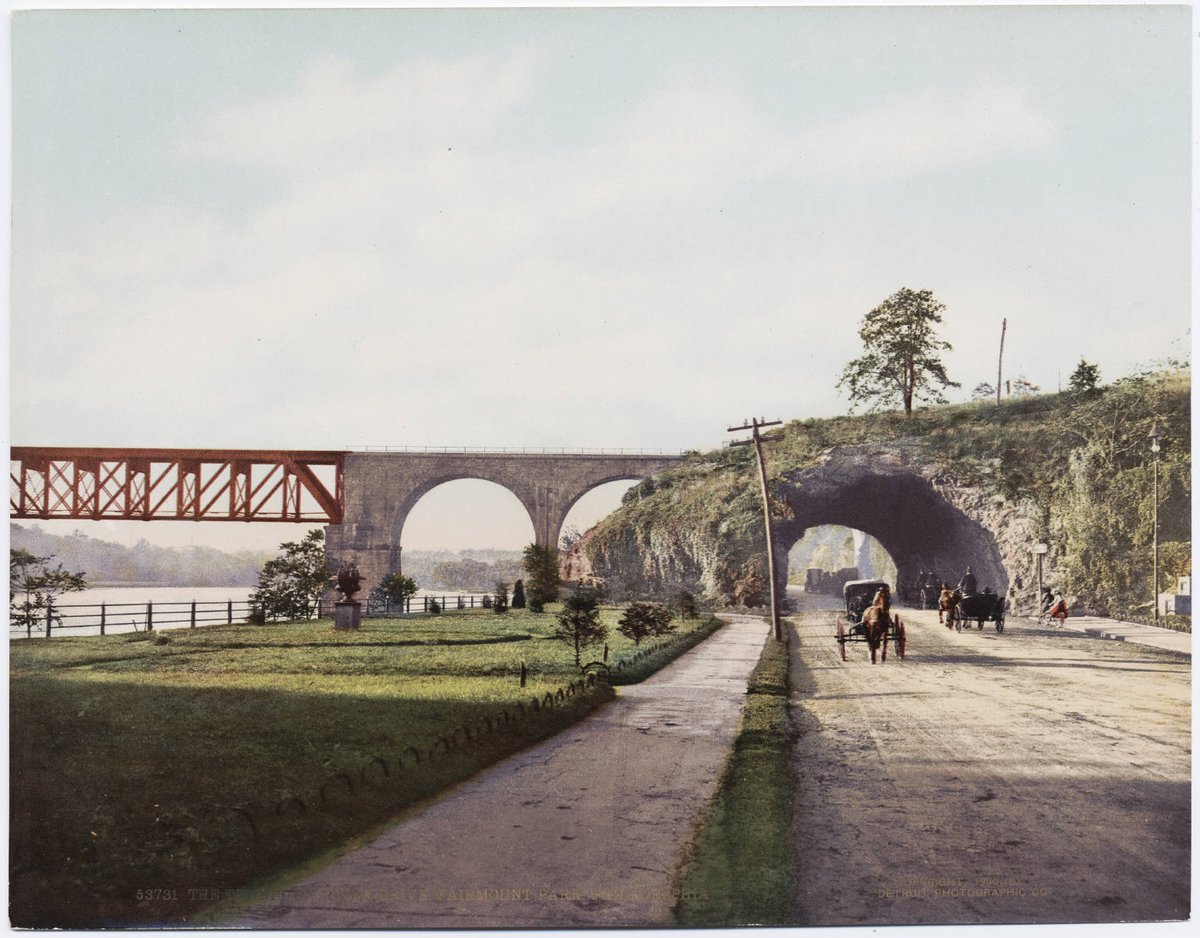
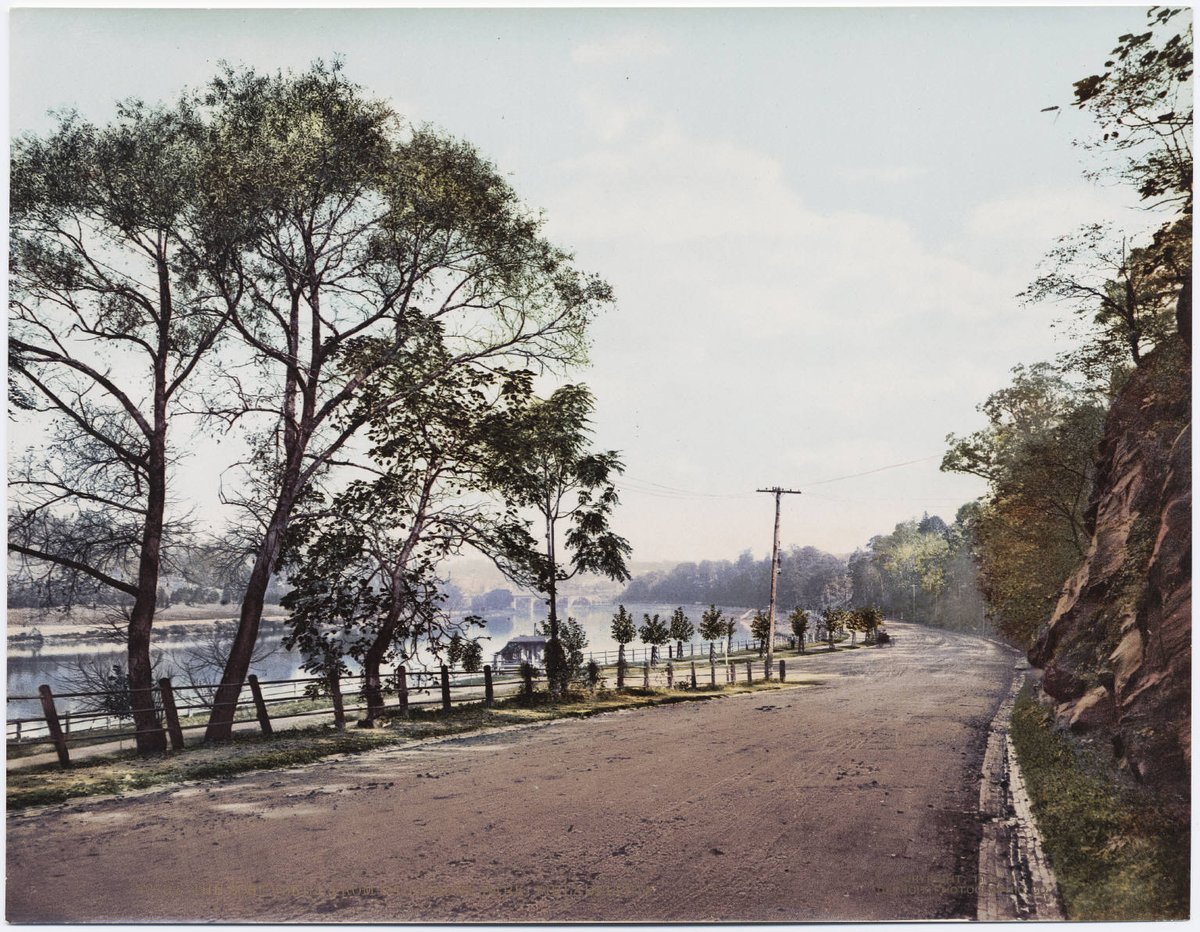
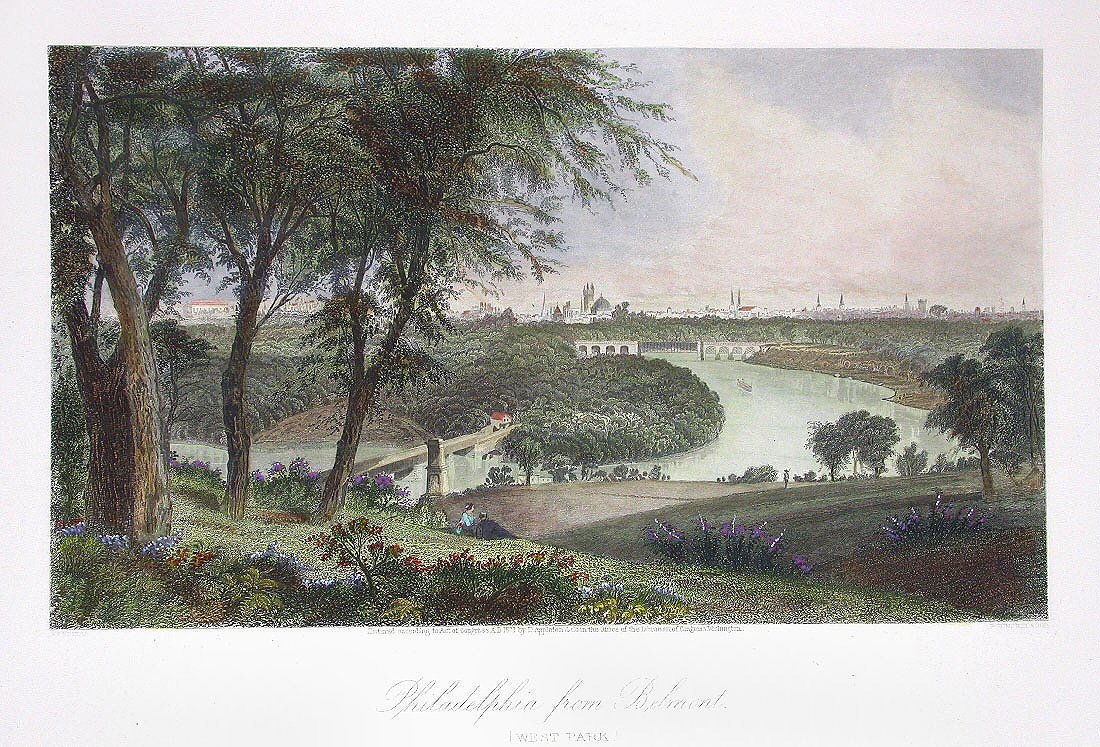
Fairmount Park’s roots lie in Philadelphia’s 19th-century efforts to secure clean water and green space for its rapidly growing population. The construction of the Fairmount Water Works (1812–1822) on the Schuylkill River established the initial nucleus. Recognizing the importance of protecting this water source, city leaders began acquiring land, starting with Lemon Hill in 1844. In 1855, Fairmount Park was formally established as a public park dedicated to both recreation and the preservation of the city’s water supply (Fairmount Park Historic Resource Archives).
System Expansion and the Centennial Exposition
The Fairmount Park Commission, founded in 1867, oversaw a significant expansion, incorporating estates, woodlands, and riverside areas into a vast park system. A defining moment in the park’s history was the 1876 Centennial Exposition, the first official World’s Fair in the U.S., which brought global attention and lasting infrastructure to the park, including the Centennial Arboretum and the Ohio House (Centennial Arboretum; Fairmount Park Conservancy).
Architectural Heritage and Historic Houses
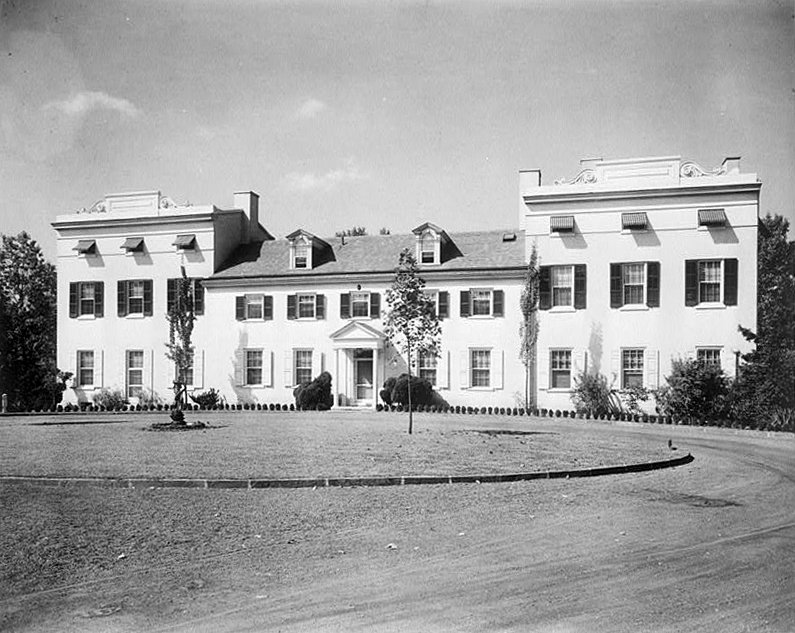
Fairmount Park is renowned for its collection of historic mansions, known as the “Charms of Fairmount Park.” These 18th and 19th-century estates—Cedar Grove, Laurel Hill, Lemon Hill, Strawberry Mansion, Mount Pleasant, and Woodford—were originally summer retreats for prominent families. Today, these preserved houses serve as museums, offering insights into Philadelphia’s colonial and early American history (Historic Houses of Fairmount Park; Historic Strawberry Mansion).
20th Century Modernization
The 20th century brought new amenities and infrastructure to Fairmount Park, including bridges, playgrounds, athletic fields, and cultural venues like the Strawberry Mansion Music Pavilion and the East Park Canoe House. The Belmont Pumping Station (1869) and Strawberry Mansion Bridge (1897) further connected and modernized the park (Strawberry Mansion Music Pavilion; Belmont Pumping Station).
Preservation and Stewardship
In 2010, park management was consolidated under Philadelphia Parks & Recreation. The Fairmount Park Conservancy, founded in 1998, has since driven restoration, capital projects, and community engagement, partnering with organizations to preserve the park’s natural and historic assets (Fairmount Park Conservancy).
Cultural and Civic Significance
The City Beautiful Movement
Fairmount Park exemplifies the City Beautiful movement’s ideals, integrating grand boulevards, scenic vistas, and monumental architecture to uplift civic life and promote public health (associationforpublicart.org; lostinphiladelphia.com).
Public Art and Museums
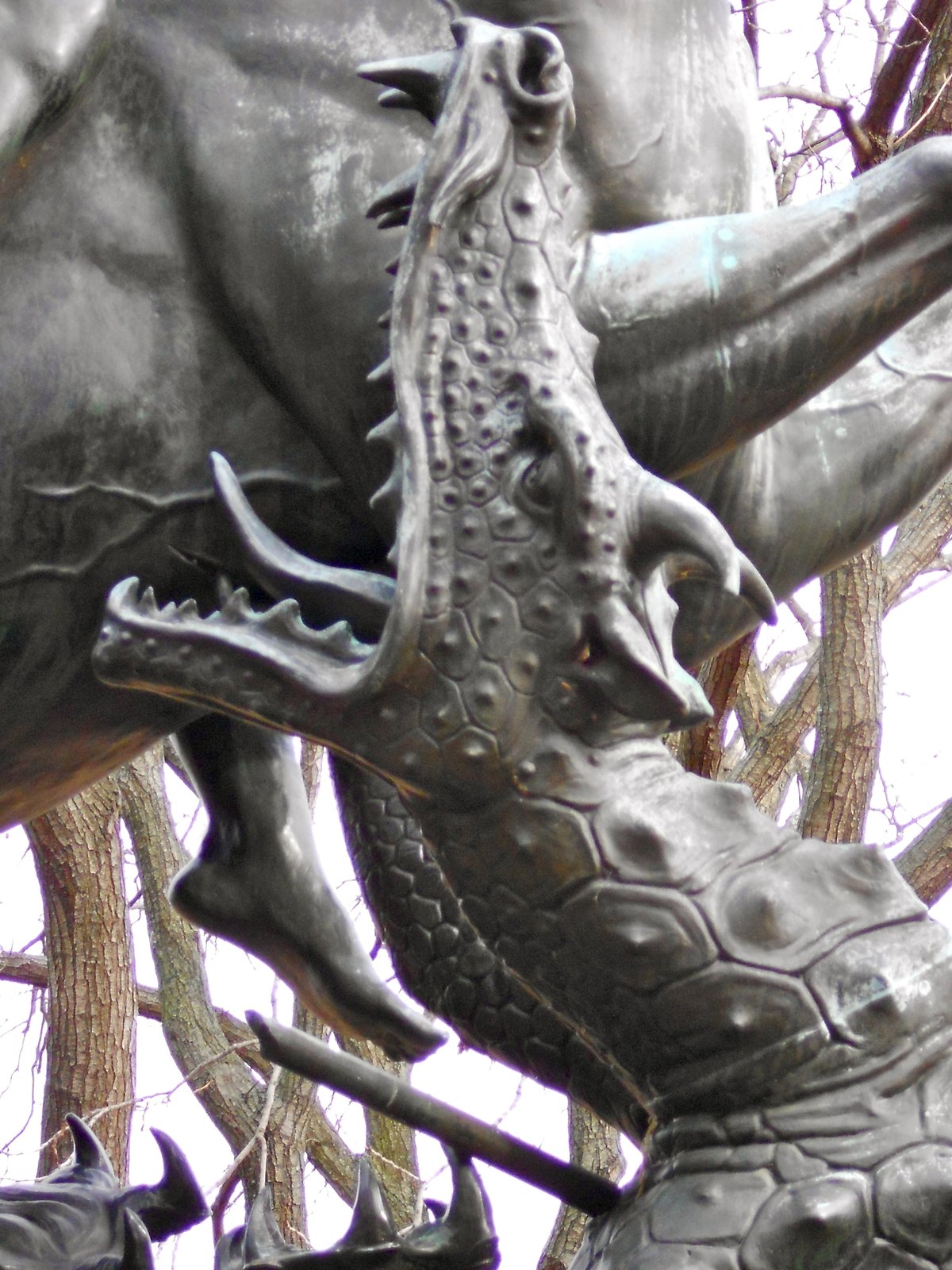
The park is home to one of the nation’s largest collections of outdoor sculpture, managed by the Association for Public Art. Major institutions like the Philadelphia Museum of Art and the Please Touch Museum (housed in Memorial Hall) anchor the park’s cultural landscape. The Shofuso Japanese House and Garden adds international flair, while the Smith Memorial Playground offers family-centered fun (philadelphiabeautiful.com).
Festivals and Community Impact
Fairmount Park serves as a hub for major events, including summer concerts at The Mann Center, the Roots Picnic, and seasonal festivals like the Cherry Blossom Festival at Shofuso. These gatherings celebrate Philadelphia’s diversity and civic spirit (visitphilly.com).
Environmental and Recreational Value
Green Space and Biodiversity
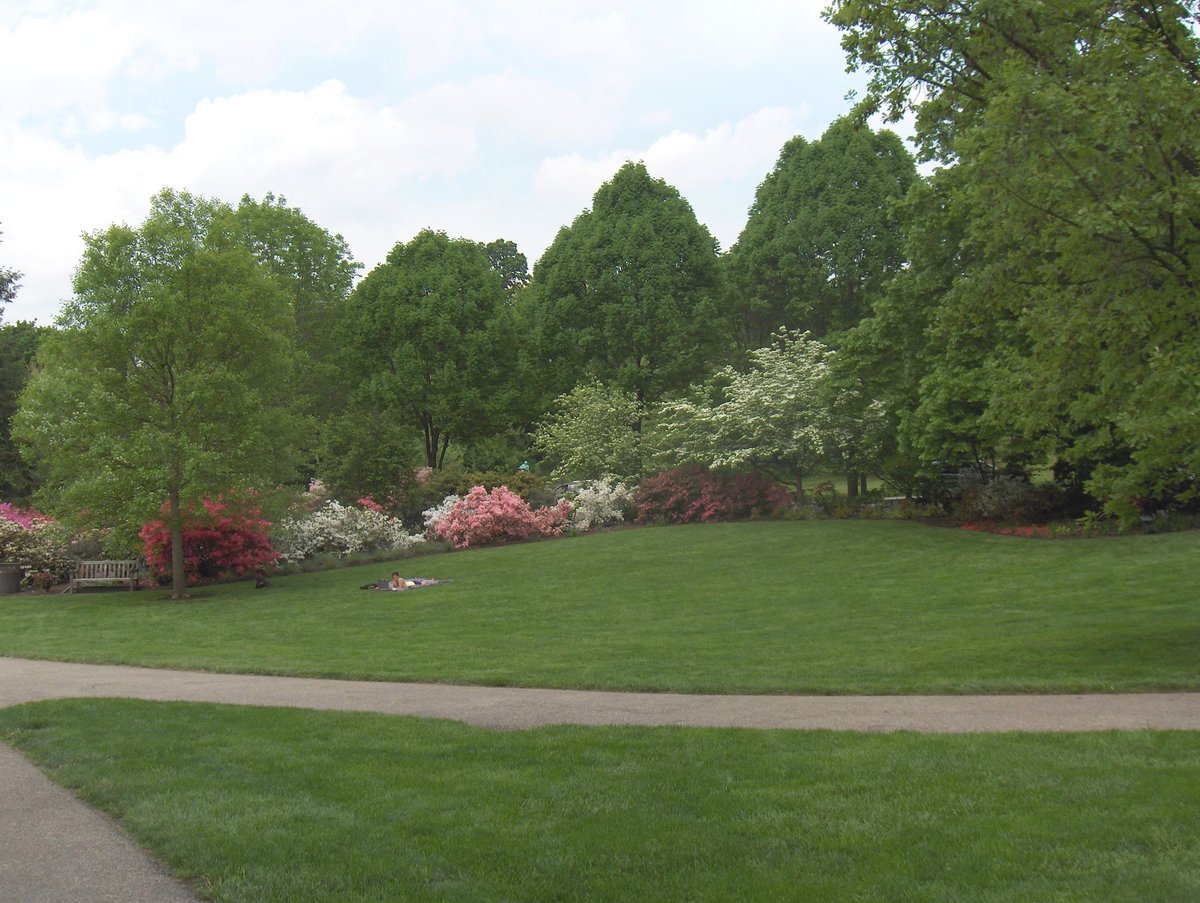
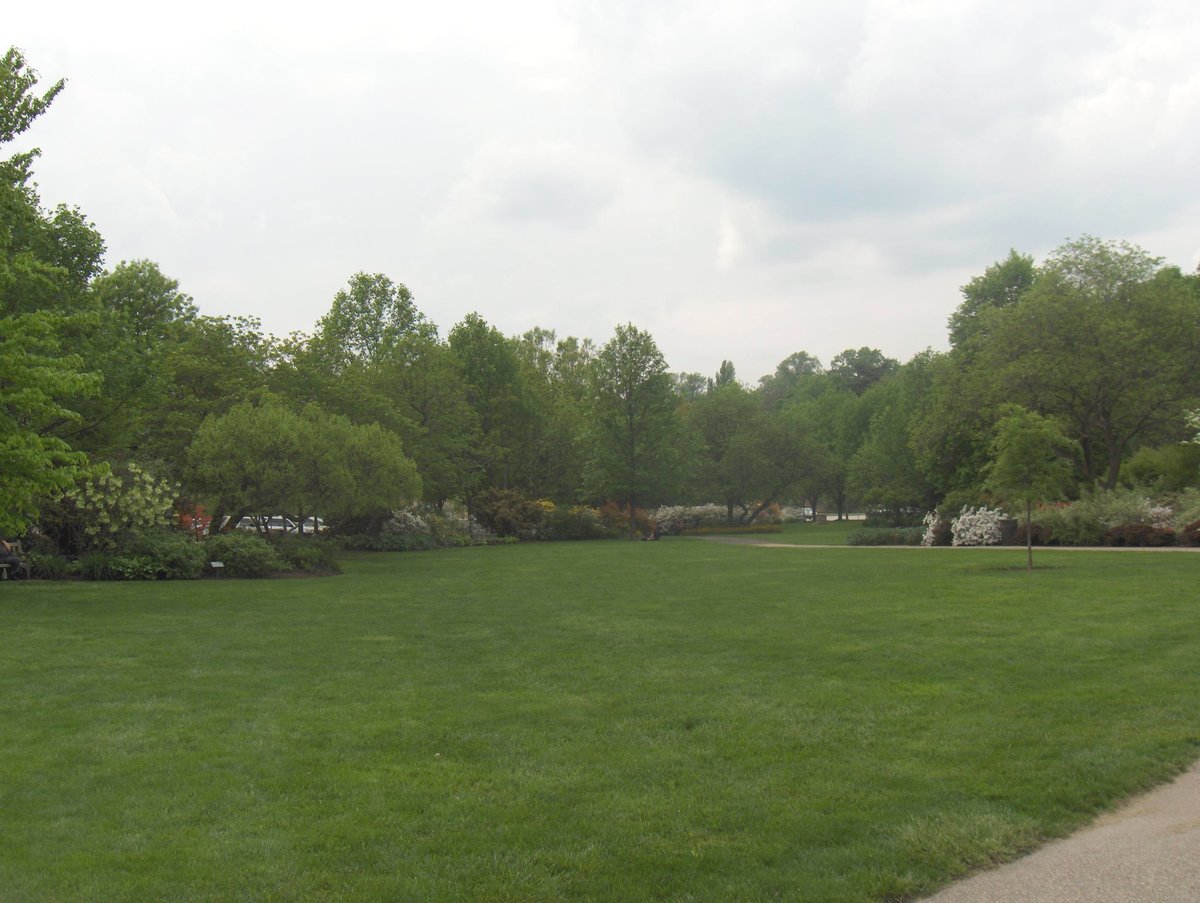
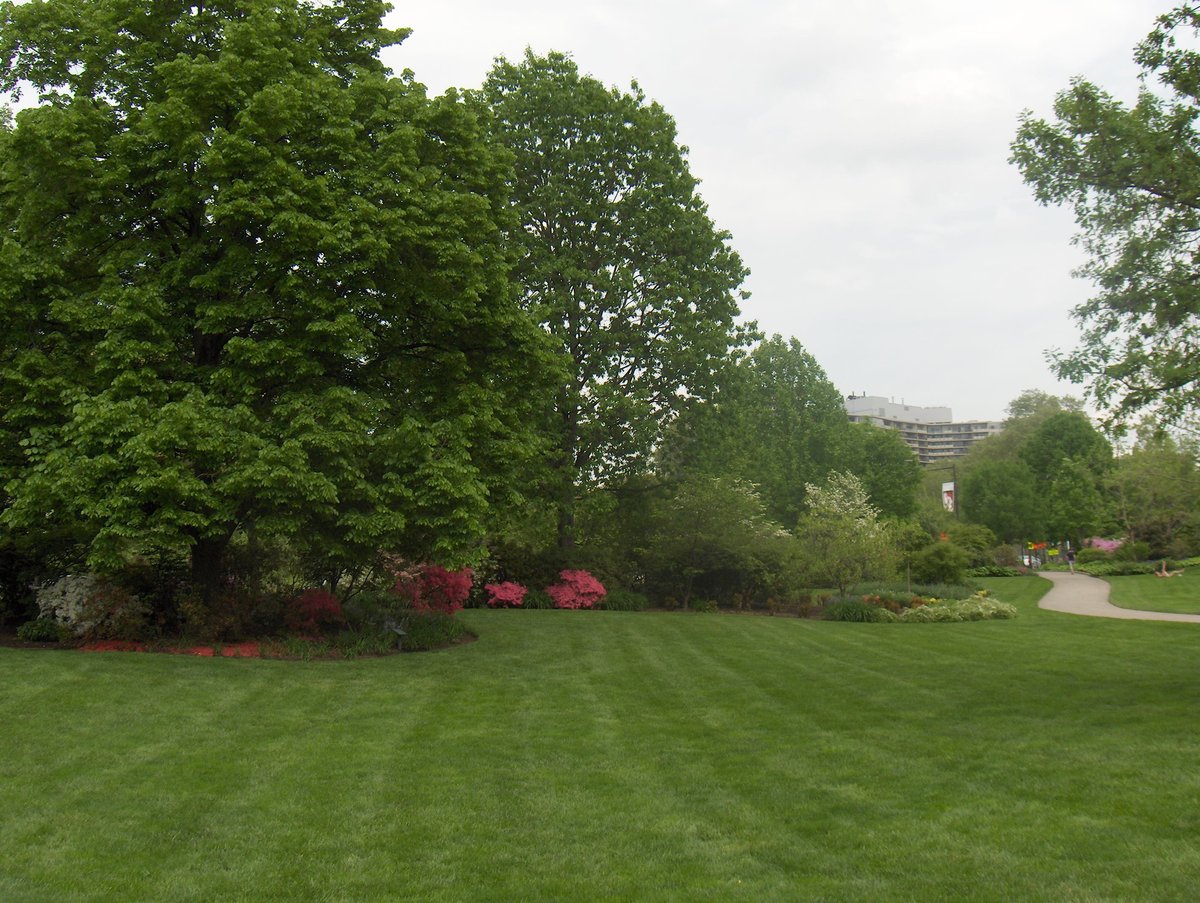
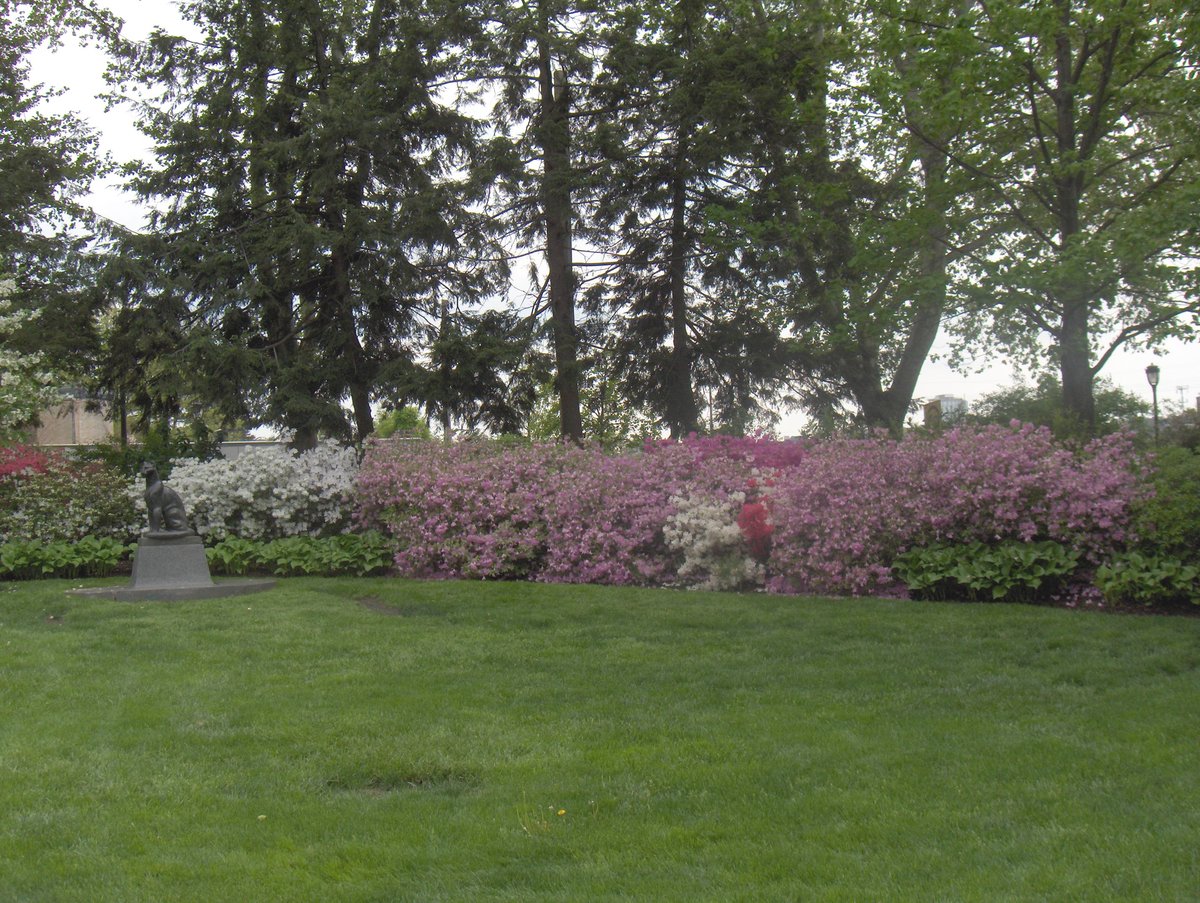
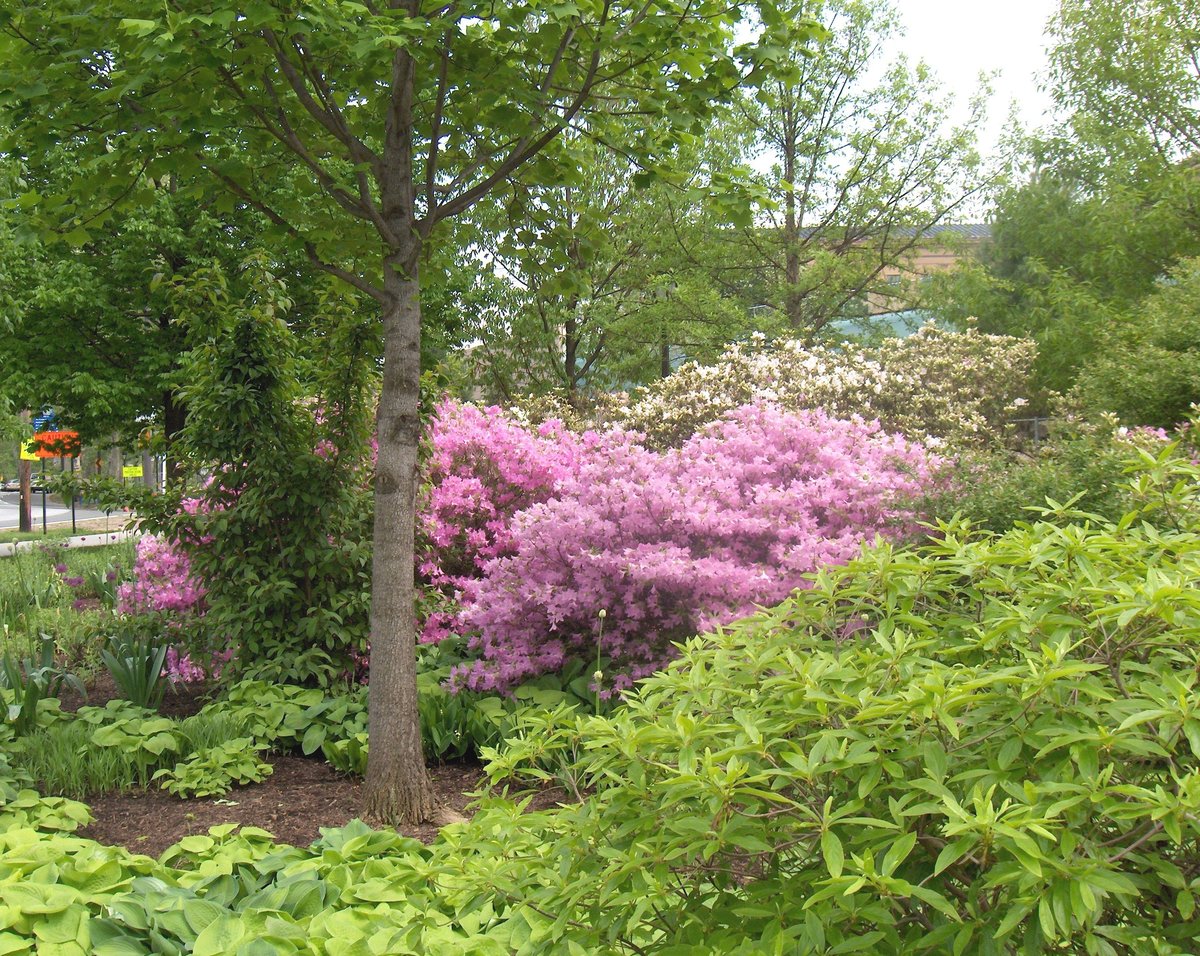
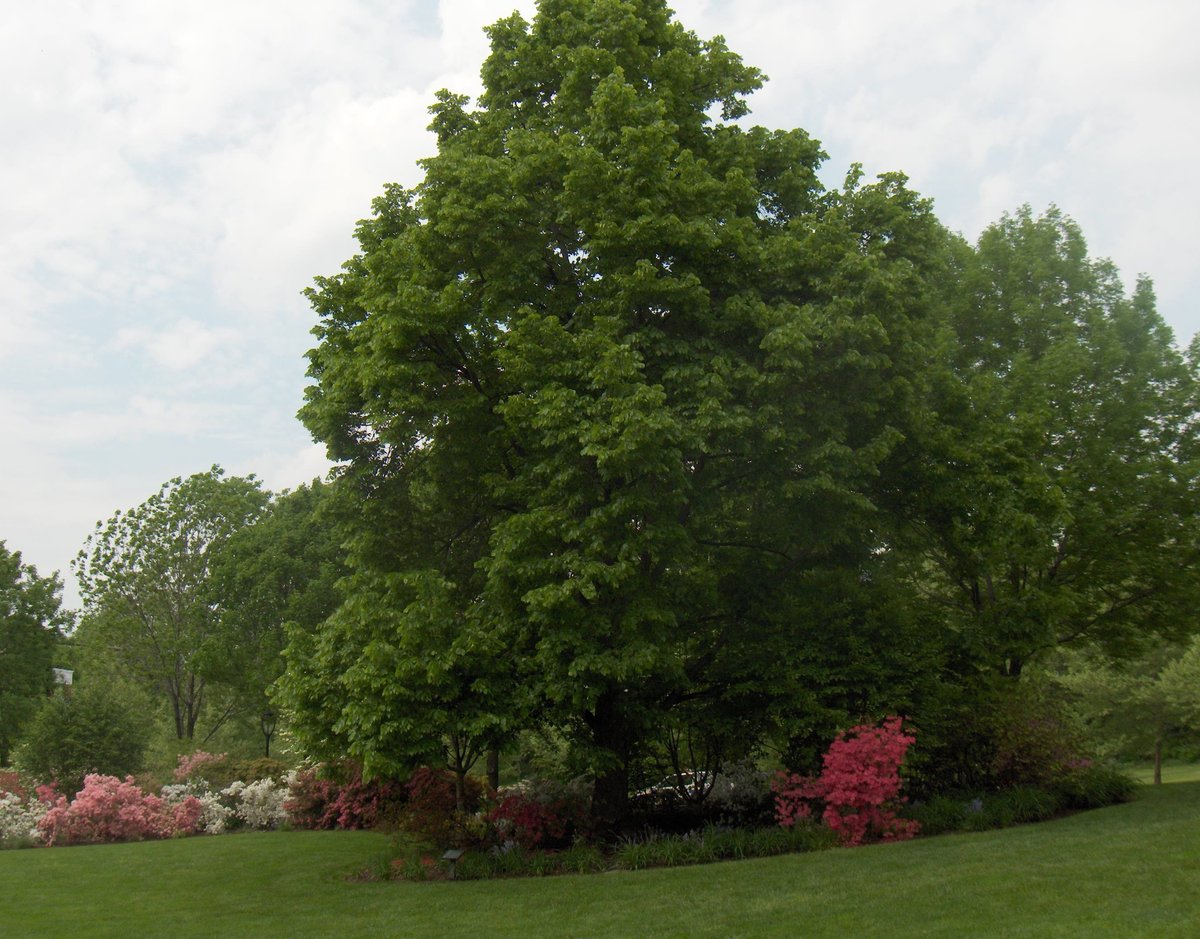
Spanning over 2,000 acres, Fairmount Park is a critical urban ecosystem, with woodlands, meadows, wetlands, and riverbanks supporting diverse wildlife. The park’s design provides essential ecosystem services and recreational opportunities (associationforpublicart.org; lostinphiladelphia.com).
Outdoor Activities
Visitors can enjoy 63 miles of trails for walking, running, hiking, and biking—highlighted by the Schuylkill River Trail and the Wissahickon Valley’s rugged paths. Belmont Plateau is a favorite picnic and sports spot, and the park supports rowing, equestrian activities, and nature walks (philadelphiabeautiful.com).
Practical Visitor Information
Visiting Hours and Admission
- Park Hours Daily from sunrise to sunset.
- Admission Park entry is free. Tickets are required for some attractions (see below).
Attractions Requiring Tickets
- Philadelphia Museum of Art: $25 adults; discounts available.
- Shofuso Japanese House and Garden: Modest admission fee.
- Historic Mansions: Nominal fee for guided tours.
- Please Touch Museum: Admission required.
- The Mann Center: Concert and event tickets required.
Check official websites for current prices and schedules, especially during special events.
Getting There and Parking
- Public Transit SEPTA buses and trolleys (e.g., Route 38, Route 15) serve the park. Regional rail connections via 30th Street Station.
- Parking Free and metered lots are available near main attractions; lots fill during events, so early arrival or public transit is recommended. ADA parking is available at select locations.
Accessibility
Major park paths and attractions are wheelchair accessible, and ADA parking is provided. Some historic mansions and rugged trails may have limited access. No mobility aid rentals are available onsite.
Visitor Tips and Safety
- Best Times to Visit Spring and fall for mild weather and beautiful scenery; summer for events (expect crowds); winter for peaceful walks.
- Safety The park is generally safe, but use standard urban precautions, especially after dark.
- Rules Smoking and alcohol are prohibited except at permitted events. Pets must be leashed.
Amenities
- Restrooms Available at main attractions and event venues.
- Food Seasonal vendors, food trucks, and nearby neighborhood restaurants.
- Lodging Hotels are located within a short drive or transit ride, especially near Center City and Parkway.
Iconic Landmarks and Features
- Philadelphia Museum of Art Iconic steps and world-class collections (visitphilly.com).
- Shofuso Japanese House and Garden Traditional architecture and gardens (philadelphiabeautiful.com).
- Boathouse Row Historic Victorian boathouses along the Schuylkill River.
- Historic Mansions Mount Pleasant, Cedar Grove, Belmont Mansion (travelwithlolly.com).
- The Mann Center Outdoor concerts and festivals (visitphilly.com).
- Wissahickon Valley Park 50+ miles of trails in a natural gorge.
- Smith Memorial Playground Beloved play space for children.
- Horticulture Center Greenhouse, butterfly garden, and arboretum.
Frequently Asked Questions (FAQ)
Q: What are Fairmount Park’s visiting hours?
A: Open daily from sunrise to sunset.
Q: Is there an entrance fee?
A: Park entry is free; some attractions require tickets.
Q: Is Fairmount Park accessible for people with disabilities?
A: Many paths and attractions are accessible; ADA parking is available.
Q: Where can I park?
A: Parking lots near major attractions; fills quickly during events.
Q: Are guided tours available?
A: Yes, at select historic sites and museums. Check sites for schedules.
Q: Are pets allowed?
A: Yes, leashed pets are welcome.
Summary and Travel Tips
Fairmount Park is a cornerstone of Philadelphia’s identity, offering a dynamic blend of natural landscapes, historic architecture, and cultural experiences. The park’s evolution—from a water protection initiative to a celebrated urban oasis—reflects the city’s civic pride and forward-thinking stewardship. Visitors should review updated hours, ticket requirements, and event calendars for a seamless experience. Public transit and biking are recommended for easy access, especially during major events. Download the Audiala app and follow park channels for the latest updates and travel tips (Fairmount Park Historic Resource Archives; associationforpublicart.org; Fairmount Park Conservancy; visitphilly.com).