Plan and listen to Ebenezer Maxwell House with Audiala.
Audio guide in your pocket, itinerary in your browser. Built for the way you actually visit.
Introduction to Ebenezer Maxwell House and Its Historical Significance
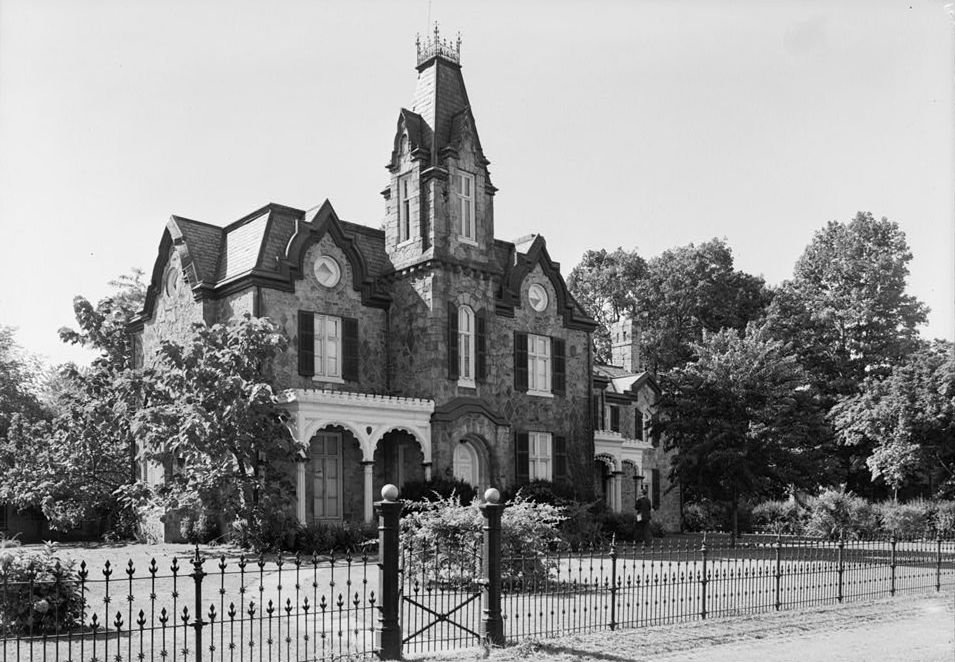
Located in Philadelphia’s historic Germantown neighborhood, the Ebenezer Maxwell Mansion is a premier example of Victorian Gothic Revival architecture and an enduring cultural landmark. Constructed in 1859 for Ebenezer Maxwell, a prosperous cloth merchant, the mansion reflects the aspirations, technological innovations, and upward mobility of Philadelphia’s 19th-century middle class. Today, it serves as one of the city’s few authentically restored Victorian house museums, offering visitors an immersive experience through its detailed interiors, period furnishings, and meticulously maintained gardens.
This guide provides comprehensive information for visitors, including current visiting hours, ticketing options, accessibility accommodations, guided tours, and special programming. It also highlights the mansion’s architectural significance within the Tulpehocken Station Historic District—a unique Victorian suburban enclave shaped by the expansion of Philadelphia’s railroads.
Whether you’re a history enthusiast, architecture lover, or a family seeking an educational outing, the Ebenezer Maxwell Mansion offers a unique window into Victorian Philadelphia’s domestic life and rich social history. For the latest details, always consult the official Ebenezer Maxwell Mansion website and the Library of Congress Historic American Buildings Survey.

History and Cultural Significance
The Ebenezer Maxwell Mansion is a vivid testament to the aspirations and daily life of Philadelphia’s Victorian-era middle class. Its construction in the 1850s coincided with the city’s first major suburban housing boom, facilitated by the expansion of the railroad and the rise of commuter neighborhoods like Germantown (Library of Congress). Commissioned by Ebenezer Maxwell and designed by Joseph C. Hoxie (with later work by Samuel Sloan), the mansion became both a symbol of social mobility and an architectural showpiece within the Tulpehocken Station Historic District.
Inside, the mansion is restored to reflect different decades of the Victorian era: the first floor evokes the 1860s, while the second floor represents the later 19th century. Visitors find authentic or reproduction furnishings, locally made decorative arts, and evidence of the era’s rapid technological advances, such as central heating, indoor plumbing, and gas lighting. These features not only brought comfort but also signaled the family’s embrace of modernity (American Heritage; CBS News).
Architectural Style and Historical Context
Exterior Design
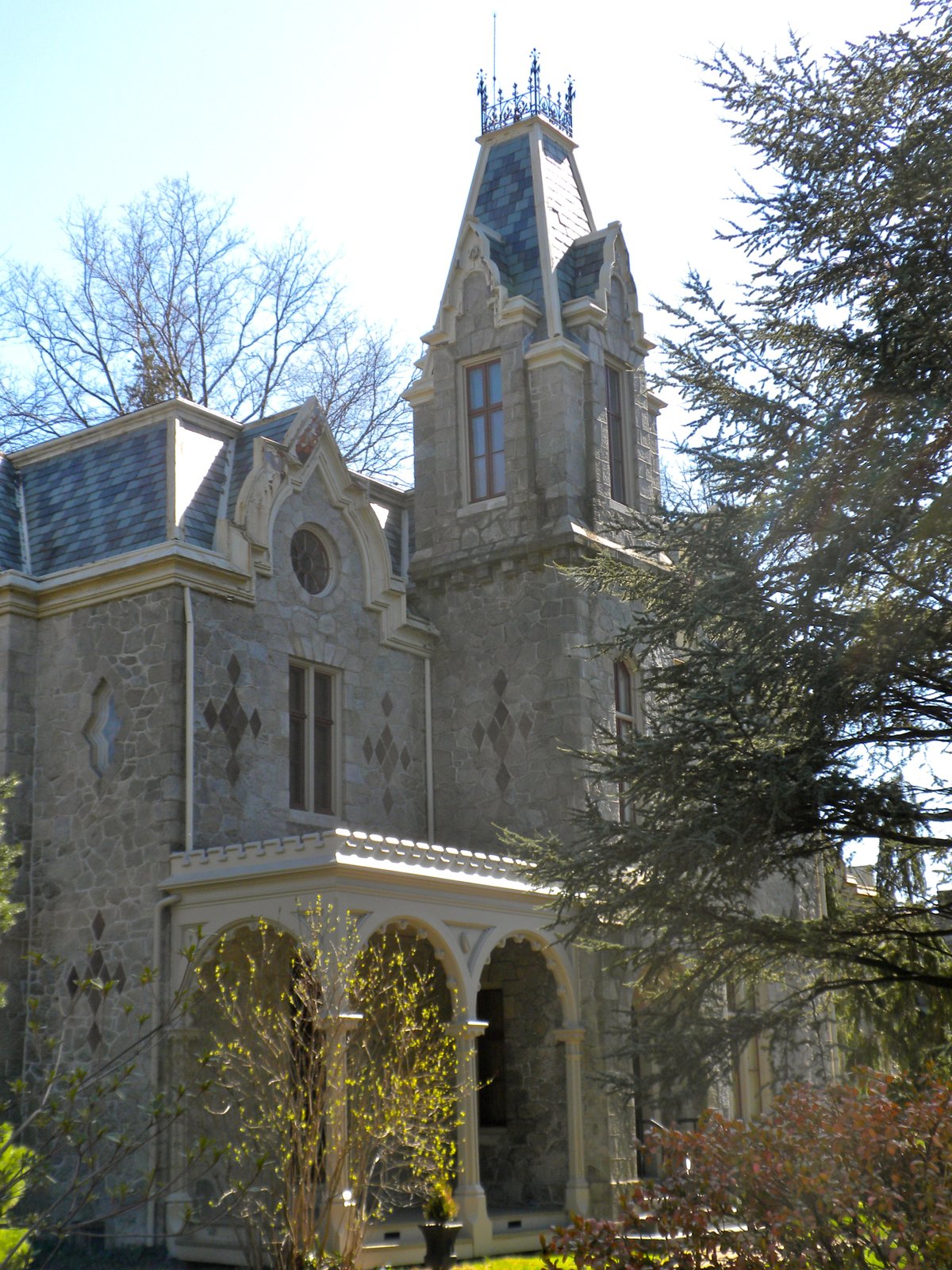
The Ebenezer Maxwell Mansion is a striking example of Victorian Gothic Revival, distinguished by its:
- Masonry Construction: Built from local Wissahickon schist, providing durability and regional character.
- Steep Gabled Roofs: Multiple steeply pitched gables, a hallmark of the Gothic Revival.
- Ornamental Bargeboards: Intricately carved woodwork along the eaves.
- Tall, Narrow Windows: Often with pointed Gothic arches.
- Wraparound Porch: Supported by slender columns with decorative brackets, offering an inviting outdoor space.
These elements collectively create a picturesque silhouette that exemplifies the romantic ideals of the era (Historic American Buildings Survey).
Interior Layout and Ornamentation
The mansion’s interior merges aesthetic refinement with functional Victorian design:
- Central Hall Plan: Rooms radiate from a main corridor, balancing privacy and sociability.
- High Ceilings and Large Windows: Create a sense of space and invite natural light.
- Ornate Woodwork and Plasterwork: Includes carved newel posts, mantels, door surrounds, and decorative ceiling medallions.
- Period Furnishings: Authentic or reproduction Victorian pieces illustrate domestic life.
- Technological Innovations: Early examples of indoor plumbing, gas lighting, and central heating.
Innovations and Restoration
Early Technological Advancements
At its inception, the mansion incorporated advanced features for its time:
- Indoor Plumbing and Running Water
- Central Heating (likely via coal stoves)
- Gas Lighting
The kitchen also showcases mechanical labor-saving devices such as apple peelers and coffee grinders, reflecting the influence of the Industrial Revolution on domestic life (American Heritage).
Restoration and Preservation
By the late 20th century, the mansion faced demolition. Community-driven advocacy and fundraising saved it, leading to extensive restoration spearheaded by the Germantown Historical Society and Ebenezer Maxwell Mansion, Inc. Efforts focused on:
- Structural Stabilization and Masonry Repairs
- Recreation of Decorative Elements: Woodwork, stained glass, and plaster restored to historical standards.
- Accurate Color Schemes: Determined by paint analysis.
Today, the mansion is maintained as a museum and community asset (Chestnut Hill Local).
Visitor Information
Hours and Days of Operation
- General Hours: Thursday to Saturday, 12:00 p.m. – 4:00 p.m. (April 17 – December 6; check the official site for seasonal updates)
- Guided Tours: Offered during open hours; group tours by appointment
Ticket Prices and How to Purchase
- Adults: $10
- Seniors (65+): $8
- Students (with ID): $6
- Children under 12: Free
- Purchase Options: Tickets can be bought online via the Ebenezer Maxwell Mansion website or at the door (subject to availability).
Accessibility
- The mansion offers accessible entrances and facilities on the main floor and gardens.
- Some areas may remain challenging due to historic architecture; contact the museum in advance for specific needs.
Travel Tips
- Parking: Limited on-street parking nearby.
- Public Transportation: Accessible via SEPTA bus routes; plan ahead for special events.
- Photography: Policies vary by area; ask staff for current guidelines.
Guided Tours and Special Events
Guided tours, often led by costumed interpreters, provide in-depth insight into the house’s history, architecture, and Victorian social customs. The calendar also features Victorian-themed events, theater productions, musical evenings, hands-on workshops, and annual fundraisers such as the gala (Chestnut Hill Local). Seasonal celebrations and educational programs cater to visitors of all ages.
Architectural Significance in Context
Representation of Victorian Ideals
The mansion’s verticality, ornamentation, and use of local materials express Victorian values of moral refinement, stability, and historical connection.
Influence on Suburban Development
As an early residence in the Tulpehocken Station Historic District, the house exemplifies how railroad expansion fostered affluent suburban neighborhoods and shaped Philadelphia’s urban landscape (National Register of Historic Places).
Preservation and Educational Value
The Ebenezer Maxwell Mansion is one of Philadelphia’s few surviving high-style Victorian homes, serving as an invaluable resource for historians, architects, and the public. Its museum function and programming foster ongoing community engagement and learning.
Visitor Insights: Architectural Highlights
When visiting, pay special attention to:
- Wissahickon Schist Masonry: Connects the mansion to the local environment.
- Gothic Windows and Carved Bargeboards: Exemplary Gothic Revival features.
- Wraparound Porch: Offers both architectural detail and picturesque views.
- Interior Woodwork and Plaster: Restored staircases, mantels, and decorative ceilings.
- Period Furnishings: Authentic touches that enhance historical accuracy.
Gardens and Outdoor Spaces
The mansion’s gardens are a highlight, featuring Victorian-era plantings such as heritage roses and lilacs. These spaces host outdoor events, gardening workshops, and offer tranquil settings for visitors and photographers.
Social Gatherings and Community Traditions
Annual galas and community events, such as the Valentine’s Day-themed fundraiser, foster strong neighborhood ties and celebrate Victorian heritage. These traditions blend historical authenticity with contemporary engagement.
Nearby Attractions and Experiences
Enhance your visit by exploring:
- Cliveden House: Revolutionary War site and museum.
- Germantown Avenue: Historic corridor with shops, cafes, and eateries.
- Other Historic Houses: Wyck House, Johnson House Museum, Upsala Mansion, and Grumblethorpe.
Frequently Asked Questions (FAQ)
Q: What are the current visiting hours?
A: Thursday to Saturday, 12:00 p.m. – 4:00 p.m. (April–December). Check the official website for updates.
Q: How do I purchase tickets?
A: Buy online or at the door; advance booking is recommended, especially for events.
Q: Is the mansion wheelchair accessible?
A: The main floor and gardens are accessible. Contact the museum for specific accommodations.
Q: Are guided tours available?
A: Yes, guided tours are offered during open hours; group tours require prior arrangement.
Q: Can I take photographs?
A: Policies vary; please consult staff.
Q: Is parking available?
A: On-street parking is available but can be limited during events.
Listen to the full story in the app
The whole Ebenezer Maxwell House,
told well.
Audio guides for 1,100+ cities across 96 countries. History, stories, and local insight — offline ready.
Verified, and shown.
Researched and written by the Audiala editorial team from historical records, architectural archives, and local expertise.
Researched from Wikidata, Wikipedia & official sources · fact-checked · How we make our guides →