Plan and listen to Congress Hall with Audiala.
Audio guide in your pocket, itinerary in your browser. Built for the way you actually visit.
Introduction
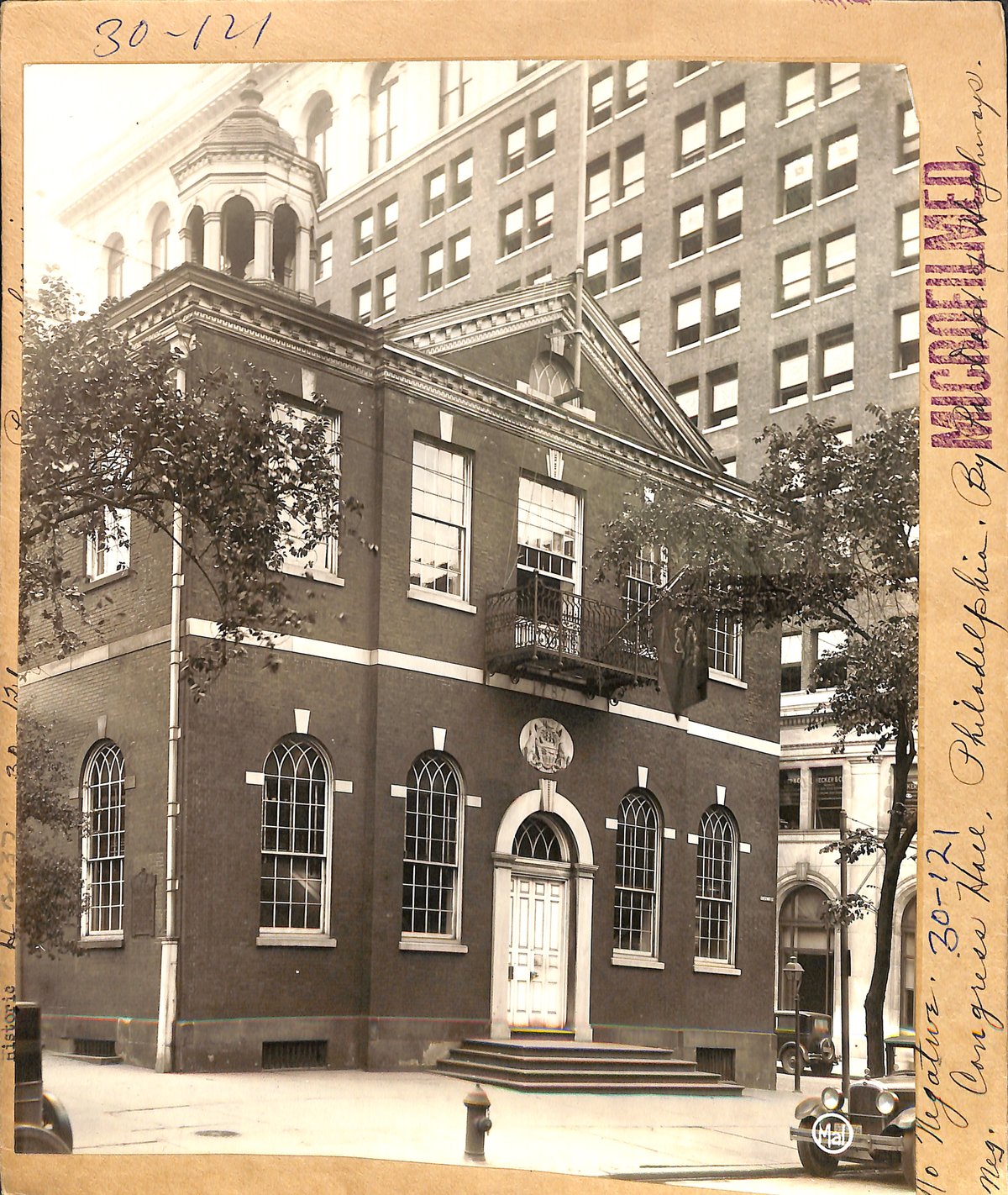
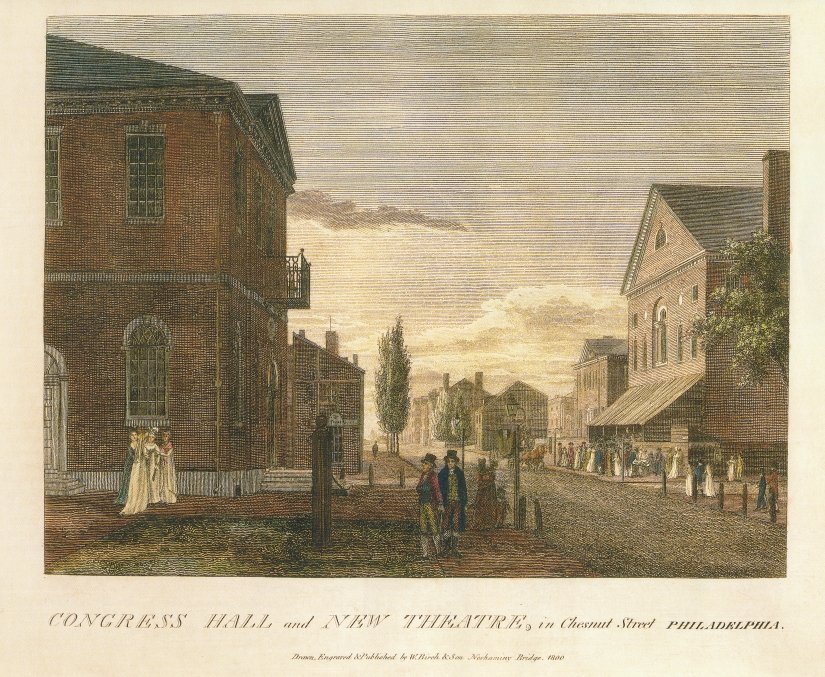
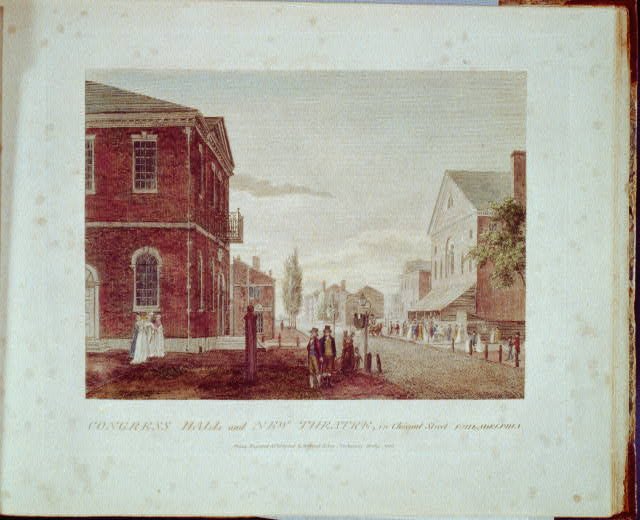
Located at the historic corner of 6th and Chestnut Streets in Philadelphia, Congress Hall stands as a landmark of early American democracy. Once the meeting place of the United States Congress from 1790 to 1800, this Georgian-style building bore witness to pivotal moments such as the ratification of the Bill of Rights and the peaceful presidential transition from George Washington to John Adams. Today, Congress Hall is preserved within Independence National Historical Park and offers visitors a chance to walk through the birthplace of foundational American ideals (The Constitutional Walking Tour; Lost New England; History Hit; NPS.gov; Visit Philly).

Origins and Construction
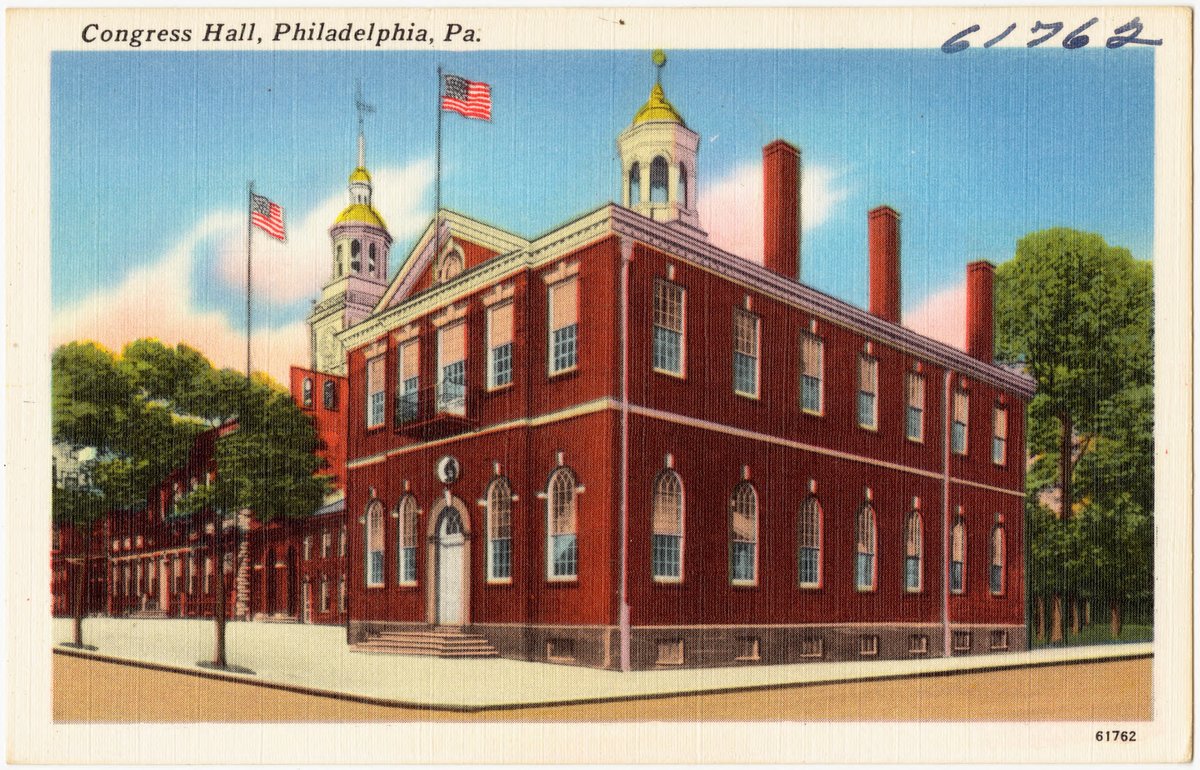
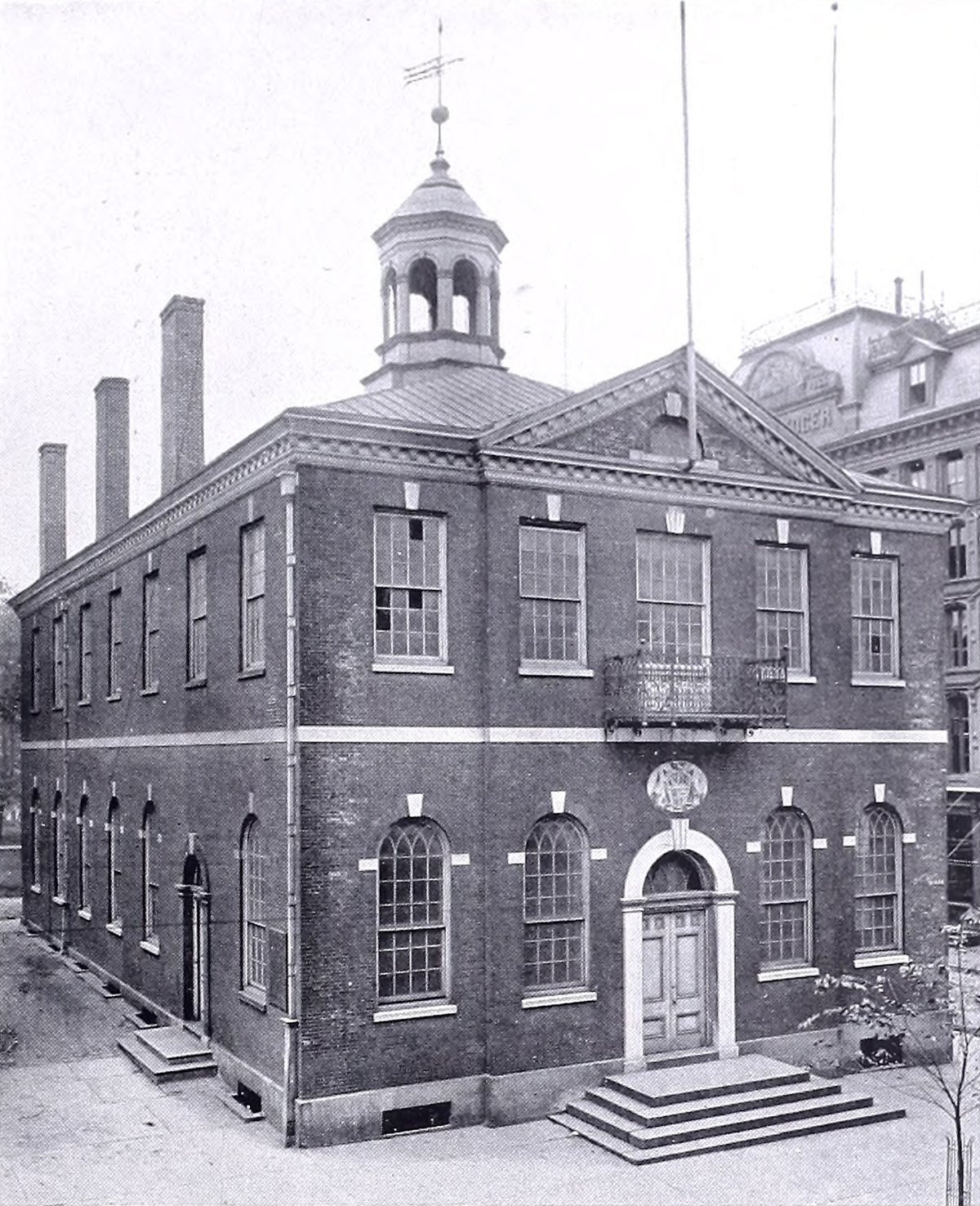
Congress Hall was originally built between 1787 and 1789 as the Philadelphia County Courthouse (The Constitutional Walking Tour). Its design exemplifies late Georgian architecture, characterized by symmetry, classical details, and red brickwork with white trim. The building’s straightforward two-story structure was intended to complement nearby Independence Hall. When Philadelphia became the temporary U.S. capital in 1790, the courthouse was swiftly adapted to serve as the meeting place for Congress.
Role as the United States Capitol (1790–1800)
Congress Hall played a central role in the nation’s formative years:
- First Floor: Housed the House of Representatives, with space designed to accommodate representatives from a growing number of states.
- Second Floor: Served as the Senate chamber, smaller and more ornate, reinforcing the distinction between the two legislative bodies.
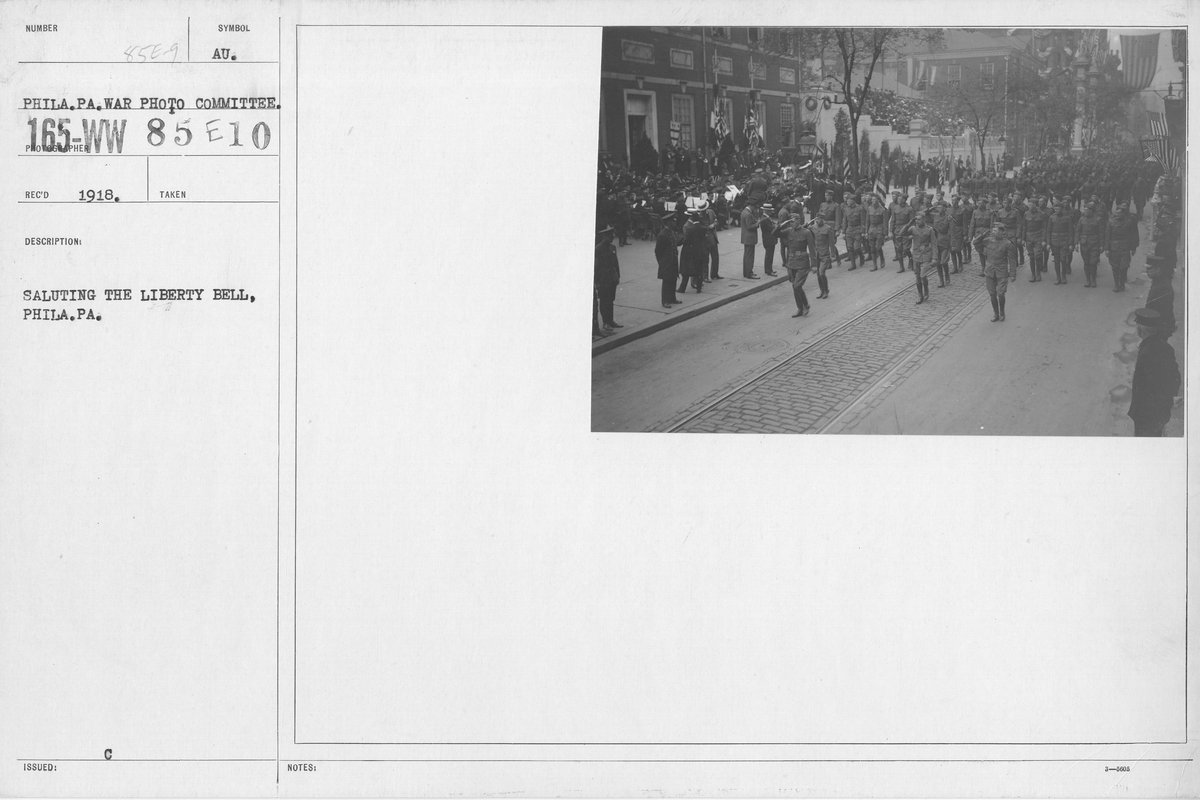
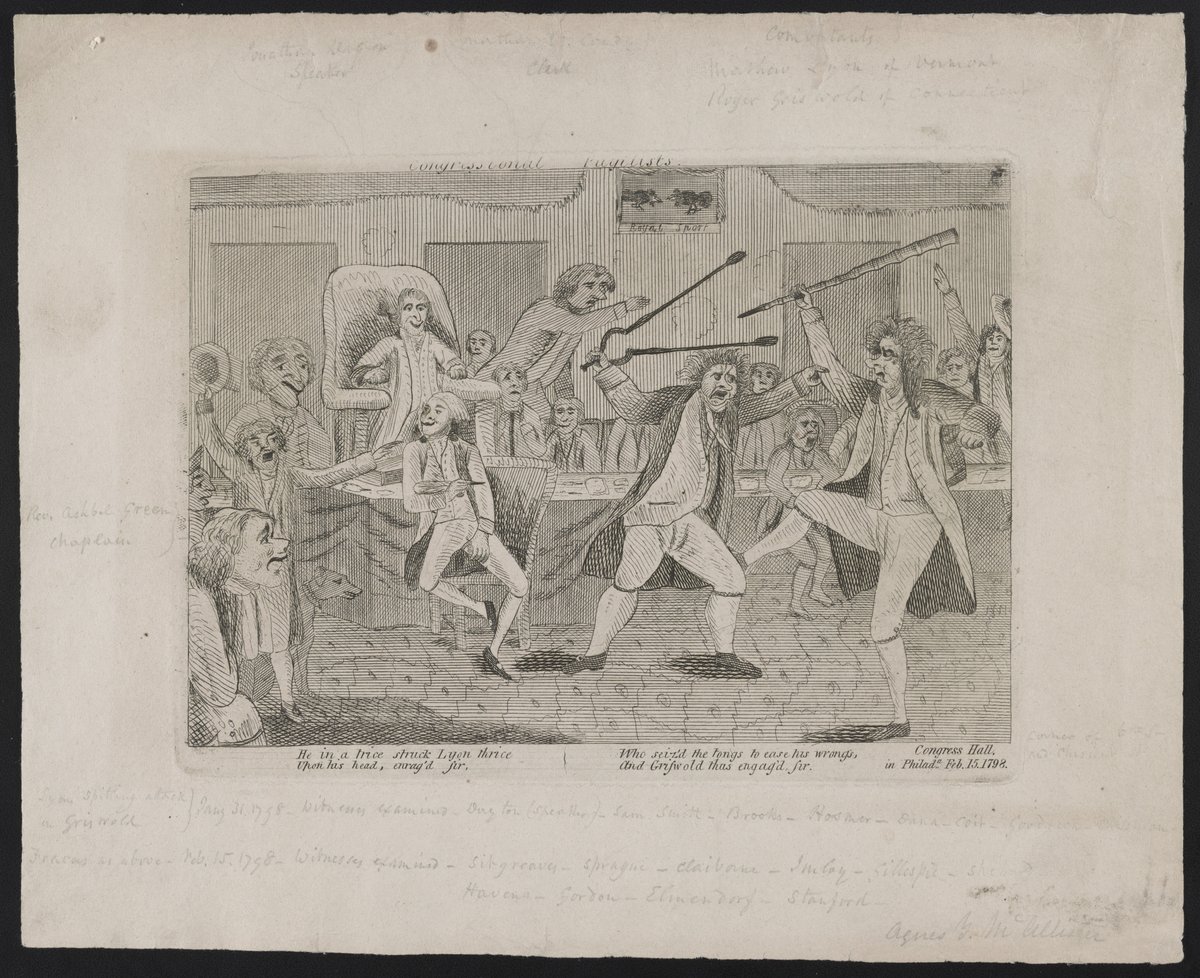
During this decade, Congress Hall witnessed the inauguration of two presidents, the adoption of foundational legislation, and the establishment of key national institutions (Lost New England; History Hit).
Landmark Events and Legislative Achievements
Presidential Inaugurations
- George Washington’s Second Inauguration (1793): Set a precedent for the peaceful continuation of executive power.
- John Adams’ Inauguration (1797): Marked the first peaceful transfer of power between presidents of different political parties (The Constitutional Walking Tour; Lost New England).
Constitutional Amendments and Legislation
- Bill of Rights (1791): The first ten amendments were ratified here, securing essential liberties (Lost New England).
- Foundational Laws: Legislation passed here established the First Bank of the United States, the U.S. Navy, and the federal postal system—crucial to unifying and stabilizing the new nation (History Hit).
Architectural Features and Restoration
Congress Hall is a fine example of Georgian architecture, featuring:
- Exterior: Red brick with white trim, a modest portico, symmetrical window placement, and a simple balustraded roof (ushistory.org; experiencepa.com).
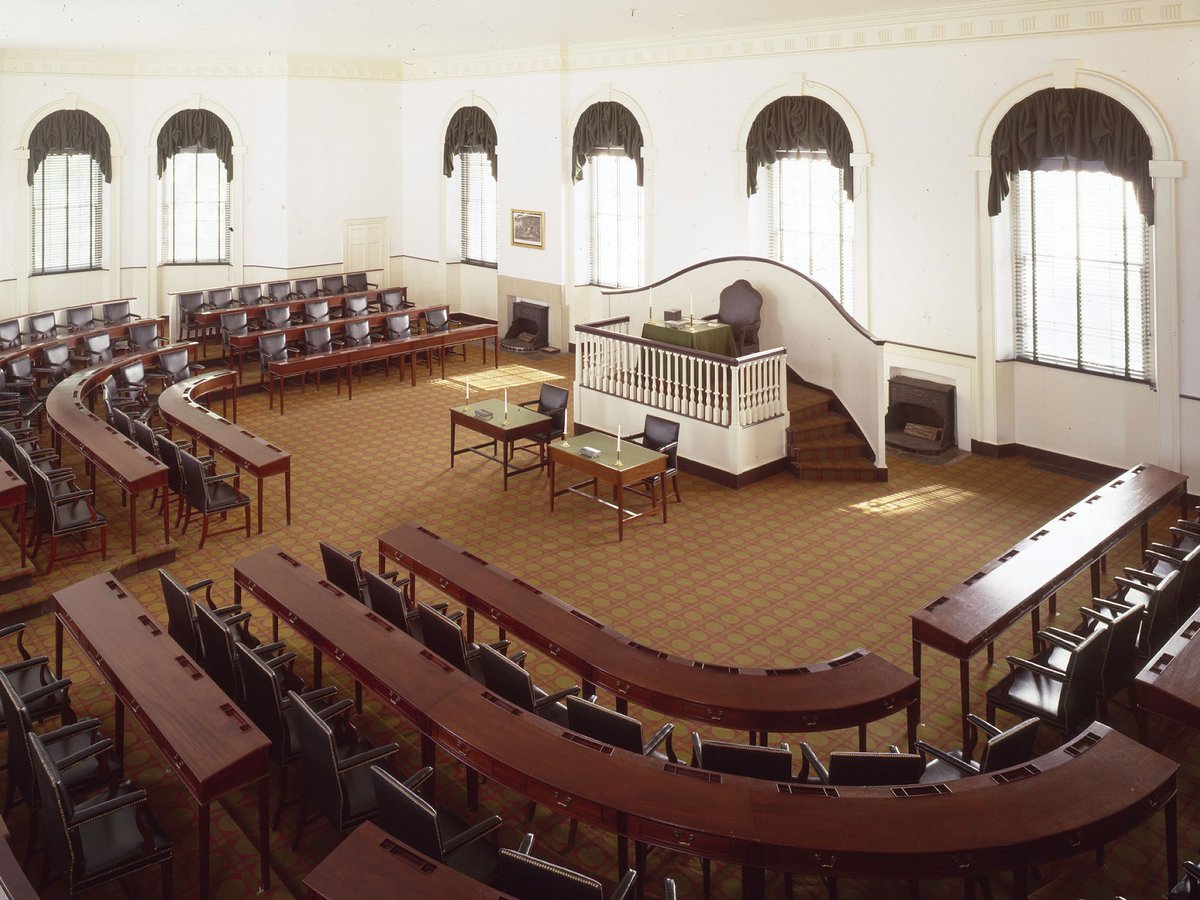
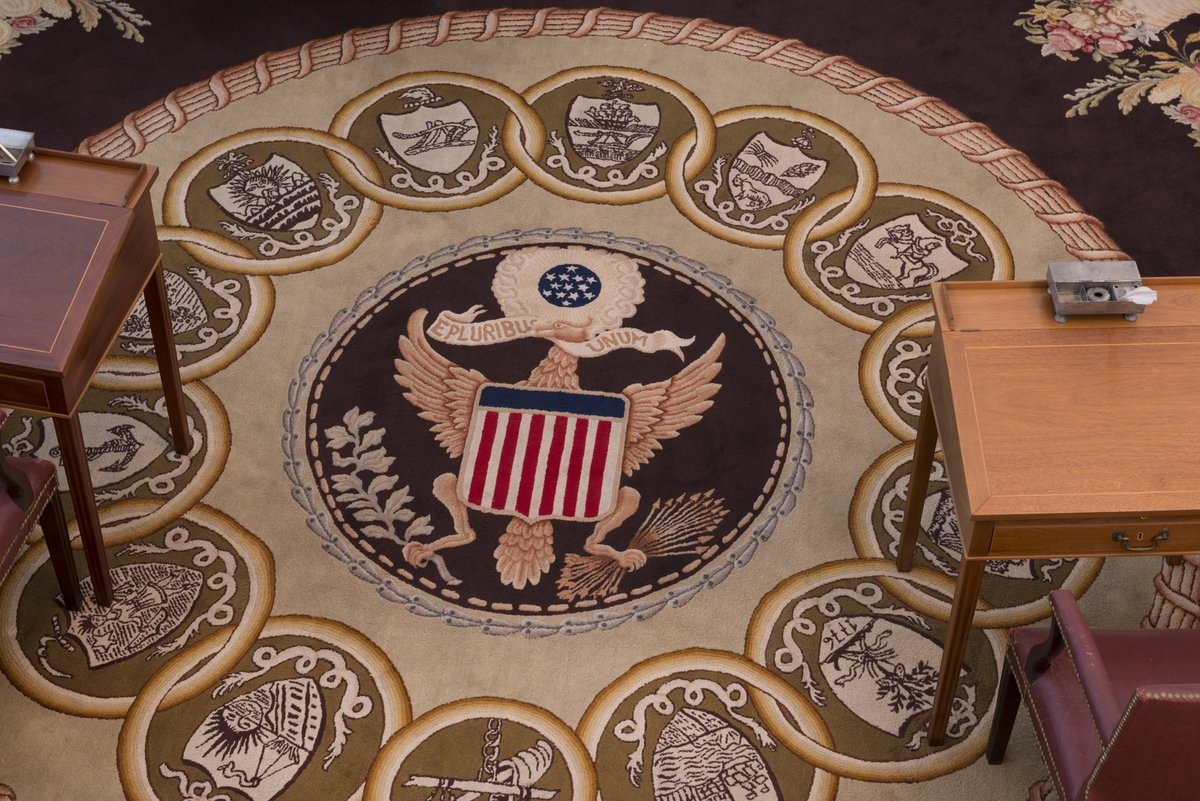
- Interior: The first-floor chamber, with tall windows and a high ceiling, hosted the House of Representatives; the second floor, where the Senate met, is more intimate and ornately furnished. Both levels included public galleries, reflecting early America’s commitment to transparency (npplan.com).
After Congress moved to Washington, D.C., Congress Hall served as a courthouse before falling into disrepair. Restoration efforts began in the late 19th century and continue today under the National Park Service, ensuring the building remains a living monument to American democracy (Lost New England; ushistory.org).
Visitor Experience: Hours, Tickets, and Tours
Visiting Hours
- Standard Hours: Congress Hall is open daily from 9:00 AM to 5:00 PM.
- Seasonal Variations: Hours may change on holidays or due to special events. Always check the official site before visiting.
Admission and Tickets
- Admission: Free entry; no tickets required for Congress Hall.
- Tours: Ranger-led tours run throughout the day and last about 20–30 minutes. Self-guided visits are available during the off-season, with rangers on hand to answer questions (Visit Philly; whichmuseum.com).
Accessibility and Amenities
- Wheelchair Access: The first floor, including the House chamber, is wheelchair accessible; the Senate chamber on the second floor is accessed only by stairs. Rangers provide visual aids and descriptions for those unable to ascend.
- Language Support: Printed materials and guides are available in multiple languages.
- Facilities: Restrooms and food services are available at the nearby Independence Visitor Center. Water fountains, a café, and a gift shop are also accessible.
- Security: All visitors must pass through security screening. Large bags or prohibited items are not allowed (History Hit).
Special Events and Nearby Attractions
Special Events
Congress Hall hosts reenactments, educational programs, and commemorative events throughout the year. Check the event calendar for details.
Nearby Historical Sites
- Independence Hall: Site of the Declaration of Independence and U.S. Constitution.
- Liberty Bell Center: Home of the iconic Liberty Bell.
- Old City Hall: Former site of the U.S. Supreme Court.
- Second Bank of the United States Portrait Gallery
- Franklin Court
A typical itinerary includes Congress Hall, Independence Hall, the Liberty Bell Center, and lunch in Old City.
Visitor Tips and Frequently Asked Questions (FAQ)
Tips for Your Visit
- Best Times: Early mornings and late afternoons are least crowded; weekdays outside of holidays offer a quieter experience.
- Photography: Permitted without flash or tripods. Be respectful of other visitors and preservation guidelines.
- Dress Comfortably: Wear comfortable shoes and prepare for security screening.
Frequently Asked Questions
Do I need tickets to visit Congress Hall?
No, entry is free and does not require tickets or reservations.
What are the visiting hours?
Generally, daily from 9:00 AM to 5:00 PM; check for seasonal updates.
Is Congress Hall accessible?
The first floor is wheelchair accessible; the second floor is stair-access only.
Are guided tours available?
Yes, ranger-led tours are free and offered throughout the day.
Can I take photos inside?
Yes, photography is allowed without flash or tripods.
Plan Your Visit
- Start at the Independence Visitor Center: 599 Market Street, Philadelphia, PA 19106.
- For More Information:
- NPS Congress Hall
- Visit Philly
- Phone: 215-965-2305
Download the Audiala app for guided tours and updates, and follow Independence National Historical Park on social media for news and event information.
Listen to the full story in the app
The whole Congress Hall,
told well.
Audio guides for 1,100+ cities across 96 countries. History, stories, and local insight — offline ready.
Verified, and shown.
Researched and written by the Audiala editorial team from historical records, architectural archives, and local expertise.
Researched from Wikidata, Wikipedia & official sources · fact-checked · How we make our guides →