Plan and listen to Columbia Park with Audiala.
Audio guide in your pocket, itinerary in your browser. Built for the way you actually visit.
Introduction
Columbia Park, once nestled in the heart of Philadelphia’s Brewerytown neighborhood, stands as a significant chapter in the city’s baseball heritage. Established in 1901, it was the inaugural home of the Philadelphia Athletics and played a pivotal role in the formation of the American League. Though the original wooden ballpark was demolished in the 1910s, its legacy persists through Philadelphia’s rich sports narrative and the surrounding historical sites.
This comprehensive guide delves into Columbia Park’s origins, its historical and cultural significance, notable events, and practical tips for visitors eager to explore the former site and related Philadelphia attractions. Whether you’re a baseball enthusiast, history buff, or traveler seeking unique city experiences, this resource provides essential insights and recommendations for engaging with Philadelphia’s baseball past (Wikipedia, PhillyVoice, baseballhall.org).
Columbia Park was a cornerstone in the rise of professional baseball in Philadelphia. As the Philadelphia Athletics’ first home, it hosted league pennants, World Series games, and fostered a unique community spirit in Brewerytown. Its modest wooden structure, union-built pedigree, and integration into the working-class neighborhood reflect the city’s social fabric at the turn of the 20th century. While no physical remnants remain, Columbia Park’s memory endures through walking tours, commemorative sites, and the collective identity of Philadelphia’s sports fans (baseballhall.org).


Origins and Construction
Columbia Park was constructed in 1901 for the newly formed Philadelphia Athletics baseball team, coinciding with the establishment of the American League (Wikipedia). The site occupied the block bounded by 29th Street, Oxford Street, 30th Street, and Columbia Avenue (now Cecil B. Moore Avenue) (PhillyVoice). Connie Mack, the Athletics’ legendary manager and part-owner, secured a ten-year lease, and the park was built at a cost of $35,000—over $1.3 million today when adjusted for inflation (Wikipedia).
A hallmark of its construction was the exclusive use of union labor, reflecting the city’s strong labor movement (Wikipedia). The original seating capacity was 9,500, soon expanded to accommodate over 13,000 fans as the team’s popularity soared (ABC10). The park featured wooden grandstands and bleachers but lacked amenities like dugouts or visitor dressing rooms—a testament to its simplicity and the era’s standards (American Football Database).
Early Years and Expansion
The Athletics played their first game at Columbia Park on April 26, 1901, drawing an overflow crowd. The park’s compactness became evident as fans watched from rooftops and outfield walls during sold-out games (American Football Database). By 1905, capacity was increased with additional bleachers, and further improvements included semi-circular stands made of Florida yellow pine, enhancing sightlines and fan experience (Wikipedia).
Notable Events and Achievements
Athletics’ Success and National Impact
Columbia Park was home to the Philadelphia Athletics from 1901 to 1908. Under Connie Mack, the team won American League pennants in 1902 and 1905. The 1905 season was highlighted by hosting World Series games against the New York Giants (ABC10, Wikipedia).
Community and Cultural Significance
Located in Brewerytown—a neighborhood characterized by its breweries and working-class roots—Columbia Park became a focal point for community identity. Connie Mack and several players lived nearby, and while beer sales were prohibited inside the park, the scent of nearby breweries often filled the air (PhillyVoice, Project Ballpark).
Versatility and Integration
Columbia Park also temporarily hosted the Philadelphia Phillies in 1903, due to repairs at their stadium. It played a role in the early history of African American baseball, as the Philadelphia Giants rented the field and played the city’s first night game under portable lights in 1902 (Wikipedia).
Decline and Demolition
The success of the Athletics quickly outgrew Columbia Park’s modest size. After the 1908 season, the team moved to the larger and more modern Shibe Park. Columbia Park’s last game was played on October 3, 1908 (Wikipedia). The park fell into disuse and was demolished in the 1910s, replaced by residential developments. The sod was famously transplanted to Shibe Park, symbolically linking the two legendary venues (American Football Database).
Visiting Columbia Park’s Former Site
Location and Current Status
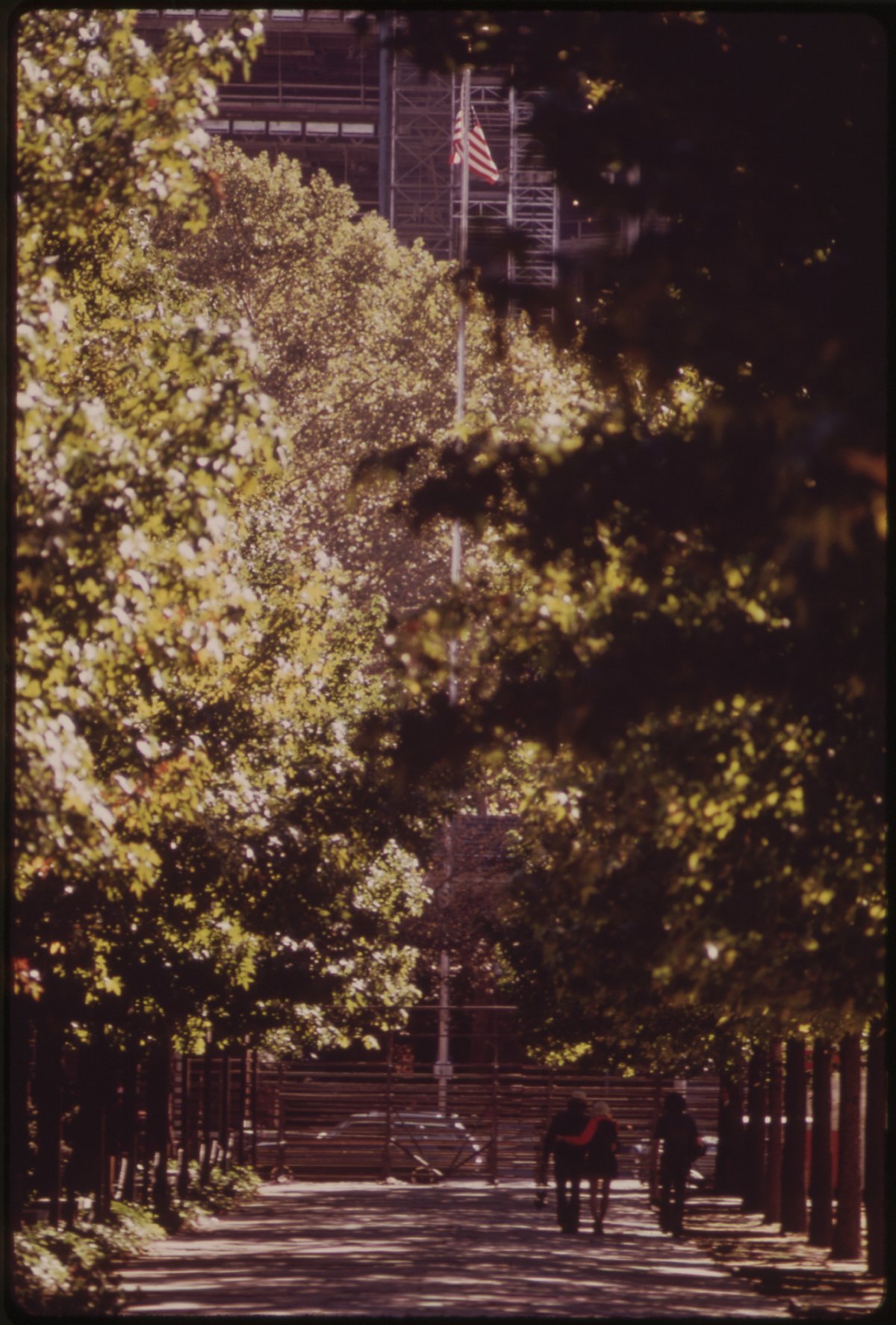
The former Columbia Park site is at the intersection of 29th Street and Cecil B. Moore Avenue in North Philadelphia (MLB.com). Today, it is a typical urban neighborhood with no remaining ballpark structures or official historical markers (ballparks.com). The area features brick rowhouses, local businesses, and reflects the evolution of Brewerytown over the past century.
Entry, Hours, and Tickets
There are no official visiting hours or tickets required, as the site is now public city streets and residential blocks. Visitors are welcome to explore the neighborhood at any time.
Accessibility, Tips, and Nearby Attractions
Getting There
- Public Transit: The site is accessible via SEPTA bus routes and the Girard Avenue trolley, with stops near Cecil B. Moore Avenue (nomadasaurus.com).
- Parking: Limited street parking is available; public transit is recommended.
Accessibility
Sidewalks are generally accessible, though some may be uneven due to the area’s age. Public transit options offer wheelchair access. There are no specific accommodations at the former ballpark site itself.
Safety & Neighborhood Etiquette
- Visit during daylight hours and remain aware of your surroundings.
- Support local businesses and respect private property.
What to See and Do
- Walk the historic neighborhood grid and imagine the ballpark’s footprint using old maps or mobile apps.
- Take self-guided or virtual tours for deeper historical context.
- Explore local dining and brewery options in Brewerytown.
Nearby Attractions
- Fairmount Park: A vast green space ideal for walking and recreation (Daytrip Nomad).
- Philadelphia Museum of Art: Home to world-class collections and the “Rocky Steps.”
- Eastern State Penitentiary: A fascinating historic prison museum.
- Philadelphia Sports Hall of Fame: Celebrating local athletic achievements.
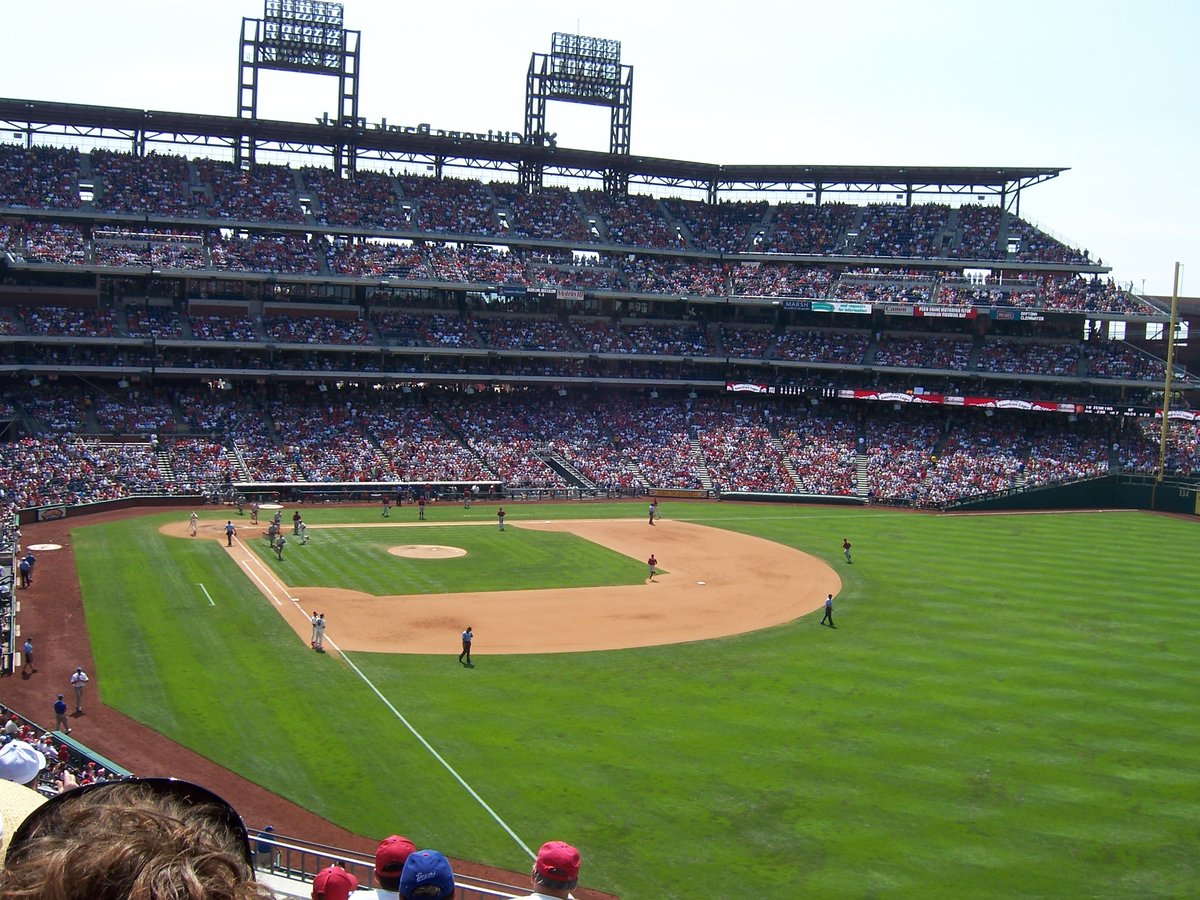
- Citizens Bank Park: Modern ballpark and home of the Phillies (Visit Philly).
Frequently Asked Questions (FAQ)
Q: Can I visit Columbia Park today?
A: The original ballpark was demolished in the 1910s. You can visit the site at 29th Street and Cecil B. Moore Avenue, which is now a residential area.
Q: Are there any remains or historical markers?
A: No, there are no remaining structures or markers. The site is integrated into the neighborhood.
Q: Are there tours or events related to Columbia Park?
A: No official tours exist, but some local history and baseball tours may include the site. Self-guided exploration is recommended.
Q: What other baseball history sites should I visit?
A: Citizens Bank Park, the former Shibe Park site (with a commemorative plaque), and the Philadelphia Sports Hall of Fame.
Q: Is the area safe and accessible?
A: The neighborhood is generally safe by day and accessible by public transit. Use typical city safety precautions.
Discover More
Columbia Park’s story is a powerful chapter in Philadelphia’s sports and urban narrative. While the ballpark itself is gone, its spirit remains alive through local history, commemorative sites, and the passionate community of baseball fans. Exploring the Brewerytown neighborhood, engaging with self-guided tours, and visiting nearby museums offer a rewarding connection to this legacy.
For a deeper, interactive experience, download the Audiala app for curated audio tours, follow us on social media, and explore more of Philadelphia’s historic sites through our website. Embrace the city’s baseball roots and discover new adventures in every corner of Philadelphia.
Listen to the full story in the app
The whole Columbia Park,
told well.
Audio guides for 1,100+ cities across 96 countries. History, stories, and local insight — offline ready.
Verified, and shown.
Researched and written by the Audiala editorial team from historical records, architectural archives, and local expertise.
Researched from Wikidata, Wikipedia & official sources · fact-checked · How we make our guides →