
Historical Background
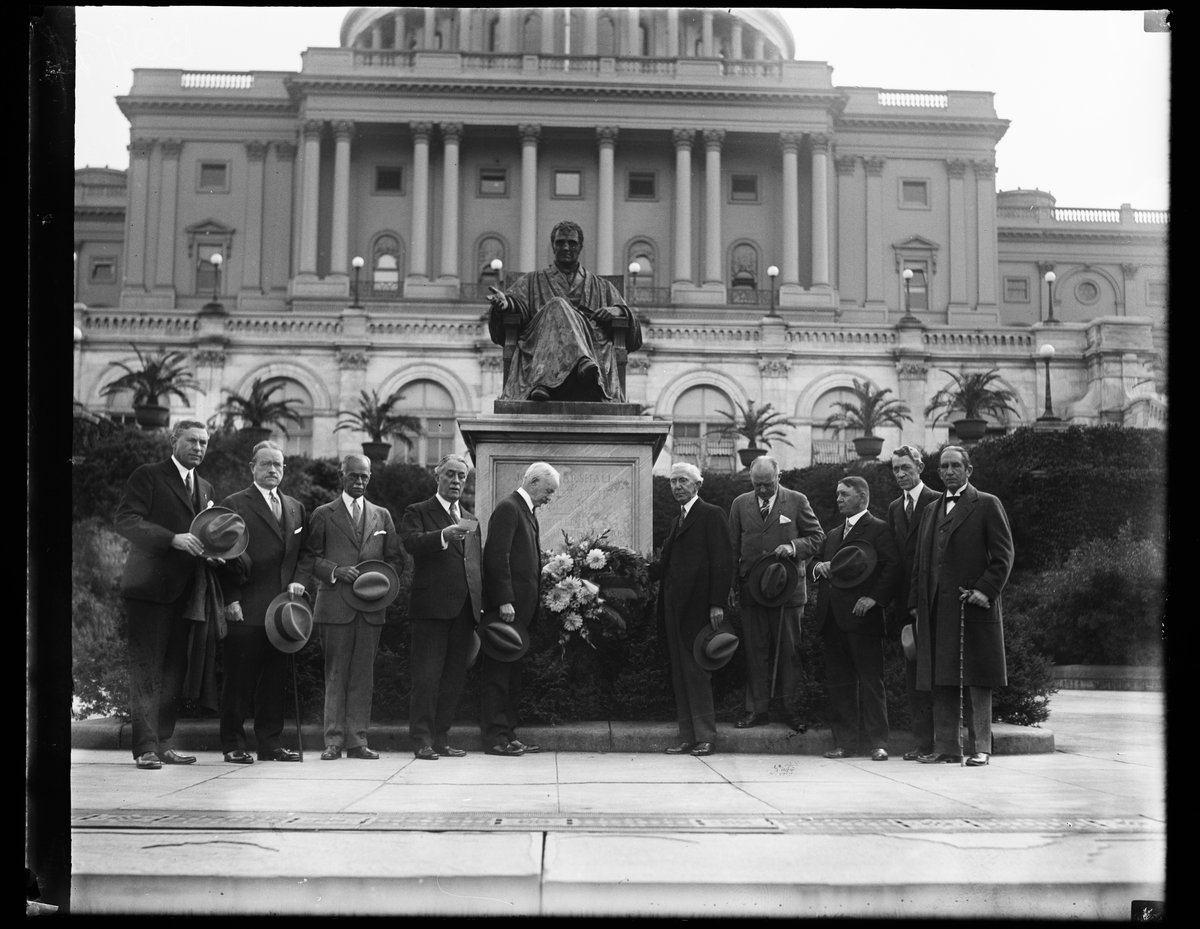
John Marshall was a key architect of the American judiciary. Serving as Chief Justice from 1801 to 1835, he authored landmark decisions that established the Supreme Court’s authority and clarified the balance of powers between the federal government and the states. Marshall’s legacy is especially poignant in Philadelphia, where he spent his final days, and where the city’s rich historical landscape celebrates his enduring influence.
Visiting John Marshall Sites in Philadelphia
John Marshall Statue at the Philadelphia Museum of Art
- Location Philadelphia Museum of Art, 2600 Benjamin Franklin Parkway, Philadelphia, PA
- Visiting Hours Museum grounds (where the statue is located) are accessible daily from 6:00 AM to 10:00 PM.
- Admission Free to view all outdoor sculptures, including the John Marshall statue.
Additional Sites to Explore
While Marshall’s primary residence and museum are in Richmond, Virginia, Philadelphia offers related historical attractions:
- Independence Hall
- National Constitution Center
- Liberty Bell Center
Ticket Information
- John Marshall Statue Always free and accessible outdoors.
- Museum Admission Required only for entry to the Philadelphia Museum of Art’s indoor exhibits. General admission is $25 for adults, with discounts for seniors and students. Purchase tickets via the Philadelphia Museum of Art website.
Opening Hours
- Philadelphia Museum of Art Tuesday–Sunday, 10:00 AM–5:00 PM; closed Mondays.
- Museum Grounds (Statue) Open daily, 6:00 AM–10:00 PM.
- Nearby Historic Sites Independence Hall and the National Constitution Center are generally open 9:00 AM–5:00 PM.
Accessibility
- Statue Site Wheelchair accessible with smooth, paved walkways and curb cuts.
- Service Animals Permitted at all sites.
- Assistance Available upon request at major attractions; check each site’s website for detailed information.
Nearby Attractions
- Independence Hall Site of the signing of the Declaration of Independence and the U.S. Constitution.
- National Constitution Center Engaging exhibits on constitutional history.
- Liberty Bell Center The iconic symbol of American independence.
All attractions are within a short distance of the John Marshall statue and can be explored in a single day’s itinerary.
Guided Tours and Special Events
- Walking tours focusing on American legal history are available through local operators and the Philadelphia Visitor Center.
- The Association for Public Art occasionally offers public art walking tours that include the John Marshall statue.
- Special commemorative events and educational programs may be scheduled around significant anniversaries.
Frequently Asked Questions (FAQ)
Q: Where is the John Marshall statue located in Philadelphia?
A: At the west entrance of the Philadelphia Museum of Art, 2600 Benjamin Franklin Parkway.
Q: What are the visiting hours for the statue?
A: The statue is accessible outdoors from 6:00 AM to 10:00 PM daily.
Q: Is there an admission fee?
A: No, access to the outdoor statue is always free.
Q: Are guided tours available?
A: While no regular tours focus solely on the statue, various art and legal history tours may include it.
Q: Is the statue wheelchair accessible?
A: Yes, the area is fully accessible.
Q: Can I take photographs?
A: Yes, photography is encouraged.
Location and Setting
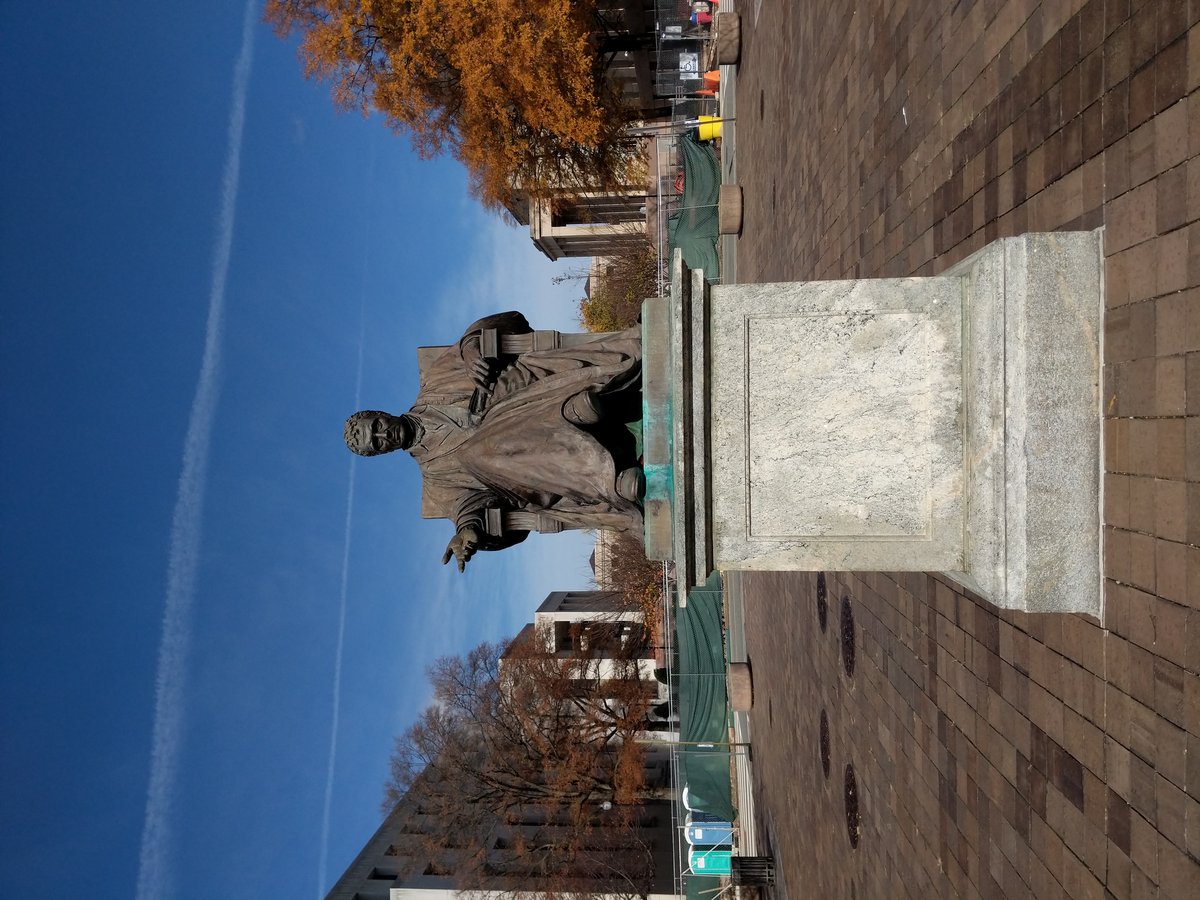
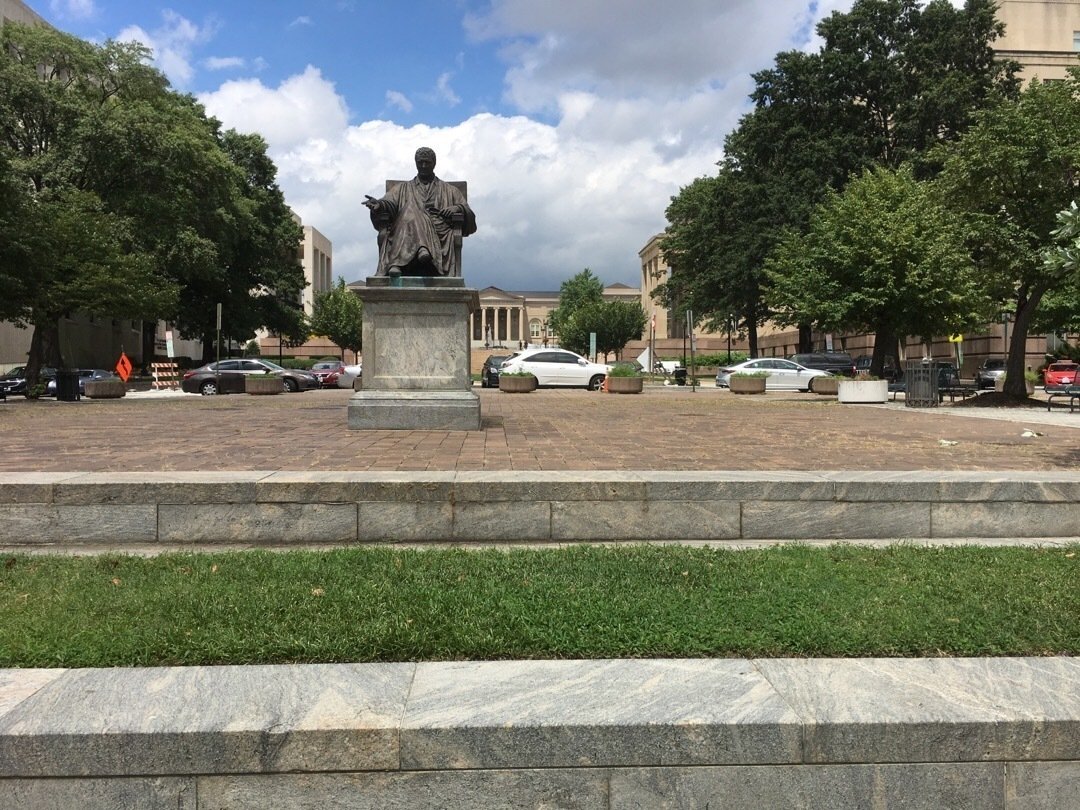
The Chief Justice John Marshall statue stands at the west entrance of the Philadelphia Museum of Art, at the intersection of Benjamin Franklin Parkway and Kelly Drive (Association for Public Art). The landscaped grounds provide a dignified and contemplative environment, with easy access to the museum, Schuylkill River Trail, and other prominent Philadelphia landmarks.
Statue Description and Artistic Details
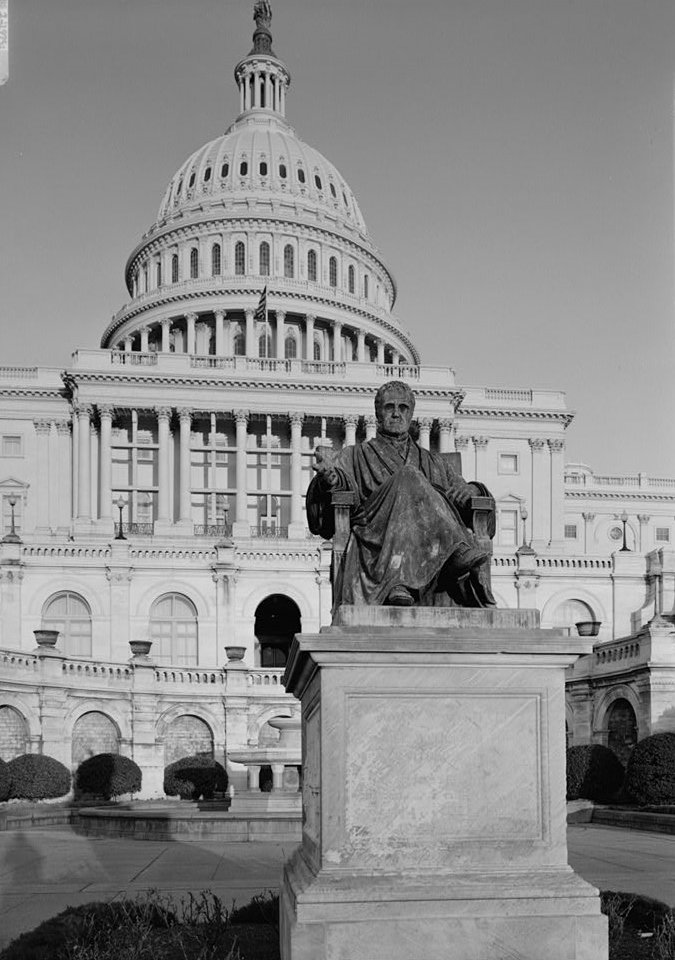
- Artist William Wetmore Story (1819–1895)
- Material Bronze, granite base
- Height Statue 6’8”; base 5’6”
- Inscription
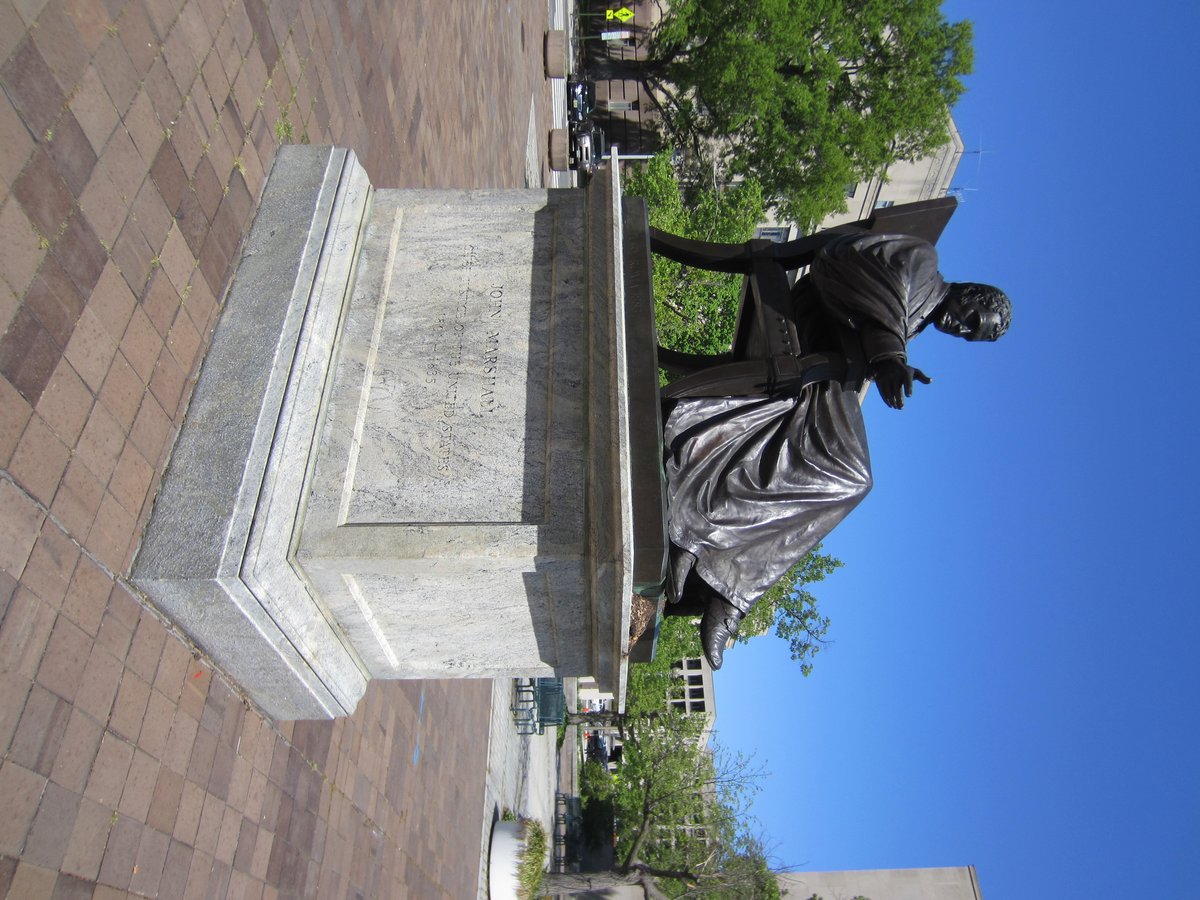
“John Marshall, Chief Justice of the United States. Erected by the members of the bar and Congress. A.D. 1884.”
- Artistic Features
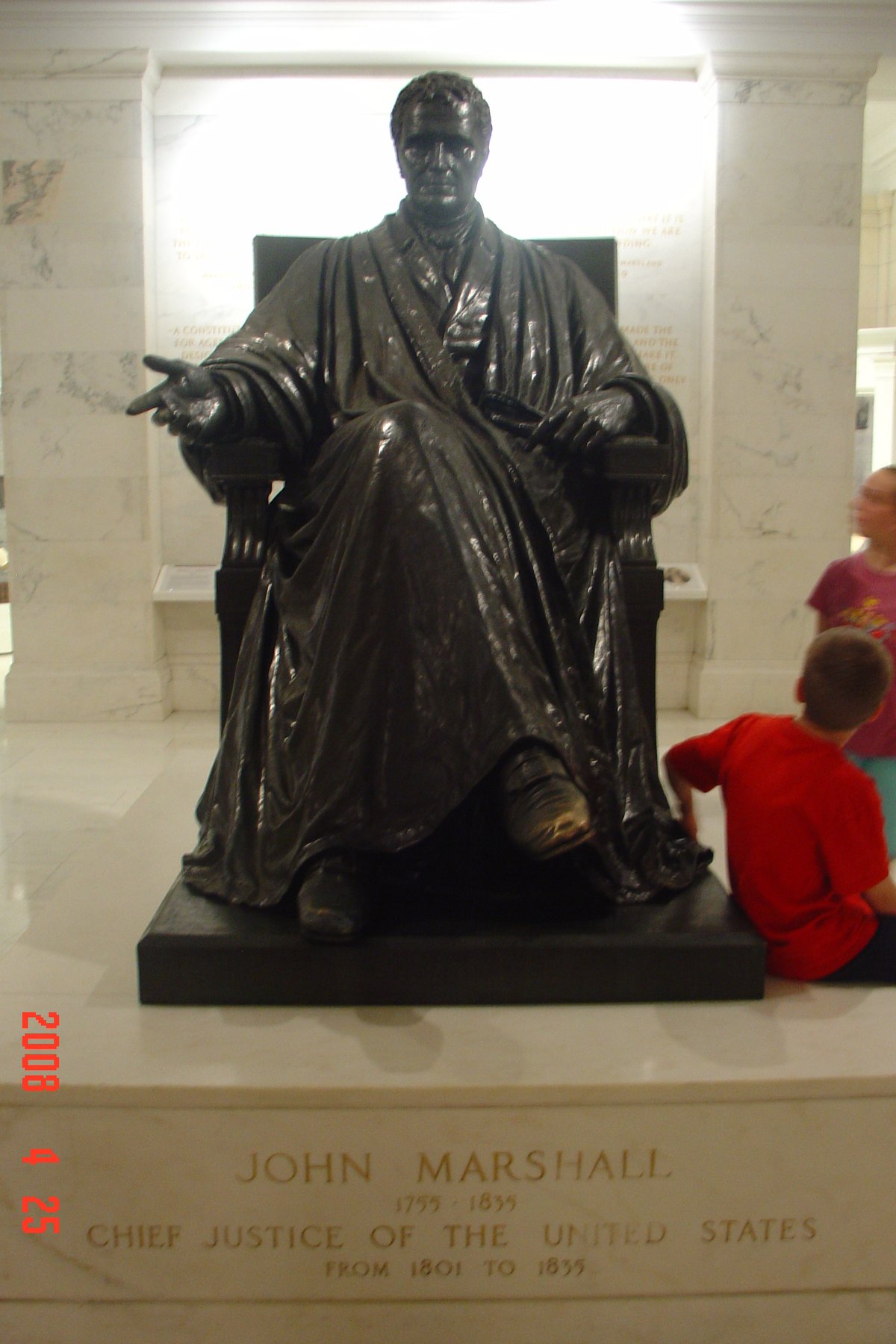
The statue is a seated, contemplative figure of Chief Justice Marshall in judicial robes, right hand outstretched, left hand holding a document. Side panels on the base feature allegorical reliefs, such as “Minerva dictating the constitution to Young America” and “Victory Leading Young America to Swear Fidelity on the Altar of the Union” (DC Memorialist).
Visiting Hours and Accessibility
- Open 24 hours a day, 7 days a week (outdoor statue)
- Admission Free
- Accessibility Wheelchair accessible; smooth paved walkways and ramps
Getting There
By Public Transit
- SEPTA Bus Routes 7, 32, 38, 43, and 48 serve the Museum district.
- Broad Street Line Spring Garden Station, 15-minute walk.
- Regional Rail Suburban Station, 20-minute walk or short bus ride.
By Car
- Metered street parking available (limited).
- Paid parking garages nearby, including the Museum’s own garage at 25th Street and Pennsylvania Avenue.
By Bicycle or Foot
- Adjacent to the Schuylkill River Trail; bike racks available at the museum entrance.
Best Times to Visit
- June Lively with city festivals and pleasant weather (Visit Philly).
- Early mornings/late afternoons Best for photography and fewer crowds.
- Weekdays Quieter than weekends, especially during major events.
Nearby Amenities and Attractions
- Museum Café and Restrooms Available during museum hours.
- Rocky Steps Iconic for photos.
- Fairmount Park Extensive walking trails, gardens, and picnic spaces.
Visitor Tips
- Bring water and sunscreen during summer visits.
- Consult the Philadelphia Museum of Art’s events calendar and Visit Philly for special events.
- Respect the monument and grounds; climbing is prohibited.
Safety and Regulations
- Security presence due to proximity to major attractions.
- General urban safety Remain alert, especially after dark.
Special Features and Interpretive Elements
- Allegorical reliefs on the base illustrate constitutional values.
- Plaques provide historical context.
- Digital resources and self-guided tours available via Association for Public Art.
Accessibility for All Visitors
- Wheelchair access via paved paths.
- Service animals welcome.
- Most signage in English; consult museum visitor services for language support.
Seasonal Considerations
- Weather Summers are warm/humid; plan accordingly.
- Event impacts Large city events may affect access and parking.
Souvenirs and Further Learning
- Museum Store Books and memorabilia on American history and public art.
- Online Resources
Responsible Tourism
- Dispose of litter properly.
- Respect landscaping and plantings.
Quick Facts
- Statue Height 6’8” (base 5’6”)
- Material Bronze on granite
- Year installed in Philadelphia 1931
- Location West entrance, Philadelphia Museum of Art (map)
- Admission Free, open 24/7
Discover the John Marshall Statue Near Philadelphia: Lancaster, PA
- Location Franklin & Marshall College, 637 College Ave, Lancaster, PA 17603
- Hours Dawn to dusk, free admission
- Artist Arlene Love
- Features Life-like, approachable sculpture of John Marshall, installed near the Benjamin Franklin statue
- Accessibility Paved, wheelchair-accessible area
- Nearby Phillips Museum of Art, campus tours, Lancaster Central Market
For details, visit Franklin & Marshall College and Phillips Museum of Art.
John Marshall Historical Sites in Washington D.C. and Richmond, VA
John Marshall’s Enduring Cultural Legacy
- Judicial Robe Symbolism Marshall’s adoption of the plain black robe symbolizes unity and impartiality (Virginia Museum of History & Culture).
- Civic Identity Authored over 500 opinions, including Marbury v. Madison (1803), establishing judicial review (Biography.com).
Practical Visitor Information
- Supreme Court Building, D.C. 1 First St NE, open Mon–Fri, 9:00 AM–4:30 PM, free admission (Trolley Tours DC).
- John Marshall Center, Richmond Inside the Virginia Museum of History & Culture, open Tues–Sat, 10:00 AM–5:00 PM; Sun, 12:00–5:00 PM (Virginia Museum of History & Culture).
Cultural and Educational Insights
- Exhibitions Historic documents, artifacts, and interactive programs (National Constitution Center).
- Tours and Accessibility Free building access; accessibility accommodations available.
Discover More
Visiting the Chief Justice John Marshall statue in Philadelphia connects you with American legal heritage in a beautiful urban park. With free, accessible grounds and proximity to the city’s top historical sites, it’s an essential stop for anyone interested in the nation’s foundations. For more tips and up-to-date details, consult the Association for Public Art, Philadelphia Museum of Art, and Visit Philly. Enhance your visit by downloading the Audiala app for interactive tours and historical insights.
Summary and Final Tips
- The Chief Justice John Marshall statue is free and open to the public 24/7.
- Located at the Philadelphia Museum of Art, it is easily accessible and surrounded by other major attractions.
- Accessibility accommodations are available for all visitors.
- Plan your visit with the latest updates from official sources and enrich your experience with digital resources like Audiala.
- Consider exploring related sites in Washington, D.C., Lancaster, and Richmond for a broader perspective on Marshall’s legacy.
By experiencing these monuments and landmarks, you honor John Marshall’s enduring impact on American law and civic identity.