Origins and Early Development
The site that became the Chestnut Street Opera House originally saw theatrical life in 1793 as the New Theatre, the nation’s first purpose-built venue for paid performances. The original building, funded by Thomas Wignell and Alexander Reinagle, was inspired by British theater design and marked Philadelphia’s emergence as a theater capital (Philadelphia Encyclopedia). Over the decades, fires and urban renewal led to successive reconstructions, each reflecting evolving tastes and technological advances.
Architectural Significance
The final iteration, completed in 1886 and designed by Edwin Forrest Durang, epitomized Beaux-Arts grandeur with brick and terra cotta facades, arched windows, and ornate cornices (Philadelphia Architects and Buildings). Its auditorium, seating around 2,000, featured lavish gilded moldings, plush velvet seats, and a grand proscenium arch. The early adoption of electric lighting, both inside and out, set new standards for safety and spectacle (Cinema Treasures).
Notable Events and Cultural Milestones
The Opera House hosted a diverse array of performances—opera, vaudeville, musicals, and Broadway tours—welcoming stars like Sarah Bernhardt and Enrico Caruso (Philadelphia Inquirer Archives). It was a venue for national premieres, including “Hail to the Chief,” and served as a hub for civic gatherings and social events, reinforcing Philadelphia’s reputation as a cultural leader.
Evolution and Later Years
Ownership and management of the theater changed hands among influential impresarios, including Samuel F. Nixon, J. Fred Zimmerman Sr., and the Shubert Organization (Wikipedia). The house thrived into the early 20th century but, like many classic theaters, faced decline with the rise of cinema, radio, and television. The building was ultimately demolished in 1969, yet its influence lives on in Philadelphia’s performing arts institutions.
Architectural Design and Style
The Chestnut Street Opera House was a showcase for opulent Beaux-Arts architecture, with a symmetrical facade, decorative terra cotta details, and a grand entrance framed by arched doors and windows (Philadelphia Architects and Buildings). Inside, marble staircases, stained glass, and ornate plasterwork greeted patrons, while the auditorium’s horseshoe shape and sound-reflective materials provided superb acoustics (Cinema Treasures). Artistic highlights included a proscenium arch adorned with sculpted muses and a hand-painted drop curtain.
Technological Innovations and Acoustics
The Opera House was a pioneer in stagecraft, being among the first theaters to use gas lighting (1816) and later electric lighting, revolutionizing stage effects and audience safety (Britannica). Its rigging and fly systems allowed for elaborate productions, while the auditorium’s design ensured excellent sound distribution, making it a favorite for both performers and audiences.
Cultural Significance in Philadelphia’s Performing Arts Scene
As a major venue for opera, drama, vaudeville, and film, the Chestnut Street Opera House democratized access to high culture, welcoming a broad cross-section of Philadelphia’s population (Encyclopedia of Greater Philadelphia). Its location anchored the city’s theater district, spurring the growth of nearby restaurants, hotels, and entertainment businesses (Hidden City Philadelphia).
Urban Development and Social Influence
The Opera House influenced Center City’s social and economic landscape, transforming Chestnut Street into a bustling corridor for nightlife and civic engagement. It hosted not only performances but also political rallies, charitable events, and celebrations, embedding itself into the city’s social fabric.
Notable Architectural Features
Distinctive elements included a grand lobby staircase with marble balustrades, theater boxes for dignitaries, and original artwork highlighting the city’s artistic aspirations. The building’s exterior and interior both became icons of Philadelphia’s architectural heritage (Philadelphia Architects and Buildings).
Legacy and Preservation
Although demolished in 1969, the Chestnut Street Opera House’s legacy is preserved through archival photographs, playbills, and historical research (Hidden City Philadelphia). Its architectural influence is visible in surviving theaters like the Academy of Music and the Walnut Street Theatre.
Visitor Information: Planning Your Visit
Location and Accessibility
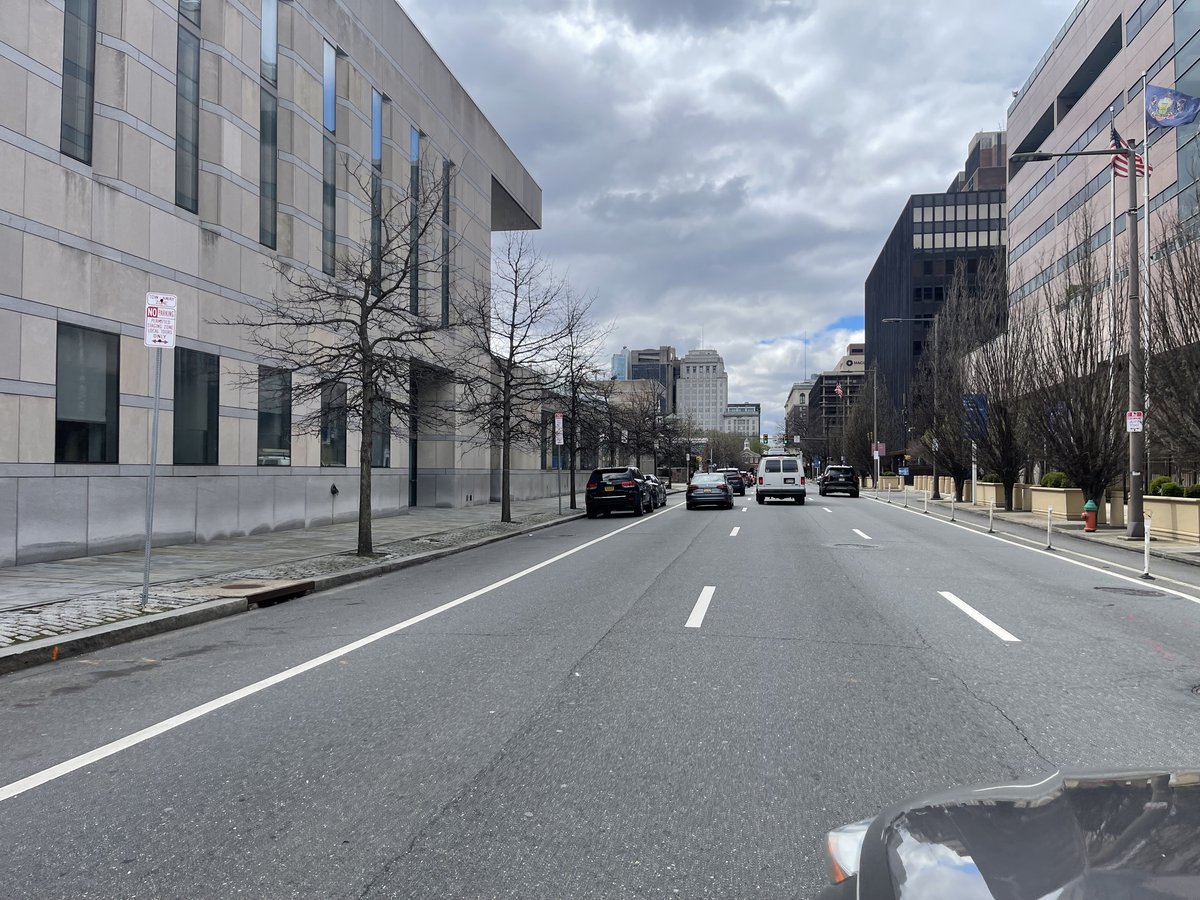
The original site at 1021 Chestnut Street is in Center City, easily accessible by SEPTA subway, bus routes, and nearby parking garages (Visit Philly). The pedestrian-friendly district places visitors within walking distance of the Reading Terminal Market, Rittenhouse Square, and historic Old City.
Visiting Hours and Tickets
The Chestnut Street Opera House no longer operates as a venue, but visitors can enjoy performances at nearby institutions:
- Academy of Music Box office hours typically 10:00 AM–6:00 PM; check official website for performance times and ticket prices.
- Walnut Street Theatre Offers guided tours and a full season of shows (Walnut Street Theatre).
Tickets for performances range from $25 to $150 and are available online, at box offices, or via rush discounts.
Guided Tours and Special Events
Walking tours focused on Philadelphia’s theater district are widely available, highlighting the Opera House site and other architectural landmarks. The Historical Society of Pennsylvania offers archival exhibits and resources (Historical Society of Pennsylvania).
Nearby Attractions and Amenities
- Dining Choose from classic cheesesteak shops and upscale bistros; Reading Terminal Market offers a diverse culinary experience (Nomadic Matt).
- Shopping Browse boutiques along Walnut Street and the South Street corridor (Attractions of America).
- Cultural Landmarks Walk to the Liberty Bell, Independence Hall, and the Philadelphia Museum of Art (PA Bucket List).
Practical Tips for Visitors
- Best Times to Visit Peak performing arts season runs September–June; plan visits during festivals or special events for a full experience.
- Dress Code Business casual is standard; some events may be more formal.
- Safety Center City is generally safe, especially around major attractions (Nomadic Matt).
- Accessibility Modern venues are wheelchair accessible and offer assistive listening devices; Center City streets are pedestrian- and stroller-friendly.
Engaging with Philadelphia’s Musical Legacy
Deepen your experience with guided walking tours highlighting historic theaters and music venues. The Historical Society of Pennsylvania offers access to playbills, sheet music, and memorabilia (Historical Society of Pennsylvania).
Family and Group Visits
Venues in the theater district welcome families and groups, offering educational programs, discounted group rates, and family-friendly matinees. Nearby attractions like the Please Touch Museum and Franklin Institute provide additional options for children (Attractions of America).
Frequently Asked Questions (FAQ)
Q: Can I visit the original Chestnut Street Opera House building?
A: No, the building was demolished in 1969. However, the site is marked and surrounded by active historic theaters and attractions.
Q: Where can I buy tickets for opera and theater performances?
A: Tickets can be purchased online or at box offices for venues like the Academy of Music and Walnut Street Theatre (Opera Philadelphia Tickets).
Q: Are there accessible options for visitors with disabilities?
A: Yes, all major venues in Center City offer accessible seating, restrooms, and parking.
Q: Are guided tours available?
A: Yes, several organizations offer walking tours focused on Philadelphia’s performing arts history.
Q: What are the best nearby attractions?
A: Liberty Bell, Independence Hall, Reading Terminal Market, and the Philadelphia Museum of Art.
Internal and External Links
- Philadelphia Architects and Buildings
- Cinema Treasures
- Encyclopedia of Greater Philadelphia
- Visit Philadelphia
- Historical Society of Pennsylvania
- Opera Philadelphia Tickets
- Walnut Street Theatre