Plan and listen to Charles W. Henry School with Audiala.
Audio guide in your pocket, itinerary in your browser. Built for the way you actually visit.
Introduction: Charles W. Henry School’s Legacy in Philadelphia
Situated in the heart of Mount Airy, Philadelphia, the Charles W. Henry School stands as a testament to the city’s dedication to public education, architectural excellence, and community evolution. Built between 1906 and 1908, this Colonial Revival masterpiece—designed by Henry deCourcy Richards—continues to serve as an active elementary school while being celebrated as a preserved historic landmark. Its stately red brick façade, limestone details, and expansive windows not only reflect progressive educational ideals but also echo Philadelphia’s broader narrative of social justice, integration, and civic pride. Recognized on the National Register of Historic Places since 1988, the school remains a must-see for those interested in architecture, local history, and the vibrant culture of Mount Airy and Germantown. Visitors are welcome to admire its exterior, attend community events, or arrange special tours, gaining insights into more than a century of educational innovation and community spirit. For official guidelines and further details, consult the Philadelphia Historical Commission and Hidden City Philadelphia.

Origins and Architectural Design
The Charles W. Henry School was conceived during a period of educational and architectural innovation. Designed by architect Henry deCourcy Richards and constructed by Cramp & Co. between 1906 and 1908, the school exemplifies Colonial Revival style. Notable features include:
- Symmetrical red brick façade with limestone trim
- Large, multi-paned windows maximizing natural light
- Arched entryways and classical detailing for a dignified, welcoming appearance
- Solid masonry construction for safety and longevity
This architectural approach reflected early 20th-century priorities: fostering an inspiring, healthy learning environment and instilling civic values through design (Hidden City Philadelphia).
Historical Milestones and Expansions
Key Events
- Construction Era (1906–1908): Despite a bombing incident during construction—indicative of the era’s social unrest—the school opened on schedule and quickly became integral to the community.
- Mid-Century Additions: To keep pace with neighborhood growth, expansions in 1949–1950 and 1968 added a modern auditorium, gymnasium, and additional classrooms. These enhancements maintained architectural harmony while introducing functional modernism and accessibility improvements.
- National Register Listing (1988): Recognition as a historic place ensures ongoing preservation of both the school’s physical character and its educational legacy.
Namesake: Charles Wolcott Henry
The school honors Charles Wolcott Henry, a prominent local philanthropist and advocate for public education. Naming the school after Henry reflects early 20th-century traditions of celebrating civic leaders who shaped Philadelphia’s educational landscape.
The School’s Neighborhood Context
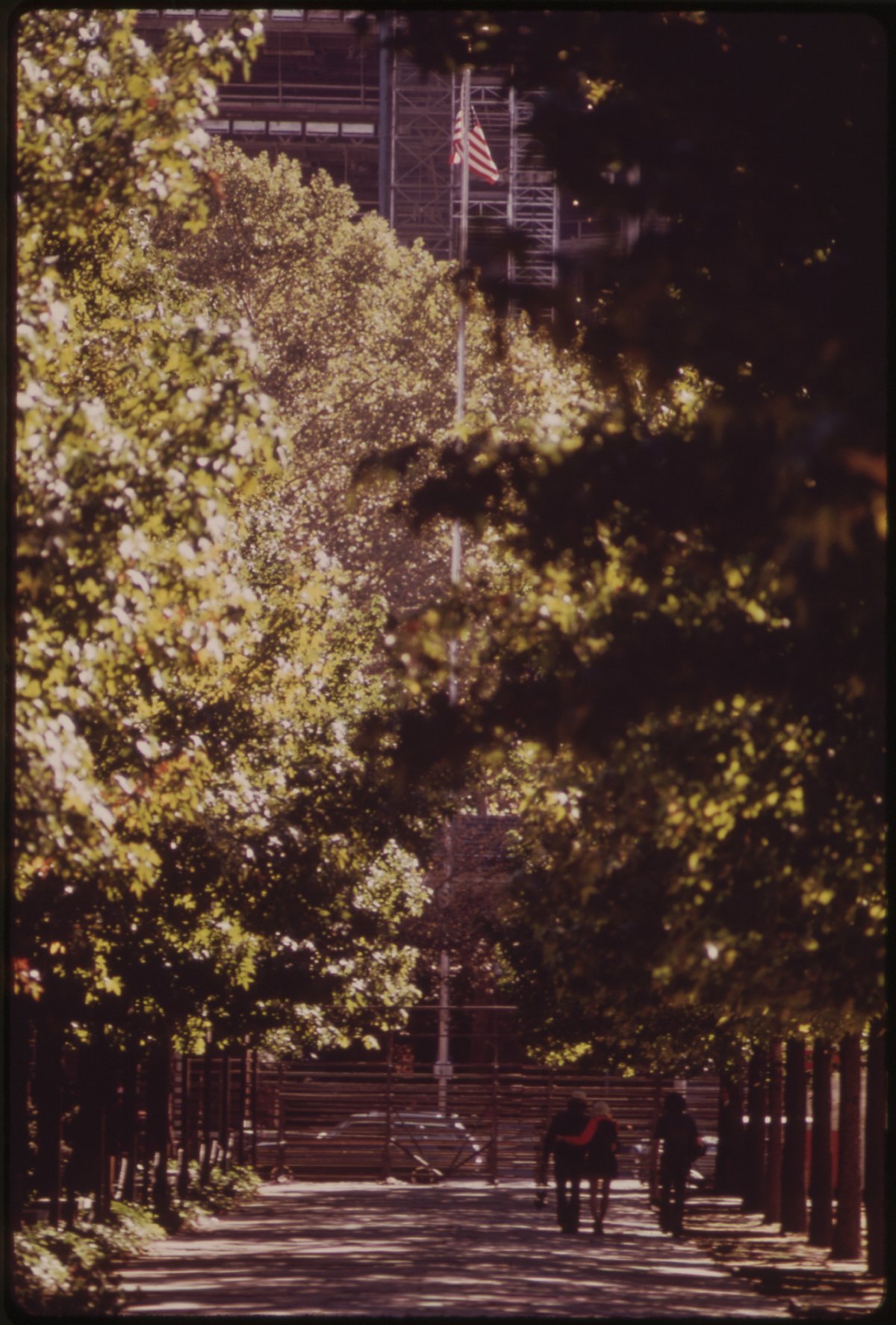
Located near the intersection of Carpenter Lane and Greene Street, the Charles W. Henry School is surrounded by the leafy streets and diverse architecture of Mount Airy. It is adjacent to Germantown, an area renowned for:
- Revolutionary War history
- Antislavery activism
- Progressive models of racial integration and community activism in the 20th century
The school has long served as a bridge between these two historic neighborhoods, both of which are celebrated for diversity, civic engagement, and rich cultural heritage (Wikipedia: Germantown, Philadelphia).
Visitor Information: Hours, Accessibility, and Tours
Charles W. Henry School is an active public school. As such, its visitor policies prioritize student safety and privacy:
- Exterior Viewing: Visitors are welcome to admire the building’s exterior from public sidewalks during daylight hours, typically weekdays 8:00 AM–3:00 PM. Confirm with the school office before your visit.
- Interior Access & Tours: Public tours are not regularly available. Occasional guided tours may be arranged for alumni, prospective families, or during special events; inquire in advance.
- Special Events: The school hosts community events, open houses, and cultural celebrations throughout the year. These are the best opportunities for public access.
- Accessibility: The main entrance is wheelchair accessible. For additional accommodations, contact the school ahead of your visit.
Visitor Guidelines:
- Do not photograph students or enter the building without permission.
- Respect posted signs and staff directions during events.
Nearby Attractions
Combine your visit with other local highlights:
- Wissahickon Valley Park: Urban forest with trails and scenic views
- Cliveden House: Historic site and museum commemorating the Battle of Germantown
- Germantown Avenue: Lined with shops, bakeries, and cultural institutions
- Awbury Arboretum: Public gardens and nature sanctuary
- Local Cafés: High Point Café and other eateries nearby
Educational Mission and Community Role
Charles W. Henry School continues to foster academic achievement, creativity, and social responsibility. With a diverse student body, robust arts programming, and an active Parent Teacher Association, the school is a model for inclusive, community-centered education. Its curriculum emphasizes:
- Social justice and equity
- Arts integration
- Community engagement
Visitor Experience: Architecture and Grounds
Visitors enjoying the grounds will notice:
- Original architectural features: Red brick, limestone accents, large windows
- Community garden: Maintained by students and volunteers, with educational signage
- Playground and fields: Accessible outside of school hours
- Historic interiors: During events or tours, observe hardwood floors, high ceilings, and hallways adorned with historical photographs and student art
Frequently Asked Questions (FAQ)
Q: Are there regular visiting hours for the public?
A: The building is open to the public only during scheduled events or by appointment. Exterior viewing is always permitted from public sidewalks.
Q: Is there an admission fee or ticket required?
A: No, there is no fee for attending public events or tours. Guided tours require advance arrangement.
Q: Is the site accessible for visitors with disabilities?
A: The main entrance is wheelchair accessible. Contact ahead for other accommodations.
Q: Can I take photographs?
A: Photography of the exterior is permitted. Do not photograph students or interiors without explicit permission.
Q: How do I schedule a tour or attend an event?
A: Check the school’s official website or contact the main office for details on upcoming events and tour availability.
Discover More
Charles W. Henry School stands as a living monument to Philadelphia’s educational and architectural history—a site where past and present converge. While interior access is limited, exterior views, special events, and community activities invite visitors to experience its enduring legacy. Enhance your visit by exploring nearby historic sites and local culture in Mount Airy and Germantown.
To stay informed:
- Visit the official school website
- Follow the Philadelphia Historical Commission for updates
- Download the Audiala app for guided tours and heritage resources
Listen to the full story in the app
The whole Charles W. Henry School,
told well.
Audio guides for 1,100+ cities across 96 countries. History, stories, and local insight — offline ready.
Verified, and shown.
Researched and written by the Audiala editorial team from historical records, architectural archives, and local expertise.
Henry School: A Historic Philadelphia Landmark in Mount Airy, 2025, Philadelphia Historical Commission
Henry School Historical Landmark: Visitor Guide and Travel Tips, 2025, School District of Philadelphia
Henry School: Hours, Tours, History & Mount Airy Attractions, 2025, School District of Philadelphia
Henry School
Researched from Wikidata, Wikipedia & official sources · fact-checked · How we make our guides →