Plan and listen to Boathouse Row with Audiala.
Audio guide in your pocket, itinerary in your browser. Built for the way you actually visit.
Introduction
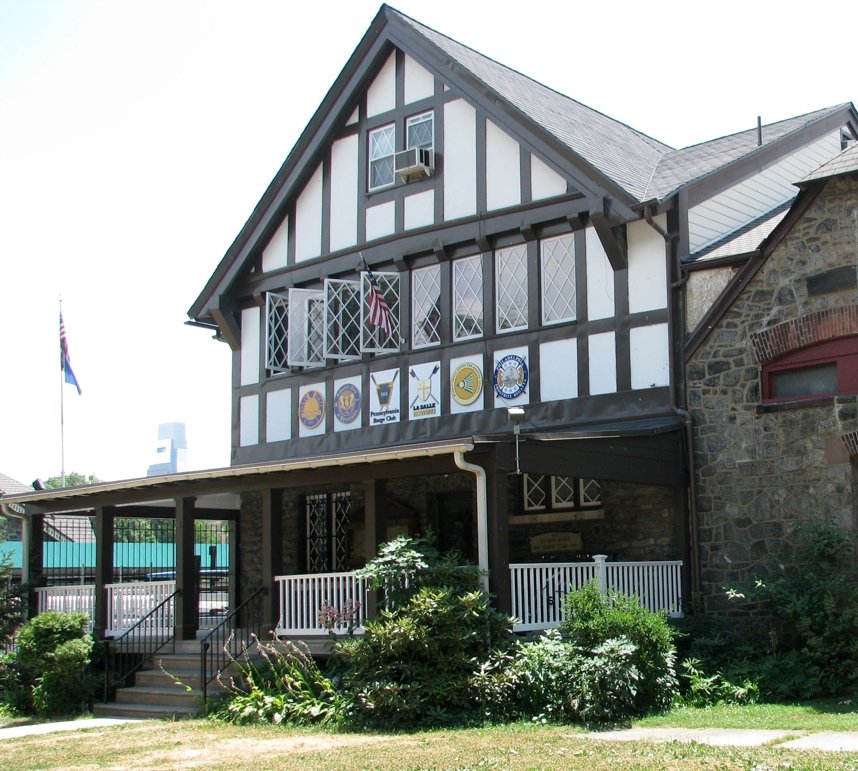
Nestled along the picturesque Schuylkill River, Boathouse Row is a cherished landmark in Philadelphia, famed for its rich history, vibrant rowing culture, and stunning Victorian architecture. This iconic site, consisting of 15 historic boathouses, reflects the evolution of rowing from a utilitarian necessity to a celebrated sport and social activity. Founded in the mid-19th century, Boathouse Row has become a symbol of Philadelphia’s sporting spirit and architectural heritage. Each boathouse tells a unique story, from the early days of rowing clubs to the grand Victorian era, and continues to be a hub for rowing enthusiasts and visitors alike. This comprehensive guide delves into the history, cultural significance, and visitor information for Boathouse Row, ensuring an enriching and memorable experience for all who visit. (Visit Philly, Schuylkill River Development Corporation)

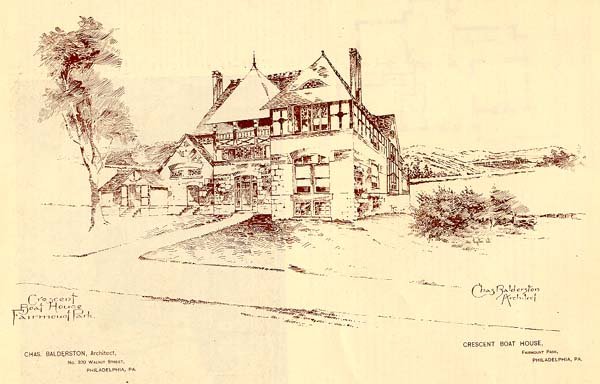

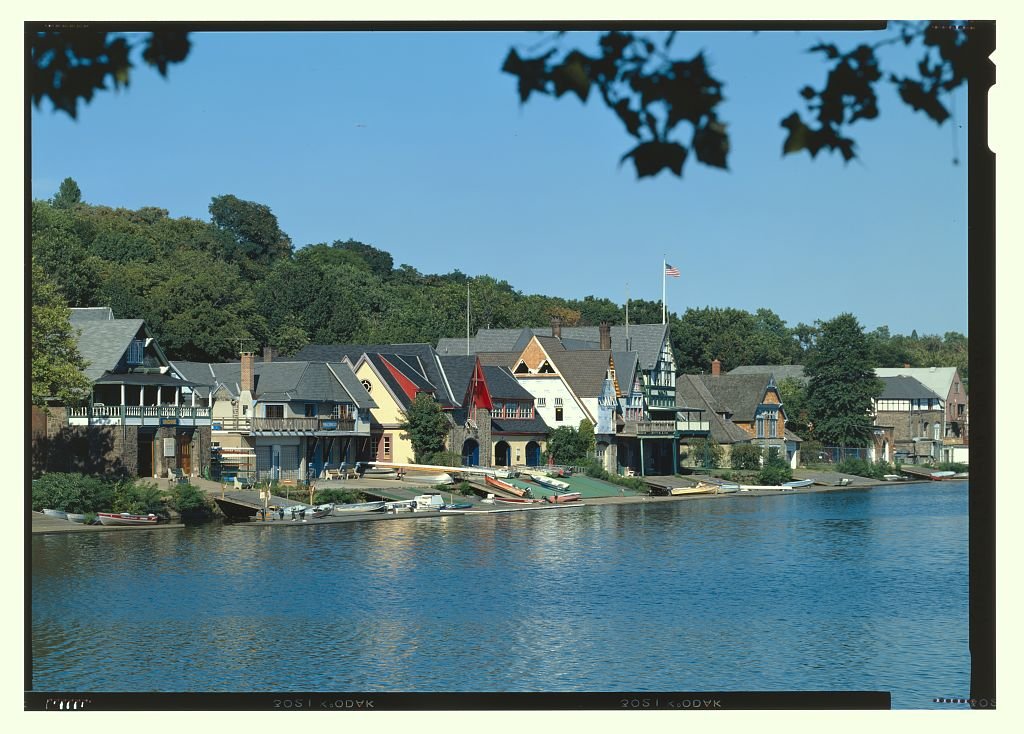
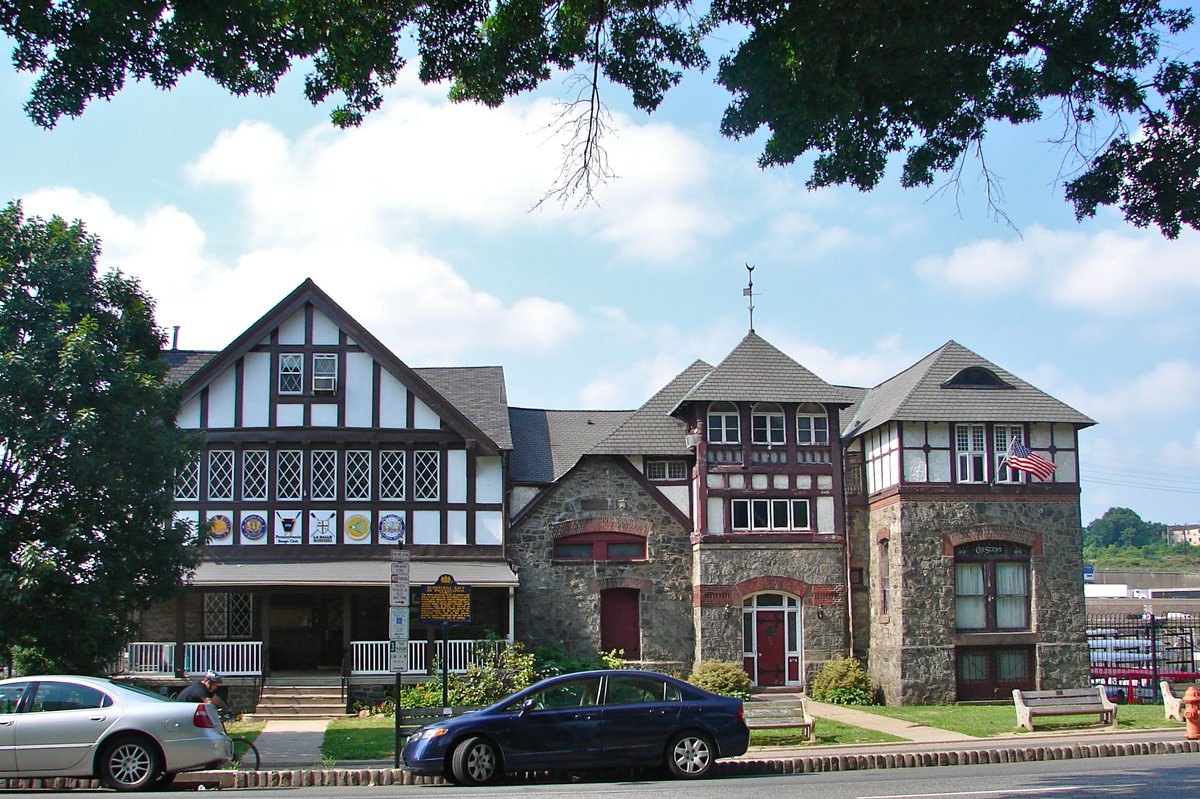
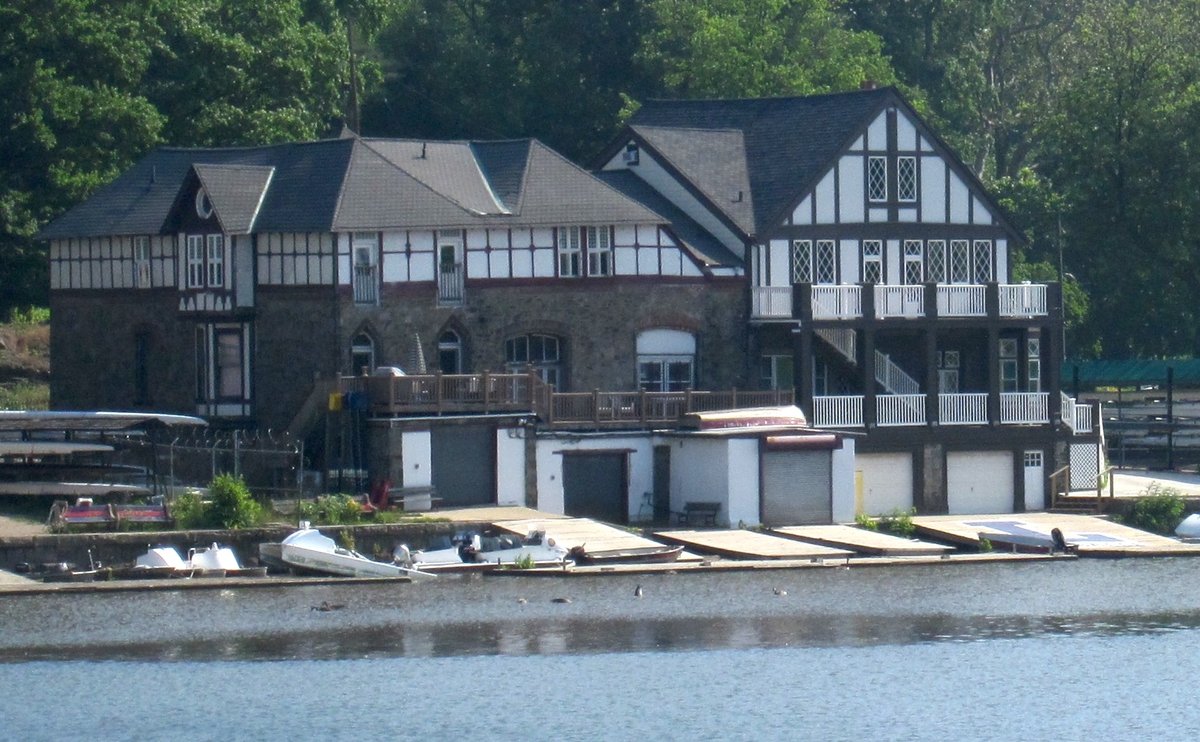
A History of Oars and Ornate Clubhouses
Boathouse Row's story intertwines with the development of Philadelphia and the sport of rowing itself. What began as a practical necessity for river access evolved into a symbol of the city's sporting spirit and architectural charm.
Early Days and the Birth of Rowing Clubs
The Schuylkill River served as a vital waterway for early Philadelphians, and its banks naturally attracted boat builders and watermen. By the mid-19th century, as leisure activities gained popularity, rowing emerged as a favored pastime. Gentlemen formed rowing clubs, initially gathering in simple sheds along the river.
The first boathouse, belonging to the Undine Barge Club, appeared in 1854. This marked a turning point, as other clubs followed suit, constructing their own clubhouses. These early structures were modest, primarily focused on functionality rather than aesthetics.
The Golden Age - From Utility to Grandeur
The latter half of the 19th century witnessed a surge in rowing's popularity, fueled by inter-club competitions and a growing sense of civic pride. Boathouse Row transformed into a showcase of architectural styles, with clubs vying to outdo each other in grandeur.
- Victorian Elegance - Clubs embraced the ornate details of Victorian architecture, adorning their boathouses with elaborate gables, intricate woodwork, and colorful paint schemes. The Malta Boat Club, established in 1860, exemplifies this style with its distinctive Second Empire design. (Visit Philly)
- Collegiate Gothic - Drawing inspiration from university buildings, some clubs opted for the Collegiate Gothic style, characterized by pointed arches, steep roofs, and a sense of verticality. The Vesper Boat Club, founded in 1865 and renowned for its Olympic rowing legacy, boasts a striking example of this architectural style. (Vesper Boat Club)
This period also saw the development of Boathouse Row's social scene. Clubhouses became hubs for gatherings, dances, and celebrations, solidifying their role as important social institutions within Philadelphia society.
Challenges and Transformations
The 20th century brought challenges for Boathouse Row. Pollution in the Schuylkill River threatened the sport, and societal changes led to shifting priorities. However, the clubs adapted and persevered.
- Cleaning the Schuylkill - Efforts to clean up the river gained momentum in the mid-20th century, eventually restoring it to a usable and enjoyable waterway. This revitalization breathed new life into rowing and ensured the continued existence of Boathouse Row. (Schuylkill River Development Corporation)
- Women in Rowing - While women had long been involved in rowing, the 20th century saw the rise of women's rowing clubs on Boathouse Row. The Philadelphia Girls' Rowing Club, established in 1938, paved the way for greater female participation in the sport. (Philadelphia Girls' Rowing Club)
Boathouse Row Today - A Legacy of Tradition and Progress
Today, Boathouse Row stands as a testament to Philadelphia's rich rowing history and enduring spirit. The 15 boathouses, each with its own unique story and architectural style, continue to be active hubs for rowing clubs, drawing athletes of all ages and skill levels.
- Preservation and Recognition - Boathouse Row is recognized as a National Historic Landmark, ensuring its preservation for future generations. The Schuylkill River Development Corporation plays a vital role in maintaining the beauty and vitality of the area. (Schuylkill River Development Corporation)
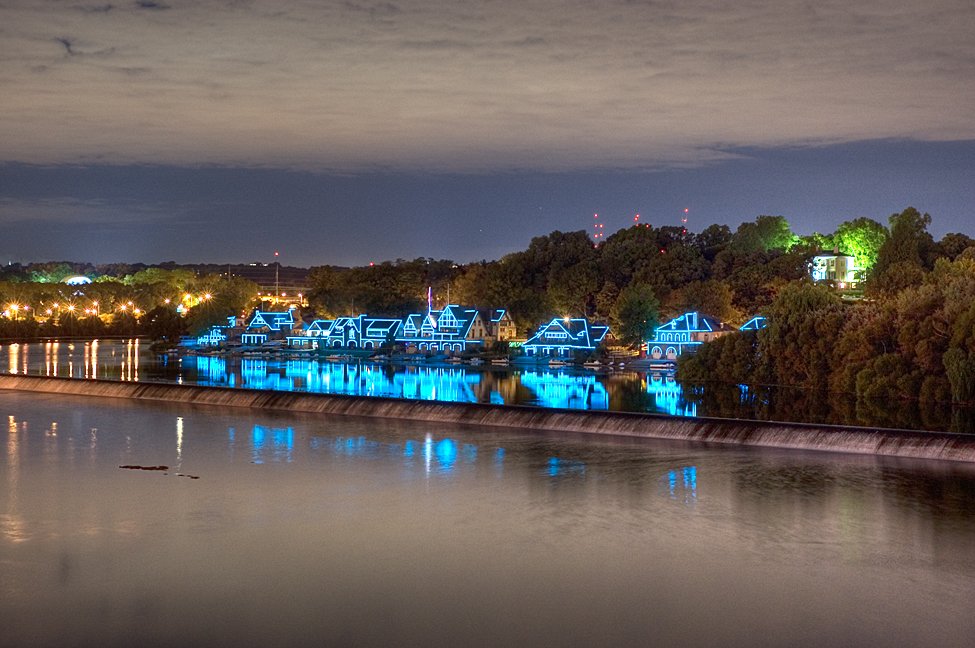
- A Philadelphia Icon - The illuminated boathouses, a tradition that began in 1979, create a magical spectacle at night, drawing locals and tourists alike. Boathouse Row remains a beloved symbol of Philadelphia's history, athleticism, and architectural heritage. (Visit Philly)
Visitor Information
For those planning to visit, here are some essential details:
- Visiting Hours - Boathouse Row is generally accessible to the public year-round. However, specific clubhouse hours may vary, so it's recommended to check with individual clubs. The best times to visit are during daylight hours and in the evening when the boathouses are illuminated.
- Ticket Prices - There is no general admission fee to view Boathouse Row from the outside. Some clubs may offer tours for a fee.
- Tours - Guided tours are available and can provide deeper insights into the history and architecture of Boathouse Row. Check with local tour operators for availability and pricing.
Travel Tips
- Getting There - Boathouse Row is conveniently located near Philadelphia's city center. Visitors can reach it by car, with parking available nearby. Public transportation options include buses and trains that stop within walking distance.
- Parking Information - There are several parking lots and street parking options available around Boathouse Row. Be sure to check for any parking restrictions.
- Local Transportation - Philadelphia's public transportation system, SEPTA, offers convenient access to Boathouse Row. Consider using buses or trains for an easy and eco-friendly travel option.
Nearby Attractions
While visiting Boathouse Row, consider exploring other nearby attractions:
- Philadelphia Museum of Art - Just a short walk away, this museum houses an impressive collection of art from around the world.
- Fairmount Park - One of the largest urban park systems in the country, offering beautiful trails, gardens, and recreational activities.
- Eastern State Penitentiary - A historic prison turned museum, offering fascinating tours and exhibits.
Accessibility
Boathouse Row strives to be accessible to all visitors. Here are some key accessibility features:
- Wheelchair Access - Many areas around Boathouse Row are wheelchair accessible. However, individual clubhouses may have varying levels of accessibility.
- Facilities for Disabled Visitors - Restrooms and other facilities are available nearby, with some designed to accommodate disabled visitors.
FAQ
- What are the visiting hours for Boathouse Row? Boathouse Row is generally accessible year-round, with the best times to visit being during daylight hours and in the evening when the boathouses are illuminated.
- Are there guided tours available at Boathouse Row? Yes, guided tours are available and provide deeper insights into the history and architecture of Boathouse Row.
Discover More
Boathouse Row remains a vibrant symbol of Philadelphia's history and rowing heritage. To stay updated on events and news, follow Boathouse Row on social media, check out related posts on our site, and download our mobile app for more information.
From humble beginnings as a collection of functional sheds, Boathouse Row has evolved into a cherished landmark, reflecting the changing tides of Philadelphia's history and the enduring allure of rowing on the Schuylkill River. (Visit Philly, Schuylkill River Development Corporation, Vesper Boat Club)
Listen to the full story in the app
The whole Boathouse Row,
told well.
Audio guides for 1,100+ cities across 96 countries. History, stories, and local insight — offline ready.
Verified, and shown.
Researched and written by the Audiala editorial team from historical records, architectural archives, and local expertise.
Researched from Wikidata, Wikipedia & official sources · fact-checked · How we make our guides →