
Historical Background
Origins and Construction
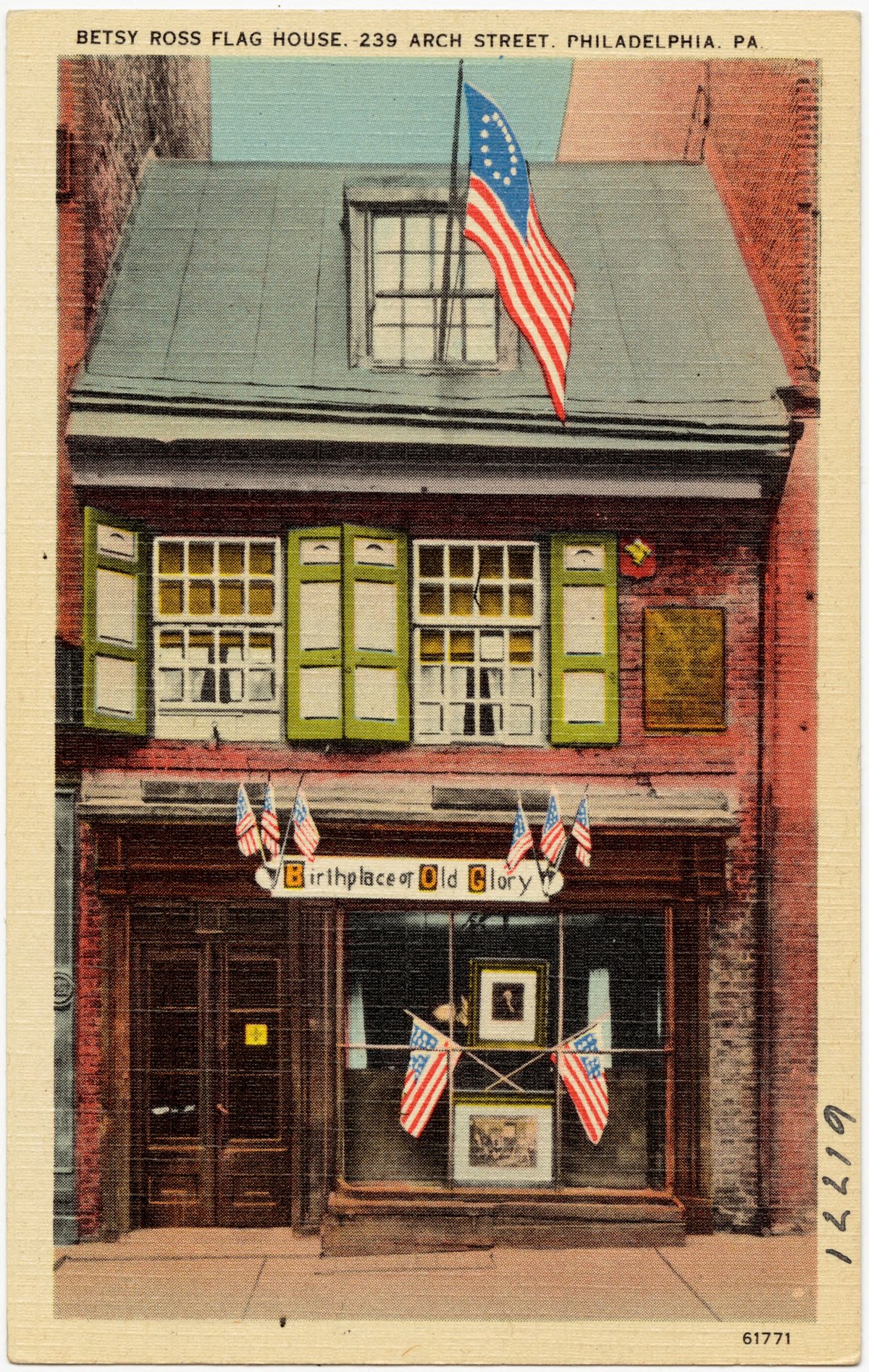
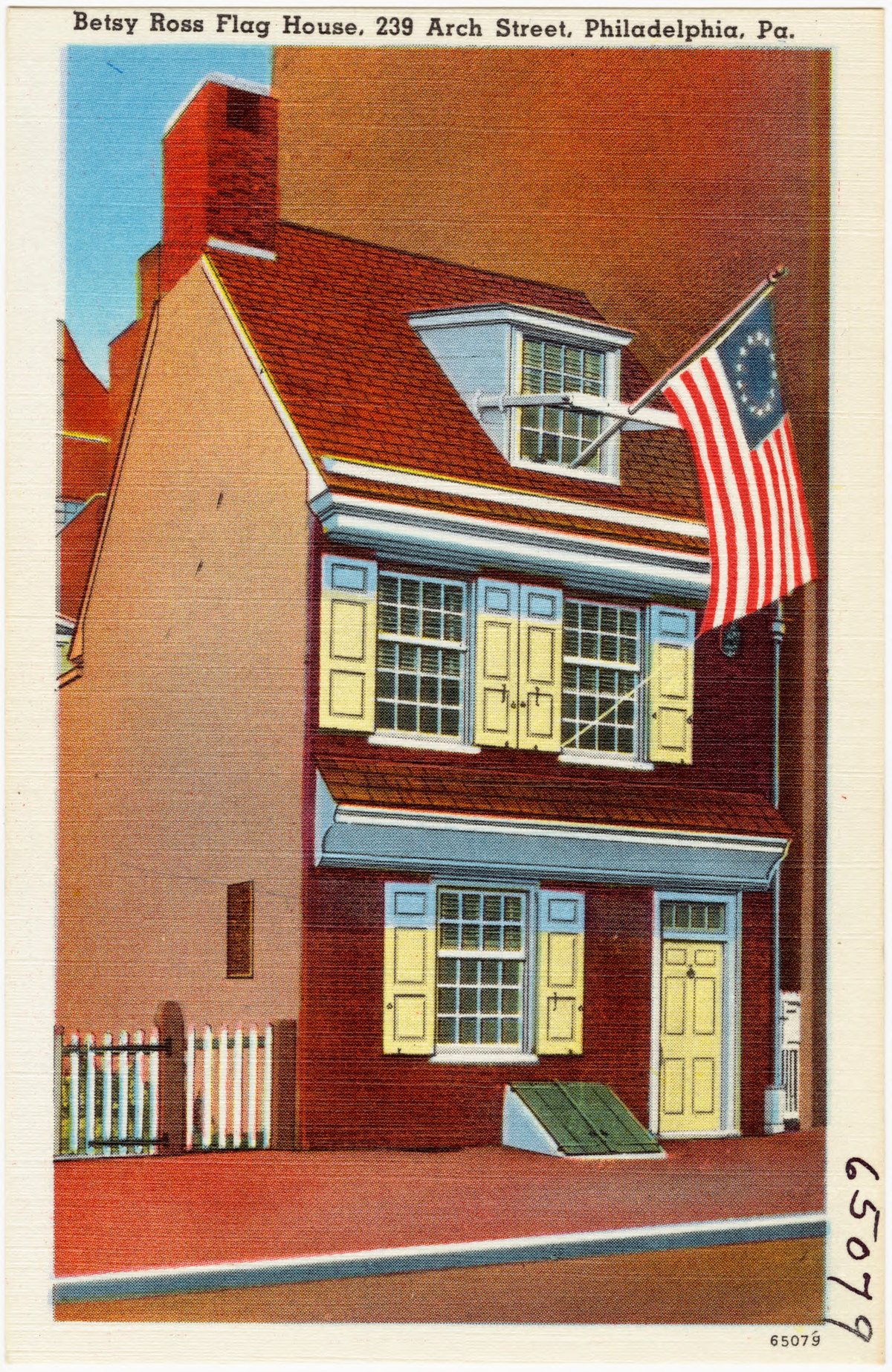
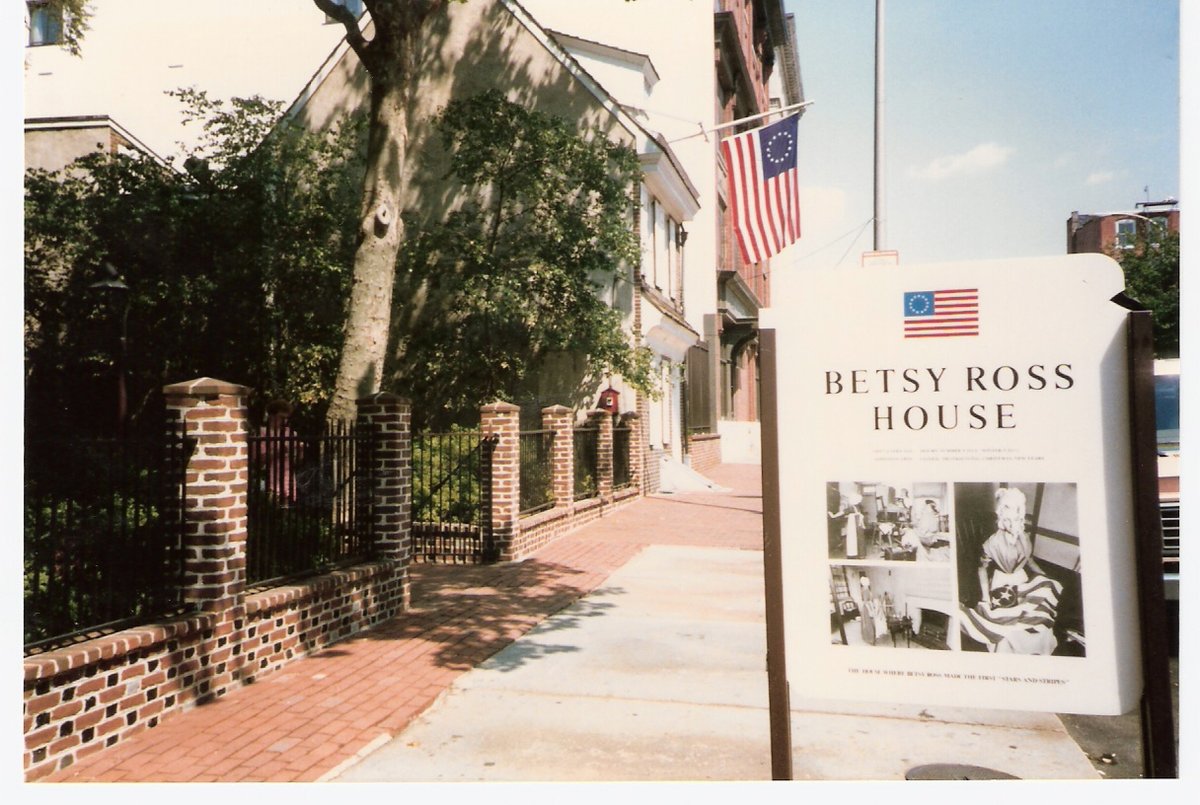
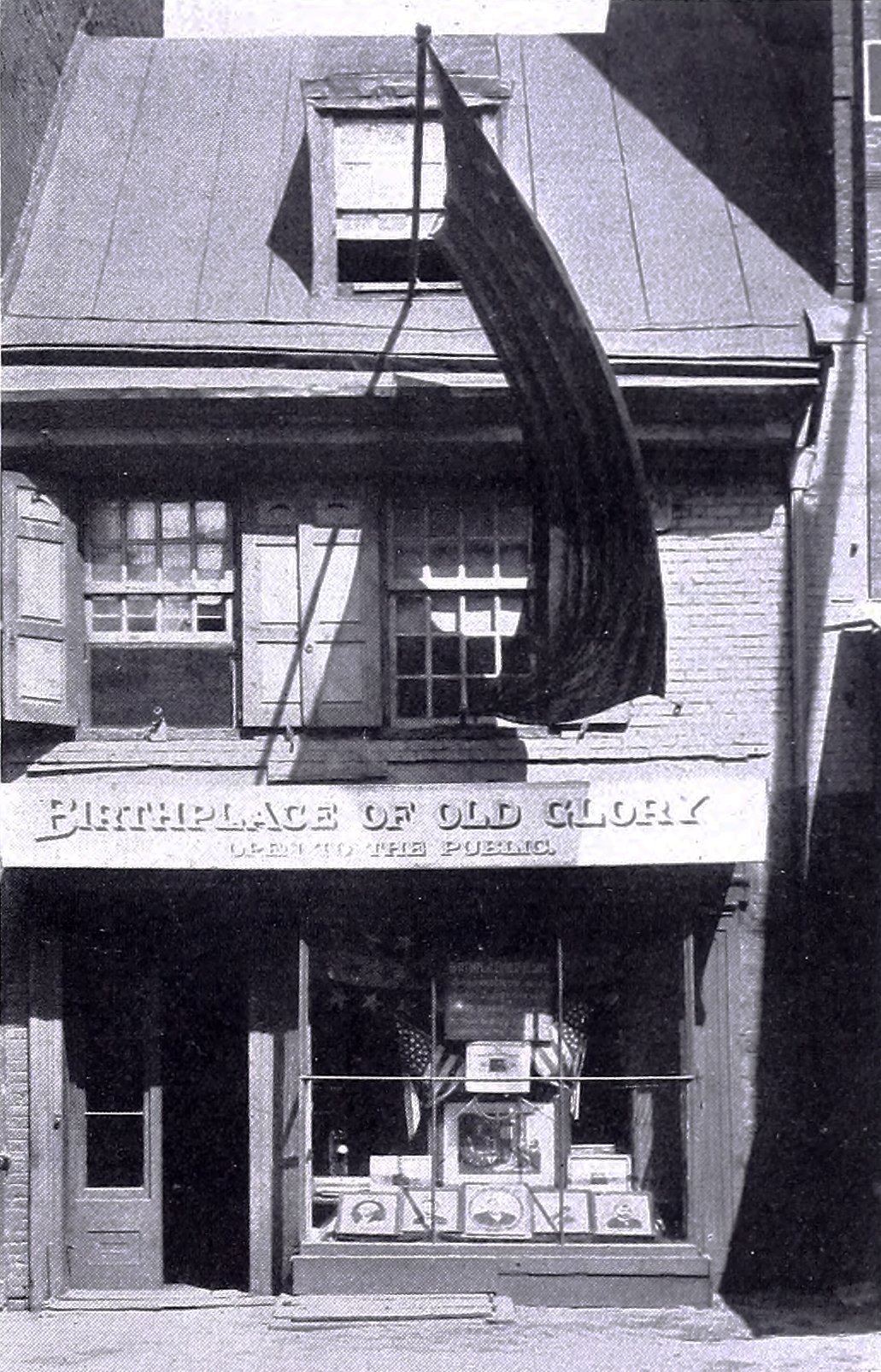
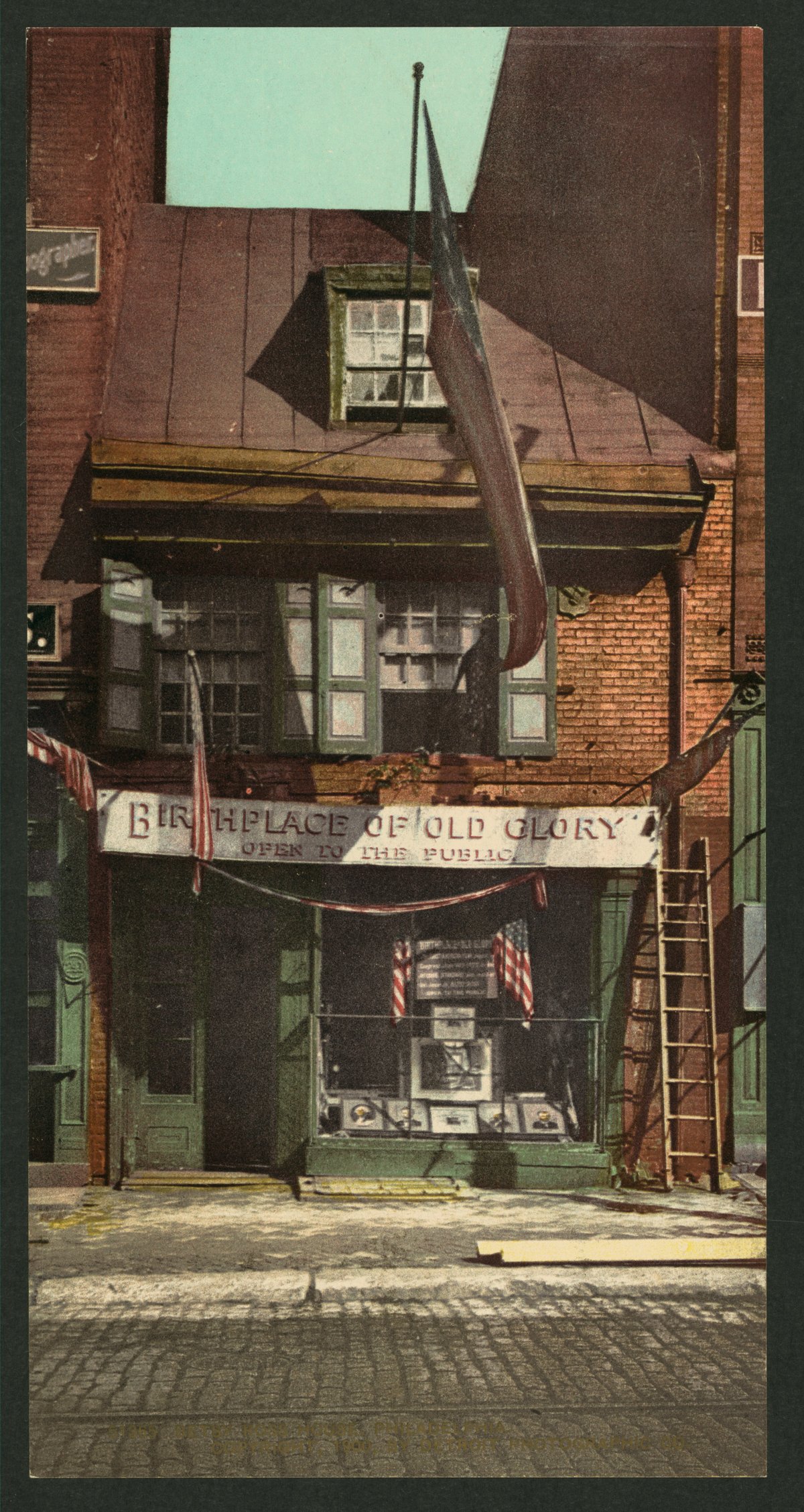
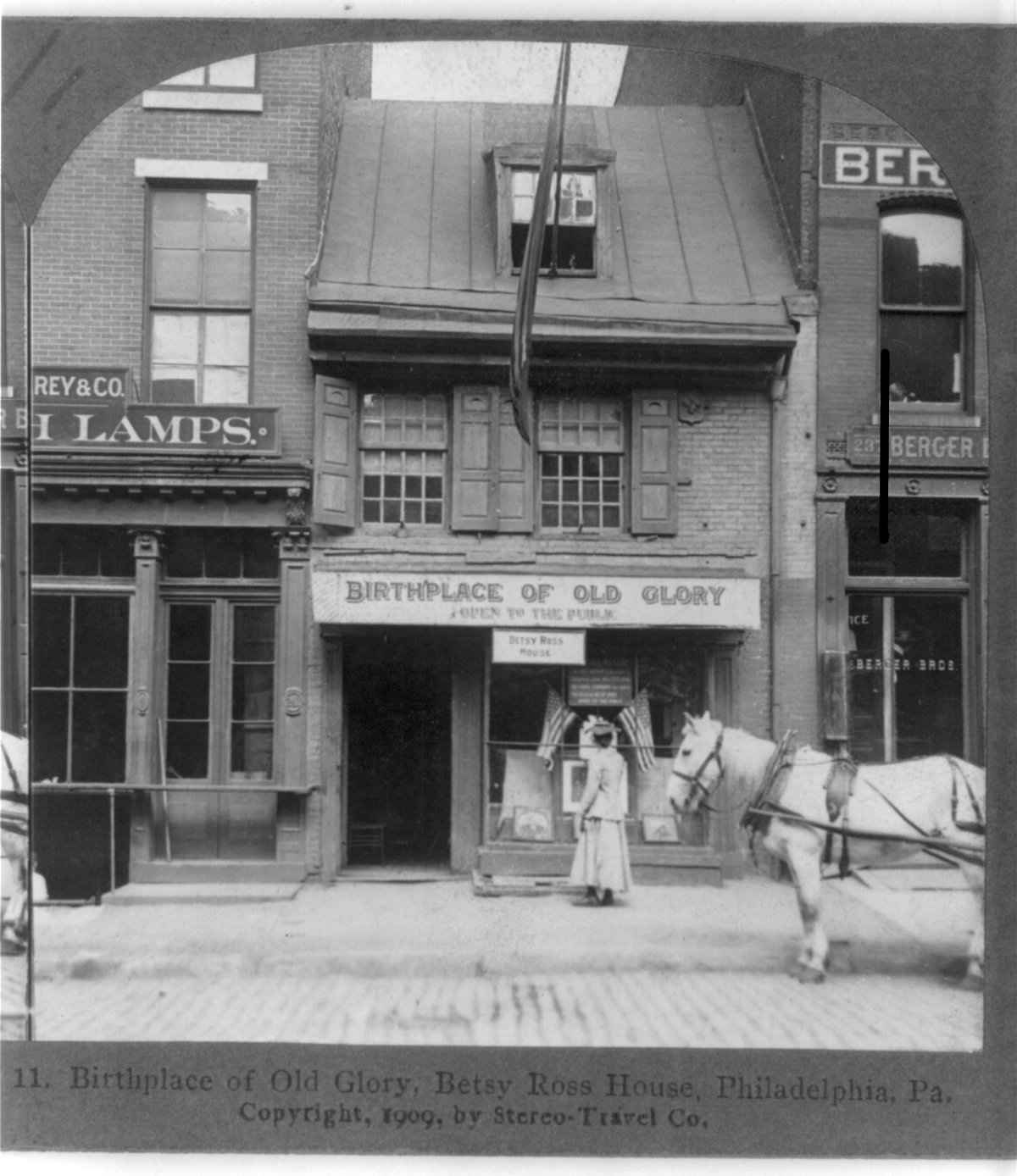
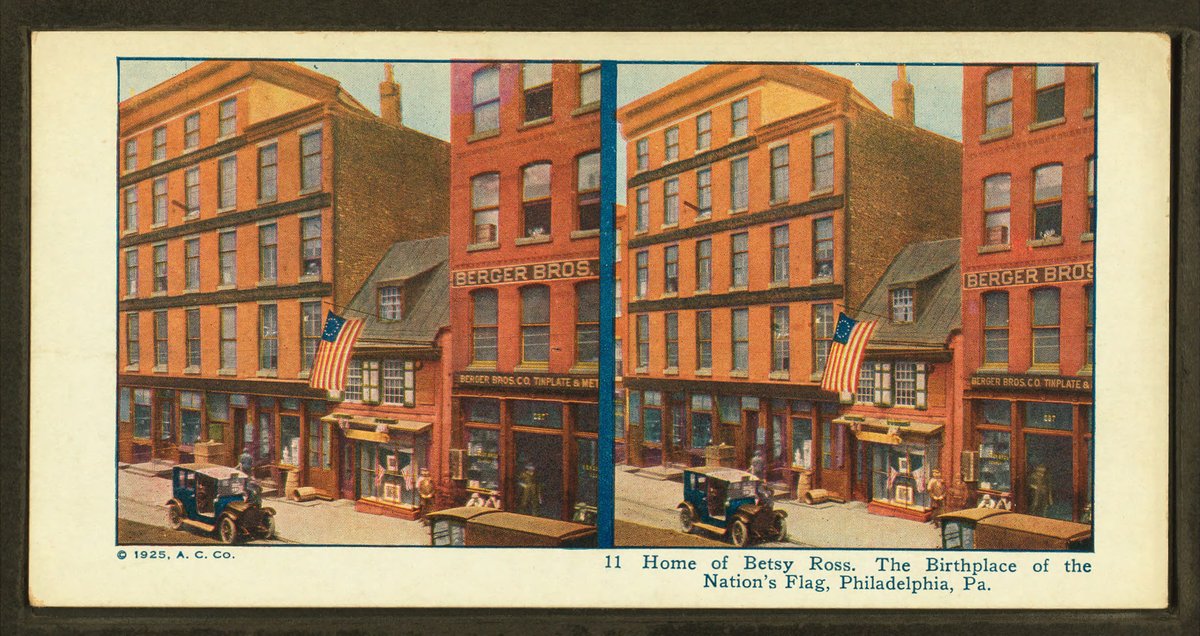
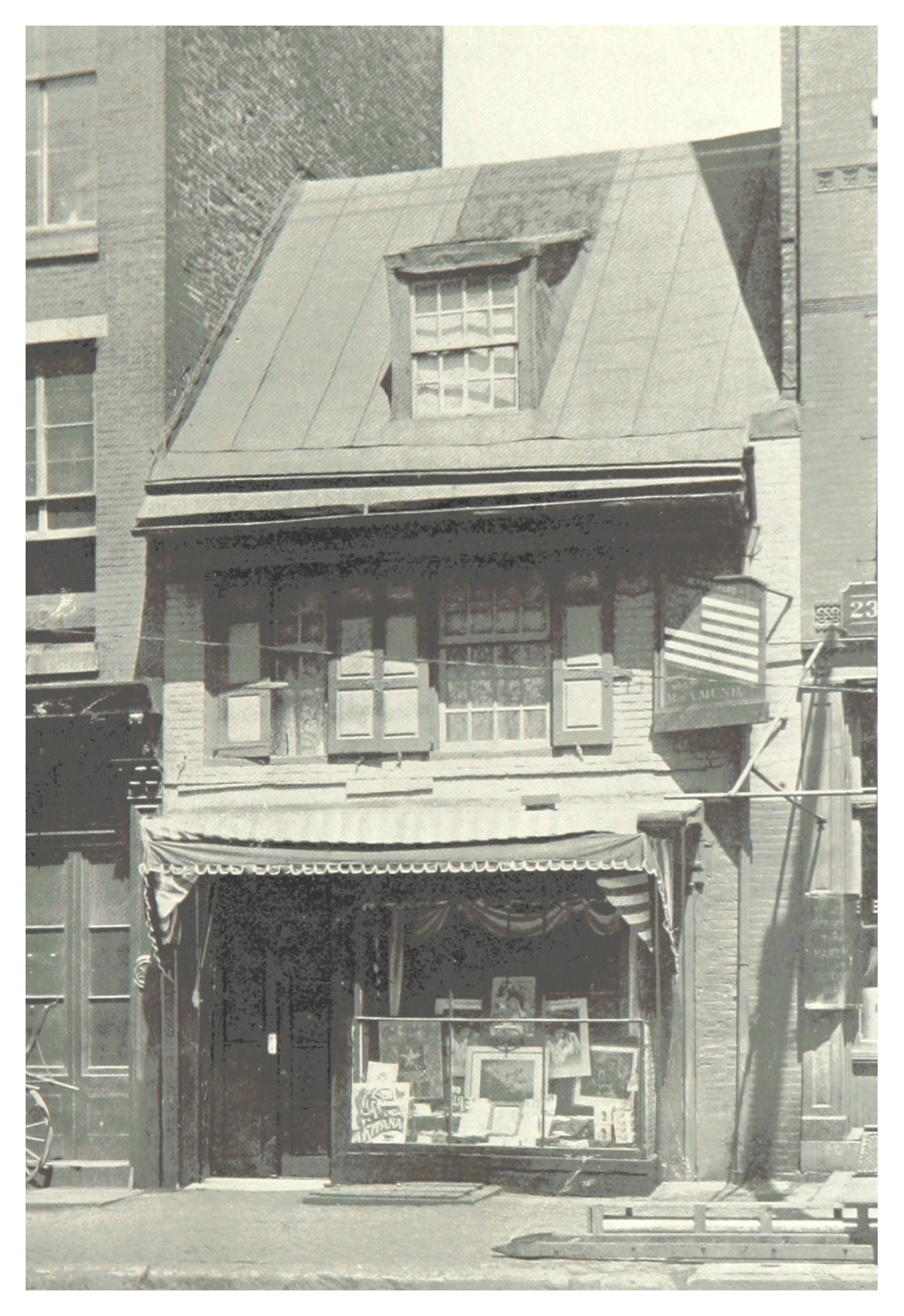
The Betsy Ross House was constructed around 1740, with additional sections built by the mid-18th century. Its narrow, multi-roomed Georgian design typifies colonial Philadelphia homes (Wikipedia). Originally, the building combined a street-level shop with living quarters above, reflecting the urban lifestyle of colonial tradespeople (Historic Philadelphia Gazette).
Betsy Ross: Life and Residency
Betsy Ross (née Elizabeth Griscom, 1752) was an accomplished upholsterer. After the death of her first husband, John Ross, in 1776, she lived and ran her business at this address. While the precise dates of her residency are debated, historians generally agree she lived here between 1776 and 1779 (Historic Philadelphia).
The Flag Legend and Historical Debate
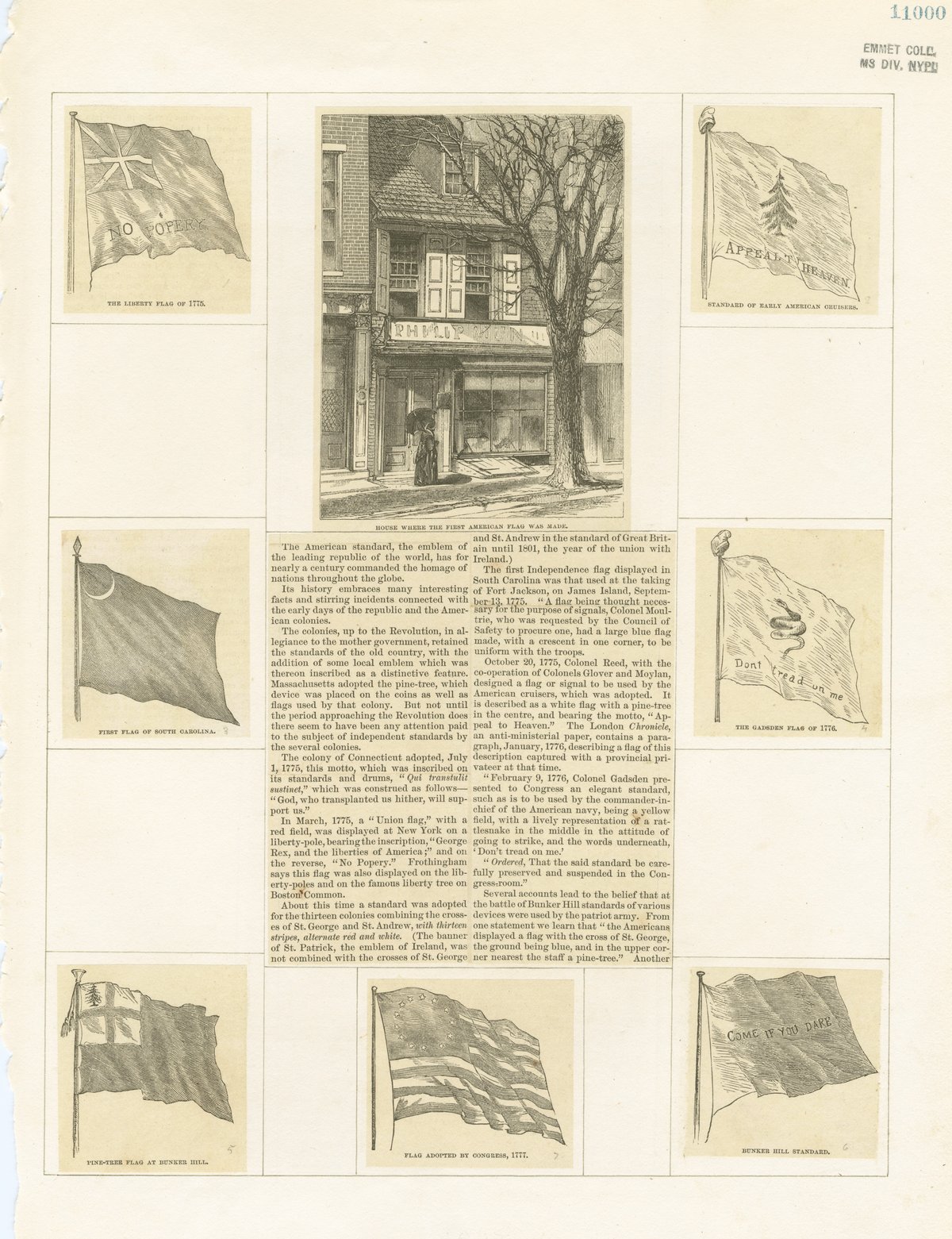
The enduring legend claims Betsy Ross sewed the first American flag in 1776 after meeting with George Washington and a committee of the Continental Congress. Although this story is rooted in family oral tradition and was first made public in 1876, its historical accuracy remains unclear. Despite this, the house is a powerful symbol of American independence and women’s roles in shaping the nation (Best Attractions).
Visiting the Betsy Ross House
Hours of Operation
- Standard Hours Open daily from 10:00 AM to 5:00 PM.
- Seasonal Variations Closed Mondays and Tuesdays from December to February. Always check the official Betsy Ross House website for seasonal adjustments or special event hours (thegeographicalcure.com).
Ticket Prices and How to Purchase
- Adults $8–$10
- Seniors, students, children (ages 6–12), and military (with ID) $6–$8
- Children under 3 Free
- Audio Tour Additional $2 (often included with tourist passes)
- Discounts Various sightseeing passes like Go City Pass and Sightseeing Pass offer savings (sightseeingpass.com)
- How to Buy Tickets can be purchased onsite or reserved online for convenience (thegeographicalcure.com)
Directions and Accessibility
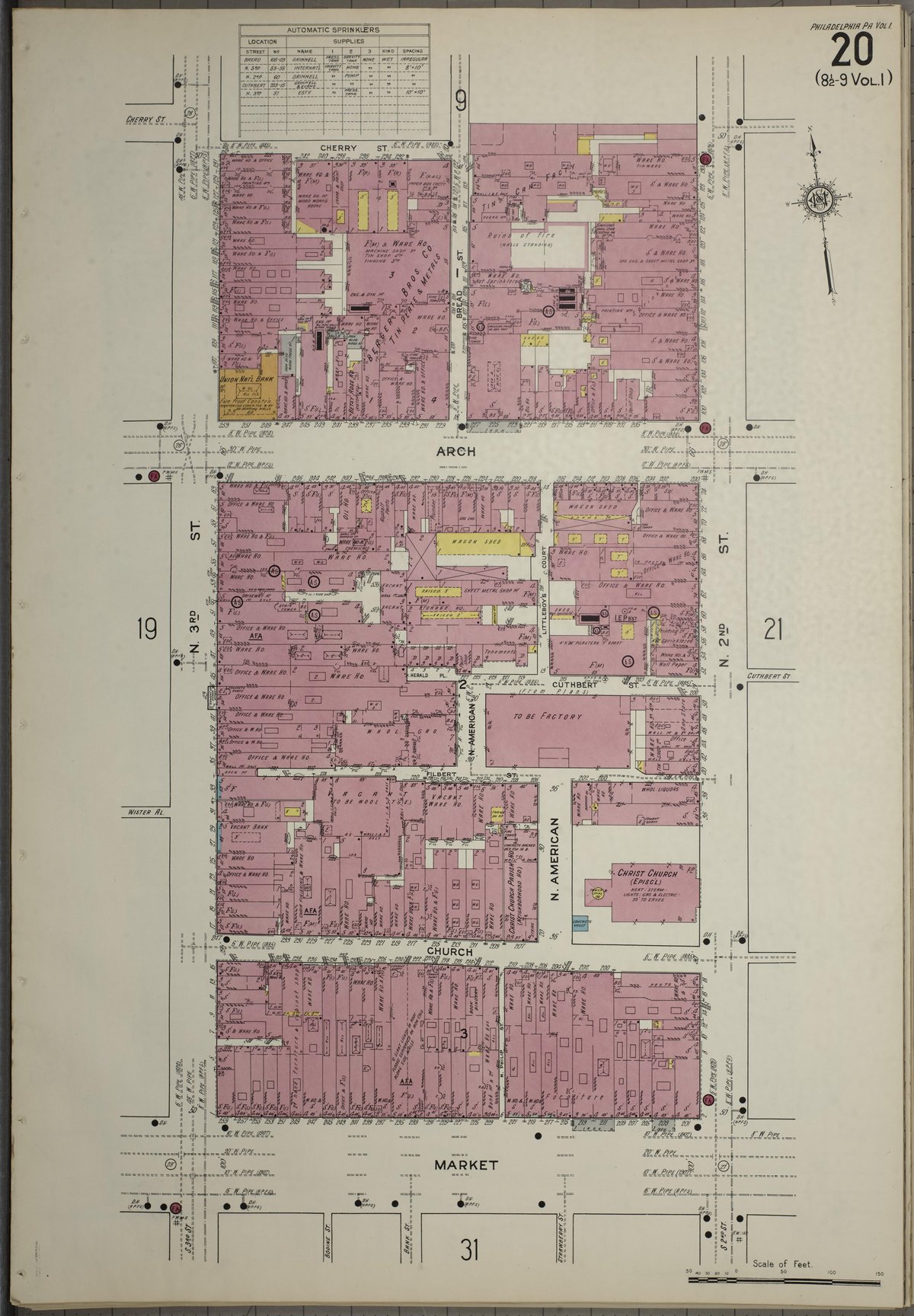
- Address 239 Arch Street, Philadelphia, PA 19106
- Public Transit Easily reached via SEPTA’s Market-Frankford Line (2nd Street Station) and multiple bus routes.
- Parking Limited street parking; paid garages nearby (Independence Mall, National Constitution Center).
- Hop-On Hop-Off Bus Stops near the Betsy Ross House (thegeographicalcure.com).
- Wheelchair Accessibility The first floor, courtyard, and museum store are accessible; upper floors are not due to the historic structure. A special “First Floor Tour” is available for those with mobility needs (quickwhittravel.com).
Tours, Events, and Educational Programs
- Self-Guided Tours Navigate the house at your own pace, with designated routes to manage visitor flow (carltonautstraveltips.com).
- Audio Guides Available for adults and children, featuring narration by “Betsy Ross” and interactive content (thegeographicalcure.com).
- Guided Tours Costumed interpreters portray Betsy Ross and other colonial-era figures, sharing stories and answering questions (quickwhittravel.com).
- Live Demonstrations Watch historic upholstery and flag-making techniques, and see innovations like the five-pointed star (quickwhittravel.com).
- Special Events
- Flag-raising ceremonies for children (Memorial Day–Labor Day)
- Colonial craft workshops and storytelling in the courtyard
- Twilight tours, Halloween, Women’s History Month, and Flag Day celebrations
(Historic Philadelphia Gazette)
Exhibits and Interpretation
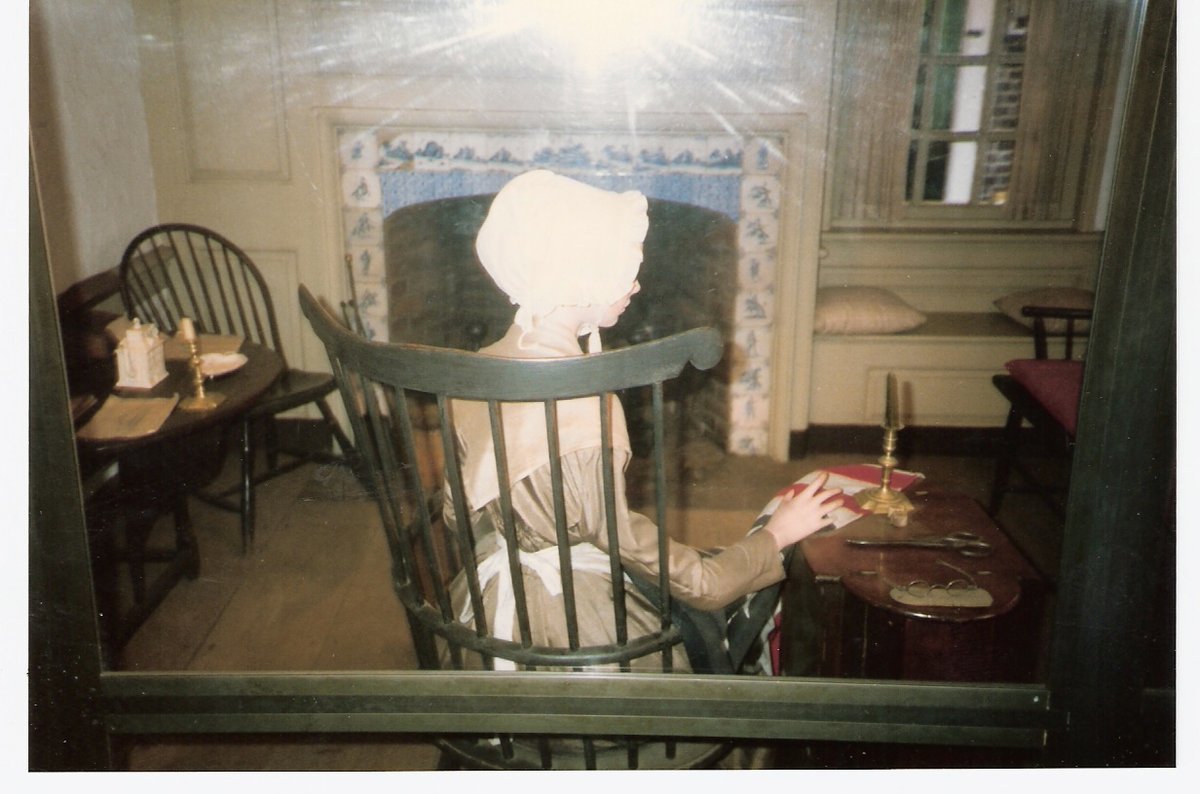
- Upholstery Shop Tools and techniques from Betsy’s trade (thenomadiclocal.com).
- Parlor Legends say this is where the Flag Committee met with Ross.
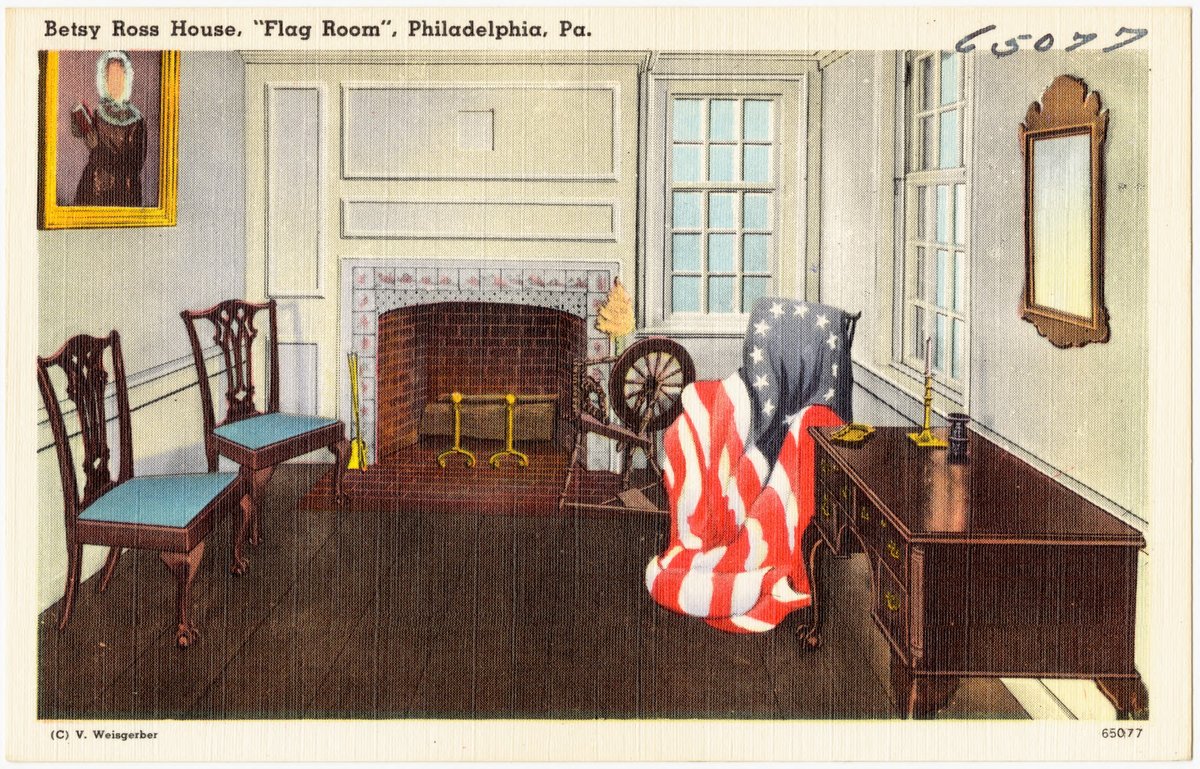
- Bedroom Period furnishings, believed to be where the first flag was sewn.
- Kitchen/Living Spaces Authentic artifacts depicting colonial daily life.
- Basement Interpreted as Ross's workspace for making musket cartridges (visitphilly.com).
- Gallery Rotating exhibits on colonial life, flag-making, and artifacts like Ross’s family Bible and eyeglasses.
- Meet Phillis Interpreter portraying a free Black woman from the era, sharing stories about African American life (visitphilly.com).
Courtyard, Garden, and Gravesite
- Courtyard Landscaped garden and fountain, offering a peaceful retreat (worldhistoryedu.com).
- Gravesite Final resting place of Betsy Ross and her third husband, John Claypoole, reinterred here in 1975 (visitphilly.com).
- Medicinal Herb Garden Features plants historically used for colonial medicine (quickwhittravel.com).
Visitor Amenities
- Gift Shop Offers souvenirs, books, and patriotic gifts (carltonautstraveltips.com).
- Restrooms Available onsite.
- Photography Permitted in most areas, with some flash restrictions.
- Dining No on-site café, but Old City and Reading Terminal Market offer nearby options (gettysburgbattlefieldtours.com).
Nearby Philadelphia Historical Sites
- Elfreth’s Alley Oldest continuously inhabited residential street in the U.S.
- Christ Church “Nation’s Church,” where Ross worshipped.
- Christ Church Burial Ground Resting place of Benjamin Franklin.
- Independence Hall & Liberty Bell Key sites in U.S. history.
- Museum of the American Revolution In-depth exhibits on the Revolution.
Many of these attractions are a short walk from the Betsy Ross House, making it easy to create a full-day historical itinerary (pabucketlist.com).
Practical Tips for Your Visit
- Arrive Early For a quieter experience, visit during weekday mornings or late afternoons.
- Allow Time Set aside 45–60 minutes to explore fully.
- Wear Comfortable Shoes Cobblestone streets and narrow stairs can be challenging.
- Check for Updates Always verify current hours and event schedules on the official website.
- Accessibility Contact the museum ahead of time for any special needs or accommodations.
Frequently Asked Questions (FAQ)
Q: What are the Betsy Ross House visiting hours?
A: Open daily from 10:00 AM to 5:00 PM; closed Mondays and Tuesdays from December to February. Check the official website for updates.
Q: How much are tickets?
A: Adults $8–$10; seniors, students, children (6–12), and military $6–$8; children under 3 free; audio tour extra.
Q: Is the house wheelchair accessible?
A: The first floor, courtyard, and store are accessible; upper floors are not.
Q: Are guided tours available?
A: Yes—self-guided, audio, and costumed interpreter-led tours are all offered.
Q: Can I take photos inside?
A: Non-flash photography is generally allowed; check with staff for restrictions.
Q: What are nearby attractions?
A: Elfreth’s Alley, Christ Church, Independence Hall, Liberty Bell, and Museum of the American Revolution.