Plan and listen to Bartram'S Garden with Audiala.
Audio guide in your pocket, itinerary in your browser. Built for the way you actually visit.
Introduction to Bartram's Garden
Bartram’s Garden, nestled along the Schuylkill River in Philadelphia, stands as a living legacy of America’s botanical innovation and cultural heritage. Established in 1728 by John Bartram, a pioneering self-taught botanist and Quaker farmer, this National Historic Landmark offers a unique convergence of Indigenous history, Enlightenment science, and vibrant community life. The land carries deep significance, with archaeological evidence of Indigenous habitation dating back to 3000 BCE, marking it as part of Lenapehoking, the ancestral homeland of the Lenape people (Bartram’s Garden History).
Today, Bartram’s Garden encompasses approximately 50 acres of gardens, wetlands, meadows, and woodlands. Visitors can explore rare plant specimens, such as the Franklinia alatamaha and one of the oldest ginkgo trees in North America, while engaging with year-round educational and cultural programs (Visit Philly; City Cast Philly). This guide provides comprehensive information about the garden’s historical significance, visiting hours, ticketing, accessibility, unique features, and practical tips to enhance your experience at one of Philadelphia’s most cherished historical sites (Bartram’s Garden Official Website).

Early History and Indigenous Presence
The land that is now Bartram’s Garden has been a site of human activity for over 5,000 years. Archaeological finds reveal seasonal Indigenous habitation as early as 3000 BCE, with evidence of fishing, hunting, and gathering of native plants along the Schuylkill River’s tidal wetlands. Artifacts such as stone tools and ceramic vessels are preserved in the John Bowman Bartram Special Collections Library (Bartram’s Garden History). This site forms part of Lenapehoking, and ongoing research and programming at the garden continue to honor Indigenous histories.
John Bartram and the Founding of the Garden
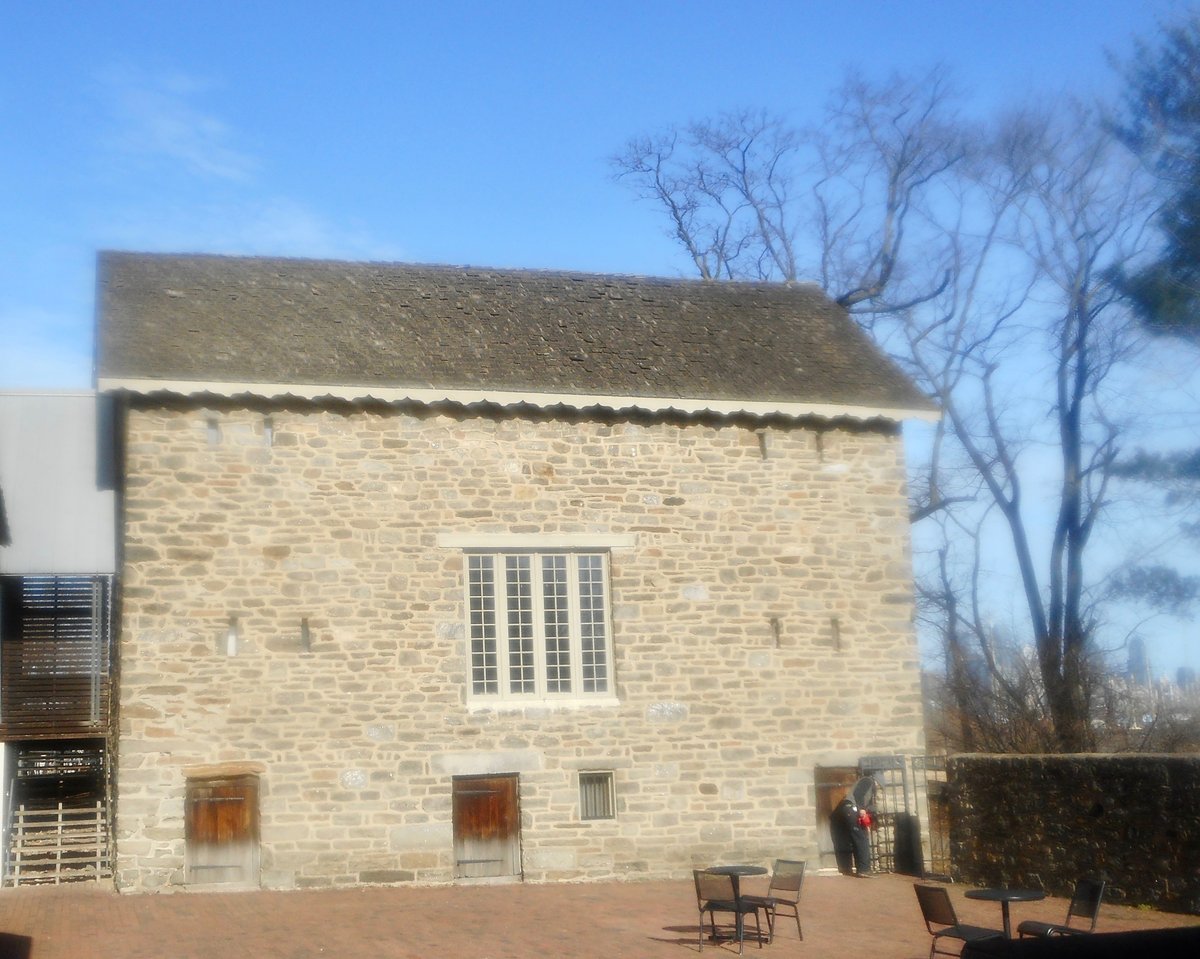
In 1728, John Bartram purchased a 102-acre farm in Kingsessing, outside colonial Philadelphia (Philadelphia Encyclopedia). Driven by his passion for botany, he transformed this land into North America’s first systematic botanical garden (Wikipedia). Bartram’s mission was to collect, study, and propagate native plants, many of which were previously unknown to European science. His original stone house (built 1728–1731), kitchen addition, and early greenhouse (erected in 1760) remain central features of the site (ushistory.org).
The Bartram Family Legacy
Botanical exploration at Bartram’s Garden was a family endeavor. John’s son, William Bartram, became a celebrated botanist, illustrator, and author. Together, they collected thousands of plant specimens on journeys across the continent, introducing more than 200 species to European science (Bartram’s Garden Botanic Garden). Through correspondence with Peter Collinson and other European botanists, the Bartrams established a transatlantic plant trade, cementing their garden’s international influence (ushistory.org).
William Bartram’s book, Travels, remains a touchstone of American natural history literature, inspiring figures such as Wordsworth and Coleridge. John Bartram was also instrumental in founding the American Philosophical Society with Benjamin Franklin.
Botanical Achievements and Notable Discoveries
By the mid-18th century, Bartram’s Garden was the most diverse collection of North American plants in the world (Wikipedia). The family’s most famous achievement was the discovery and preservation of the Franklinia alatamaha, extinct in the wild but cultivated worldwide from Bartram’s stock (Visit Philly). The garden’s ancient ginkgo tree, planted in 1785, is believed to be the oldest in North America (Philadelphia Encyclopedia).
The Bartrams published America’s first plant catalog in 1783, listing nearly 220 species and providing an essential resource for botanists and gardeners globally (ushistory.org). Their work set the standard for systematic botanical research and plant exchange.
Preservation and Modern Developments
After passing through several owners, Bartram’s Garden was acquired by the City of Philadelphia in 1891 and designated as a public park. The John Bartram Association, founded in 1893, continues to oversee the care and interpretation of the site (Wikipedia). Major restoration projects have preserved historic buildings and expanded public access.
The garden has grown into a vibrant resource for environmental education and urban agriculture. Recent initiatives include the Sankofa Community Farm, focusing on African Diaspora agricultural traditions, and the Bartram’s Mile Trail, connecting neighborhoods to the riverfront (Bartram’s Garden History).
Visiting Bartram’s Garden: Hours, Tickets, and Accessibility
General Grounds: Open daily from sunrise to sunset.
Welcome Center: Open April–December, Tuesday–Sunday, 10:00 AM–4:00 PM.
Guided Tours: Available April–December; advance reservations recommended.
Admission: Free entry to garden grounds.
Bartram House Tours: $10 adults, $7 seniors/students, free for children under 12. Tickets can be purchased online or at the Welcome Center. For the latest schedule and fees, visit the official Bartram’s Garden website.
Accessibility:
- Wheelchair-accessible paths and ramps
- Wheelchairs available at the Welcome Center
- Golf cart rides arranged with advance notice
- Accessible restrooms at key locations
- Service animals welcome
Getting There:
- Address: 5400 Lindbergh Blvd, Philadelphia, PA 19143
- Public Transit: SEPTA Route 36 trolley stops near the entrance
- Parking: Free onsite parking; $5 fee during major events
Biking: Bike racks are available; the Bartram’s Mile Trail provides access, though some sections may be closed for environmental monitoring (Bartram’s Garden – Biking & Walking).
Features, Events, and Visitor Experiences
- Bartram House: Guided tours explore the home and Bartram family’s botanical innovation.
- Historic Gardens: Reconstructed medicinal, kitchen, and ornamental plantings highlight Bartram’s systematic approach (penn.museum).
- Sankofa Community Farm: A working farm with an African Diaspora focus, offering educational programs and hands-on experiences.
- Schuylkill Riverfront: The only public recreational river access in the area, suitable for boating and fishing.
- Bartram’s Mile Trail: Scenic walking and biking, with partial closures due to environmental remediation (bartramsgarden.org).
Regular Activities
- Guided and self-guided tours (April–December)
- Workshops, educational programs, and youth internships
- Birdwatching (over 100 species recorded)
- Free public boating on select Saturdays (seasonal)
- Seasonal events: Southwest SpringFest, Juneteenth, HoneyFest, HarvestFest, Handmade Holidays, and more
Safety and Environmental Updates
In July 2024, a report of chromium contamination from a neighboring industrial site prompted the closure of a portion of Bartram’s Mile Trail (bartramsgarden.org). Independent tests confirm that main visitor areas remain safe for the public. Always check the official website for the latest updates before planning outdoor activities.
Practical Visitor Tips
- Allow at least two hours for a full visit (toursbylocals.com).
- Wear comfortable shoes and dress for the weather.
- Bring water, sun protection, and a camera or binoculars.
- Stay on marked paths and respect natural and cultural resources.
- Dogs must be leashed and are permitted outdoors unless otherwise noted.
- For group visits or school programs, arrange in advance.
- Review the Contamination Updates page before your visit.
Frequently Asked Questions (FAQ)
Q: What are Bartram’s Garden visiting hours?
A: Grounds are open daily from sunrise to sunset. Welcome Center: April–December, Tuesday–Sunday, 10 AM–4 PM.
Q: Is there an admission fee?
A: Garden entry is free. Bartram House tours require tickets ($10 adults, $7 seniors/students, free under 12).
Q: Are pets allowed?
A: Leashed dogs are allowed in outdoor areas. Check the website for updates.
Q: Are guided tours available?
A: Yes, April–December; advance reservation recommended.
Q: Is Bartram’s Garden accessible?
A: Yes, with paved paths, ramps, accessible restrooms, and wheelchairs available.
Q: How do I get there by public transportation?
A: SEPTA Route 36 trolley stops near the main entrance.
Q: Are there safety concerns?
A: The main gardens are safe. A portion of Bartram’s Mile Trail is temporarily closed due to environmental monitoring.
Listen to the full story in the app
The whole Bartram'S Garden,
told well.
Audio guides for 1,100+ cities across 96 countries. History, stories, and local insight — offline ready.
Verified, and shown.
Researched and written by the Audiala editorial team from historical records, architectural archives, and local expertise.
Researched from Wikidata, Wikipedia & official sources · fact-checked · How we make our guides →