Plan and listen to Barnes Foundation with Audiala.
Audio guide in your pocket, itinerary in your browser. Built for the way you actually visit.
Introduction
Established in 1922 by the visionary Dr. Albert C. Barnes, the Barnes Foundation in Philadelphia stands as a monumental testament to art, culture, and education. Originally located in Merion, Pennsylvania, this institution was conceived not merely as a museum but as an educational haven where art could be appreciated by all, transcending the boundaries of social and academic elitism. Dr. Barnes, a chemist who amassed his wealth by co-developing the antiseptic drug Argyrol, was an avid art collector with a profound belief in the educational power of art (Barnes Foundation History). His collection, featuring masterpieces by Renoir, Cézanne, Matisse, and Picasso, is curated with a unique philosophy that emphasizes visual and experiential learning (Barnes Foundation Education).
The journey of the Barnes Foundation has been marked by significant milestones and controversies, particularly the highly debated relocation to its current home on the Benjamin Franklin Parkway in 2012. This move, while contentious, has played a crucial role in enhancing the Foundation's accessibility and financial stability, attracting a wider audience and expanding its educational initiatives (Barnes Foundation Relocation). Today, the Barnes Foundation continues to honor the legacy of Dr. Barnes, offering a rich tapestry of art, culture, and education that resonates with visitors from around the globe.

Founding and Early Years
The Barnes Foundation was established in 1922 by Dr. Albert C. Barnes, a chemist who made his fortune by co-developing the antiseptic drug Argyrol. Dr. Barnes was an avid art collector and educator, and he envisioned the Foundation as a place for education and appreciation of art. The original location of the Barnes Foundation was in Merion, Pennsylvania, where Dr. Barnes built a gallery to house his extensive collection of art, which includes works by renowned artists such as Renoir, Cézanne, Matisse, and Picasso (Barnes Foundation History).
Educational Mission
Dr. Barnes was deeply committed to education and believed that art should be accessible to everyone, not just the elite. He developed a unique educational program that emphasized the visual and experiential aspects of art, rather than traditional academic approaches. The Foundation offered classes and lectures, and Dr. Barnes himself often taught courses. His educational philosophy was influenced by the progressive education movement and the ideas of John Dewey, who was a personal friend (Barnes Foundation Education).
Legal Battles and Controversies
After Dr. Barnes' death in 1951, the Foundation faced numerous legal battles and controversies. Dr. Barnes had left strict instructions in his will regarding the management of the collection and the educational mission of the Foundation. However, over the years, various parties, including the Foundation's trustees and the state of Pennsylvania, sought to change these terms. One of the most significant legal battles occurred in the 1990s and early 2000s, when the Foundation sought to move the collection from Merion to a new location in Philadelphia. This move was highly controversial and faced opposition from many who believed it violated Dr. Barnes' wishes (Barnes Foundation Legal Battles).
Relocation to Philadelphia
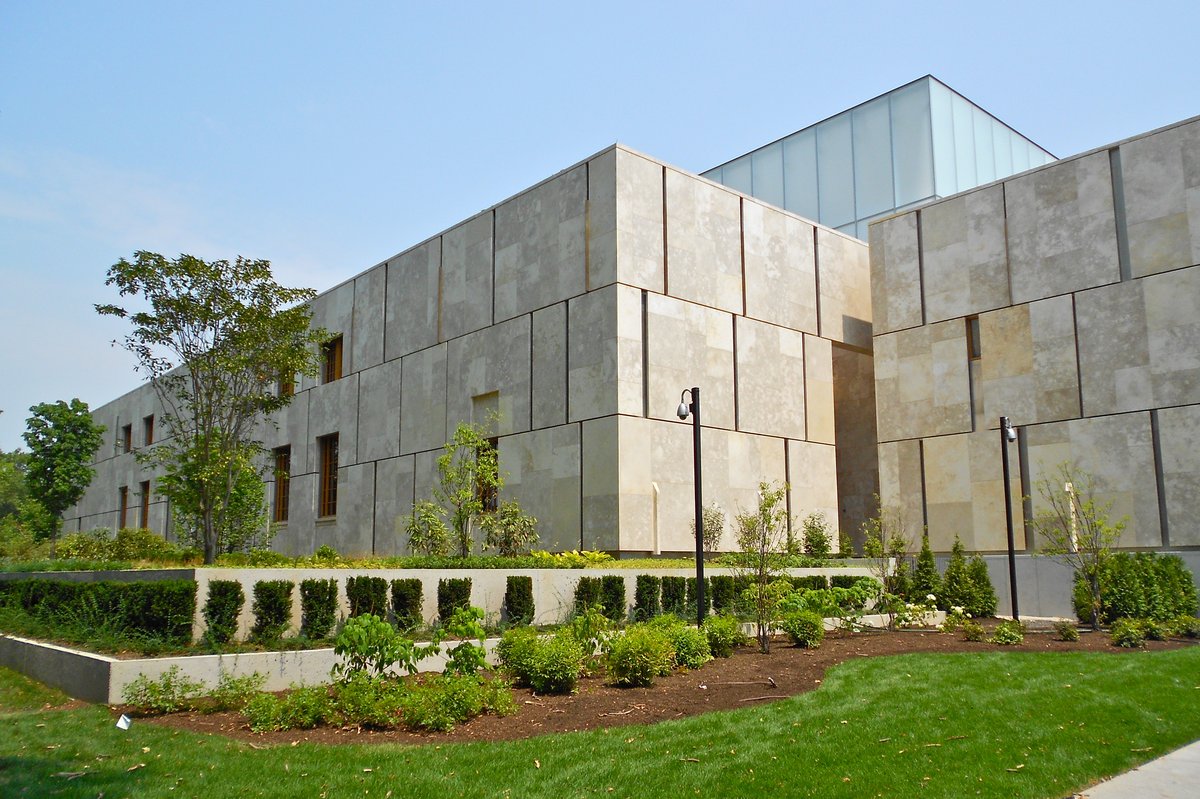
Despite the controversies, the Barnes Foundation successfully relocated to a new building on the Benjamin Franklin Parkway in Philadelphia in 2012. The new location was designed by the renowned architectural firm Tod Williams Billie Tsien Architects and aimed to replicate the intimate and unique display of the original Merion gallery. The move to Philadelphia allowed the Foundation to increase its accessibility and financial stability, attracting a larger number of visitors and expanding its educational programs (Barnes Foundation Relocation).
Expansion and Modernization
Since its relocation, the Barnes Foundation has continued to expand and modernize its offerings. The new Philadelphia location includes state-of-the-art facilities for exhibitions, education, and research. The Foundation has also embraced digital technology, offering virtual tours and online educational programs to reach a global audience. Additionally, the Barnes Foundation has expanded its collection to include contemporary art and has hosted numerous temporary exhibitions featuring works by both established and emerging artists (Barnes Foundation Expansion).
Visiting Hours and Ticket Information
The Barnes Foundation is open Wednesday through Monday, from 11 AM to 5 PM, and is closed on Tuesdays. Admission prices are as follows:
- Adults: $25
- Seniors (65+): $23
- Students (with valid ID): $5
- Youth (13–18): $5
Tickets can be purchased online in advance or at the door, but it is recommended to buy them ahead of time, especially during peak seasons (Barnes Foundation Tickets).
Special Events and Guided Tours
The Barnes Foundation hosts a variety of special events throughout the year, including art talks, workshops, and family-friendly activities. Guided tours are available and provide an in-depth look at the collection, highlighting important works and offering insights into Dr. Barnes' unique display philosophy. Private tours can also be arranged for groups (Barnes Foundation Events).
Nearby Attractions and Travel Tips
Located on the Benjamin Franklin Parkway, the Barnes Foundation is in close proximity to other Philadelphia historical sites such as the Philadelphia Museum of Art, the Rodin Museum, and the Franklin Institute. Visitors can easily spend an entire day exploring these cultural landmarks. Public transportation is readily available, and parking facilities are located nearby.
Accessibility
The Barnes Foundation is committed to making its collection accessible to all visitors. The Philadelphia location is fully accessible, with ramps, elevators, and accessible restrooms. Wheelchairs are available upon request, and service animals are welcome. The Foundation also offers programs and resources for visitors with disabilities (Barnes Foundation Accessibility).
Preservation of the Collection
One of the key challenges for the Barnes Foundation has been the preservation of its extensive and valuable collection. The Foundation employs a team of conservators and researchers who work to ensure that the artworks are properly cared for and preserved for future generations. This includes regular maintenance, conservation treatments, and research into the materials and techniques used by the artists. The Foundation also collaborates with other institutions and experts to advance the field of art conservation (Barnes Foundation Conservation).
Community Engagement
The Barnes Foundation is deeply committed to engaging with the local community and making art accessible to all. The Foundation offers a variety of community programs, including free admission days, family workshops, and partnerships with local schools and organizations. These programs aim to break down barriers to art education and ensure that everyone has the opportunity to experience and learn from the collection. The Foundation also hosts special events and festivals that celebrate the diverse cultures and communities of Philadelphia (Barnes Foundation Community Programs).
Future Directions
Looking to the future, the Barnes Foundation aims to continue expanding its reach and impact. This includes further developing its digital offerings, increasing its educational programs, and continuing to host innovative exhibitions. The Foundation also plans to strengthen its partnerships with other cultural and educational institutions, both locally and internationally. By staying true to Dr. Barnes' vision while embracing new opportunities, the Barnes Foundation is poised to remain a leading institution in the art world for years to come (Barnes Foundation Future Plans).
Frequently Asked Questions (FAQ)
What are the visiting hours for the Barnes Foundation?
The Barnes Foundation is open Wednesday through Monday, from 11 AM to 5 PM, and is closed on Tuesdays.
How much are tickets to the Barnes Foundation?
- Adults: $25
- Seniors (65+): $23
- Students (with valid ID): $5
- Youth (13–18): $5
Are guided tours available?
Yes, guided tours are available and provide an in-depth look at the collection. Private tours can also be arranged for groups.
Tickets & tours.
These are guided options from our partners — same price as booking direct.
Prices are indicative — final pricing and availability are confirmed at checkout. Audiala may earn a commission from bookings made through these links.
Listen to the full story in the app
The whole Barnes Foundation,
told well.
Audio guides for 1,100+ cities across 96 countries. History, stories, and local insight — offline ready.
Verified, and shown.
Researched and written by the Audiala editorial team from historical records, architectural archives, and local expertise.
(2002, December 14)
Researched from Wikidata, Wikipedia & official sources · fact-checked · How we make our guides →