Plan and listen to American Philosophical Society with Audiala.
Audio guide in your pocket, itinerary in your browser. Built for the way you actually visit.
Introduction
Nestled in Philadelphia’s historic Old City, the American Philosophical Society (APS) is the oldest learned society in the United States. Founded in 1743 by Benjamin Franklin, the APS has played an essential role in advancing science, philosophy, and culture, serving as a beacon of intellectual progress since the Enlightenment. Today, Philosophical Hall—a National Historic Landmark—welcomes visitors to explore rare manuscripts, scientific instruments, and rotating exhibitions that illuminate America’s revolutionary heritage and ongoing pursuit of knowledge (APS official website).
This comprehensive guide provides everything you need to plan your visit: current visiting hours, admission and ticket details, accessibility information, travel and photography tips, highlights of current and upcoming exhibitions, and recommendations for nearby Philadelphia historical sites. Whether you are a history enthusiast, educator, student, or traveler, this resource will help you make the most of your APS experience.


Founding and Early Years
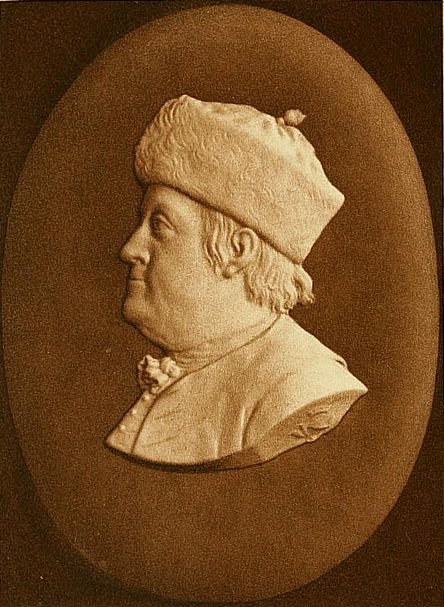
The APS was established in 1743 by Benjamin Franklin, inspired by the Royal Society of London, to promote “useful knowledge” in the American colonies. Early members included luminaries such as Thomas Jefferson, John Bartram, David Rittenhouse, and Benjamin Rush. The Society quickly became a hub for scientific inquiry, philosophical debate, and publishing, launching one of North America’s first scientific journals (APS Official History).
Revolutionary Era and National Contributions
During the American Revolution, APS members were at the forefront of intellectual and political developments. Thomas Jefferson, who later became APS president, and other members helped shape the nation’s founding principles. The Society played a vital role in preserving documents, standardizing weights and measures, and supporting innovation in science and engineering (APS Leadership).
Growth and Modern Impact
In the 19th and 20th centuries, the APS expanded its collections and influence, welcoming diverse members and leading advancements in anthropology, linguistics, and archaeology. Today, the APS Library and Archives house over 13 million manuscripts and extensive scientific artifacts, supporting research and public education on a global scale (APS Library).
Visiting the American Philosophical Society
Location and Directions
- Address: 104 South 5th Street, Philadelphia, PA 19106
- Setting: Located in the heart of Independence National Historical Park, directly adjacent to Independence Hall and within easy walking distance to the Liberty Bell Center and other key sites (APS Museum Visitor Info).
- Getting There: Accessible by SEPTA public transportation (bus and subway); parking is limited, so public transit is recommended.
Visiting Hours
- Regular Hours: Thursday–Sunday, 10:00 a.m. to 5:00 p.m. (April through December)
- Additional Open Days: Open Wednesdays in July
- Closed: January–March and major holidays
- Check Current Hours: Always verify on the APS Museum website for updates and special event closures.
Admission and Tickets
- General Admission: Free for all visitors; no ticket required
- Suggested Donation: $5 per person or $10 per family/small group supports exhibitions and programming
- Group Visits: Groups of 6+ should contact APS in advance to arrange entry and tours (APS Group Tours)
- School Tours: Nominal fee applies ($2 per child, $5 per adult)
Accessibility
- Wheelchair Accessible: Ramps, elevators, and accessible restrooms are available
- Assistive Services: Devices and alternative-format materials available upon request; contact APS ahead for special needs (Phl Visitor Center)
- Service Animals: Permitted
Security and Visitor Policies
- Entrances: Main entrance on 5th Street, with required security screening (similar to Independence Hall and adjacent sites)
- Prohibited Items: Weapons, large bags, sharp objects
- Photography: Non-flash photography permitted for personal use; flash, tripods, and professional equipment may be restricted—follow posted guidelines or check with staff
What to See: Exhibitions and Collections
Rotating Exhibitions
Every year, the APS Museum presents themed exhibitions that draw from its renowned collections:
2025 Feature: "Philadelphia, The Revolutionary City"
- Dates: April 11 – December 28, 2025
- Focus: Explores everyday life in Philadelphia before, during, and after the Revolution through rare manuscripts, diaries, newspapers, political cartoons, and objects—many on display for the first time (Philadelphia, The Revolutionary City).
Highlights from Past Exhibitions
- Thomas Jefferson’s draft of the Declaration of Independence
- Lewis and Clark expedition notebooks
- Charles Darwin’s annotated title page for "On the Origin of Species"
- Neil Armstrong’s Apollo 11 notes
- Portrait of Deborah Franklin
Permanent Collections
- APS Library: Over 7 million manuscripts, 250,000 volumes, and thousands of maps focusing on early America, science, and Native American studies (Thrillophilia).
- Access: Library open to researchers by appointment (APS Library).
Visitor Experience and Travel Tips
- Atmosphere: Enjoy a quiet, contemplative environment in historic Philosophical Hall, with interpretive panels and multimedia resources (Visit Philly).
- Recommended Visit Duration: 45–90 minutes for exhibitions; allow extra time for nearby sites.
- Best Times to Visit: Weekday mornings are less crowded; arrive early during peak seasons.
- Restrooms: Available on-site
- Dining: No on-site food service, but many options nearby in Old City
- Gift Shop: No dedicated shop; Philadelphia-themed merchandise available at Independence Visitor Center (Phl Visitor Center)
Nearby Philadelphia Historical Sites
Combine your APS visit with other must-see destinations, all within walking distance:
- Independence Hall: Birthplace of the Declaration of Independence and U.S. Constitution (ticket required)
- Liberty Bell Center: Iconic symbol of American freedom
- Franklin Court: Explore Benjamin Franklin’s legacy
- Museum of the American Revolution, Betsy Ross House, Carpenters’ Hall: Additional historic landmarks
For more attractions, see Independence National Historical Park museums.
Frequently Asked Questions (FAQ)
Q: Do I need tickets to visit the APS Museum?
A: No, admission is free and does not require tickets. Groups should book in advance.
Q: What are the APS Museum visiting hours?
A: Thursday–Sunday, 10:00 a.m.–5:00 p.m. (April–December; check for seasonal changes).
Q: Is the APS Museum wheelchair accessible?
A: Yes, with accessible restrooms and services; contact APS for special accommodations.
Q: Are guided tours available?
A: Yes, for groups by advance arrangement; school tours require a small fee.
Q: Can I take photos inside?
A: Non-flash photography is permitted; restrictions apply to certain objects.
Q: What are the best nearby historical sites?
A: Independence Hall, Liberty Bell Center, Franklin Court, Museum of the American Revolution, Betsy Ross House.
Discover More
The American Philosophical Society Museum is a cornerstone of Philadelphia’s historical district, offering an enriching glimpse into the intellectual, scientific, and cultural forces that shaped the nation. With free admission, thoughtfully curated exhibitions, and a welcoming, accessible environment, the APS is an essential stop for visitors eager to explore America’s revolutionary roots and ongoing legacy of discovery.
Plan your visit today:
- Check the latest hours and events on the APS Museum website.
- Download the Audiala app for personalized historical tours and updates.
- Follow APS and Audiala on social media for news and share your experiences using #VisitAPS!
Tickets & tours.
These are guided options from our partners — same price as booking direct.
Prices are indicative — final pricing and availability are confirmed at checkout. Audiala may earn a commission from bookings made through these links.
Listen to the full story in the app
The whole American Philosophical Society,
told well.
Audio guides for 1,100+ cities across 96 countries. History, stories, and local insight — offline ready.
Verified, and shown.
Researched and written by the Audiala editorial team from historical records, architectural archives, and local expertise.
Researched from Wikidata, Wikipedia & official sources · fact-checked · How we make our guides →