
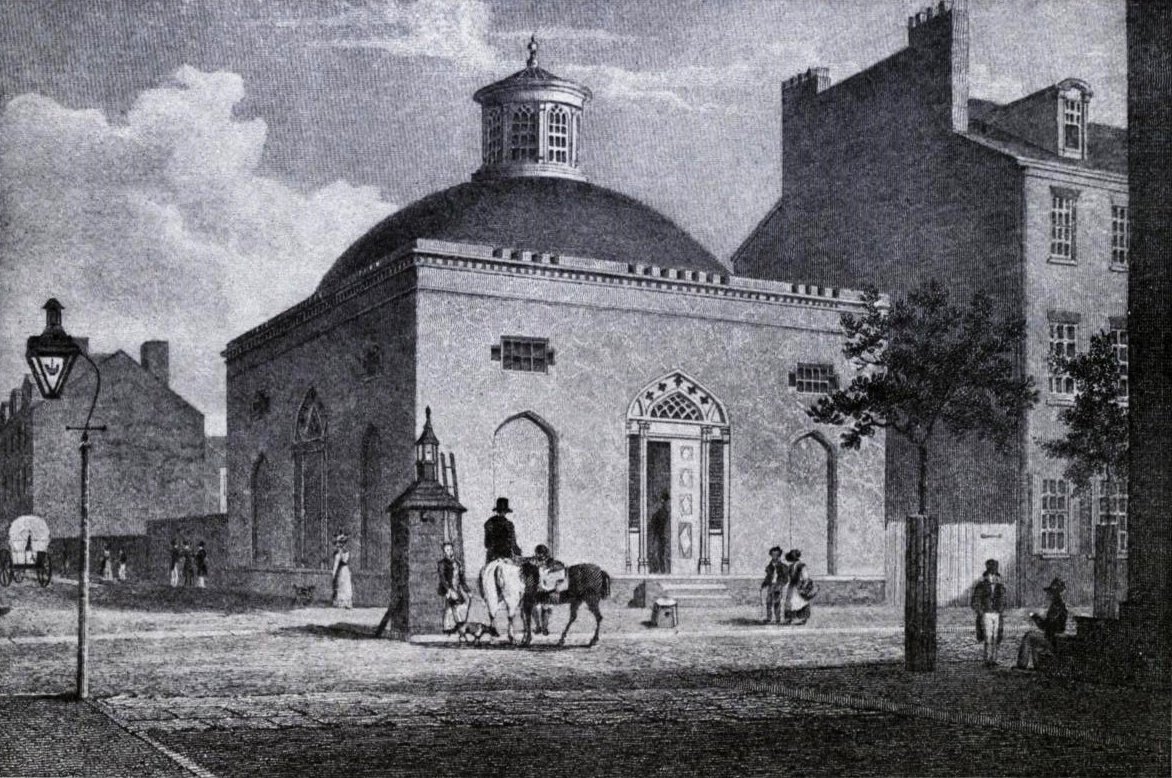
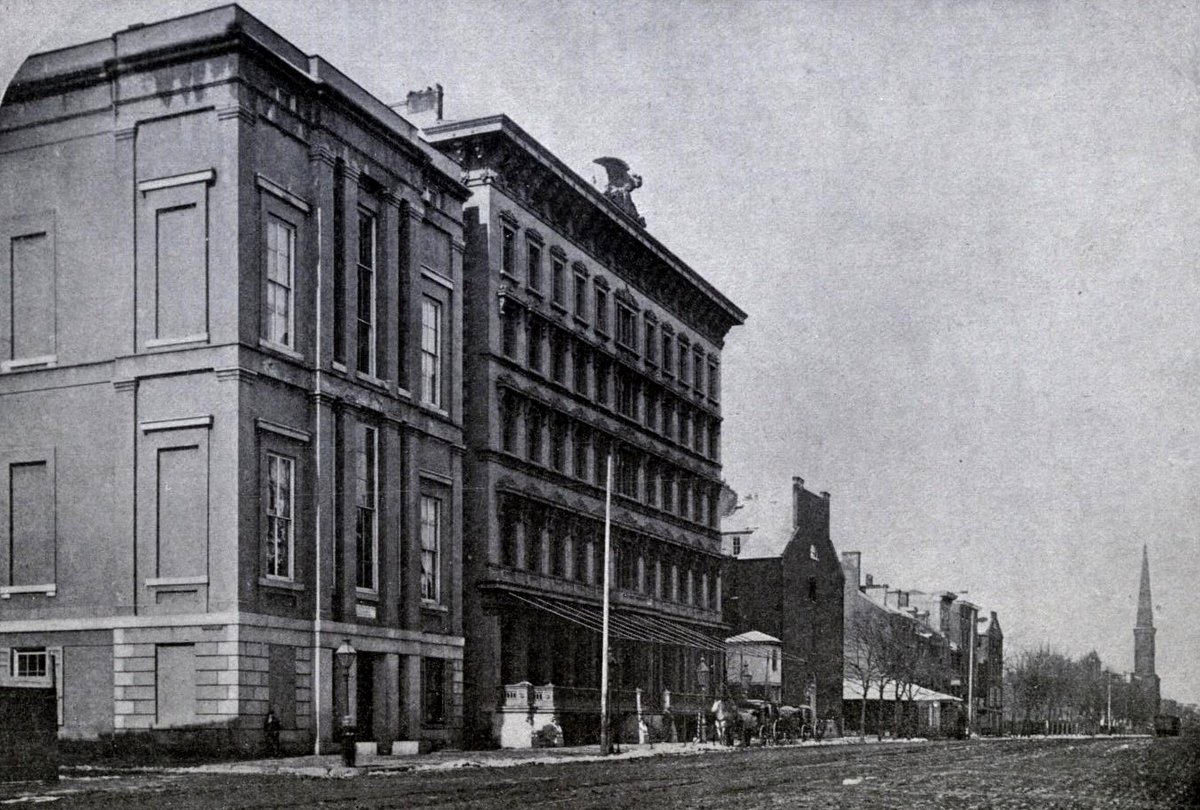
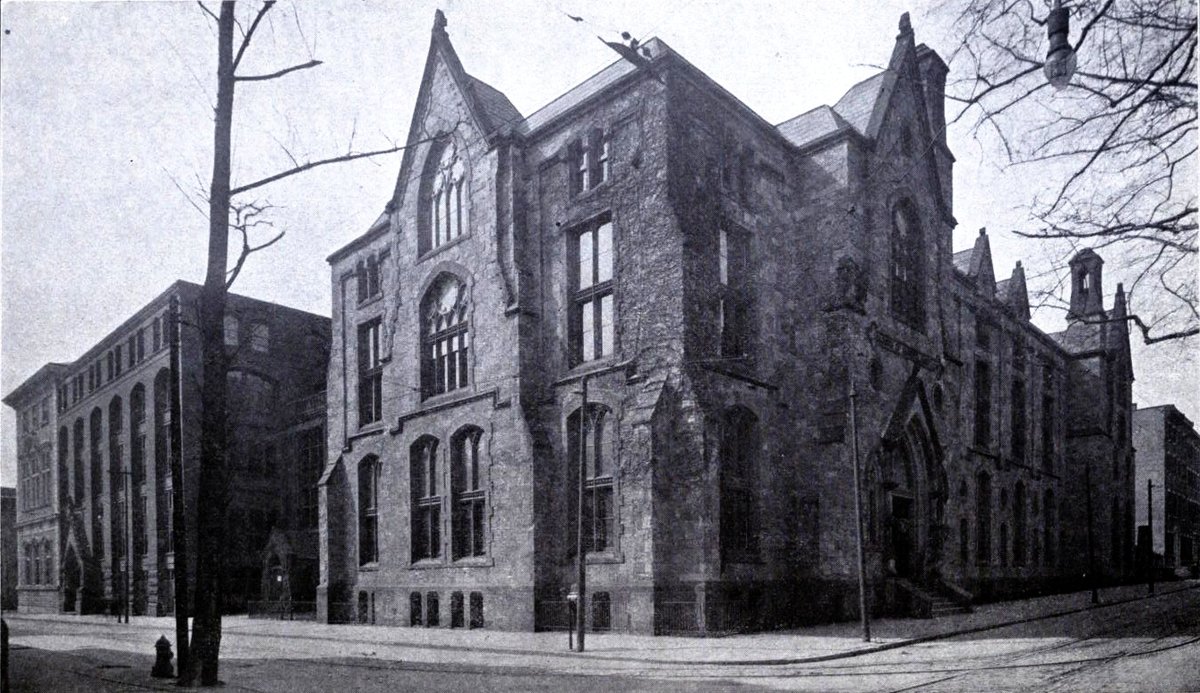
Founding and Early Years (1812–1850)
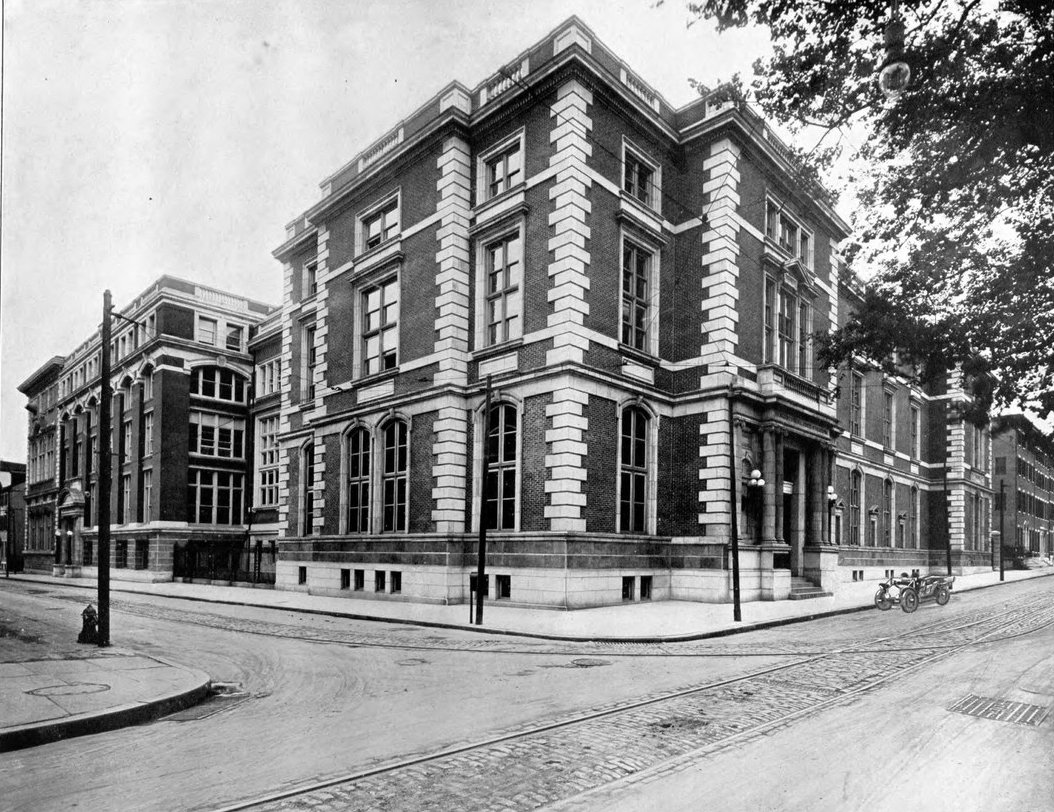
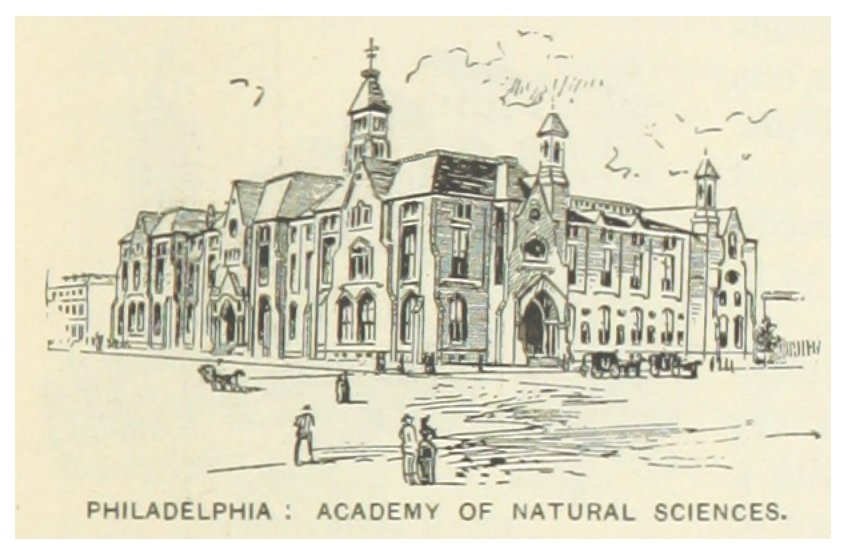
Established in 1812, the Academy of Natural Sciences is America’s oldest natural history museum (ansp.org). Visionaries like Thomas Say and John James Audubon shaped its early years, creating a space for advancing knowledge of the natural world as Philadelphia blossomed into a scientific and cultural hub (citypass.com, bioone.org).
Growth and Scientific Expeditions (1850–1900)
The 19th century brought rapid expansion. The Academy’s collections grew through expeditions such as those led by Meriwether Lewis and William Clark, and now house over 18 million specimens, making it a cornerstone of global natural history research (bioone.org).
Dioramas and Public Engagement (1900–1980)
The Academy became a leader in immersive learning with the creation of realistic dioramas in the 1920s and 1930s, providing unique windows into ecosystems worldwide. By 1932, educational programs for local students cemented its community role (ansp.org).
Dinosaur Museum Era (1980–2010)
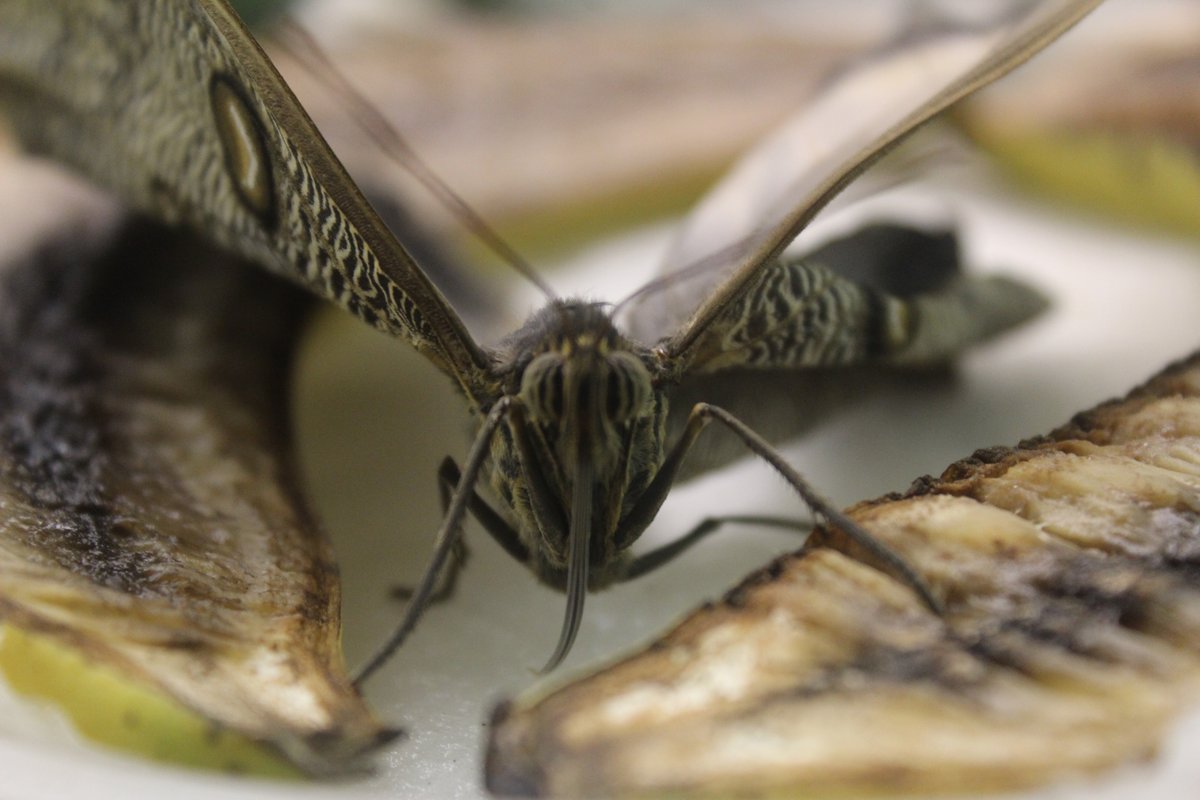
The 1986 opening of “Discovering Dinosaurs” transformed the Academy into a top destination for paleontology lovers. Ongoing renovations and interactive exhibits—including live animal and butterfly displays—attracted over 200,000 visitors annually (ansp.org).
Drexel Affiliation and Modernization (2011–Present)
Since joining Drexel University in 2011, the Academy has expanded interdisciplinary research and educational initiatives, amplifying its impact on environmental science and public engagement (bioone.org, worldcitytrail.com).
Visitor Information
Visiting Hours
- Tuesday–Sunday 10:00 AM – 5:00 PM
- Closed Mondays and major holidays.
Hours may change for special events and holidays—confirm on the official website.
Ticket Prices
- Adults $24
- Seniors (65+) $21
- Students (with ID) $19
- Children (3–12) $16–$19
- Children under 3 Free
Discounts available for groups, military, and CityPASS® holders. Purchase online for reduced prices and to skip the line (ansp.org/visit/tickets/).
Directions and Accessibility
- Address 1900 Benjamin Franklin Parkway, Philadelphia, PA 19103
- Transit Accessible via SEPTA bus routes 7, 32, 33, and the Phlash trolley
- Parking Nearby garages with validated rates (ansp.org/visit/directions-and-parking)
- Accessibility Wheelchair accessible, service animals welcome, assistive listening devices available, and sensory-friendly events scheduled.
Special Events and Tours
- Guided Tours Available for dioramas, dinosaur hall, and special exhibits.
- Special Events Sensory-Friendly Mornings, Science Story Time, and rotating educational workshops (ansp.org/programs-and-events/events/).
Photographic Highlights
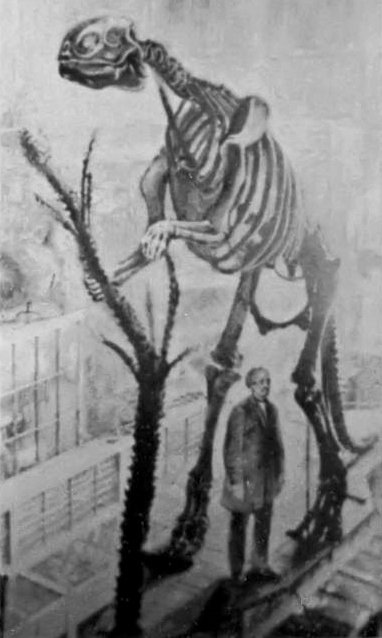
- Dinosaur Hall Iconic skeletons
- Butterfly Pavilion Vibrant butterflies
- Dioramas Lifelike global habitats
Academy Highlights: Exhibits and Attractions
Dinosaur Hall
Marvel at a 42-foot Tyrannosaurus rex, the historic Hadrosaurus foulkii, and numerous prehistoric giants. Interactive displays and the Fossil Prep Lab provide hands-on paleontology experiences (ansp.org/exhibits/exhibits/).
The Big Dig
Children excavate replica fossils, fostering curiosity and learning through play (citypass.com).
Dioramas
Explore historic dioramas depicting African savannas, North American forests, and more—crafted with meticulous realism to illustrate biodiversity and conservation (ansp.org/exhibits/exhibits/).
Marveling at Mollusks
Discover one of the world’s largest mollusk collections, from tiny snails to giant clams, and learn about their ecological significance (ansp.org/exhibits/exhibits/).
Outside In: Discovery Center for Children
A hands-on space for ages 3–8, featuring live animal encounters and fossil digs (phlvisitorcenter.com).
Butterflies! Tropical Butterfly Garden
Walk among dozens of exotic butterflies in a lush, climate-controlled environment—perfect for photography and learning (phlvisitorcenter.com).
Science Live and Fossil Prep Lab
Watch scientists prepare fossils and catalog specimens in real time, offering a rare glimpse into ongoing research (ansp.org/exhibits/exhibits/).
Rotating and Special Exhibitions
- Ice Dinosaurs Animatronic Arctic dinosaurs and interactive displays (Sep 2024–May 2025).
- The Ecology of Fashion Explore sustainable fashion, historic costumes, and the intersection of clothing and ecology (Nov 2024–Aug 2025).
- Botany of Nations (March 2026) Features Lewis and Clark’s pressed plants with Indigenous perspectives (phillyvoice.com).
Check the latest exhibits for current offerings.
Educational Impact and Research
Environmental Research
The Patrick Center for Environmental Research leads watershed initiatives and projects like Plastic-free Philly, influencing policy and stewarding regional water quality (ansp.org/research).
Science Education
Over 80,000 schoolchildren visit annually; programs like Dinosaur Hall and the Live Animal Center inspire lifelong learning (worldcitytrail.com). Outreach, workshops, and educator resources ensure broad educational impact (ansp.org/get-involved/support/annual-fund).
Global Collections and Research
World-class collections in botany, paleontology, and entomology support global research and inclusive initiatives, such as opening the Philadelphia Herbarium to Indigenous scientists (ans-collections.ansp.org).
Diversity, Inclusion, and Community
The Academy actively celebrates diversity in STEM, partnering with underrepresented groups and hosting outreach programs for women, Latin, and Hispanic scientists (ansp.org/get-involved/science-at-the-academy/). Community initiatives like the Science Shop foster climate resilience and local engagement.
Nearby Attractions
Within walking distance on the Benjamin Franklin Parkway are the Franklin Institute, Philadelphia Museum of Art, Barnes Foundation, and the Rodin Museum—making the Academy an ideal starting point for exploring Philadelphia’s cultural landscape (phlvisitorcenter.com).
Frequently Asked Questions (FAQs)
Q: What are the Academy's visiting hours?
A: Tuesday–Sunday, 10:00 AM–5:00 PM; closed Mondays and major holidays.
Q: How much do tickets cost?
A: Adults $24, seniors $21, students $19, children (3–12) $16–$19, under 3 free. Online purchase offers discounts.
Q: Is the Academy accessible?
A: Yes, with wheelchair access, elevators, accessible restrooms, and sensory-friendly events.
Q: Are guided tours available?
A: Yes, for major exhibits and special collections. Check the events calendar.
Q: Can I take photos?
A: Non-flash photography is permitted in most areas; some special exhibits may have restrictions.
Q: Is the museum kid-friendly?
A: Absolutely! The Big Dig, Outside In, and animal encounters are designed for families.