Walt Disney World
OrlandoUnited States Updated Apr 2026
Built on 27,000 acres quietly bought through dummy corporations, Walt Disney World feels less like a park than a parallel city with fireworks at its center.
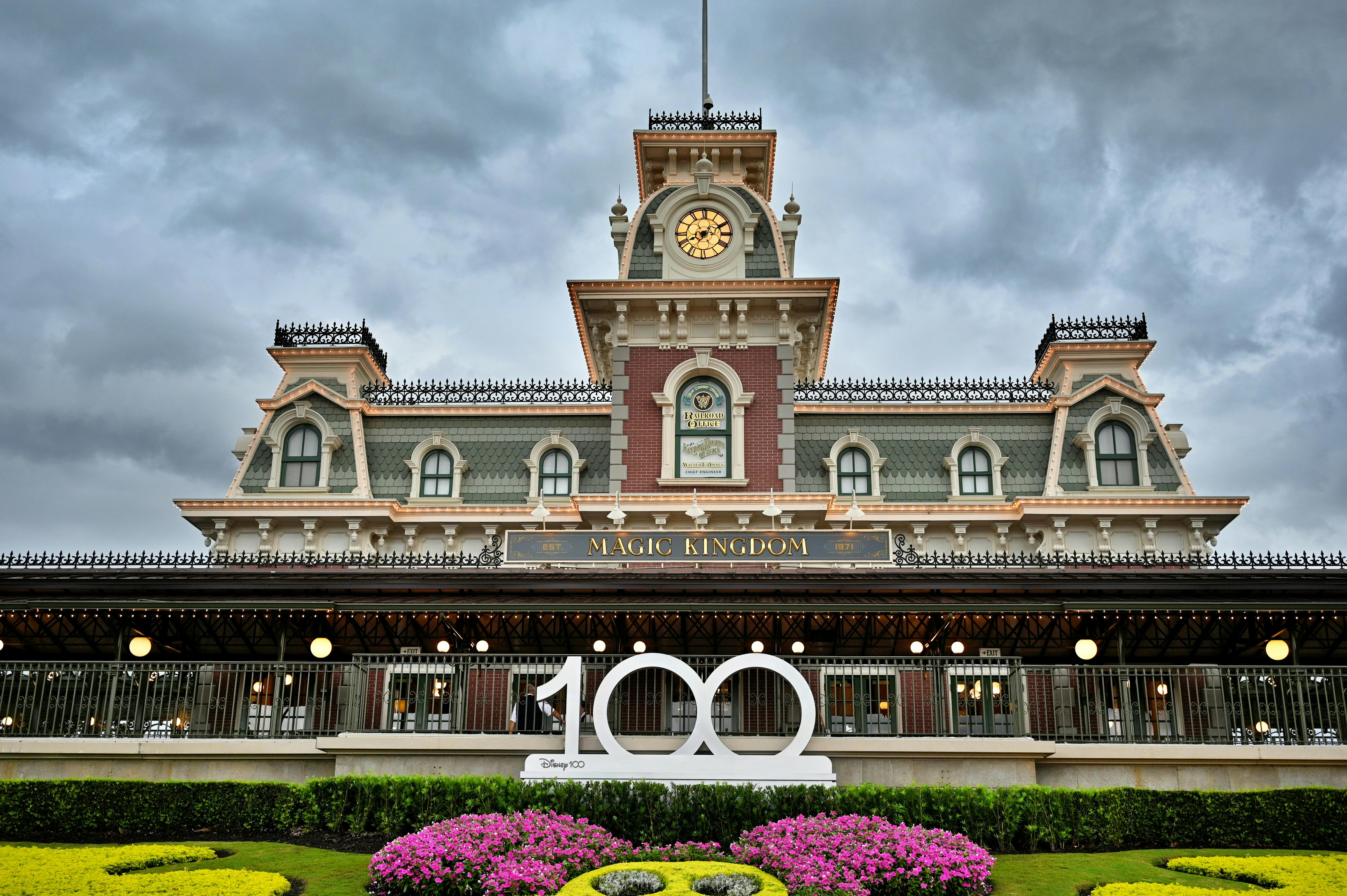
 Photo: Brian McGowan (@sushioutlaw) / Unsplash
- Time needed
- Full day or longer
Why does the most carefully controlled fantasy in America begin with a swamp, a legal shell game, and a brother finishing a dream the dreamer never lived to see? Walt Disney World in Orlando, United States, rewards a visit because nowhere else turns infrastructure, ritual, and sheer scale into spectacle so completely. Today you move from the damp sweetness of Florida air to monorail hum, ferry horns, popcorn, sunscreen, and the sight of Cinderella Castle rising 189 feet high, about as tall as a 19-story tower.
Most first-time visitors come for rides, fireworks, and childhood memory with better lighting. Fair enough. But the real surprise is that this place works best when you notice the machinery under the magic: buses arriving with military precision, lawns clipped to the inch, music changing as you cross an invisible threshold.
Size changes the experience. Records show Disney assembled more than 27,000 acres between 1964 and 1965, roughly 42 square miles, an area larger than San Francisco's famous core districts stitched together into one private resort city. You feel that scale in your feet before you grasp it on a map.
And then the place starts to reveal its stranger truth. Walt Disney World is still doing what it was built to do on 1 October 1971: absorb crowds, choreograph movement, and make repetition feel ceremonial, whether you're watching the daily flag retreat on Main Street or circling the lagoon toward Epcot.
What to see
-
Cinderella Castle and Main Street, U.S.A.
The shock of Magic Kingdom is how carefully it lies to your eyes: Main Street’s upper floors are scaled down so Cinderella Castle looks farther away, taller, almost untouchable, then you reach it and find 189 feet of blue spires rising above a moat like a stage set that learned real gravity. Look up before you rush past. The second-story windows carry the names of Disney artists and engineers, turning a sugar-coated street into a memorial wall, while the air smells of caramel and hot pavement and the trolley-bell clatter keeps nudging you forward until the castle stops being a princess symbol and starts reading as the resort’s original act of persuasion. -
World Showcase at [Epcot](https://audiala.com/en/united-states/orlando/epcot)
Epcot makes the smarter first impression after Magic Kingdom because it trusts you to wander, and World Showcase is where Walt Disney World suddenly turns architectural instead of merely theatrical. Morocco is the pavilion to linger in: zellij tiles, cool courtyards, cedar-shadowed passages, and a hush that feels impossible a few steps from the lagoon, while the 45-foot rotunda at the American Adventure opens like a civic temple scaled to make a human voice sound small; by the time you circle the water, with pastry sugar in the air near France and drums carrying across the lagoon, you start noticing that the resort’s best trick isn’t fantasy at all but control of pace, texture, and silence. -
A Monorail-and-BoardWalk Evening
Skip the urge to sprint from ride to ride and spend one evening on Disney’s in-between spaces, because the resort often reveals itself best in lobbies, platforms, and waterfronts that most guests treat as transit. Start at Disney’s Contemporary Resort for Mary Blair’s 90-foot mural, tall as a 9-story building turned into a geometric prayer for the 1970s, ride the monorail past the lagoon to watch chandeliers glow at the Grand Floridian, then finish on the quarter-mile BoardWalk where lake wind, distant music, and the soft slap of water against pilings make the whole property feel less like a machine and more like a town that knows how to exhale.
Plan your visit
- Getting There
- Walt Disney World sits southwest of central Orlando in Bay Lake and Lake Buena Vista, spread across roughly 27,000 acres, a footprint about the size of San Francisco. From Orlando International Airport, LYNX Link 311 runs to Disney Springs Transfer Center in about 55 minutes for $2 one way, with buses roughly every 30 minutes; drivers should know Magic Kingdom parking is at the Transportation and Ticket Center, then a monorail or ferry finishes the trip, while Disney’s free monorail, Skyliner, boats, and buses link the parks once you are inside the bubble.
- Opening Hours
- As of 2026, Walt Disney World does not keep one fixed daily schedule; Disney posts hours by date, park, and event calendar. Late April 2026 sample hours show Magic Kingdom often around 9:00 AM to 10:00 PM or 11:00 PM, EPCOT usually 9:00 AM to 9:00 PM, Hollywood Studios around 9:00 AM to 9:00 PM, and Animal Kingdom often 8:00 AM to 6:00 PM or 7:00 PM, with early entry for Disney hotel guests and later nights during After Hours events.
- Time Needed
- A rushed visit can cover one park’s headline rides in 6 to 8 hours, but that pace feels like speed-dating a small city. One full day per main park is the sane baseline, Magic Kingdom often needs 10 to 12 hours if you want rides, parade, and fireworks, and a first trip across the whole resort works far better at 4 to 7 days if you also want Epcot, Disney Springs, or a water-park day.
- Accessibility
- Disney has one of the more thought-through accessibility systems in American attractions: wheelchair and ECV rentals, Disability Access Service, Rider Switch, queue re-entry options, captioning, assistive listening, audio description, companion restrooms, and First Aid across the resort. The ground is mostly paved and manageable, but the real obstacle is scale; these parks ask for miles of movement in Florida heat, so distance can wear you down faster than stairs or rough terrain.
- Cost & Tickets
- As of 2026, a 1-day standard date-based ticket starts from $119 before tax, and Disney is also selling a 4-Day, 4-Park Magic Ticket from $436 plus tax; children under 3 do not need a ticket. Date-based tickets no longer need park reservations, but Lightning Lane is extra and varies by date and park inside the My Disney Experience app, so the cheapest move is often booking multi-day tickets early and avoiding third-party bargains that look too good for Florida.
History
The Machine That Never Stops Performing
Records show Walt Disney World has kept its original function with unusual discipline since 1 October 1971: it is still a working resort built to move, house, feed, and enchant huge crowds without letting the backstage spill into the show. The rides changed, the governance changed, even the name of its district changed, but the core ritual stayed put.
That continuity is the real historical subject here. Families still arrive by monorail and ferry, flags still come down each day in Magic Kingdom, and cast members still treat routine as theater, a habit old enough now to count as tradition rather than corporate procedure.
The turning point
Roy Disney's Last Act
At first glance, Walt Disney World looks like Walt Disney's finished masterpiece: his name on the gate, his castle at the center, his fingerprints on every promise. The surface story is tidy. Genius imagines, America builds, visitors applaud.
But one date refuses to behave. Walt Disney died on 15 December 1966, nearly five years before guests walked into Magic Kingdom on 1 October 1971, so the place most people think of as his completed creation opened without him. Roy O. Disney had already retired, and what was at stake for him personally was sharp and public: if he failed to finish Project Florida, his brother's biggest wager would harden into an expensive memorial to incompletion.
Records show the turning point came on 30 May 1967 at the groundbreaking, when Roy returned to lead the project and formally dedicated the name Walt Disney World. He chose the name so people would know whose idea it had been, and that decision explains the surface myth: the resort presents continuity with Walt because Roy built memorial into the brand itself.
Knowing that changes your gaze. Cinderella Castle stops looking like the whole story and starts looking like the polished front room of a much stranger achievement, a brother's act of loyalty built on drainage canals, legal districts, and systems designed to keep the illusion alive hour after hour.
What Changed
What Endured
Tips for visitors
Bag Rules
Airport-size luggage is a bad idea here. Disney bans bags larger than 24 x 15 x 18 inches in the parks, and lockers top out at a jumbo size only at Magic Kingdom and EPCOT, so if you are arriving before hotel check-in, use Disney resort Bell Services or rethink your timing.Photo Limits
Personal photos are fine, but Disney bans drones, selfie sticks, and tripods or monopods that do not fit inside a standard backpack or extend above 6 feet. Small gear wins; the parks are built for snapshots, not for hauling a studio through a crowd that already moves like a school of fish.Buy Direct
The common Orlando mistake is fake or invalid discount tickets from roadside kiosks, sketchy resale sites, or random hotel flyers slipped under the door. Buy from Disney or a clearly authorized seller, because saving $30 is not worth learning the lesson at a turnstile in 90-degree heat.Eat at Springs
Disney Springs is the easiest smart food move outside the ticketed parks. Go budget with Everglazed Donuts & Cold Brew for a quick sugar hit, low-mid with The Polite Pig for barbecue, or mid-range at Chef Art Smith’s Homecomin’ for Florida-leaning comfort food that tastes like someone cared; if you want a longer dinner, Morimoto Asia and Jaleo are the sharper splurge picks.Best Timing
Early morning and late evening are your friends, especially in warmer months when the pavement holds heat like a skillet. Animal Kingdom rewards rope drop, Magic Kingdom is best if you can stay through fireworks, and festival-heavy days at Epcot are more pleasant after the noon glare backs off and the lights start reflecting in the lagoon.Pair It Smart
Treat Walt Disney World as a transport system, not one attraction. A good pairing is a park day followed by Disney Springs for dinner, or a Skyliner-linked split between EPCOT and Hollywood Studios, and if you want the wider city after all that control, step outside the bubble and give Orlando a few hours of your time.
Frequently asked
Is Walt Disney World worth visiting?
Yes, if you want scale, stagecraft, and the odd thrill of stepping into a private city built for pleasure. Few places move you this abruptly from ferry horns and monorail hum to the hush of Epcot's galleries or the wet green calm of Animal Kingdom's trails. Go in knowing it is huge, expensive, and engineered down to the pavement seams, and it becomes more interesting, not less.
How long do you need at Walt Disney World?
You need at least 4 full days to see the four main parks without turning the trip into a sprint. Magic Kingdom alone can easily eat 10 to 12 hours, from morning castle glare to fireworks at night, while a fuller first visit usually lands closer to 5 to 7 days if you want water parks, Disney Springs, and one evening when your feet stop arguing with you. Less can work. You'll just be choosing highlights, not the whole machine.
How do I get to Walt Disney World from Orlando?
Driving is easiest, but the cheapest public option is LYNX bus 311 if you're coming from Orlando International Airport or connecting through the city. From MCO, the route to Disney Springs costs $2 one way and takes about 55 minutes, which is cheap but not elegant; from there, Disney's free buses, boats, monorails, and Skyliner take over. If you're heading to Magic Kingdom by car, the ritual starts at the Transportation and Ticket Center, then continues by ferry or monorail across the water.
What is the best time to visit Walt Disney World?
Late winter and spring are usually the sweet spot, especially if you want lighter heat and Epcot at its prettiest. The Flower & Garden season runs from March 4 to June 1, 2026, when topiaries and outdoor kitchens soften the place with color and the air smells less like sunscreen and more like cut grass after irrigation. Summer brings longer hours and heavier humidity. Fall adds festival energy and Halloween nights if you like the parks with a little more theatrical mischief.
Can you visit Walt Disney World for free?
No, not the main theme parks; standard 1-day admission starts at $119 before tax. Children under 3 do not need a pass, and you can visit Disney Springs without a park ticket, which is the best free taste of the wider resort if you want restaurants, waterfront walks, and a look at the bubble before paying to enter it. Parking and transport rules vary by park and hotel status, so free rarely means fully free here.
What should I not miss at Walt Disney World?
Do not miss the moments when Disney slows down and lets the place breathe: Main Street at night, the Morocco pavilion courtyards in Epcot, Discovery Island Trails around the Tree of Life, and Mary Blair's 90-foot mural inside the Contemporary Resort, long enough to swallow the height of a nine-story building. Headliners matter, yes, but the memory often comes from side paths, water edges, and rooms where the sound drops and you suddenly notice how carefully this whole world has been arranged. And if you only chase rides, you'll miss the secret the buildings are telling.
Sources & attribution 13
- Walt Disney World Tickets — Used for current base ticket pricing, including the 1-day ticket from $119 before tax.
- Walt Disney World Trip Planning Guide — Used for practical trip-length guidance and the 5 to 7 day planning baseline for a fuller first visit.
- LYNX Route 311 — Used for the official public bus route between Orlando International Airport and Disney Springs, including service pattern.
- Attractions Magazine — Used for practical bus details including approximate 55-minute travel time, $2 fare, and Disney Springs transfer context.
- Walt Disney World Complimentary Transportation FAQ — Used for Disney's free on-property transport network between parks and resorts.
- Monorail Transportation FAQ — Used for Magic Kingdom arrival logistics via monorail and Transportation and Ticket Center.
- Water Transportation — Used for ferry access details connected with reaching Magic Kingdom.
- EPCOT International Flower and Garden Festival — Used for the March 4 to June 1, 2026 festival dates that support spring as a strong visiting season.
- Walt Disney World Events Calendar — Used for seasonal timing context and event-driven planning across the resort.
- EPCOT Destination Page — Used for current park context and the role of EPCOT as a major part of the overall Walt Disney World visit.
- Discovery Island Trails — Used for the recommendation to seek out quieter, more detailed spaces around the Tree of Life.
- Disney's Contemporary Resort — Used for the Contemporary Resort recommendation and the Mary Blair mural reference.
- Disney Food Blog — Used for the Morocco pavilion courtyard recommendation as one of EPCOT's overlooked spaces.
Built from cited sources · see the method · How we make our guides →
More in Orlando.
4 places to discover — a few worth pairing.


Pick up where you left off
Saved and recently read places — kept on this device only.
Photo credits (1)
- Brian McGowan (@sushioutlaw) — Unsplash License (https://unsplash.com/license) — Source: https://images.unsplash.com/photo-1578701190956-49a6d98c9702
Photos may have been resized or cropped.