Universal Studios Florida
OrlandoUnited States 28° N · 81° W Updated Apr 2026
What opened in 1990 as a working studio now runs on movie-scale illusion, from old soundstage DNA to the resort bubble locals use with military timing today.
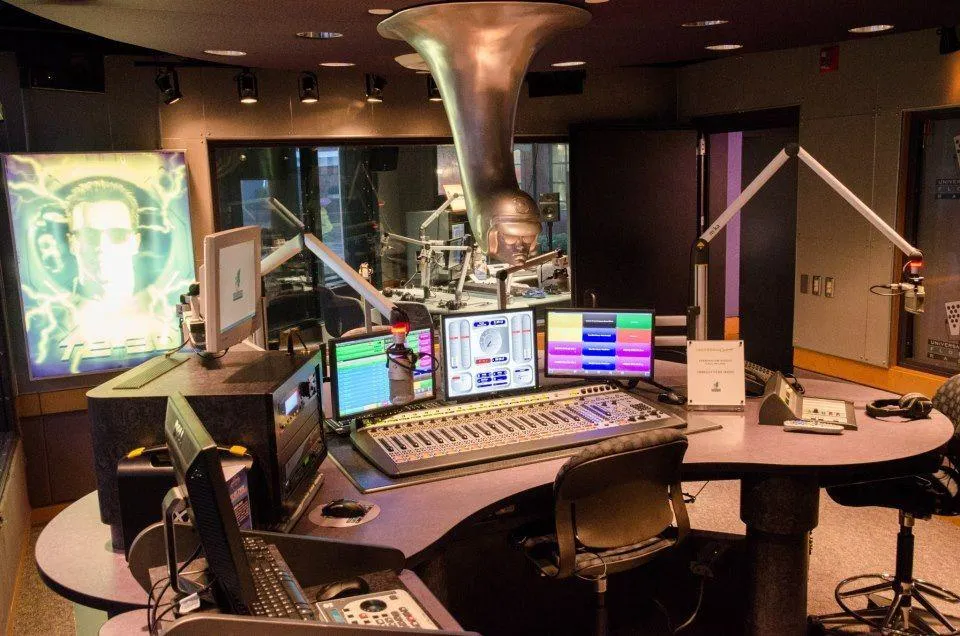 Photo: Radiobroadcastcenter · CC BY-SA 3.0
How does a place built to show you how movies are made end up hiding its own best plot twist in plain sight? Universal Studios Florida in Orlando, United States, is worth visiting because the park still carries the bones of a real studio under all the noise, fog, butterbeer, and bravado. Step through the gates today and you get palm heat, neon facades, faux-New York stoops, orchestral swells from shopfront speakers, and that strange Orlando magic trick where concrete and storytelling try to outshout the weather.
Most visitors come for the obvious pleasures: the swagger of Hollywood parody, the dense theatrical detail, the sheer satisfaction of moving from parody soundstage streets to fully sealed fantasy worlds in a few hundred steps. Fair enough. But the sharper pleasure is noticing what the park used to be, and what it still can't quite stop being.
Records show Universal Studios Florida opened on 7 June 1990 as more than a ride park. The original pitch was "Hollywood East" on 415 acres, a tract larger than 300 American football fields laid side by side, where guests would watch real production happen around them and sometimes step into the show themselves.
That tension gives the park its texture now. You can spend a day here chasing spectacle, then realize the spectacle has a history of embarrassment, reinvention, and stubborn continuity that says as much about Orlando as any polished success story.
What to see
-
The Wizarding World of Harry Potter – Diagon Alley
Universal opened Diagon Alley on July 8, 2014, and the clever part is the concealment: London Waterfront keeps a polite face until you slip through the brick passage and suddenly meet Gringotts Bank, its marble-white bulk crowned by a dragon that growls before it spits fire. Wait for that sound, then look up; the flames hit with the dry heat of an oven door opening, shop windows flicker, and the whole street feels less like a set than a city block with odd rules about money, magic, and ceiling angles.
The best move is to slow down when everyone else rushes for the ride. Duck into Knockturn Alley for the drop in temperature and the bluish half-dark, watch the fake sky overhead, then come back through Carkitt Market where the shade, owl sounds, and moving goblin at the money exchange make the place feel almost lived in; by the time you step out again, Diagon Alley stops being a franchise land and starts reading as Universal's sharpest lesson in how architecture can stage a reveal better than any camera cut.
-
New York and San Francisco
The park's smartest secret isn't a ride but a pair of backlots built to feel bigger than they are, with New York's tight alleys bouncing back footsteps and San Francisco's wharf facades opening onto water and light. One minute you're between brick walls that feel like a compressed Manhattan block, the next you're on the lagoon edge near the old Jaws photo spot, with gull-cry sound effects, salt-and-fryer smells from the restaurants, and a fake waterfront that knows exactly how fake it is.
This is where Universal's 1990 opening identity still shows through. Look for the side passages near the New York library area, then drift toward the San Francisco clock tower and the industrial interiors around Richter's; the scenery stops shouting, the jokes get drier, and you begin to see the park less as a collection of attractions than as a studio town that learned how to hide its mechanics in plain sight.
-
Dusk Route: London Waterfront to Central Park
Start in London Waterfront about 45 minutes before sunset, when the façades soften, the Knight Bus looks less like a prop and more like something that took a wrong turn off a film set, and patient visitors may catch Kreacher peering from the window at 12 Grimmauld Place. Then walk through Diagon Alley without hurrying, skip the urge to document every storefront, and keep going until the noise begins to thin toward Central Park.
That last stretch changes the park's rhythm. Trees cut the heat, classic Universal scores drift through the path, lagoon reflections replace neon glare, and if you've spent the day racing from queue to queue, this route quietly corrects the mistake; Universal Studios Florida makes most sense when you notice how carefully it alternates compression and release, spectacle and shade, street theater and silence.
Plan your visit
- Getting There
- Universal Studios Florida sits behind CityWalk inside Universal Orlando Resort. By car, use the main resort parking garages and expect a security-and-CityWalk walk before the gates; from nearby Universal hotels, shuttle rides usually take 10-20 minutes, while Hard Rock Hotel and Loews Portofino Bay are about a 10-20 minute walk. Orlando has no metro, so public transit means Lynx buses, usually routes 50, 108, and 111 along the Universal and International Drive corridor; check the Lynx app before you go because stop patterns can shift.
- Opening Hours
- As of 2026, the park is operating year-round and a late-April snapshot shows 10:00 AM-9:00 PM. Peak periods like summer, spring break, Halloween Horror Nights, and the Christmas season often stretch the day longer or trigger early closures for special events, so check Universal's official calendar the night before.
- Time Needed
- Give it 4-6 hours if you're hunting highlights and moving with purpose: Gringotts, Transformers, Minions, one show, then out. A full 8-10 hours feels more honest if you want rides, wand magic in Diagon Alley, the Horror Make-Up Show, and time to let the park's odd mix of movie fakery and Florida heat sink in.
- Accessibility
- Universal has wheelchair and ECV rentals at Guest Services near the entrance, and the park's main routes, restrooms, restaurants, and major attractions are built for ADA access with elevators where queues climb. Terrain is mostly paved and gentle, but a full day often means 5-8 miles on hard ground, about the length of crossing Manhattan's Central Park four times end to end.
- Cost & Tickets
- As of 2026, one-day single-park tickets usually land around $109-$159 for adults and $104-$154 for children ages 3-9, with prices rising and falling by date. Park-to-Park access, required for the Hogwarts Express, adds about $55 on a one-day ticket, and online multi-day tickets usually beat gate pricing by roughly $20.
History
The Show Kept Going
Universal Studios Florida has changed its costumes again and again, yet one function has held. From opening day onward, the park has asked visitors to do more than watch: walk onto the set, accept the illusion, and let performance happen around them in the heat, the fog, the queue chatter, and the carefully timed reveal.
Documented history shows the package shifted hard, from a working studio with active soundstages to a franchise-heavy theme park shaped by lands such as the Wizarding World. But the deeper continuity is older than any one ride: this remains a place built on the pleasure of crossing from audience to participant, the same instinct that powered Universal's studio-tour business long before Orlando joined the act.
The turning point
The Studio That Pretended to Be a Theme Park, Then Became One
At first glance, the story seems simple: Universal Studios Florida opened in 1990, stumbled a little, then grew into the movie park people know today. That version is tidy. It also hides the fact that the park was meant to be a working production complex where visitors would brush against real television crews, soundstages, and the machinery of entertainment.
The doubt starts with the buildings most people treat as scenery. Why do parts of Production Central look less like decorative facades and more like oversized industrial shells? Because Jay Stein, the MCA recreation chief driving the project, was not just trying to build rides in Disney's backyard; what was at stake for him personally was whether Universal could prove it belonged in Orlando as a true rival rather than a West Coast studio with delusions. When Disney accelerated its own studio-park plans, and when opening day on 7 June 1990 brought celebrity fanfare alongside angry guests facing broken attractions, Stein's gamble stopped looking visionary and started looking exposed.
The turning point came after that humiliating first season. Contemporary reporting and Universal's own corporate history support the broad conclusion: the studio-first idea never fully delivered as promised, the technically troubled original Jaws became the public symbol of that failure, and the park survived by shifting toward cleaner, more immersive worlds where guests no longer watched production so much as entered fiction. That's why later expansions mattered so much, especially the 8 July 2014 opening of Diagon Alley, which replaced Amity and sealed the park's move from backstage peek to total environment.
Knowing this changes your gaze. Those soundstage forms stop reading as theme-park decoration and start reading as fossils from the park's first identity, a half-buried script under the current one. And when you walk from a faux city block into a land designed to erase the outside world, you are watching Universal finish an argument it began in 1990.
What Changed
What Endured
Tips for visitors
Beat The Heat
Florida turns this park into a griddle by early afternoon. Weeknights feel saner than weekends, and the best rhythm is rope drop for outdoor waits, indoor shows after lunch, then Diagon Alley when the brickwork starts glowing instead of glaring.Camera Rules
Take all the street photos you want in New York, San Francisco, and Diagon Alley, but rides are stricter: flash, mounted cameras, tripods, and monopods are off the table, and selfie sticks can't go on attractions. That matters more than it sounds when lockers and loose-item checks start eating minutes.Dress Smart
Universal enforces shirts and shoes, and clothing with offensive graphics can get you stopped at the gate. Adult costumes, masks, and anything that makes you look like staff or security are a bad idea, especially during Halloween Horror Nights season when rules tighten.Buy Tickets Clean
Orlando's fake-discount ticket trade is real and stupidly persistent. Buy from Universal or an authorized seller, and leave nothing visible in your car because the bigger tourist-corridor headache here is smash-and-grab theft, not cinematic street crime.Eat Outside Bubble
Skip the reflex dinner inside CityWalk if you've still got a car. Bosphorous Turkish Cuisine in Dr. Phillips is a strong mid-range move, The Whiskey handles burgers and drinks without tourist-strip sadness, and Chima Steakhouse is the splurge play if you want rodizio after a day of simulated explosions.Pair It Right
Frequently asked
Is Universal Studios Florida worth visiting?
Yes, especially if you want a park with more wit and texture than a simple ride checklist. Universal Studios Florida opened on June 7, 1990, as a working-studio idea before it grew into today’s mix of New York facades, lagoon views, and Diagon Alley’s brick-and-fire theatrics. The surprise is how often the park slows down: the hush of Central Park, the cooler dark of Knockturn Alley, the moment before the Gringotts dragon growls.
How long do you need at Universal Studios Florida?
A full day is the right answer for most people. You can hit highlights in 4 to 6 hours, but 8 to 10 hours gives you time for the rides, the Horror Make-Up Show, side streets in New York, and the slow reveal into Diagon Alley instead of sprinting past it. Two parks in one day is possible, though it turns the place into a stopwatch.
How do I get to Universal Studios Florida from Orlando?
The easiest move from Orlando is to drive or take a rideshare to Universal Orlando Resort, then walk through CityWalk to the park entrance. Orlando has no metro, so public transit means Lynx buses on the Universal and International Drive corridor, which work but cost you time. If you’re staying at a Universal hotel, the free shuttles are usually the least annoying option.
What is the best time to visit Universal Studios Florida?
The best time is a weekday in the lower-crowd months, with an early start and a late stay into dusk. Summer, spring break, and the December holidays usually bring longer hours and heavier crowds, while London Waterfront and Diagon Alley look better once the light softens and the neon starts doing its job. Special events change the park’s mood completely: Mardi Gras adds brass and parade energy, while Halloween Horror Nights turns familiar streets into fear corridors on select nights.
Can you visit Universal Studios Florida for free?
No, regular entry is paid. One-day tickets use dynamic pricing, with recent adult prices running about $109 to $159, and Universal does not offer standard free-admission days. You can enter CityWalk without a park ticket, but the park itself stays behind the turnstiles.
What should I not miss at Universal Studios Florida?
Don’t miss Diagon Alley, and don’t treat it like a single ride queue. Wait for the dragon above Gringotts to growl before it breathes fire, slip into Knockturn Alley for air that feels cooler by several degrees, and pause in Carkitt Market where the noise drops and the details get stranger. Also save ten minutes for the New York alleys and Central Park, because that’s where the park remembers it once wanted to be a studio, not just a machine for lines.
Sources & attribution 16
- Universal Destinations & Experiences Corporate History — Used for the park’s opening date on June 7, 1990, and for the broader shift from studio-tour roots to a modern immersive theme park.
- Universal Studios Florida Official Park Page — Used for the current official positioning of Universal Studios Florida and confirmation of major attractions and park identity.
- Universal Orlando Park Hours — Used for current operating-hours patterns and the point that hours expand in peak seasons and contract in slower periods.
- Universal Orlando Tickets Page — Used for dynamic ticket pricing and confirmation that admission is paid rather than free.
- Universal Orlando Park Information FAQ — Used for practical visitor information including entry procedures and official FAQ context.
- Frommer's Planning Guide — Used for visit duration estimates, ticket-planning context, parking notes, and practical touring advice.
- Orlando Informer: Universal Studios Florida — Used for the park’s layout, themed districts, and general visitor experience across the lagoon loop.
- Universal Orlando Resort Maps — Used for the physical layout of the park and the CityWalk approach to the entrance.
- Orlando Informer: London Waterfront — Used for details about London Waterfront and why dusk improves the area visually.
- Orlando Informer: The Wizarding World of Harry Potter – Diagon Alley — Used for Diagon Alley’s immersive layout and why it deserves time beyond the headline ride.
- Orlando Informer: Knockturn Alley — Used for the sensory contrast of Knockturn Alley, including its dark, cool atmosphere.
- Orlando Informer: Carkitt Market — Used for the sheltered, lower-noise feel of Carkitt Market inside Diagon Alley.
- Undercover Tourist: Diagon Alley at Universal Orlando — Used for the dragon fire timing cue and on-the-ground sensory details in Diagon Alley.
- Universal Orlando Cognitive Disability Guide — Used for officially identified quiet areas and seasonal-event context inside the park.
- UPI Archive: Universal opens $600 million Florida theme park — Used for the opening-day atmosphere and the contrast between the glamorous launch and early operational trouble.
- Periodic Adventures: Epic Universe Tips — Used for hotel shuttle context and practical resort transportation notes.
Built from cited sources · see the method · How we make our guides →
More in Orlando.
4 places to discover — a few worth pairing.


Pick up where you left off
Saved and recently read places — kept on this device only.
Photo credits (5)
- Sean Nyatsine — Unsplash License (https://unsplash.com/license) — Source: https://images.unsplash.com/photo-1643102927429-69d671713ac6
- Jairo Gonzalez — Unsplash License (https://unsplash.com/license) — Source: https://images.unsplash.com/photo-1708143676237-efec07ae4090
- Tarik Caramanico — Unsplash License (https://unsplash.com/license) — Source: https://images.unsplash.com/photo-1754057174096-8724acf9e2d8
- Josh Rich — Unsplash License (https://unsplash.com/license) — Source: https://images.unsplash.com/photo-1693712001708-d6ac656ba468
- Radio Broadcast Center at Universal Studios Florida — Radiobroadcastcenter — CC BY-SA 3.0 (https://creativecommons.org/licenses/by-sa/3.0/) — Source: https://commons.wikimedia.org/wiki/File:Radio_Broadcast_Center_at_Universal_Studios_Florida.jpg
Photos may have been resized or cropped.