Plan and listen to Talbert Regional Park with Audiala.
Audio guide in your pocket, itinerary in your browser. Built for the way you actually visit.
Introduction to Trail E
Trail E, nestled in the picturesque Newport Beach, California, is a hidden gem with a rich history and stunning natural beauty. From its early days as a path for indigenous peoples to its modern status as a beloved recreational trail, Trail E offers something for everyone. Whether you're a history buff, nature enthusiast, or casual hiker, this guide will help you make the most of your visit to Trail E.
Exploring Trail E in Newport Beach - History, Visiting Tips, and More
Introduction
Trail E, nestled in the picturesque Newport Beach, California, is a hidden gem with a rich history and stunning natural beauty. From its early days as a path for indigenous peoples to its modern status as a beloved recreational trail, Trail E offers something for everyone. Whether you're a history buff, nature enthusiast, or casual hiker, this guide will help you make the most of your visit to Trail E.
Early Beginnings
Trail E, located in the scenic Newport Beach, California, has a rich history that dates back to the early 20th century. The trail was initially part of a larger network of paths used by the indigenous Tongva people, who inhabited the region for thousands of years before European settlers arrived. The Tongva utilized these trails for trade, travel, and accessing various natural resources. The area that is now Newport Beach was known for its abundant wildlife and natural beauty, which the Tongva people revered and protected.
Development in the 1920s
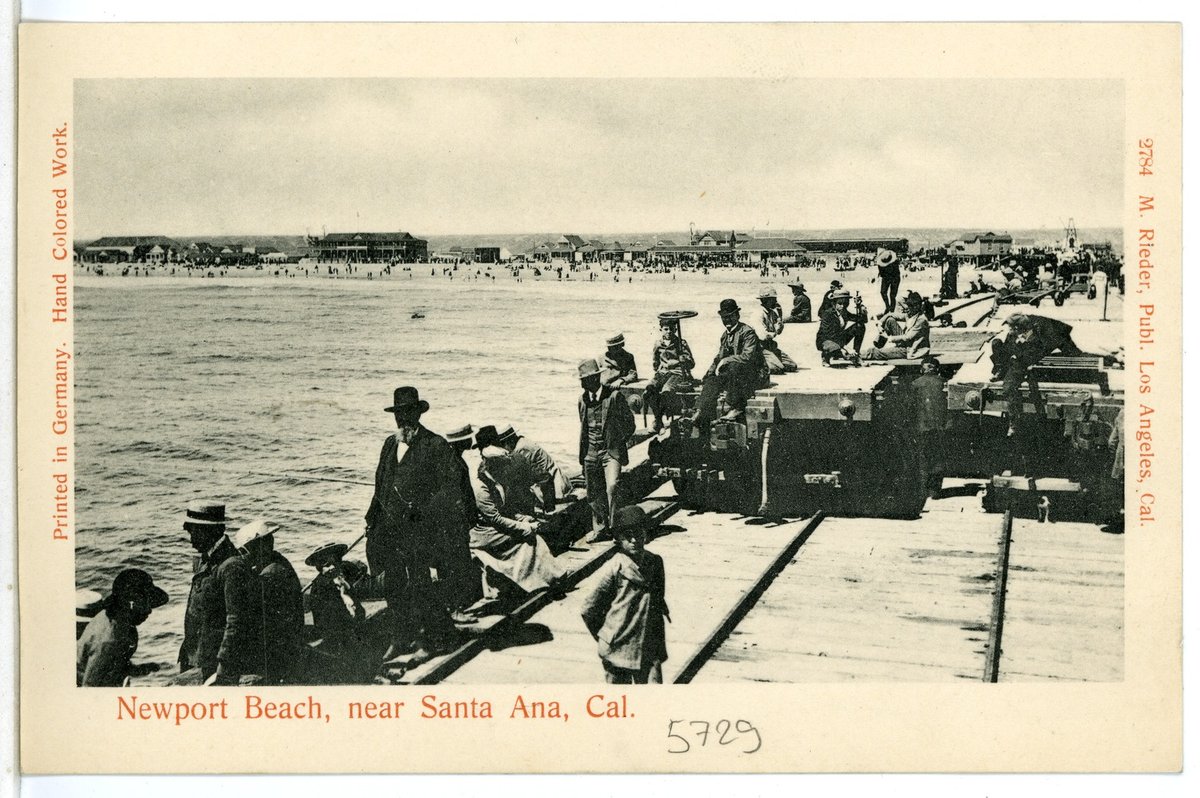
The formal development of Trail E began in the 1920s, during a period of rapid growth and urbanization in Southern California. Newport Beach was becoming a popular destination for tourists and new residents alike, drawn by its picturesque coastline and favorable climate. The city recognized the need to preserve natural spaces amidst the burgeoning development and initiated efforts to create public trails and parks. Trail E was established as part of this initiative, designed to provide residents and visitors with access to the area's stunning coastal views and natural landscapes. Early maps and documents from the Newport Beach Historical Society highlight the trail's original route and its significance in the city's recreational infrastructure.
Mid-20th Century Enhancements
In the mid-20th century, Trail E underwent several enhancements to improve accessibility and user experience. The post-World War II era saw a surge in outdoor recreational activities, and Newport Beach was no exception. The city invested in upgrading the trail's infrastructure, including the installation of signage, benches, and safety features. During this period, Trail E also became a focal point for community events and outdoor activities. Local schools organized nature walks and educational programs along the trail, fostering a deeper appreciation for the environment among young residents. The trail's popularity continued to grow, attracting hikers, bird watchers, and nature enthusiasts from across the region.
Environmental Conservation Efforts
The latter half of the 20th century saw a growing awareness of environmental conservation, and Trail E played a crucial role in these efforts. In the 1970s, Newport Beach implemented several conservation initiatives aimed at protecting the natural habitats surrounding the trail. These efforts included habitat restoration projects, erosion control measures, and the introduction of native plant species. Trail E became a model for sustainable trail management, balancing recreational use with environmental preservation. The city's commitment to conservation was recognized by various environmental organizations, and Trail E received accolades for its role in promoting ecological awareness and stewardship.
Modern-Day Trail E
Today, Trail E remains a beloved feature of Newport Beach, offering a serene escape from the hustle and bustle of urban life. The trail has been meticulously maintained and continues to evolve to meet the needs of its users. Modern enhancements include the addition of interpretive signs that provide information about the area's history, flora, and fauna, enriching the experience for visitors. Trail E is also part of Newport Beach's broader efforts to promote outdoor recreation and healthy living. The trail is integrated into the city's network of parks and open spaces, providing seamless connectivity for hikers and outdoor enthusiasts. The Newport Beach Parks and Recreation regularly organizes events and programs along the trail, encouraging community engagement and active lifestyles.
Historical Significance
The historical significance of Trail E extends beyond its recreational value. The trail serves as a living testament to Newport Beach's commitment to preserving its natural heritage and providing accessible outdoor spaces for all. It reflects the city's evolution from a small coastal community to a vibrant urban center, while maintaining a deep connection to its natural surroundings. Trail E's history is also intertwined with the broader narrative of Southern California's development. The trail has witnessed the region's transformation over the decades, from the early days of indigenous habitation to the modern era of environmental conservation. It stands as a reminder of the importance of preserving natural spaces amidst ongoing urbanization and development.
Visitor Information
- Visiting Hours: Trail E is open year-round from dawn until dusk. Check the Newport Beach Parks and Recreation website for any seasonal variations or special events.
- Tickets: Access to Trail E is free of charge. However, guided tours and special events may require a fee. Visit the Newport Beach Parks and Recreation website for more information.
- Nearby Attractions: While in Newport Beach, consider visiting other attractions such as Balboa Island, the Newport Beach Pier, and the Upper Newport Bay Nature Preserve.
- Safety: Wear appropriate footwear and bring plenty of water, especially during the warmer months. Be mindful of wildlife and stay on designated paths to protect the natural habitat.
- Accessibility: Trail E is designed to be accessible to users of all abilities. There are sections of the trail that are wheelchair-friendly, and benches are available for rest stops.
- Guided Tours: Consider joining a guided tour to learn more about the trail's history and natural features. The Newport Beach Parks and Recreation Department offers seasonal guided hikes and educational programs.
Visitor Tips
For those planning to visit Trail E, there are several tips to ensure a memorable and enjoyable experience:
- Best Time to Visit: The trail is open year-round, but the best time to visit is during the spring and fall when the weather is mild, and the natural scenery is at its most vibrant.
- Trail Conditions: Check the Newport Beach Parks and Recreation website for the latest trail conditions and any potential closures or maintenance activities.
- Safety: Wear appropriate footwear and bring plenty of water, especially during the warmer months. Be mindful of wildlife and stay on designated paths to protect the natural habitat.
- Accessibility: Trail E is designed to be accessible to users of all abilities. There are sections of the trail that are wheelchair-friendly, and benches are available for rest stops.
- Guided Tours: Consider joining a guided tour to learn more about the trail's history and natural features. The Newport Beach Parks and Recreation Department offers seasonal guided hikes and educational programs.
Frequently Asked Questions (FAQ)
- Q: What are the visiting hours for Trail E?
- A: Trail E is open year-round from dawn until dusk. Check the Newport Beach Parks and Recreation website for any seasonal variations or special events.
- Q: Do I need tickets to access Trail E?
- A: Access to Trail E is free of charge. However, guided tours and special events may require a fee. Visit the Newport Beach Parks and Recreation website for more information.
- Q: What are some nearby attractions?
- A: While in Newport Beach, consider visiting other attractions such as Balboa Island, the Newport Beach Pier, and the Upper Newport Bay Nature Preserve.
- Q: Is Trail E accessible for people with disabilities?
- A: Yes, Trail E is designed to be accessible to users of all abilities. There are sections of the trail that are wheelchair-friendly, and benches are available for rest stops.
Listen to the full story in the app
The whole Talbert Regional Park,
told well.
Audio guides for 1,100+ cities across 96 countries. History, stories, and local insight — offline ready.

Verified, and shown.
Researched and written by the Audiala editorial team from historical records, architectural archives, and local expertise.
Retrieved from Newport Beach Historical Society [https://www.newportbeachhistorical.org]
Retrieved from Upper Newport Bay Nature Preserve [https://www.ocparks.com/parks-trails/upper-newport-bay-nature-preserve]
Retrieved from Balboa Island [https://www.visitnewportbeach.com/vacations/balboa-island/]
Researched from Wikidata, Wikipedia & official sources · fact-checked · How we make our guides →