
Yeshiva University Visiting Guide: New York City Historical Sites, Tickets, and Hours
What Yeshiva University is
Yeshiva University (YU) is a New York City academic institution rooted in Jewish tradition. Its Torah U’Madda philosophy integrates Talmudic study with a secular curriculum. The university has campuses in Manhattan and the Bronx, and its cultural presence includes the Yeshiva University Museum in Chelsea.
YU’s academic programs include Yeshiva College, Stern College for Women, Sy Syms School of Business, Benjamin N. Cardozo School of Law, Wurzweiler School of Social Work, Katz School of Science and Health, and Albert Einstein College of Medicine. Its dual curriculum combines intensive Jewish and secular studies (YU Observer: Yeshiva University).
For 2025, YU was ranked #98 among National Universities by U.S. News & World Report (Academic Excellence and Programs, 2024) and #413 globally in the QS World University Rankings (QS World University Rankings). Its freshman retention rate is 92%, graduation rate is 79%, and 95% of graduates are employed or in further study within six months. The student-faculty ratio is 7:1. Student life includes academic support, kosher dining, spiritual resources, and over 100 student clubs. Campus life also features mezuzot, campus rabbis, a beit midrash, and strong Israel advocacy.
History
Yeshiva University began in 1886 as Etz Chaim Yeshiva on Manhattan’s Lower East Side. Eastern European Jewish immigrants founded it to combine traditional Talmudic scholarship with secular studies. In 1897, the Rabbi Isaac Elchanan Theological Seminary (RIETS) was established, creating the first advanced yeshiva in America. Etz Chaim and RIETS merged in 1915, laying the groundwork for the modern university.
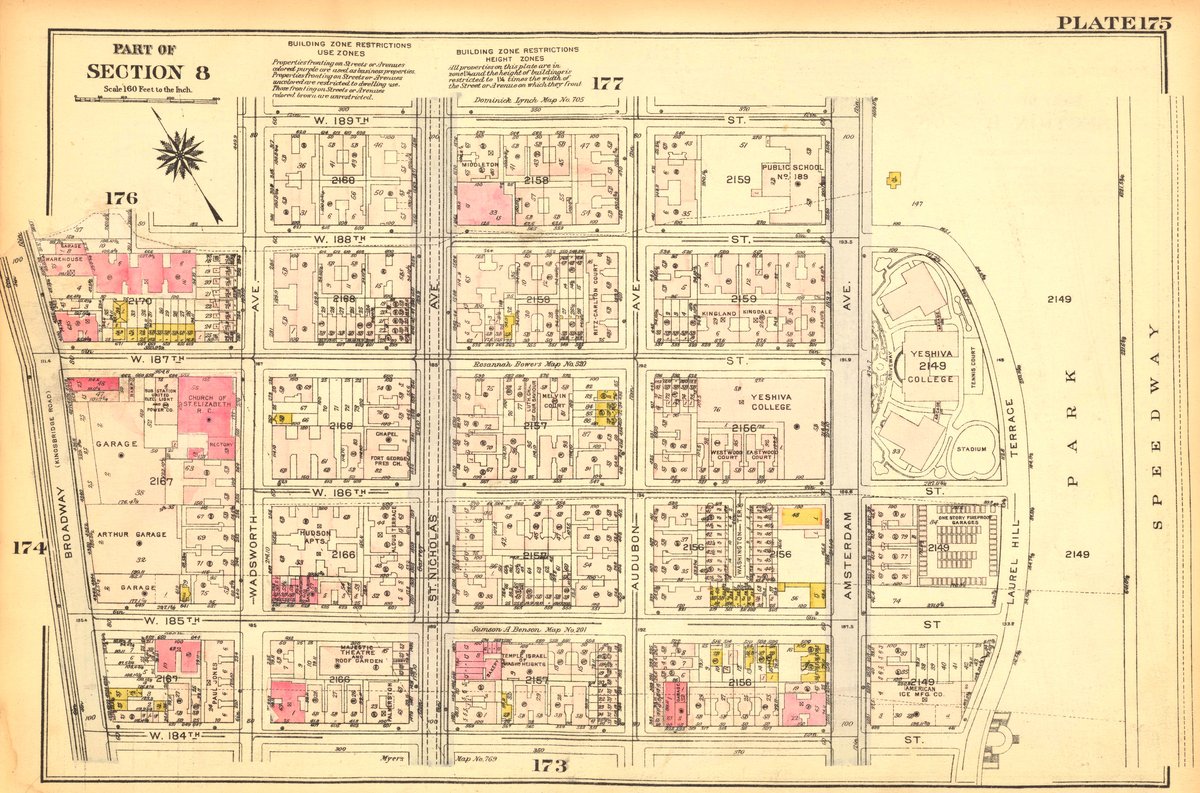
Yeshiva College introduced bachelor’s degrees in a Jewish academic environment in 1928. The university moved to Washington Heights in 1929 and received university status in 1945. It later added graduate divisions, including the Albert Einstein College of Medicine. YU has produced leaders in religious, political, business, and philanthropic fields; its outreach, adult education, and rabbinic placement programs serve the Jewish community and beyond.
What to see
Campuses and architecture
- Wilf Campus In Washington Heights; the main undergraduate men’s campus.
- Beren Campus In Midtown Manhattan; home to Stern College for Women and the women’s division of Sy Syms School of Business.
- Brookdale Center In Greenwich Village; home to Benjamin N. Cardozo School of Law.
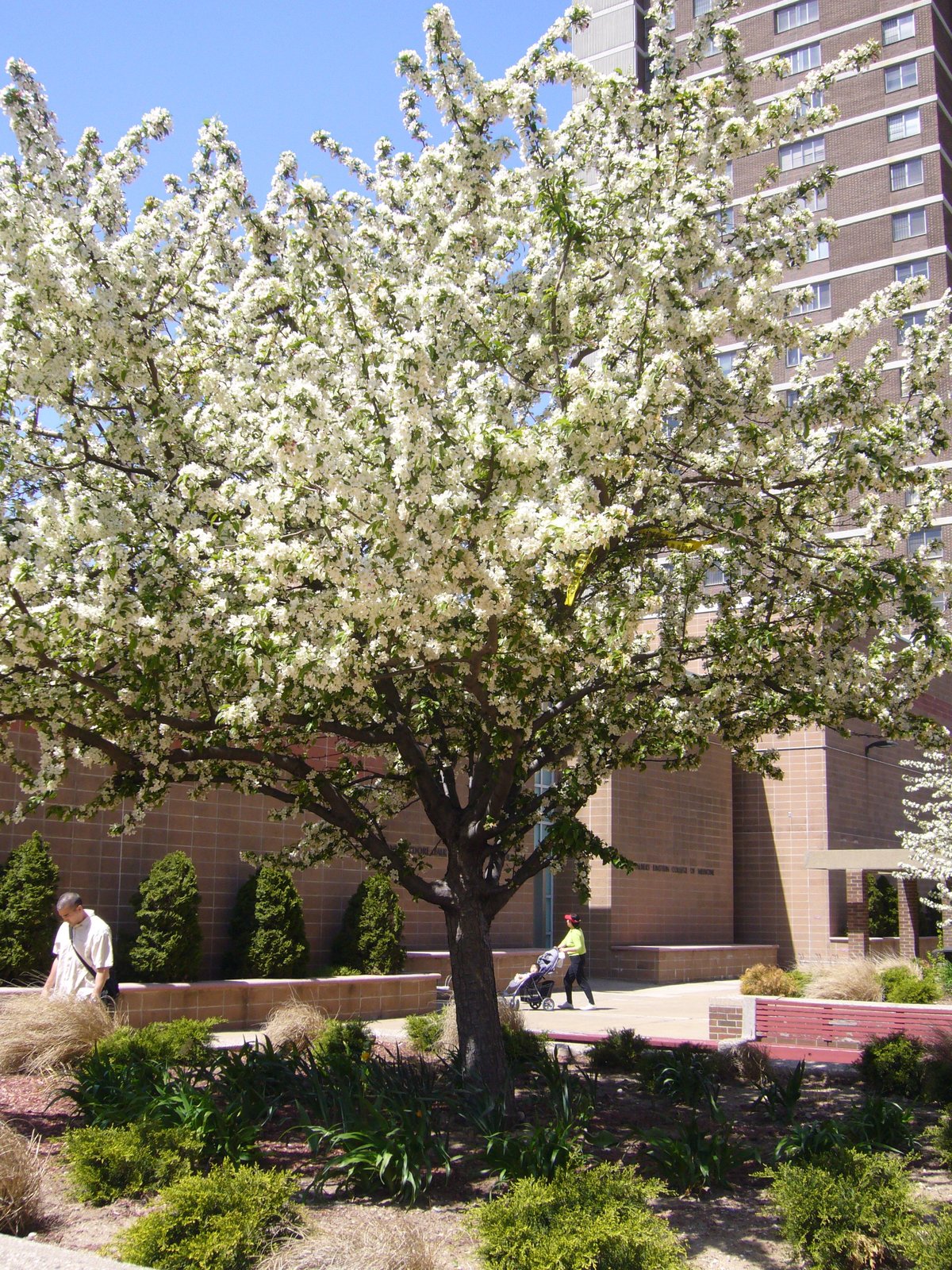
- Resnick Campus In the Bronx; home to Albert Einstein College of Medicine and Ferkauf Graduate School of Psychology. More information is available on YU Campuses.
Architectural highlights include:
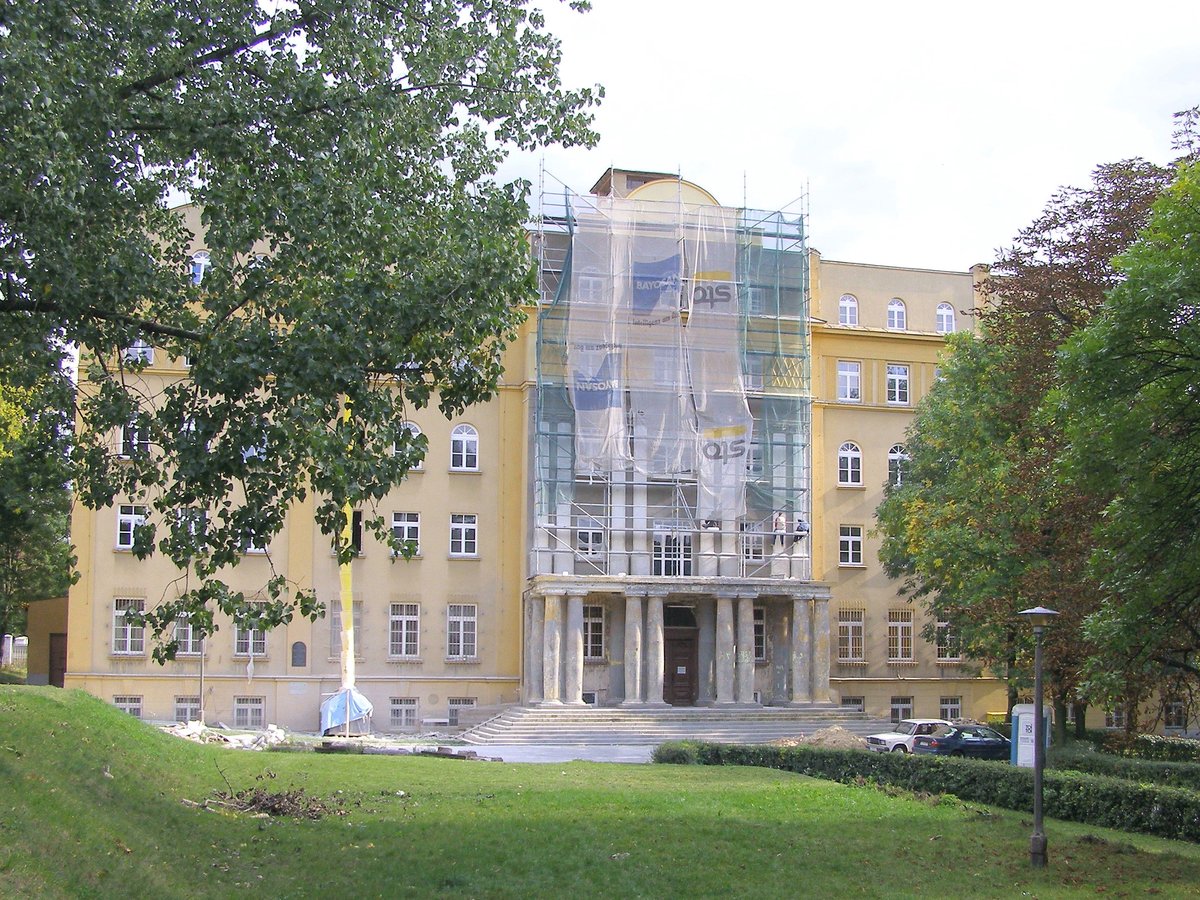
- Zysman Hall A 1928 building in the Collegiate Gothic and Art Deco styles, and the centerpiece of Wilf Campus (Daytonian in Manhattan: Zysman Hall).
- Mendel Gottesman Library and Glueck Center A blend of traditional and modern design (e-architect: Glueck Center for Jewish Study).
- Beren Campus Urban institutional architecture with accessible study spaces.
- Resnick Campus Modern facilities for medical and research education.
The Mendel Gottesman Library is on Wilf Campus and the Hedi Steinberg Library is on Beren Campus; both are subject to visitor approval. The Schottenstein Center is home to the Shenk Synagogue, a spiritual and communal hub.
Yeshiva University Museum
The Yeshiva University Museum is at 15 West 16th Street, Chelsea, Manhattan, near the 14th and 23rd Street subway stations. Its collection includes more than 8,000 artifacts spanning global Jewish life, alongside rotating art exhibitions, cultural events, and educational programs.
The museum offers guided tours, workshops, lectures, and family activities in multiple languages. It participates in city-wide events and is close to the Rubin Museum of Art, Museum at Eldridge Street, and Tenement Museum.
Practical visiting information
Hours
- Main Campus (Washington Heights) Monday–Friday, 9:00 AM–5:00 PM.
- Yeshiva University Museum Hours are listed as typically Tuesday–Sunday, 11:00 AM–5:00 PM; another listing gives Tuesday–Saturday, 11:00 AM–5:00 PM. Hours may vary on holidays and event days. Confirm current information on the official websites, (Yeshiva University Museum).
Admission and registration
- Campus Free and open to the public with pre-registration and photo ID. Registration is required through the YU Visitor Management System, and visitors need a faculty or staff host (YU Visitor Policy).
- Museum Admission is described as a modest fee, with discounts for students, seniors, and groups; it is also listed as low-cost or free. Tickets can be purchased online or at the door, and tickets are required for some special events.
Campus visitors must check in at entry points and bring government-issued photo ID. Access to classrooms, dorms, and libraries is controlled.
Tours, accessibility, and photography
Campus and museum tours are available by appointment and during special events. Tours cover historic buildings, academic philosophy, and art collections. Advance booking is recommended through the museum or university visitor center.
Most buildings and the museum are wheelchair accessible. The museum has wheelchair-accessible entrances, restrooms, and galleries. Contact campus services or the museum in advance about specific accommodations.
Personal photography is welcome on campus and in public museum areas. Flash and tripods may be restricted, especially in exhibit spaces; follow posted rules and staff instructions.
The university and museum host lectures, exhibitions, and cultural programs. Check the YU Events Calendar and the museum website for current schedules and ticketing.
Tips
- Weekdays are suggested for a quieter museum visit.
- Use public transit; campuses and the museum are accessible by NYC subway and bus.
- Public transport and parking details are available on the university website.
- Parking is limited; public transit is recommended.
- Suggested photo spots include the Zysman Hall façade, the Glueck Center’s glass and stone exterior, Wilf Campus gardens, the Midtown skyline from Beren Campus, and museum galleries.
- Check online for current museum exhibitions and events. A visit can be combined with Chelsea’s restaurants and shops.
- The guide also suggests downloading the Audiala app for interactive tours, updates, and cultural content, and following YU on social media or subscribing to newsletters for news and visitor tips.
Nearby places
- Fort Tryon Park Offers river views and gardens, just steps from Wilf Campus.
- The Cloisters A branch of the Metropolitan Museum of Art featuring European medieval art.
- Washington Heights Has numerous kosher restaurants, cafes, and bakeries.
- Chelsea The museum is near the Rubin Museum of Art, Museum at Eldridge Street, and Tenement Museum.
Frequently asked questions
What are Yeshiva University’s visiting hours?
The main campus is open Monday–Friday, 9:00 AM–5:00 PM. Museum hours are listed as Tuesday–Sunday, 11:00 AM–5:00 PM, and Tuesday–Saturday, 11:00 AM–5:00 PM.
Is there an admission fee?
Campus visits are free with pre-registration and photo ID. Museum admission is described as a modest fee or low-cost or free; discounts are available for students, seniors, and groups.
Are guided tours available?
Yes. Campus and museum tours are available by appointment, during special events, or by advance arrangement.
Is the campus wheelchair accessible?
Most facilities are accessible. The museum has accessible entrances, restrooms, and galleries.
What are the best photo spots?
Suggested spots include Zysman Hall, the Glueck Center, Wilf Campus gardens, the Midtown skyline from Beren Campus, and museum galleries.
Is parking available?
Parking is limited; public transit is recommended.