Introduction: Discovering Wave Hill’s Unique Place in New York History
Nestled in the scenic Riverdale neighborhood of the Bronx, Wave Hill is a 28-acre public garden and cultural center that blends natural splendor, rich history, and vibrant artistic expression. This iconic destination offers breathtaking Hudson River views, themed gardens, woodland trails, and a host of cultural and educational programs. From its origins as a private estate in the 19th century to its present role as a hub for ecological education and contemporary art, Wave Hill stands as a testament to New York City’s layered heritage and community engagement.
Whether you’re seeking a tranquil garden stroll, an inspiring art installation, or a family-friendly workshop, Wave Hill delivers a uniquely enriching experience among Bronx historical sites. For detailed planning and event updates, visit the official Wave Hill website. For cultural and community perspectives, see Side of Culture’s feature and Riverdale Press coverage.
History and Cultural Significance of Wave Hill
Early Origins and Evolution
First established in 1843 as the estate of William Lewis Morris, Wave Hill’s historic mansion has long overlooked the Hudson River. The property expanded under publisher William Henry Appleton, who introduced gardens and greenhouses and hosted prominent guests including President Theodore Roosevelt’s family and author Mark Twain.
In the late 19th and early 20th centuries, conservationist George Walbridge Perkins and his family further shaped the grounds, emphasizing landscape preservation and ecological stewardship. Their efforts laid the groundwork for Wave Hill’s transition from private estate to a community-focused public garden. In 1960, the estate was deeded to New York City and eventually gained landmark status for its architectural and cultural value. A major renovation in the 1980s revitalized the site, which now welcomes over 65,000 visitors annually.
Cultural, Ecological, and Artistic Importance
Indigenous Heritage and Historical Layers
Wave Hill sits on ancestral Lenape land, inhabited for thousands of years before European colonization. The Lenape cultivated the region, fished the Hudson (Muhheakantuck), and stewarded the forests (Wave Hill: Prehistory through the 18th Century). Colonial and post-Revolutionary land divisions transformed the area into private estates, leading to the property’s eventual public status.
Community Engagement and Education
Since opening to the public in 1965, Wave Hill has become a vital Bronx community hub. Programs like the Woodland Ecology Research Mentorship and Forest Project immerse students in ecological research and conservation. Family Art Projects, adult workshops, and nature walks foster lifelong learning and a sense of environmental responsibility (Wave Hill: Education, Riverdale Press).
Artistic Programming
Wave Hill is a celebrated center for art, nature, and ecology. Glyndor Gallery and Wave Hill House host rotating exhibitions and artist residencies. Programs such as the Winter Workspace allow artists to create on-site, while the annual "Sunset Wednesdays" concert series brings diverse live performances to the gardens (Side of Culture, Wave Hill Calendar).
Ecological Significance and Conservation
Perched atop ancient Riverdale geological formations, Wave Hill’s gardens showcase native and exotic plants across themed gardens, woodlands, and meadows. The estate emphasizes sustainable horticulture and biodiversity, serving as a model for urban green space management (Side of Culture). Conservation efforts led by former owner George W. Perkins helped protect the Palisades from quarrying, preserving the iconic river vista.
Urban Oasis
Wave Hill is a sanctuary for flora, fauna, and city dwellers alike. Birdwatchers flock to the meadows, while the woodland trails offer a retreat from the city’s bustle. Special events like “Pride Birding” walks and seasonal festivals reinforce its role as a community gathering place (Wave Hill Calendar).
Visitor Information and Tips
Location and Getting There
- Address: 4900 Independence Avenue, Bronx, NY 10471 (main entrance at West 249th Street)
- Public Transit: 1 train to Van Cortlandt Park–242nd Street, then short bus or taxi ride; Metro-North Hudson Line to Riverdale Station, with a free shuttle Thursday–Sunday (Explore.com)
- Bus: Bx7, Bx10, Bx9
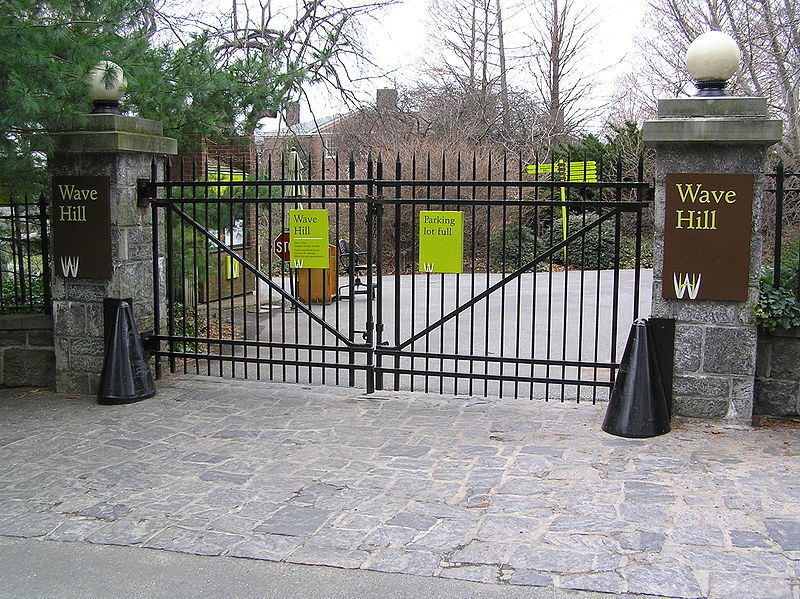
- Parking: Limited onsite for a fee; public transit recommended on weekends
Visiting Hours
- General Hours: Tuesday–Sunday, 10:00 AM–5:30 PM (last admission 30 minutes before closing)
- Closed: Mondays (except select holidays; see official hours)
Tickets and Admission
- Adults: $10
- Seniors (65+) / Students (with ID): $6
- Children (6+): $4
- Children under 6: Free
- Members: Free
- Free Admission: Thursdays (all visitors), and as part of the Blue Star Museums program for military families (Wave Hill Visit)
- No advance reservations required for general admission
Accessibility and Facilities
- Wheelchair accessible: Indoor spaces and most garden paths
- Restrooms: Available in main buildings
- Café: Seasonal menu with indoor/outdoor seating (TripSavvy)
- Shop: Gifts, books, and local crafts
- Picnic Lawns: Permitted in designated areas
Guided Tours and Programs
- Guided Garden Tours: Weekends, highlight seasonal plantings and estate history
- Family Art Project: Creative workshops every weekend (Explore.com)
- Educational Workshops: Gardening, ecology, and art for all ages
Events and Seasonal Highlights
- Sunset Wednesdays: Summer concerts with garden views
- Afternoon Tea: Tuesdays and Thursdays on the terrace (advance booking recommended) (Hoboken Girl)
- Art Exhibitions: Glyndor Gallery showcases rotating displays
- Check the Wave Hill calendar for current programming
What to See and Do
- Flower Garden: Arts and Crafts-inspired beds with vibrant blooms
- Aquatic Garden: Water lilies and reflective pools reminiscent of Monet’s Giverny (Explore.com)
- Pergola Overlook: Classic spot for panoramic river views
- Woodland Trails: Restored paths for immersive nature walks
- Greenhouses: Home to exotic plant species (The Montclair Girl)
- Glyndor Gallery: Contemporary art exhibitions (Explore.com)
- Wave Hill House: Historic mansion, café, and event venue
Insider Tips for Your Visit
- Arrive early for a peaceful garden experience, especially on weekends and free Thursdays.
- Allow 2–3 hours to fully explore the grounds, galleries, and trails.
- Dress for the weather and wear comfortable shoes; some paths may be uneven or muddy after rain.
- Bring a picnic for the designated lawns, or enjoy a meal at the café.
- Photo opportunities abound at the Pergola Overlook, Aquatic Garden, and Flower Garden—share your photos using @wavehill #wavehill.
- Children under 6 enter free; main paths are stroller-friendly, though woodland trails may be challenging (Mommy Poppins).
Frequently Asked Questions (FAQ)
Q: What are Wave Hill’s visiting hours?
A: Tuesday–Sunday, 10:00 AM–5:30 PM. Closed Mondays.
Q: How much are Wave Hill tickets?
A: $10 adults, $6 seniors/students, $4 children 6+, free for children under 6 and all visitors on Thursdays.
Q: Is Wave Hill wheelchair accessible?
A: Yes, most main paths and all buildings are accessible; some outdoor trails may be uneven.
Q: Can I bring pets?
A: Only service animals are permitted.
Q: Are guided tours available?
A: Yes, complimentary garden tours are offered on weekends.
Q: Is photography allowed?
A: Personal photography is welcome; commercial shoots require advance approval.
Q: Is parking available?
A: Limited onsite parking for a fee; public transit and shuttle are recommended on busy days.
Photographic Spots and Visual Recommendations
- Pergola Overlook: Iconic river and Palisades views
- Aquatic Garden: Water lilies in bloom
- Flower Garden: Seasonal color displays
- Wave Hill House: Historic architecture and café terrace
- Glyndor Gallery: Contemporary art installations
High-quality images, virtual tours, and downloadable maps are available on the Wave Hill official site.
Listen to the full story in the app
Your Personal Curator, in Your Pocket.
Audio guides for 1,100+ cities across 96 countries. History, stories, and local insight — offline ready.
Audiala App
Available on iOS & Android
Join 50k+ Curators
Sources
- verified
- verified
- verified
- verified
- verified
- verified
Last reviewed: