
Origins and Historical Context
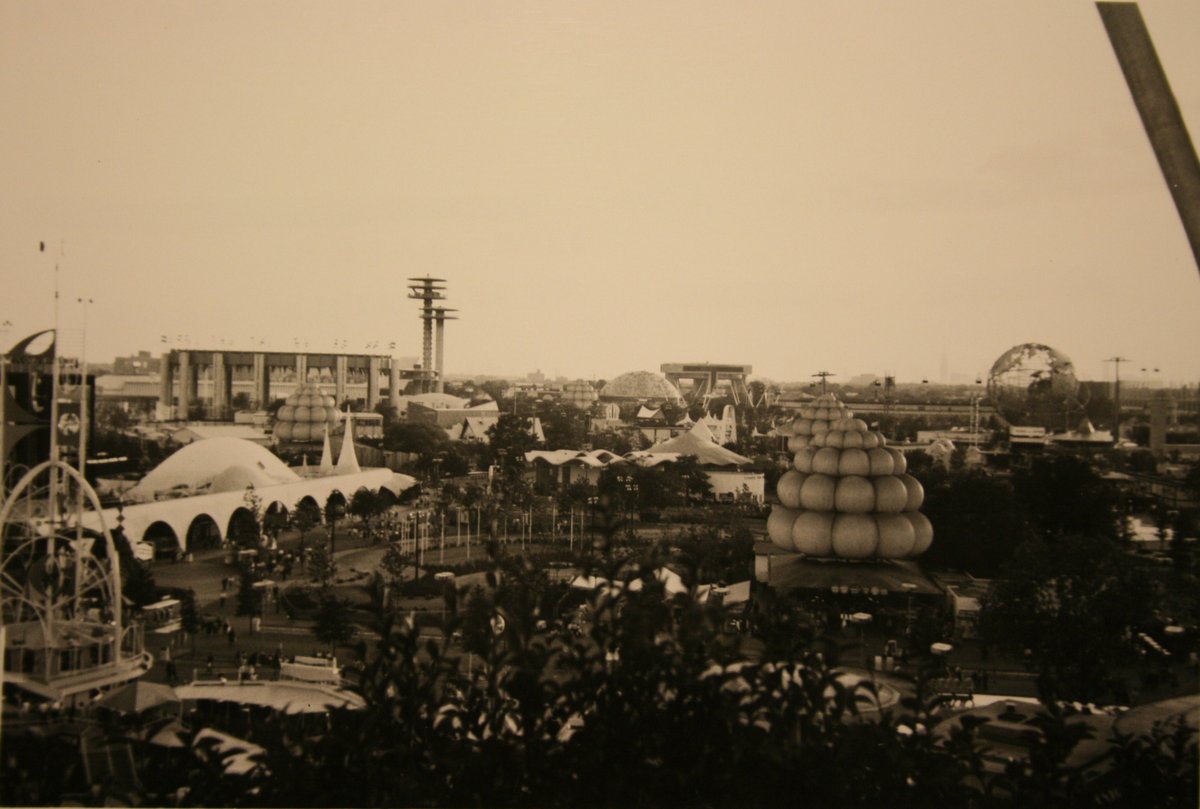
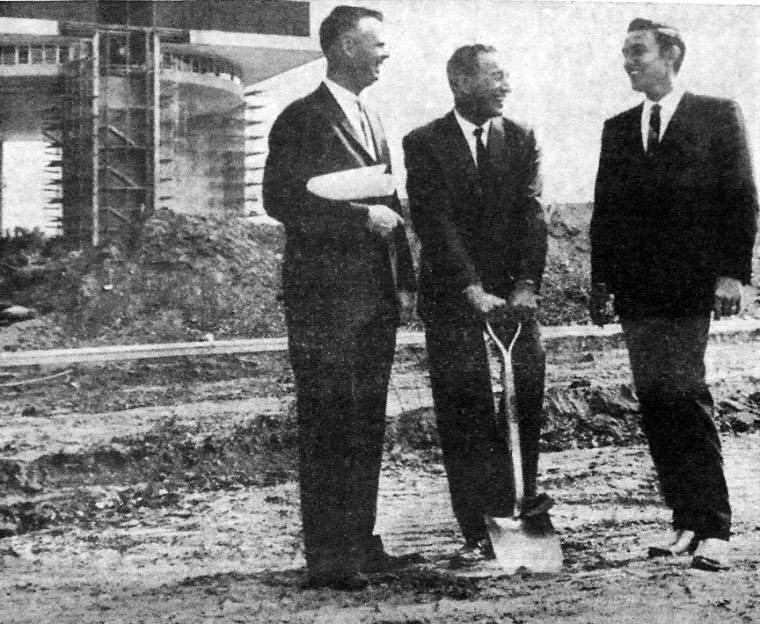
The Underground World Home emerged at the height of Cold War tensions, when nuclear fears prompted a wave of civil defense initiatives across the United States. Jay Swayze’s vision was to create more than a utilitarian bunker—he proposed a luxurious, self-contained residence that would shield its inhabitants while offering the amenities and comfort of an above-ground home. Showcased as a centerpiece at the 1964–65 World’s Fair, the underground home symbolized a futuristic response to existential threats, blending security with a hopeful outlook for urban living. (Secret NYC)
Architecture and Design Features
Structure and Layout
- Size Approximately 5,600 square feet.
- Construction Reinforced concrete shell, buried just below ground.
- Entry Accessed via a staircase from a surface pavilion.
Interior Features
- Rooms Three bedrooms, spacious living areas, fully equipped kitchen, and a faux terrace with real and artificial plants.
- Artificial Windows Screens simulated outdoor scenes (sunrise, forests), offering psychological comfort.
- Environmental Controls Independent systems regulated temperature, humidity, and air pressure.
- Furnishings Included a Steinway piano and luxury finishes, illustrating the potential for style and comfort underground. (Messy Nessy Chic)
Cultural and Social Impact
The Underground World Home became an emblem of Cold War-era optimism and anxiety. It attracted thousands of fairgoers, sparking debates about safety, technology, and the future of urban living. Despite its innovative design, high costs and limited demand meant few such homes were ever built. Nevertheless, it remains a symbol of the period’s faith in technology to solve societal challenges and preserve daily life—even in the face of nuclear threat. (Ancestral Findings)
Legacy and Influence
Though demolished, the Underground World Home’s influence persists:
- Architectural Legacy Early demonstration of biophilic design and environmental control systems.
- Cultural Symbol Referenced in literature, exhibitions, and creative works exploring themes of resilience, adaptation, and psychological well-being in urban spaces.
- Influence on Urban Design Inspires contemporary projects like the Lowline and discussions about sustainable, resilient city planning. (Parametric Architecture)
Fate and Current Status
After the close of the World’s Fair in 1965, the home was demolished as Flushing Meadows–Corona Park was redeveloped. No physical remnants are accessible today, and the site itself is unmarked. Some rumors persist about remnants underground, but city officials confirm the structure was fully removed. (Secret NYC)
Visiting Information and Nearby Sites
Can You Visit the Underground World Home?
No. The Underground World Home itself is not open to the public, and there are no tickets or official tours available.
Where to Experience Its Legacy
While the original underground home is gone, visitors can explore related historical sites and exhibitions:
- New York Hall of Science Near the former site, with permanent and rotating exhibitions on science, innovation, and Cold War technology. (New York Hall of Science)
- Queens Museum Offers artifacts and models from the 1964–65 World’s Fair, providing context for the era’s innovations. (Queens Museum)
- Flushing Meadows–Corona Park Open daily, featuring the Unisphere and other World’s Fair relics.
- Intrepid Sea, Air & Space Museum Features Cold War-era exhibits (in Manhattan).
- Fort Totten Park Home to historic military installations and defense structures.
Nearby Transit
- Subway 7 train to Mets-Willets Point.
- LIRR Mets-Willets Point stop.
- By Car Ample parking in Flushing Meadows–Corona Park.
Travel Tips
- Plan Museum Visits Check museum websites, (Queens Museum) for current hours and exhibitions.
- Public Transportation Recommended due to limited parking during events.
- Accessibility Most park and museum facilities are wheelchair accessible.
- Best Time to Visit Spring through fall for optimal weather and outdoor exploration.
FAQ
Q: Can I visit or tour the Underground World Home today?
A: No, the original home was dismantled after the 1964–65 World’s Fair and is not accessible.
Q: Are there any remains of the Underground World Home?
A: No visible remains exist; the site beneath Flushing Meadows–Corona Park was cleared.
Q: Where can I learn more about the Underground World Home?
A: Visit the Queens Museum and New York Hall of Science, and explore online archives and documentaries for historical context.
Q: Are there related attractions in New York City?
A: Yes, museums like the Intrepid Sea, Air & Space Museum and Fort Totten Park offer insights into Cold War-era history and architecture.