
Origins and Development
Trump Plaza emerged in the early 1980s as a symbol of luxury living and urban renewal on the Upper East Side. Developed by Donald Trump in partnership with Equitable Life Assurance Society, the building was conceived as a departure from the more utilitarian structures that previously lined Third Avenue. Its debut in 1984 marked a shift towards high-end cooperative residences in a neighborhood traditionally dominated by modest tenements and older apartment buildings.
Ownership and Legacy
Donald Trump’s involvement brought considerable attention to the project, with marketing that emphasized exclusivity and luxury. Over the decades, Trump Plaza has maintained its reputation as a prestigious address, attracting notable residents and setting a precedent for subsequent high-rise developments in the area. The building’s cooperative model and sustained high property values reflect its enduring appeal in Manhattan’s competitive real estate market.
Architectural and Cultural Significance
Design and Materials
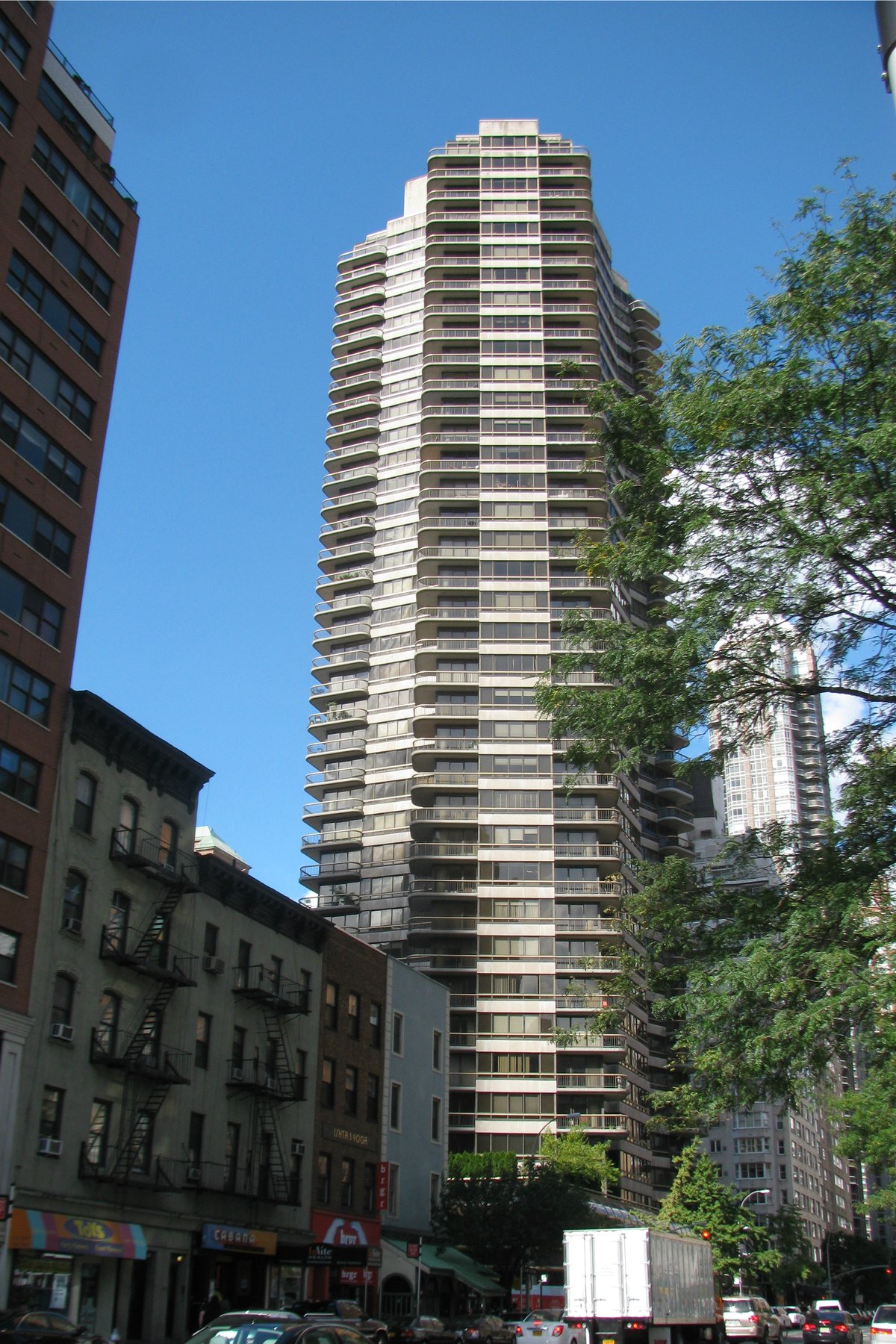
Designed by architect Philip Birnbaum, Trump Plaza is notable for its innovative Y-shaped floor plan, maximizing natural light and city views while ensuring privacy for residents. The building rises 36 stories (sometimes marketed as 39), clad in limestone, glass, and metal. The limestone façade conveys permanence and luxury, while the glass elements provide a sleek, contemporary aesthetic. The structure’s setbacks create private terraces and enhance its visual distinction within the neighborhood.
Impact on the Upper East Side
The introduction of Trump Plaza inspired a wave of similar high-rise luxury developments along Third Avenue, contributing to the area’s transformation into an upscale residential corridor. Its blend of modern architecture and premium amenities—such as a fitness center, children’s playroom, retail spaces, and 24-hour doorman—set a new standard for urban living in Manhattan.
Cultural Influence
Trump Plaza’s resident roster includes well-known figures such as former Kentucky governor John Y. Brown Jr., TV personality Dick Clark, and tennis champion Martina Navratilova. These high-profile occupants reinforced the building's status as a symbol of exclusivity and sophistication. The property’s branding and design also played a role in shaping the identity of luxury real estate in New York City during the 1980s.
Visitor Information: Trump Plaza
Public Access and Viewing
Trump Plaza is a private residential cooperative with no public tours, ticketed access, or open visiting hours. The building’s lobby, amenities, and interior spaces are restricted to residents and their guests. However, its architectural features can be appreciated from the public sidewalks along East 61st Street and Third Avenue.
Viewing Tips:
- The best vantage points are at the intersection of East 61st Street and Third Avenue.
- Early morning and late afternoon provide the best natural light for photography.
- Respect residents’ privacy and do not enter driveways or obstruct entrances.
Accessibility
- The building’s exterior is accessible at street level, with sidewalks featuring curb cuts and pedestrian crossings.
- Trump Plaza’s interiors are not open to the public.
Getting There
- Subway The 59th Street–Lexington Avenue station (N, R, W, 4, 5, 6 lines) and 68th Street–Hunter College station (6 train) are both nearby.
- Bus Multiple bus routes serve the Upper East Side.
- Parking Limited public parking is available; rideshare and taxis are readily accessible.
Exploring the Plaza Hotel: A Public Landmark
For visitors seeking an iconic New York City experience with public access, the Plaza Hotel at Fifth Avenue and Central Park South offers a storied history and architectural grandeur.
Visiting Hours
- The Plaza Hotel lobby and public areas are open daily from 9:00 AM to 11:00 PM.
- Restaurants, bars, and shops within the hotel have varied hours; consult the official website for updates.
Tickets and Guided Tours
- Access to the lobby and many public spaces is free.
- Guided tours are occasionally available through the hotel or third-party operators; advance booking is recommended.
Accessibility
- The Plaza Hotel is fully accessible, with ramps, elevators, and accessible restrooms.
- Contact guest services for assistance with special requirements.
Nearby Attractions
- Central Park Directly across from the hotel, offering scenic walks and photo opportunities.
- Museum of Modern Art (MoMA) A short subway ride away.
- Luxury Shopping Fifth Avenue features flagship stores and designer boutiques.
Nearby Attractions and Travel Tips
While Trump Plaza itself is not open for public tours, the surrounding Upper East Side offers rich cultural and recreational experiences:
- Central Park Ideal for walking, photography, and relaxation.
- Bloomingdale’s A landmark department store at 59th Street and Lexington Avenue.
- Museum Mile Home to the Metropolitan Museum of Art, the Guggenheim Museum, and more.
- Walking Tours Several organizations offer guided tours featuring the Upper East Side’s architectural highlights.
Travel Tips:
- Consider combining your visit to Trump Plaza’s exterior with a stroll through nearby attractions for a more immersive experience.
- Use public transportation to navigate the area efficiently, as parking can be limited and expensive.
Frequently Asked Questions (FAQ)
Q: Can the public visit or tour Trump Plaza?
A: No, Trump Plaza is a private residential cooperative. The interior is not open for public tours, but the exterior can be viewed from the sidewalk.
Q: What are the best public attractions near Trump Plaza?
A: Central Park, Museum Mile (Metropolitan Museum of Art, Guggenheim Museum), Bloomingdale’s, and luxury shopping on Fifth Avenue.
Q: Is photography allowed?
A: Yes, but only of the exterior from public sidewalks. Please respect residents’ privacy.
Q: How do I reach Trump Plaza via public transit?
A: Use the 59th Street–Lexington Avenue or 68th Street–Hunter College subway stations, both a short walk away.
Q: Is the area accessible to people with disabilities?
A: Public sidewalks and crossings are generally accessible; the building’s interior is private.