


The Frick Collection: From Private Mansion to Public Museum
Origins and Early Vision
Henry Clay Frick (1849–1919) amassed a fortune in steel and coke production during America’s Gilded Age. Driven by his passion for European art, Frick commissioned Carrère and Hastings to design a grand Beaux-Arts mansion at 1 East 70th Street, completed in 1914 (frick.org; TripSavvy). Frick envisioned the mansion as both a family home and a future public museum, designing rooms specifically to display his growing art collection.
Upon Frick’s death in 1919, his will directed that the residence and collection be transformed into a museum. In 1935, under the guidance of his daughter Helen Clay Frick, the property opened to the public. Helen also founded the Frick Art Reference Library in 1920, which remains a leading center for art historical research (frick.org).
Architectural Evolution and 2025 Renovation
The Frick Collection has seen thoughtful expansions over the decades, each designed to maintain the mansion’s historic character while improving visitor experience. Notably, the recent 2020–2025 renovation, led by Selldorf Architects and Beyer Blinder Belle, marked the most significant transformation in the museum’s history (Designboom; Cultured Magazine).
Key upgrades include:
- 30% expansion of gallery space, including access to the previously private second floor.
- New amenities such as a café, education center, and a 218-seat auditorium.
- Restored period rooms and interiors using historic materials and techniques.
- Improved accessibility with new elevators, ramps, and seamless circulation.
The renovation preserved the mansion’s intimate scale while providing modern comforts, enhancing both the display of masterpieces and the overall visitor experience.
The Collection: Masterpieces and Growth
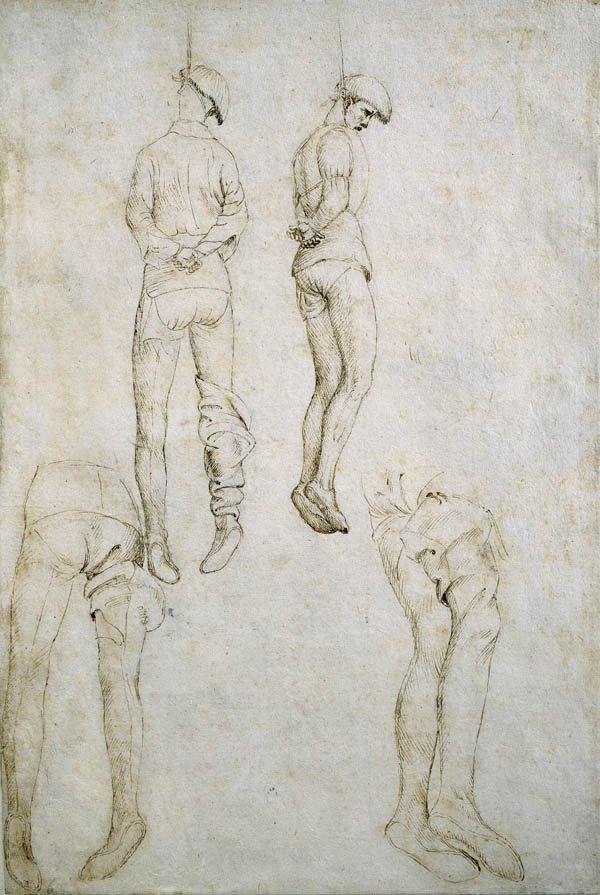
The Frick Collection began with about 1,800 objects, half chosen personally by Frick (Cultured Magazine). Over the years, acquisitions and donations have doubled its holdings, making it one of the foremost collections of fine and decorative arts, spanning from the Renaissance to the late 19th century (frick.org).
Highlights Include:
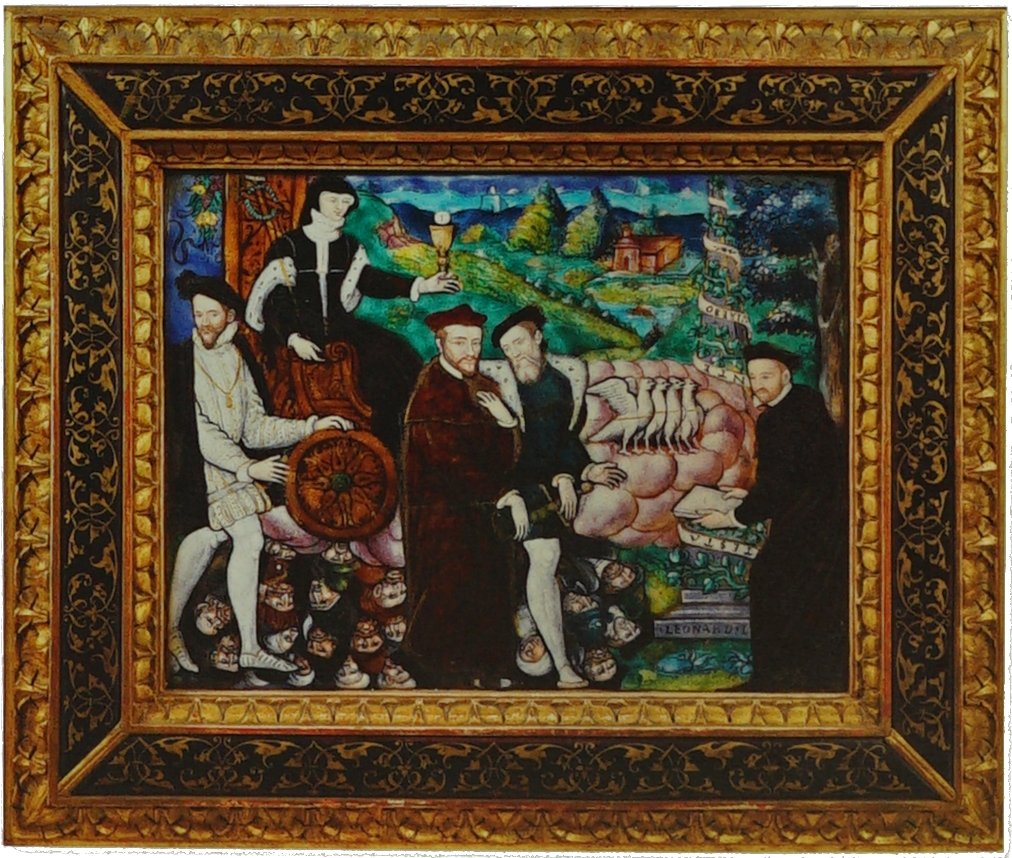
- Old Master paintings by Vermeer, Rembrandt, Goya, Titian, Holbein, Velázquez, Fragonard, Bellini, and more.
- Sculpture, furniture, and decorative arts including Sèvres and Meissen porcelain, French clocks, and Renaissance bronzes.
- Recent acquisitions such as Giovanni Battista Moroni’s Portrait of a Young Woman.
The museum’s display philosophy—artworks shown without glass or barriers—offers an unusually direct experience of the collection.
The Frick Art Reference Library
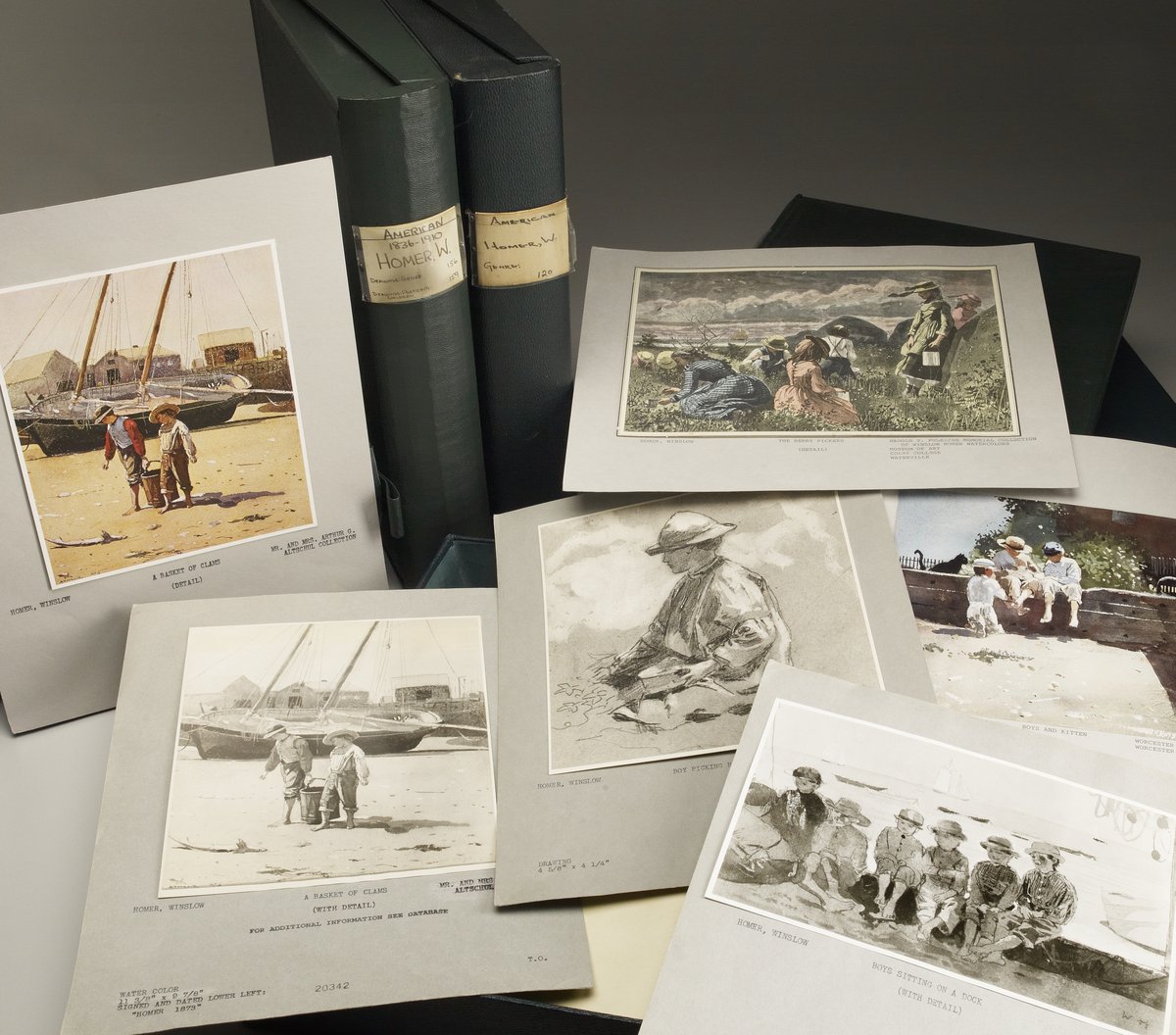
Adjacent to the museum at 10 East 71st Street, the Frick Art Reference Library is a world-renowned resource for art scholars and students. Reopened with the museum in 2025, it features a refurbished Reading Room, improved access, and expanded digital resources (frick.org).
Preserved Interiors and Decorative Arts
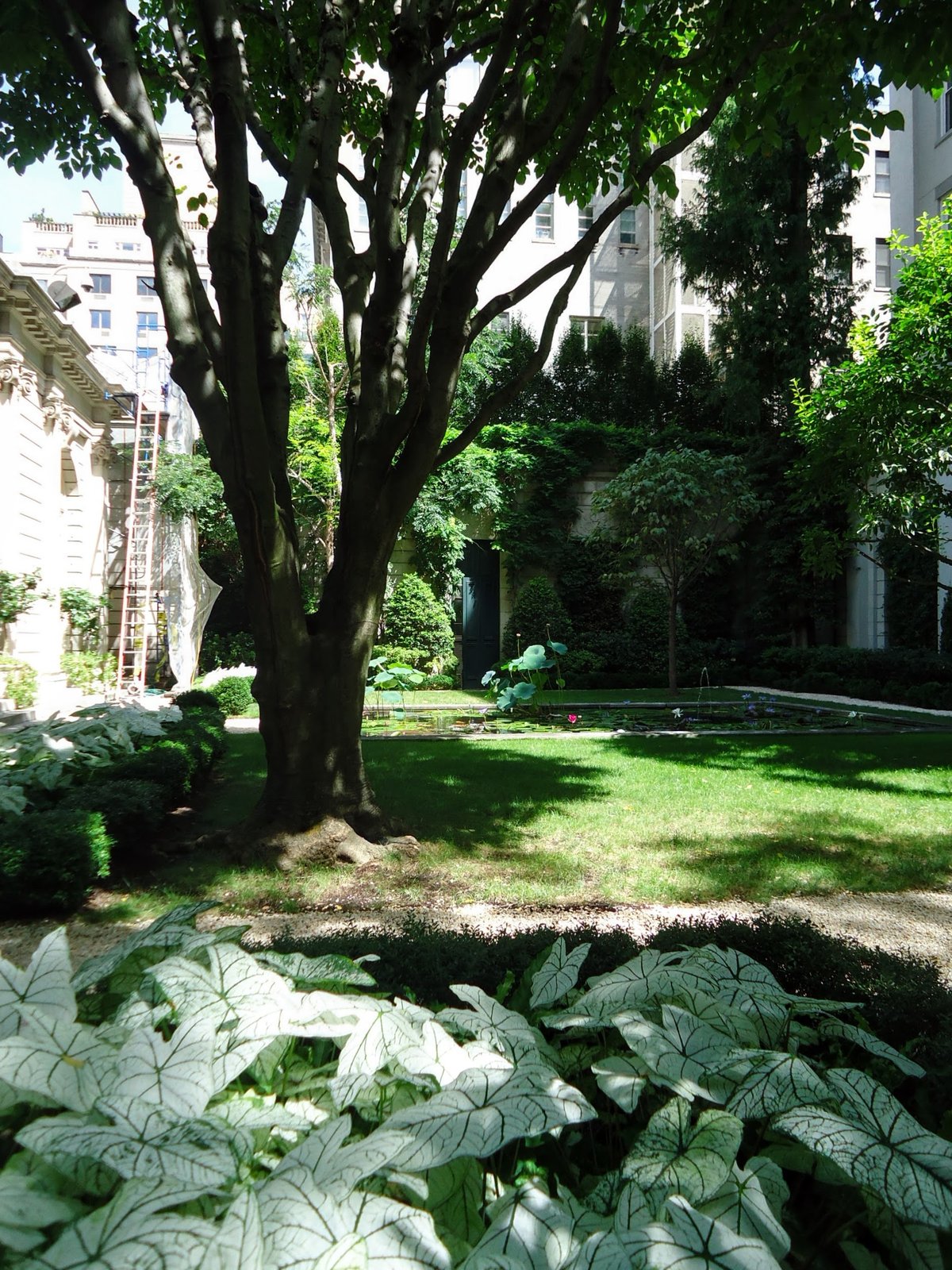
A defining feature of the Frick is its period rooms, restored during the 2025 renovation with historically accurate silk wall coverings, draperies, and upholstery, many crafted by the Parisian workshop Passementerie Verrier (Cultured Magazine). These interiors immerse visitors in the ambiance of a Gilded Age residence, complementing the art on display.
Cultural Role and Public Programs
Since 1935, the Frick has been a cornerstone of New York’s cultural landscape and a surviving Gilded Age mansion on Fifth Avenue (frick.org). The museum offers diverse programs—lectures, concerts, drawing classes, and special exhibitions—emphasizing accessibility and public engagement (TripSavvy).
Visiting the Frick Collection: Hours, Tickets, and Visitor Information
Hours:
- Tuesday–Saturday: 10:00 AM–6:00 PM
- Sunday: 11:00 AM–5:00 PM
- Closed Mondays and major holidays
- Note: Some special exhibitions may offer extended evening hours.
Tickets:
- Timed tickets required for all non-members; advance online purchase is strongly recommended (Frick Collection tickets page).
- General admission: $25 adults; discounts for seniors and students; children under 10 free.
Location:
- 1 East 70th Street, New York, NY 10021
- Subway access: 6 train (68th Street–Hunter College), Q train (72nd Street)
- Nearby bus lines and limited street parking
Accessibility:
- Fully ADA-compliant with elevators, ramps, and accessible restrooms
- Wheelchair access and assistive listening devices available
Amenities:
- New café (opening late spring 2025)
- Gift shop, education center, and a 218-seat auditorium
- Digital mobile guide via Bloomberg Connects
Guided Tours and Programs:
- Daily docent-led tours, audio tours, lectures, concerts, and special events
- Check the programs page for details
Photography:
- Photography without flash is permitted in some areas; restrictions apply to protect the collection
Nearby Attractions:
- Central Park, Metropolitan Museum of Art, and Guggenheim Museum are within walking distance
2025 Renovation Highlights: New Galleries, Exhibitions, and Amenities
The 2025 renovation introduced:
- Ten new galleries, including the Ronald S. Lauder Exhibition Galleries.
- Second-floor access for the first time, featuring rare works and the historic Boucher Room (Artsy).
- "Vermeer’s Love Letters" exhibition, displaying the Frick’s Mistress and Maid alongside loaned Vermeers (6sqft; Artnet News).
- Porcelain floral installations by Vladimir Kanevsky, reviving the museum’s 1935 tradition (Cultured Magazine).
- Upgraded conservation labs, security, and climate controls to protect the collection (Frick Renovation Overview).
Must-See Masterpieces
Painting Highlights
- Giovanni Bellini, St. Francis in the Desert
- Johannes Vermeer, Mistress and Maid
- Hans Holbein the Younger, Sir Thomas More
- Rembrandt van Rijn, Self-Portrait
- Jean-Honoré Fragonard, The Progress of Love
- Diego Velázquez, King Philip IV of Spain
- Francisco de Goya, The Forge
- James McNeill Whistler, Symphony in Flesh Colour and Pink
- Cimabue, The Flagellation of Christ
- Duccio di Buoninsegna, The Temptation of Christ on the Mountain
- El Greco, St. Jerome
- Titian, Portrait of a Man in a Red Cap
Decorative Arts
- Sèvres and Meissen porcelain
- Renaissance bronzes
- French clocks and period furniture
Practical Tips for Visiting
- Book tickets in advance to guarantee entry, especially during peak periods.
- Arrive early or late for a quieter experience.
- Use the Bloomberg Connects app for self-guided tours and rich multimedia content (Bloomberg Connects mobile guide).
- Check the events calendar for special exhibitions, concerts, and lectures (museum’s programs page).
- Combine your visit with nearby attractions for a full cultural day.
Frequently Asked Questions (FAQ)
Q: What are The Frick Collection’s visiting hours?
A: Tuesday–Saturday, 10:00 AM–6:00 PM; Sunday, 11:00 AM–5:00 PM; closed Mondays.
Q: How do I buy tickets?
A: Purchase timed tickets online in advance via the official website.
Q: Is the museum wheelchair accessible?
A: Yes, the museum is fully accessible.
Q: Are guided tours available?
A: Yes, daily tours and audio guides are offered.
Q: Can I take photographs inside?
A: Non-flash photography is permitted in some areas.
Q: Are special exhibitions included with admission?
A: Yes, most exhibitions are included unless otherwise noted.