Introduction
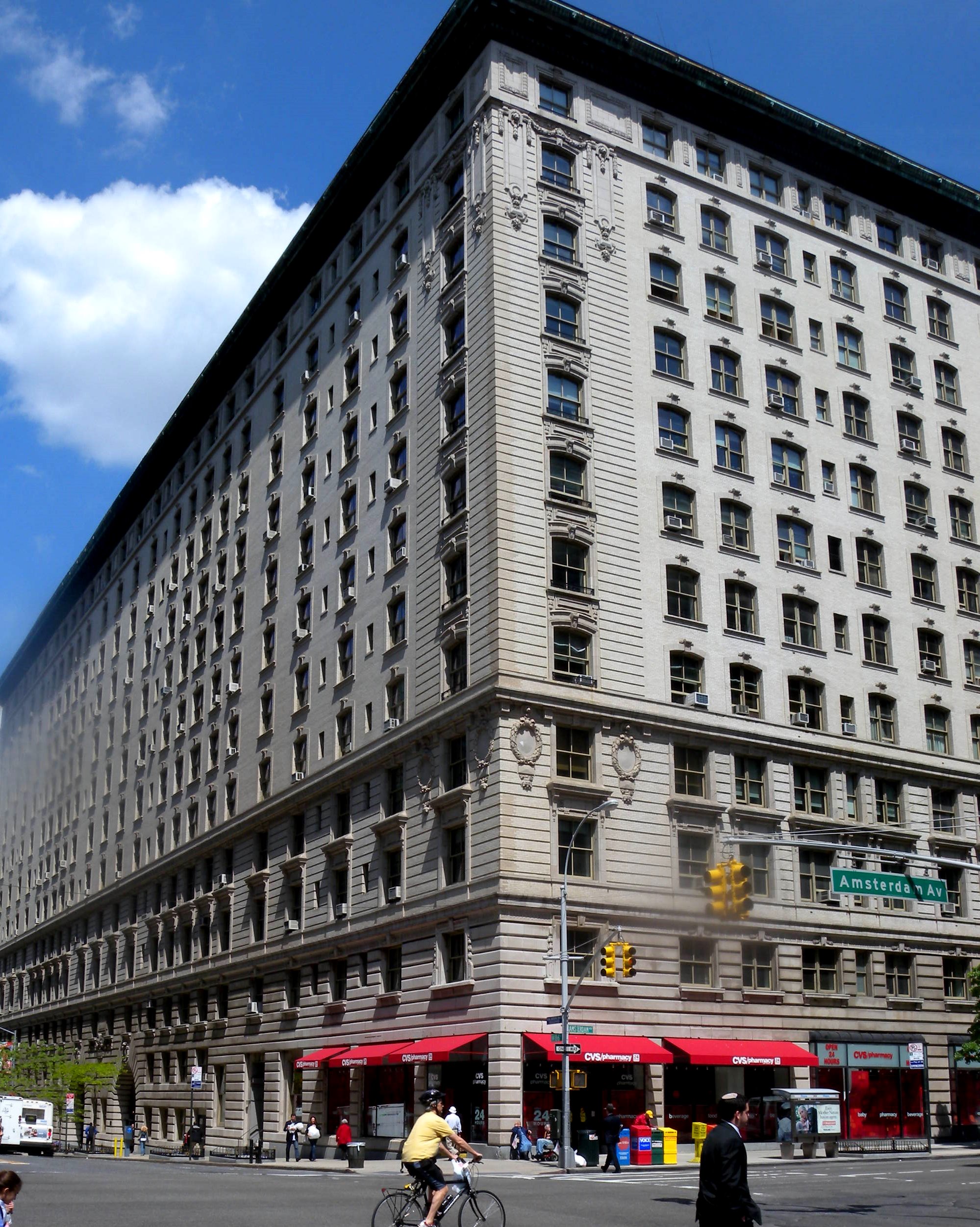
Situated in the heart of Manhattan’s Upper West Side, The Belnord is an architectural marvel and a testament to New York City’s grand urban history. Completed in 1909 by Hiss and Weekes, this Italian Renaissance Revival apartment building occupies a full city block and is renowned for its ornate façade, expansive private courtyard, and illustrious past. The Belnord has played host to notable residents, inspired television series, and remains a celebrated landmark in the city’s cultural landscape. This guide presents a detailed overview of The Belnord’s history, architecture, cultural significance, visitor information, accessibility, and tips for exploring both the building and its vibrant neighborhood.
Visiting The Belnord: Hours, Tickets, and Accessibility
Visiting Hours
The Belnord is a private residential building; public access is limited strictly to the exterior and public sidewalk areas. Visitors may view its grand façade and glimpse the courtyard through the gates during daylight hours, typically between 8:00 AM and 6:00 PM. Interior access is not available except during rare special tours or open house events.
Tickets & Access
There is no general admission or ticket requirement to view The Belnord from public areas. Access to the interior, courtyard, or special tours must be arranged through authorized events, often in conjunction with Open House New York or similar citywide programs. Always consult official sources or tour operators for current offerings.
Accessibility
The Belnord’s exterior and surrounding sidewalks are wheelchair accessible. For those attending rare tours, organizers typically arrange for accessibility, but it is wise to confirm in advance due to the building’s historic nature.
Travel Tips and Nearby Attractions
The Belnord is located between Broadway, Amsterdam Avenue, 86th, and 87th Streets. The 86th Street subway station (1 train) is nearby, with additional access via B, C trains at 81st Street and several bus routes. After admiring The Belnord, consider visiting Central Park, the American Museum of Natural History, Riverside Park, and Lincoln Center—all within walking distance. The Upper West Side also boasts plentiful dining and shopping options.
Origins and Construction (1908–1909)
Commissioned by the Belnord Realty Company and constructed by George A. Fuller Company, The Belnord was completed in 1909 as the largest apartment building in the U.S. at the time. Its 175 original apartments, state-of-the-art amenities, and full-block footprint marked a turning point in luxury urban living (lisalandcooper.com).
Architectural Significance
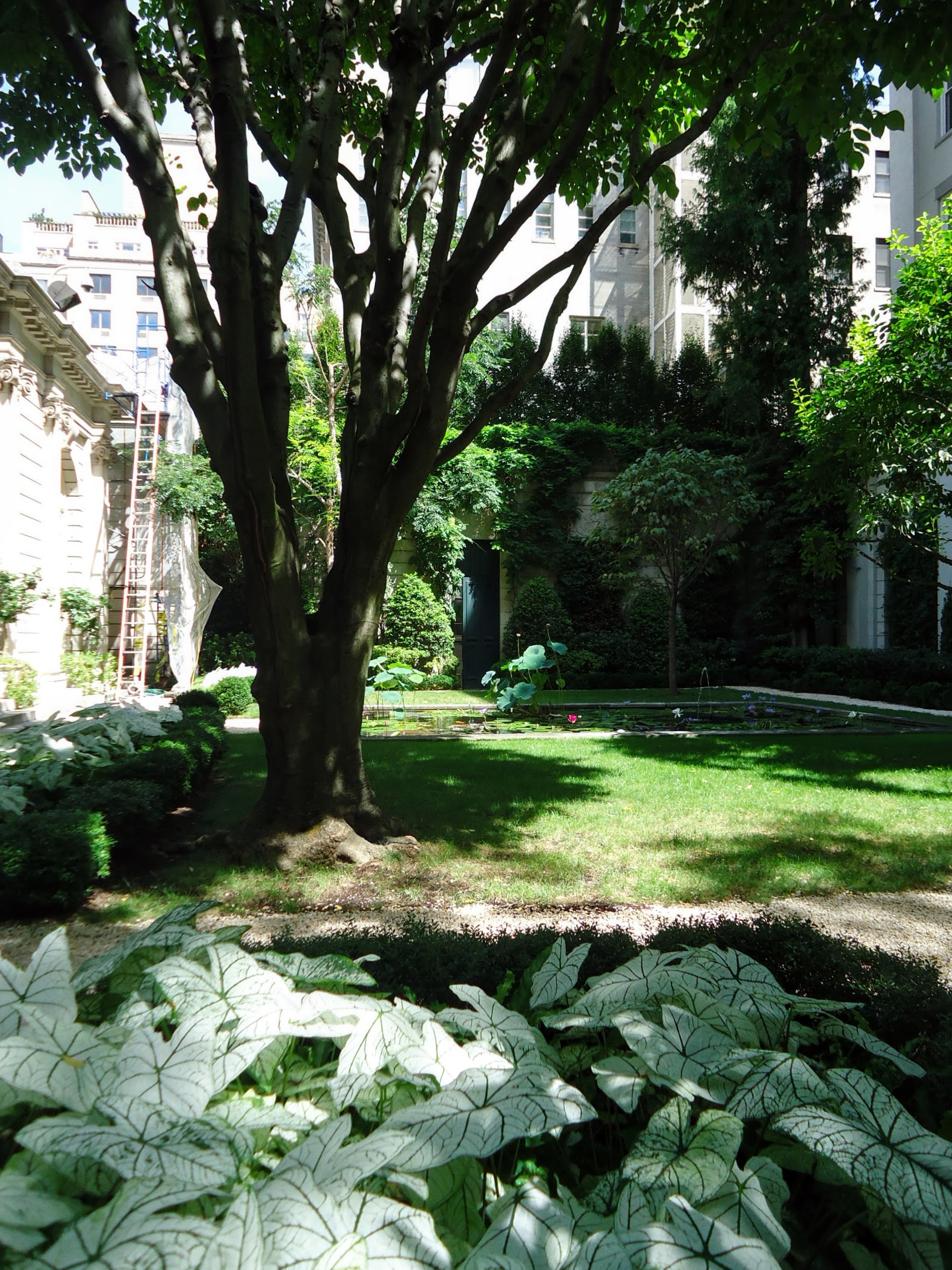
The 12-story (now 13 after renovations) structure features a 22,000-square-foot interior courtyard, Italian Renaissance ornamentation, marble fountain, and sound-muffling oak-paved courtyard. Amenities such as refrigeration, vacuum systems, and an underground delivery tunnel were pioneering for the early 20th century (belnordlandmarkconservancy.org).
Notable Residents and Cultural Impact
Residents have included Zero Mostel, Walter Matthau, Isaac Bashevis Singer, and Lee Strasberg. The Belnord’s fame has grown in the 21st century as the real-life inspiration and filming location for Hulu’s “Only Murders in the Building” (nytimes.com).
Legal and Social History
The Belnord has been central in New York City’s tenant rights history, with a landmark 1913 safety case and a 16-year rent strike beginning in 1978, highlighting challenges around preservation and tenant-landlord relations (belnordlandmarkconservancy.org).
Landmark Status and Preservation
Designated a New York City Landmark in 1966 and added to the National Register of Historic Places in 1980, The Belnord’s architectural and historical value is formally recognized and protected.
Modern Renovations and Current Status
Restoration by Robert A.M. Stern Architects has transformed The Belnord into a blend of rental and condominium units, preserving key historic features while introducing modern amenities (lisalandcooper.com). Today, it remains a model for adaptive reuse of historic buildings.
Architectural Vision and Design Philosophy
Exterior Form and Facade
The Belnord’s full-block presence features a symmetrical brick and limestone façade, grand archways, and rich Italian Renaissance Revival details. The iconic 86th Street entrance has double-height barrel vaults with frescoes and lanterns, creating a dramatic sense of arrival (Wikiwand).
The Courtyard: Urban Oasis
The vast 22,000-square-foot courtyard, inspired by European palazzi, acts as a private garden for residents and is central to the building’s identity (Hommes Studio). Its fountain and landscaping have been enhanced by contemporary landscape architects.
Interior Layout and Apartment Planning
Original apartments were designed for luxury, with large rooms, high ceilings, and multiple lobbies ensuring privacy. Recent renovations have preserved this grandeur while updating layouts for contemporary lifestyles (Hommes Studio).
Materiality and Decorative Elements
The Belnord utilizes brick, stone, and wrought iron, with ornate entrances and period details throughout. Interiors blend vintage and modern elements, reflecting both history and current living standards (Wikiwand).
Influence and Legacy
The Belnord set a precedent for luxury multi-family living and influenced later developments like the Apthorp and Astor Court. It has been praised for providing a private, community-oriented world within the city and remains a touchstone for historic preservation efforts in Manhattan (Wikiwand).
Amenities and Modern Adaptations
The Belnord’s amenities have evolved from early 20th-century luxuries like free electricity to contemporary features such as a sports court, fitness center, and children’s rooms, all within its historic envelope (Hommes Studio).
Urban Context and Connectivity
Located between Central Park and Riverside Park, and steps from subway and bus lines, The Belnord enjoys excellent connectivity and proximity to cultural landmarks (Wikiwand).
The Belnord’s Role in New York’s Cultural Landscape
Cultural Heritage and Urban Identity
The Belnord’s architecture and community orientation have shaped the Upper West Side’s reputation for elegance and neighborly spirit. Its restoration by Robert A.M. Stern Architects highlights a balance of preservation and modern living.
Social Fabric and Community Life
With over 200 apartments and six lobbies, The Belnord fosters community through its private courtyard and resident events, cultivating a sense of belonging and tradition.
Influence on Popular Culture
As the “Arconia” in “Only Murders in the Building,” The Belnord has become a pop culture icon, drawing visitors and fans alike.
Notable Residents
The building’s creative milieu has included artists, writers, and cultural figures, furthering its legacy as a hub for artistic and intellectual life.
Proximity to Upper West Side Institutions
Nearby are Lincoln Center, the Museum of Natural History, and the New York Historical Society, situating The Belnord at the intersection of New York’s cultural and architectural heritage.
Visiting The Belnord: Practical Tips
- Public Access: No regular tours; public viewing is limited to exterior sidewalk areas. Watch for special events or Open House New York for rare access.
- Best Times for Photos: Visit during daylight, especially mornings and late afternoons, for optimal light.
- Getting There: Subway (1, 2, 3 at 86th St., B, C at 81st St.) and multiple bus routes serve the area.
- Nearby Attractions: Central Park, Lincoln Center, American Museum of Natural History, Riverside Park.
- Respect Residents: Limit photography to public spaces, keep noise low, and do not attempt to enter without permission.
Frequently Asked Questions (FAQ)
Q: Can I tour the interior of The Belnord?
A: Interior tours are extremely limited; check for special public events or architectural tours.
Q: Are tickets required to visit?
A: No tickets are required to view the exterior; tickets may be needed for rare special tours.
Q: Is The Belnord wheelchair accessible?
A: The exterior and sidewalks are accessible; inquire about accommodations for any special events.
Q: What attractions are nearby?
A: Central Park, Lincoln Center, Riverside Park, and the American Museum of Natural History.
Visuals and Media
 Alt text: View of The Belnord's grand Italian Renaissance Revival facade at 86th Street, New York City historical site.
 Alt text: The Belnord's vast 22,000-square-foot interior courtyard, an urban oasis in Manhattan.
 Alt text: Map showing The Belnord’s location in Manhattan near Central Park and Riverside Park.
Internal Links
- The Dakota: New York City's Historic Landmark Residence
- Luxury Apartment Buildings in Manhattan
- Historic Courtyard Buildings of New York City
- Visiting Central Park: A Guide to NYC’s Iconic Green Space
Summary & Final Tips
The Belnord endures as a monumental symbol of New York City’s architectural ambition, social history, and cultural resonance. Its striking Italian Renaissance Revival design, vast private courtyard, and storied past as a residence for notable figures and a setting in popular culture make it a must-see landmark in Manhattan’s Upper West Side. While interior access is limited, appreciating The Belnord from the sidewalk, especially during daylight hours, offers a rewarding glimpse into the city’s historic fabric.
Enhance your experience by visiting nearby cultural sites, respecting residents’ privacy, and staying informed about special events through official channels. Digital resources, virtual tours, and the Audiala app can further enrich your understanding of this iconic site.
Listen to the full story in the app
Your Personal Curator, in Your Pocket.
Audio guides for 1,100+ cities across 96 countries. History, stories, and local insight — offline ready.
Audiala App
Available on iOS & Android
Join 50k+ Curators
Sources
- verified
- verified
- verified
- verified
- verified
- verified
Last reviewed: