Introduction: The Apthorp’s Enduring Legacy
Situated on Manhattan’s Upper West Side, The Apthorp is a towering symbol of New York City’s architectural grandeur and layered history. Originally established as part of an 18th-century estate, the site has witnessed pivotal moments throughout American history, from the Revolutionary War to the city’s rapid urbanization. Today, The Apthorp stands as a monumental Italian Renaissance Revival apartment building, renowned for its limestone façade, grand courtyard, and distinct place in the city’s social and cultural fabric. Although it remains a private residence, The Apthorp continues to captivate visitors and locals alike, offering glimpses of its opulence during occasional public events and serving as a living testament to the evolution of New York’s urban landscape (Revolutionary War Journal; West Side Rag; 390westendavenue.com).
Origins and Early History
The roots of The Apthorp trace back to the 18th century, when Charles Ward Apthorp, a prominent colonial merchant, acquired over 260 acres of land between what are now West 91st and West 97th Streets, stretching from the Hudson River to Central Park (Revolutionary War Journal; Untapped Cities). By 1764, Apthorp had constructed a grand mansion, celebrated for its strategic views and stately architecture. During the American Revolution, the mansion served as headquarters for both American and British generals, including George Washington and Cornwallis.
After the war, the estate fell into decline, becoming a social venue and later, as the city expanded, succumbing to urban development. The original mansion was demolished in 1891, paving the way for the modern Apthorp Apartments.
Revolutionary War Significance
The Apthorp Mansion’s role during the Revolutionary War is significant. On September 14, 1776, General George Washington used it as his headquarters, where pivotal strategic decisions—such as the ill-fated mission of Nathan Hale—were made. The next day, the estate became a site of dramatic military maneuvering as Washington’s troops narrowly escaped British capture (Revolutionary War Journal). The mansion subsequently housed British generals and witnessed key moments in Manhattan’s military history.
Transformation into The Apthorp Apartments
By the early 20th century, as Manhattan urbanized, the Astor family commissioned the construction of The Apthorp Apartments on the estate’s grounds. Designed by Clinton & Russell and completed in 1908, the building was modeled after grand Italian palazzi, occupying an entire city block from Broadway to West End Avenue between 78th and 79th Streets (John Simpson Architects; West Side Rag). Its size and luxury were unprecedented, setting a new standard for apartment living in New York.
Architectural Highlights
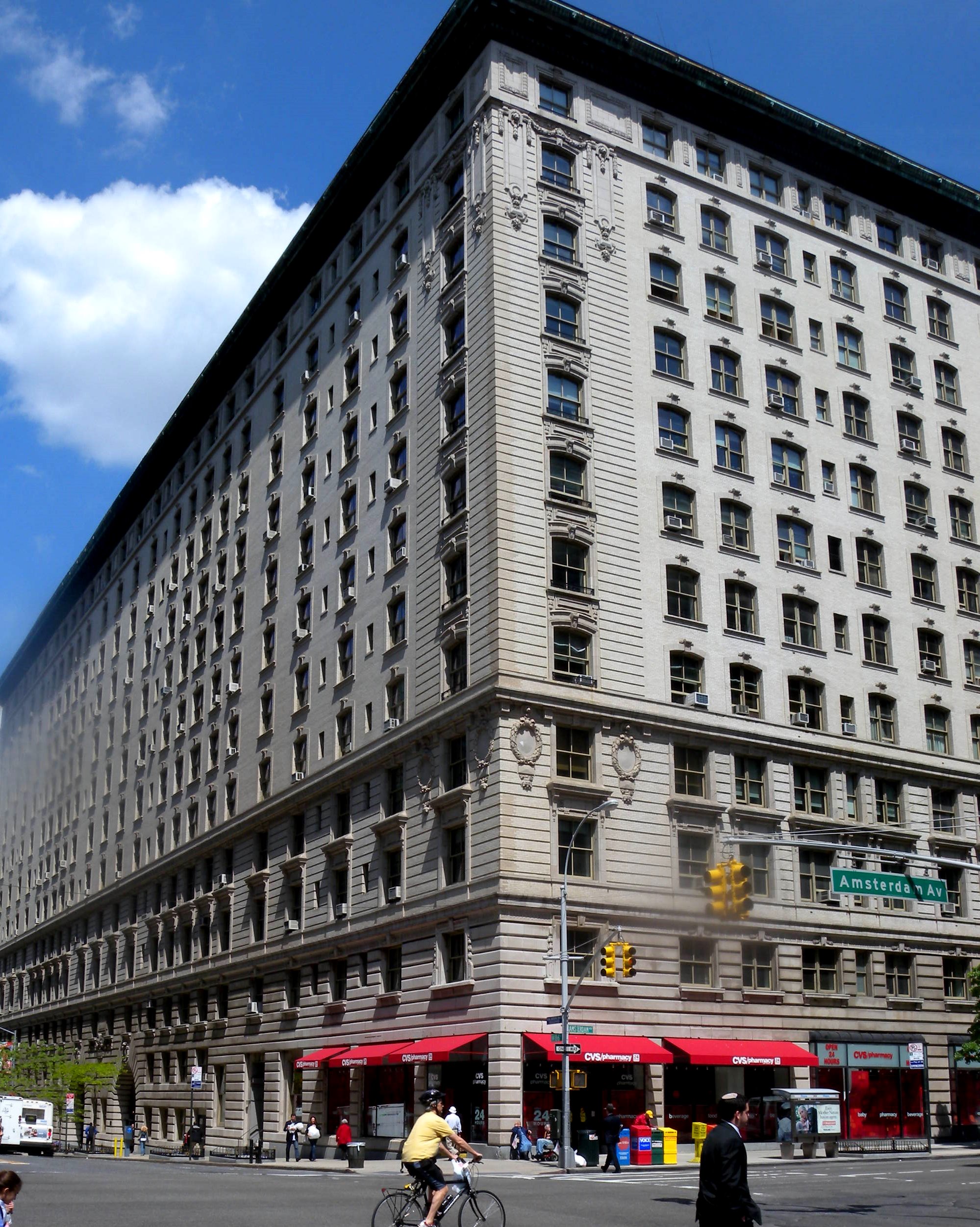
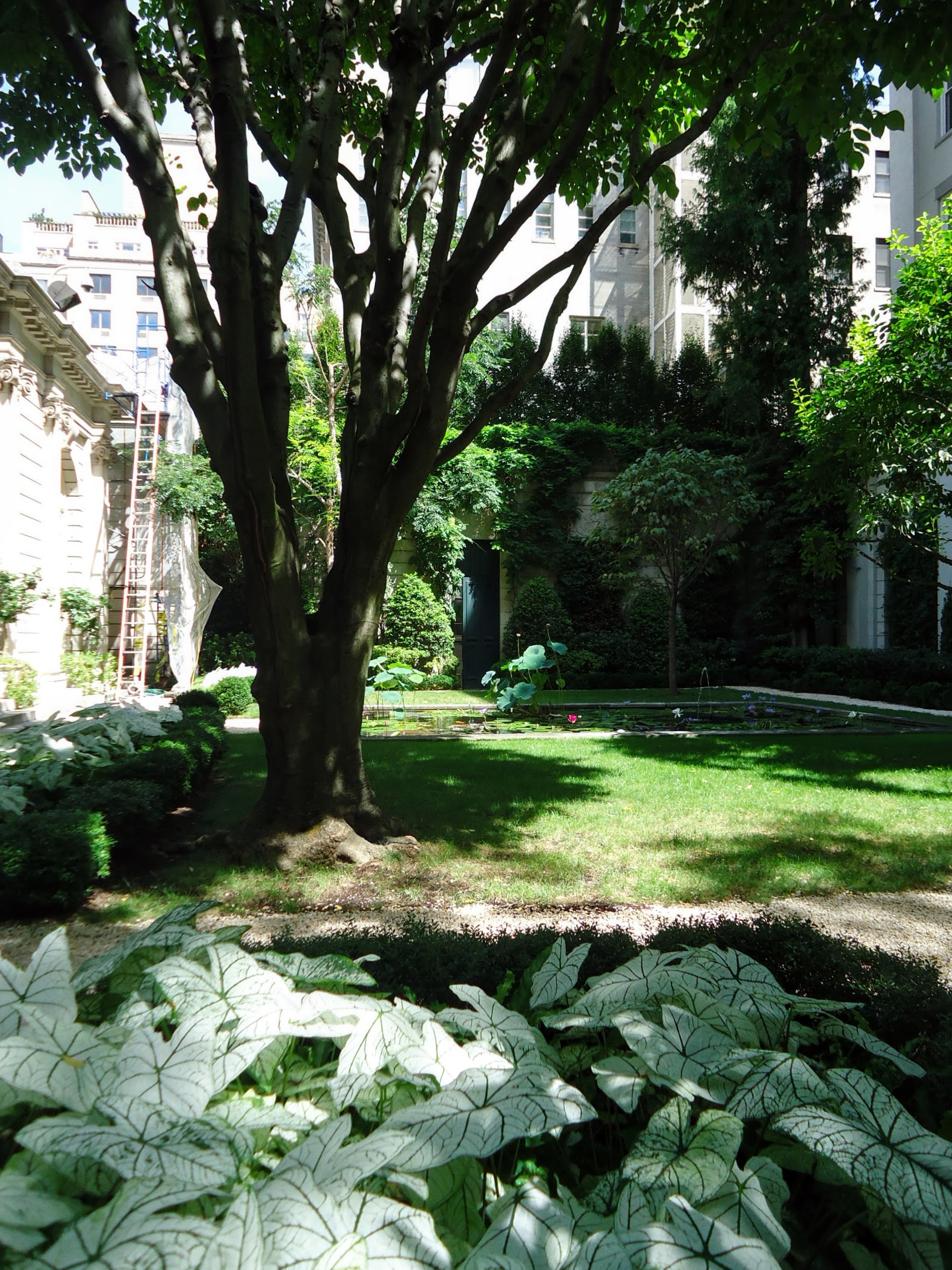
The Apthorp is a landmark of Italian Renaissance Revival architecture, with a symmetrical limestone façade, ornate terra cotta ornamentation, and a grand arched entrance leading to an expansive, landscaped courtyard. The building’s four wings enclose this courtyard, and each entrance is graced with marble lobbies featuring coffered ceilings and mosaic floors, exemplifying early 20th-century craftsmanship (390westendavenue.com; Nova Construction Services).
Distinctive features include:
- Grand drive-in courtyard: Accessed via monumental arches, centering on a classical fountain.
- Ornate stonework and ironwork: Decorative cornices, pilasters, and custom-forged railings.
- Elegant lobbies and interiors: Marble finishes, coffered ceilings, and original decorative moldings preserved through careful restoration.
The building is a designated New York City Landmark and is listed on the National Register of Historic Places (Wikipedia).
Cultural Impact and Notable Residents
The Apthorp has long been a hub for New York’s cultural elite. Its roster of residents includes figures such as Cyndi Lauper, Nora Ephron, Al Pacino, and Lena Horne (West Side Rag; New York’s New York). The building’s courtyard has fostered a close-knit community, with traditions ranging from Halloween celebrations to holiday gatherings, as described by notable residents like Ephron (The New Yorker).
The Apthorp’s exclusivity, reinforced by doormen and strict security, has made it both a symbol of aspiration and a subject of social commentary. Its conversion from rental apartments to luxury condominiums in 2008 reinforced its status as an address for the city’s elite (CityRealty).
Visiting The Apthorp: Access, Hours, and Tickets
Public Access:
The Apthorp is a private residential building with no regular public visiting hours. However, the exterior can be freely admired from the surrounding sidewalks at any time. Occasionally, the building participates in citywide events such as Open House New York, providing rare opportunities for guided interior tours.
Tickets and Tours:
- Exterior viewing: Free, no tickets required.
- Interior access: Only available during special events or by arrangement with local historical societies. Check Open House New York and Municipal Art Society for updates on upcoming tours and ticketing.
Visitor Etiquette:
Photography of the exterior from public spaces is encouraged. Please respect the privacy of residents and do not attempt to enter the courtyard or building without permission.
Accessibility and Travel Tips
- Location: 2211 Broadway, between West 78th and 79th Streets.
- Public transit: Easily accessible via the 1, 2, and 3 subway lines at the 79th Street station; multiple bus routes also serve the area.
- Accessibility: The sidewalks surrounding The Apthorp are wide and generally accessible. Elevator access is available at the nearby 79th Street subway station (MTA accessibility).
- Best times to visit: Spring and early summer offer pleasant weather and vibrant neighborhood life. Early morning or late afternoon light is ideal for photography.
Nearby Attractions
Enhance your visit by exploring nearby Upper West Side landmarks:
- Central Park: Two blocks east, perfect for walking and relaxation.
- American Museum of Natural History: Just east at 79th Street and Central Park West.
- Riverside Park: West of The Apthorp, along the Hudson River.
- Zabar’s: Iconic delicatessen on Broadway.
Numerous cafes, restaurants, and shops line Broadway and Amsterdam Avenue, providing ample options for refreshments.
Frequently Asked Questions (FAQ)
Can I tour The Apthorp’s interior?
Access is limited to special events or guided tours, usually during citywide programs like Open House New York.
Are there tickets required to see The Apthorp?
No tickets are needed for exterior viewing; tickets are required for rare tours during special events.
Is The Apthorp accessible to individuals with mobility needs?
Yes, the sidewalks are accessible and the nearby subway station has elevator access. Confirm the latest updates on MTA accessibility.
What are the best nearby attractions to combine with a visit?
Central Park, the American Museum of Natural History, Riverside Park, and local eateries like Zabar’s.
Visuals and Interactive Elements

Alt text: The Apthorp building exterior showcasing its Italian Renaissance Revival architecture.
View The Apthorp on Google Maps
Virtual Tour of The Apthorp (when available)
Related Articles
- Exploring New York Historical Sites: A Walking Tour Guide
- Top Architectural Landmarks on the Upper West Side
- Visiting Central Park: Tips and Highlights
Listen to the full story in the app
Your Personal Curator, in Your Pocket.
Audio guides for 1,100+ cities across 96 countries. History, stories, and local insight — offline ready.
Audiala App
Available on iOS & Android
Join 50k+ Curators
Sources
- verified
- verified
- verified
- verified
- verified
- verified
- verified
- verified
- verified
- verified
- verified
- verified
Last reviewed: