
Origins and Historical Context
Construction and Dedication
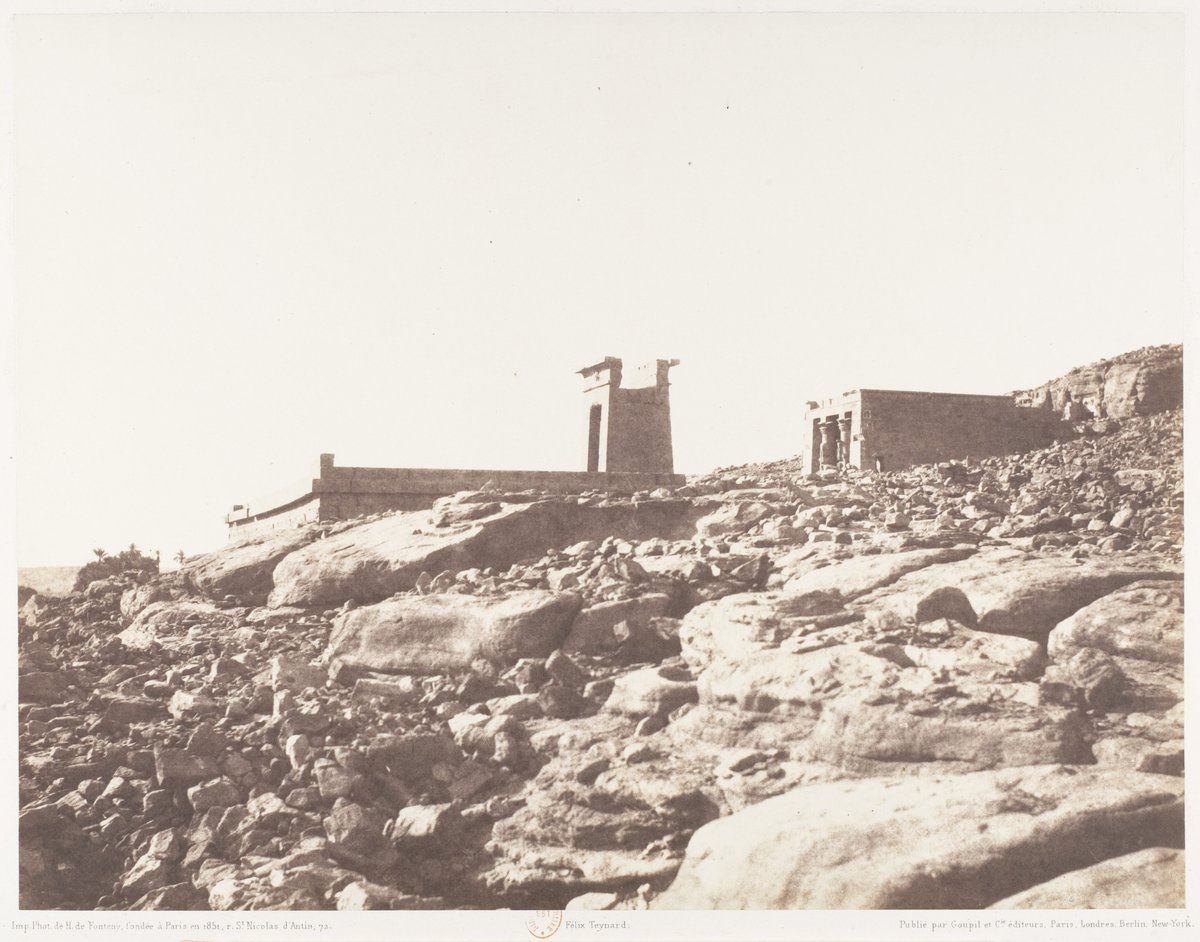
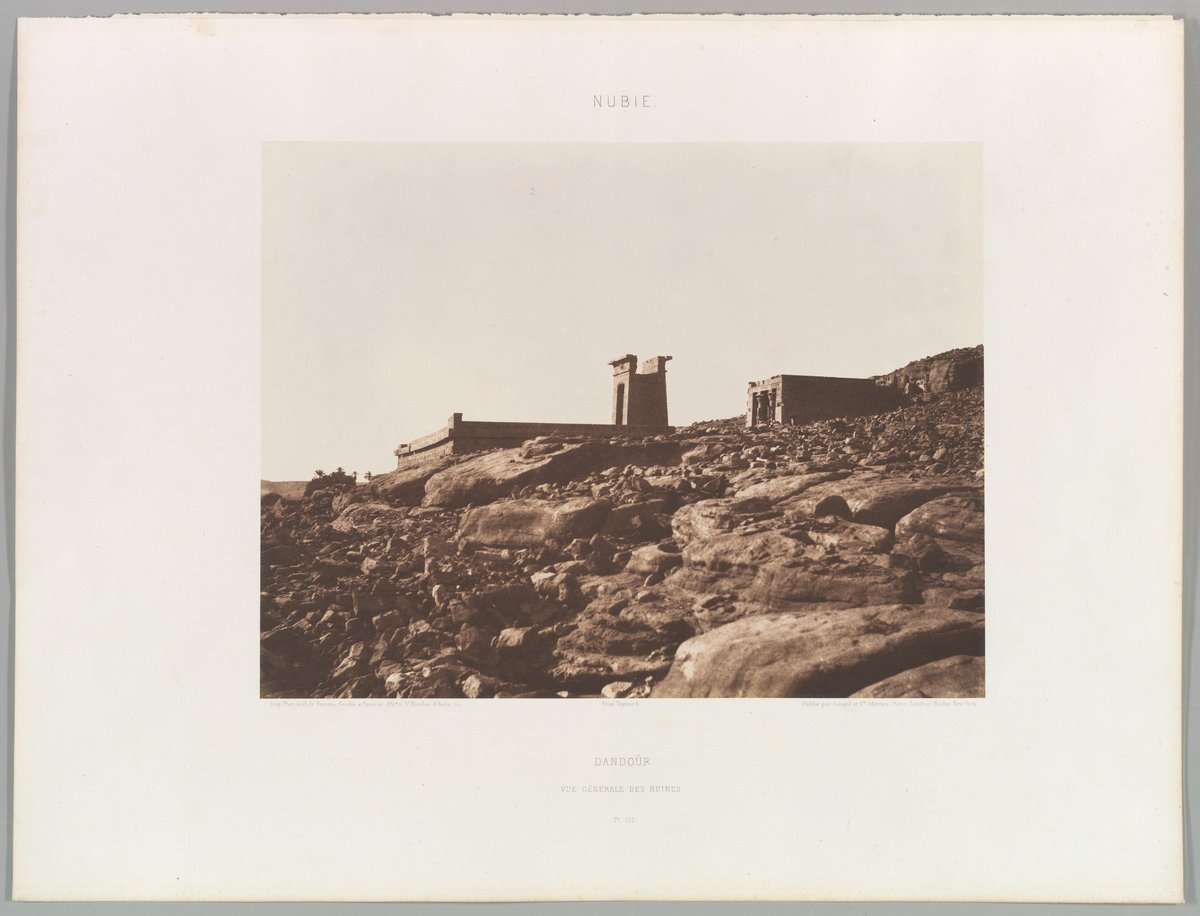
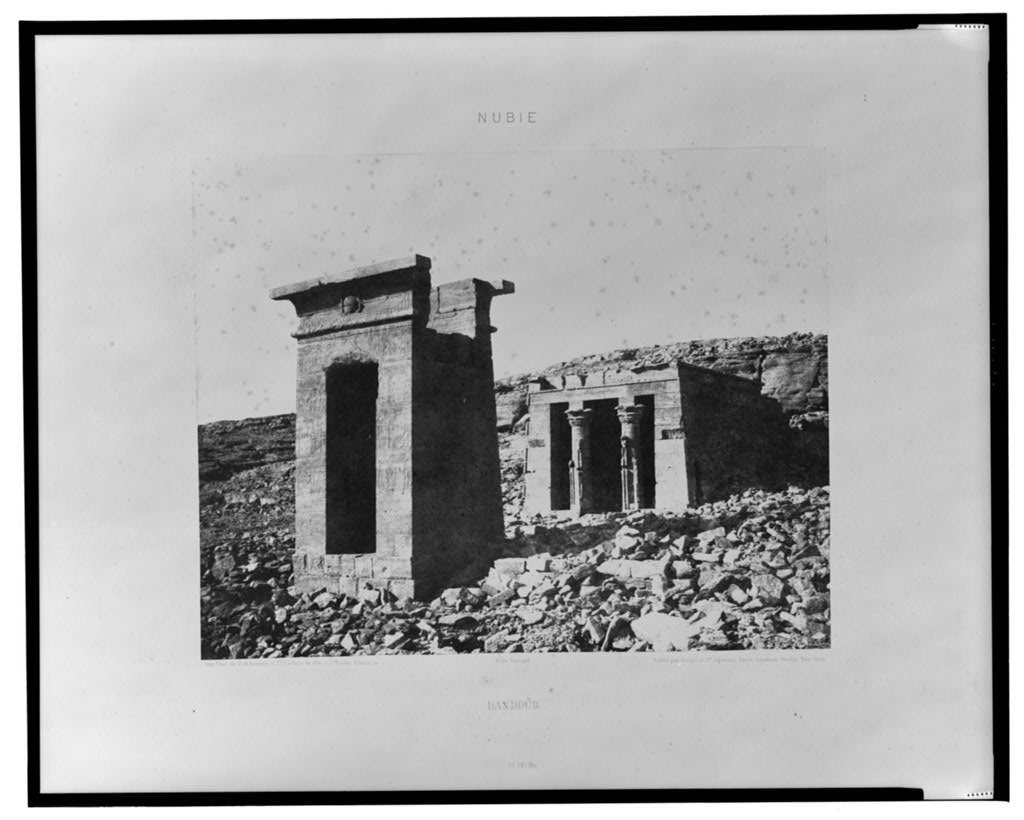
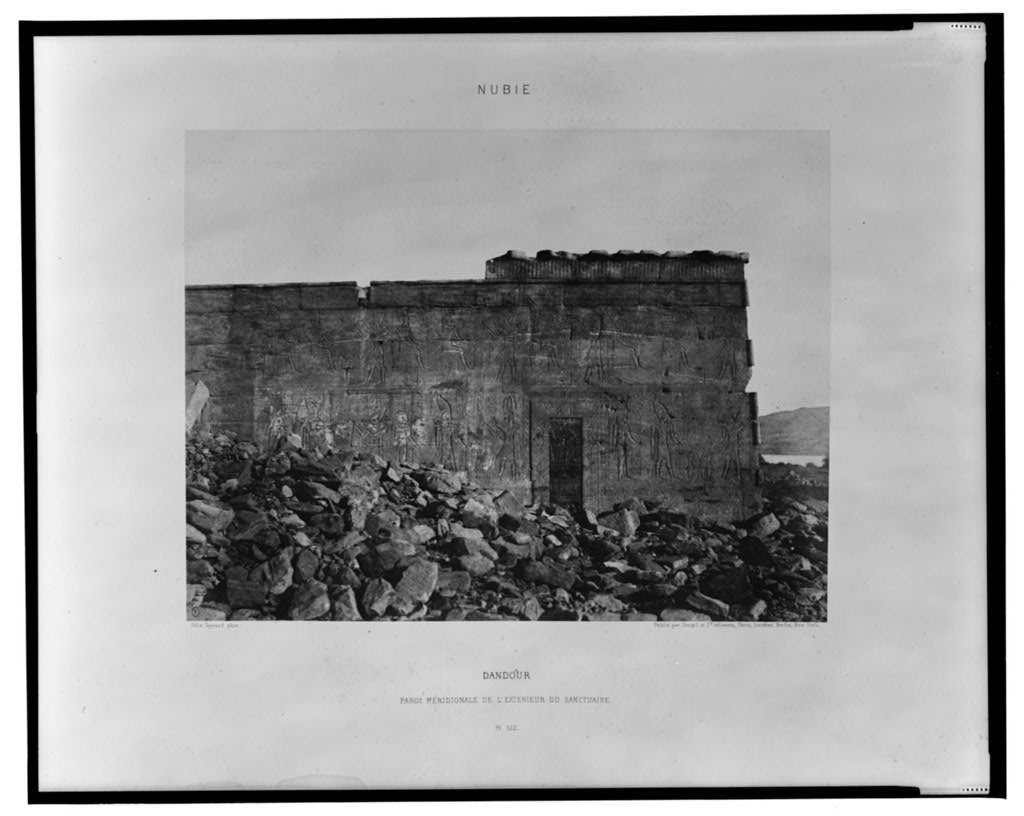
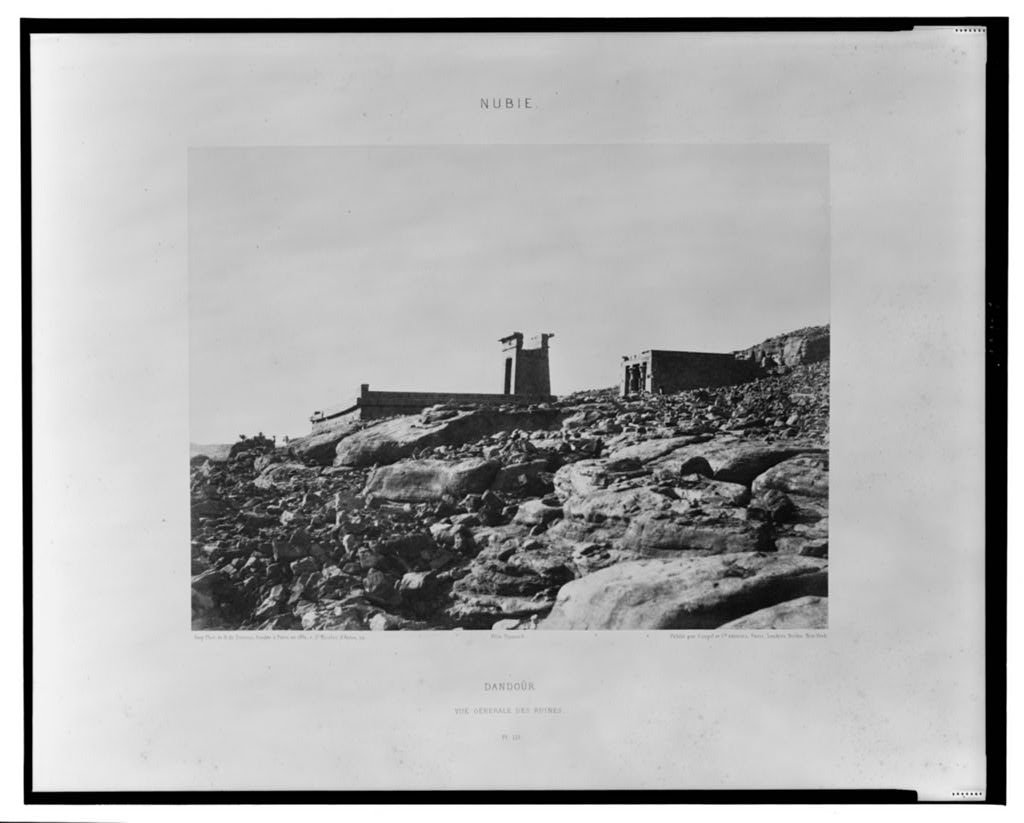
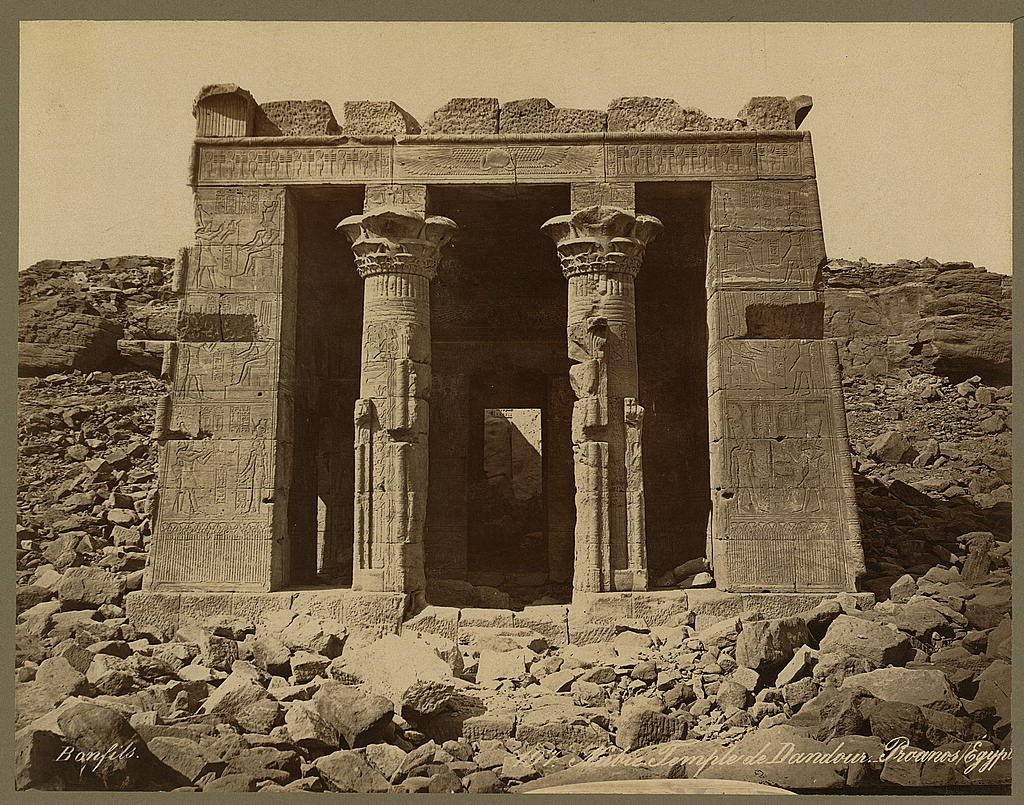
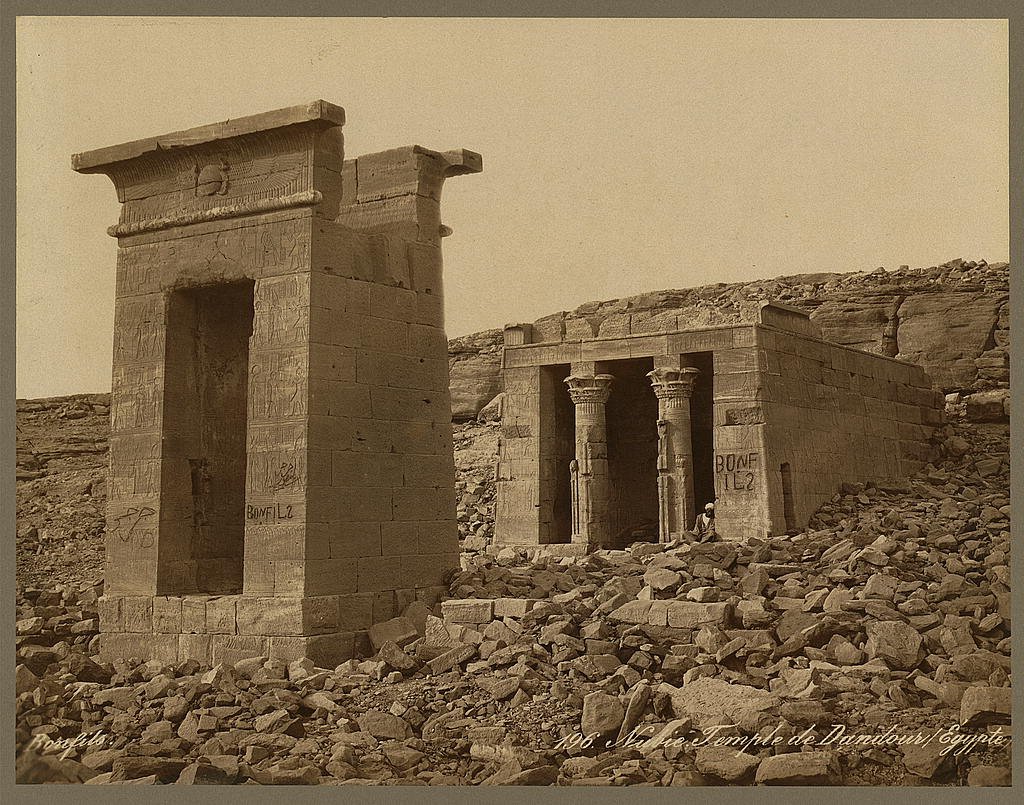
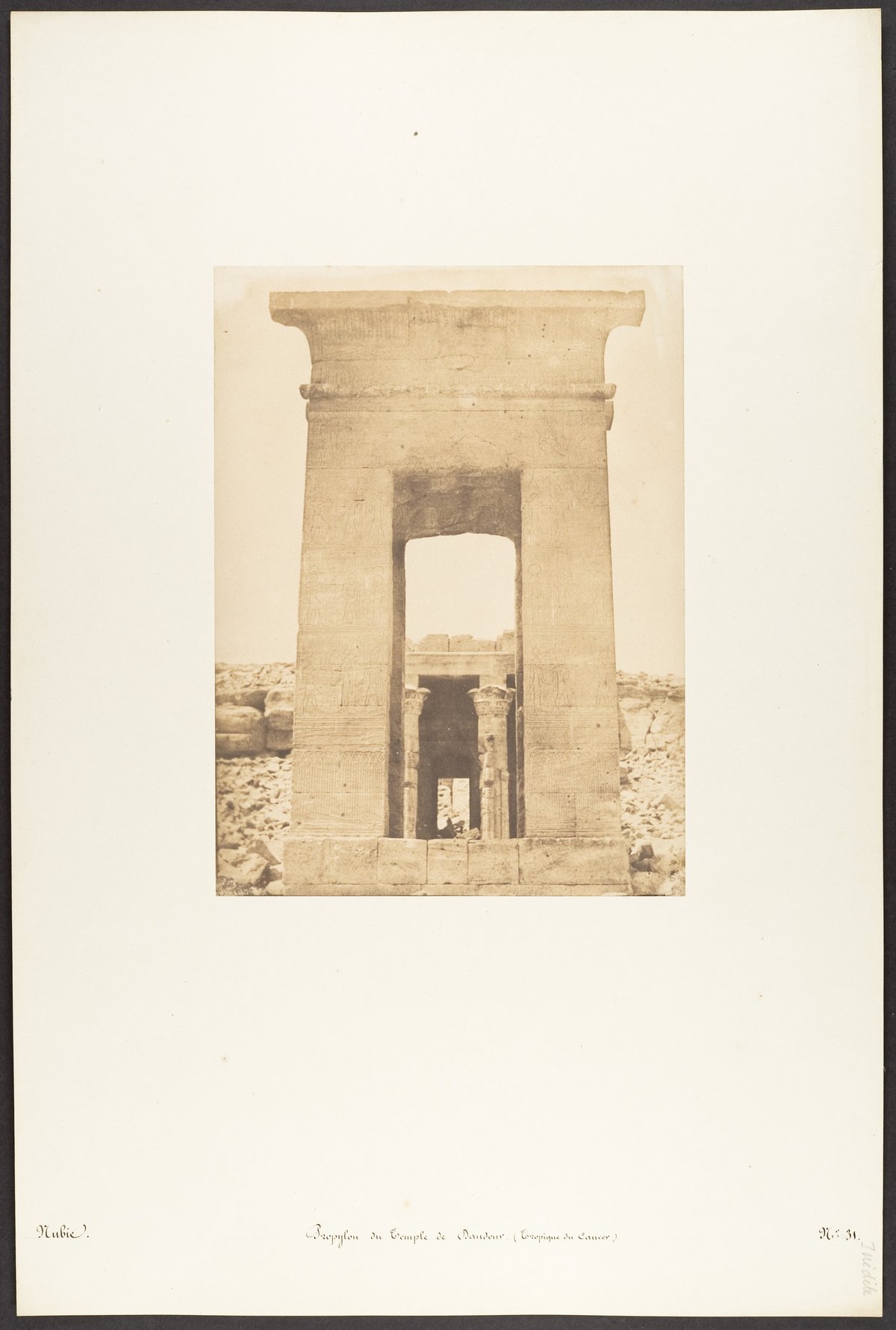
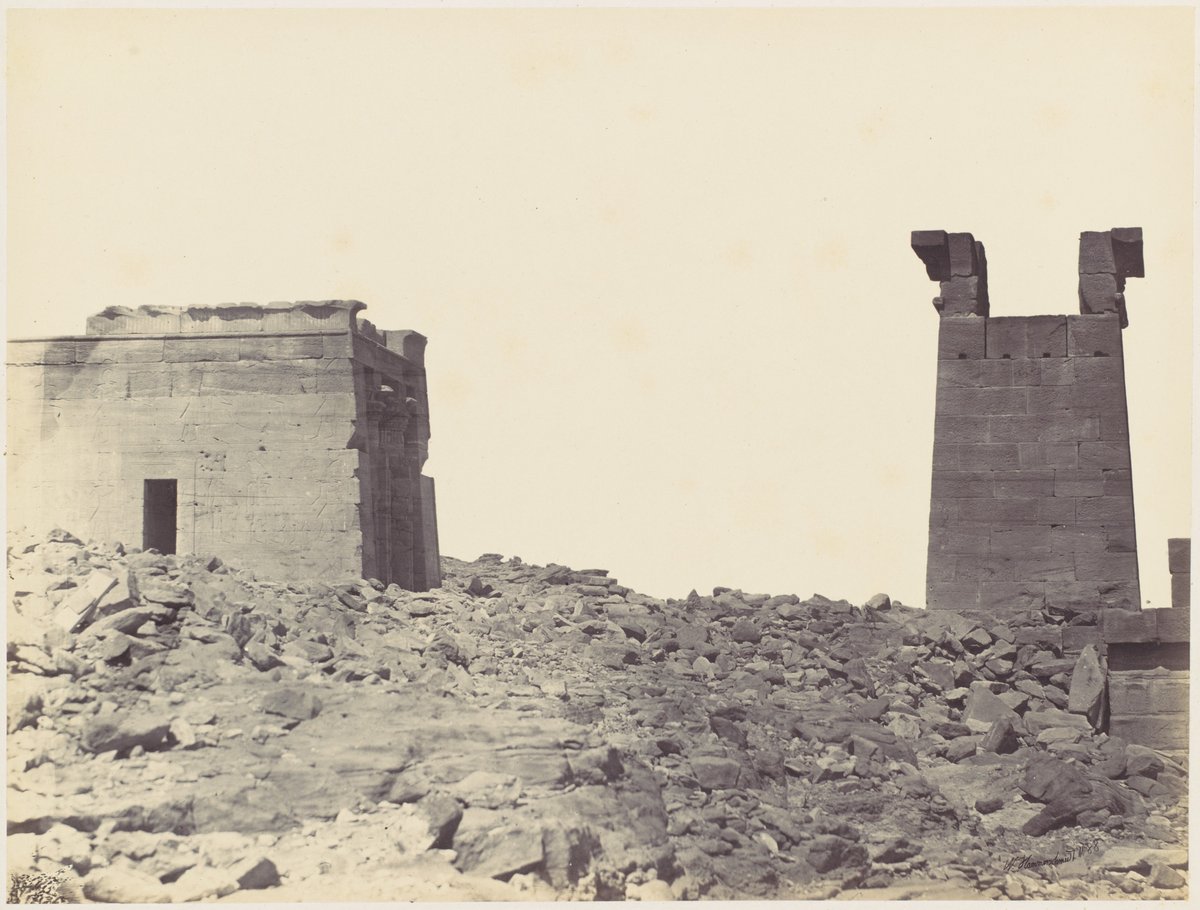
The Temple of Dendur was commissioned by Emperor Augustus around 15 BCE, during the Roman occupation of Egypt, and dedicated to the goddess Isis and the Nubian brothers Pedesi and Pihor. Its original location was Nubia, on the Nile’s west bank, about 50 miles south of Aswan (The Met Museum: Temple of Dendur).
Rescue and Relocation
The 1960s construction of the Aswan High Dam threatened to submerge dozens of ancient monuments. UNESCO’s International Campaign to Save the Monuments of Nubia prompted the careful dismantling, labeling, and documentation of each of the temple’s 661 sandstone blocks. As gratitude for the U.S. role in this campaign, Egypt gifted the temple to the United States in 1965. After a selection process, the Met was chosen as its new home, and the temple was reconstructed in the Sackler Wing by 1978 (The Met Museum: Temple of Dendur).
Architectural Layout and Features
Site Recreation
The Met’s Sackler Wing replicates the temple’s ancient setting with a granite platform, a reflecting pool symbolizing the Nile, and a glass wall that bathes the temple in natural light (Jotted Lines).
Structural Components
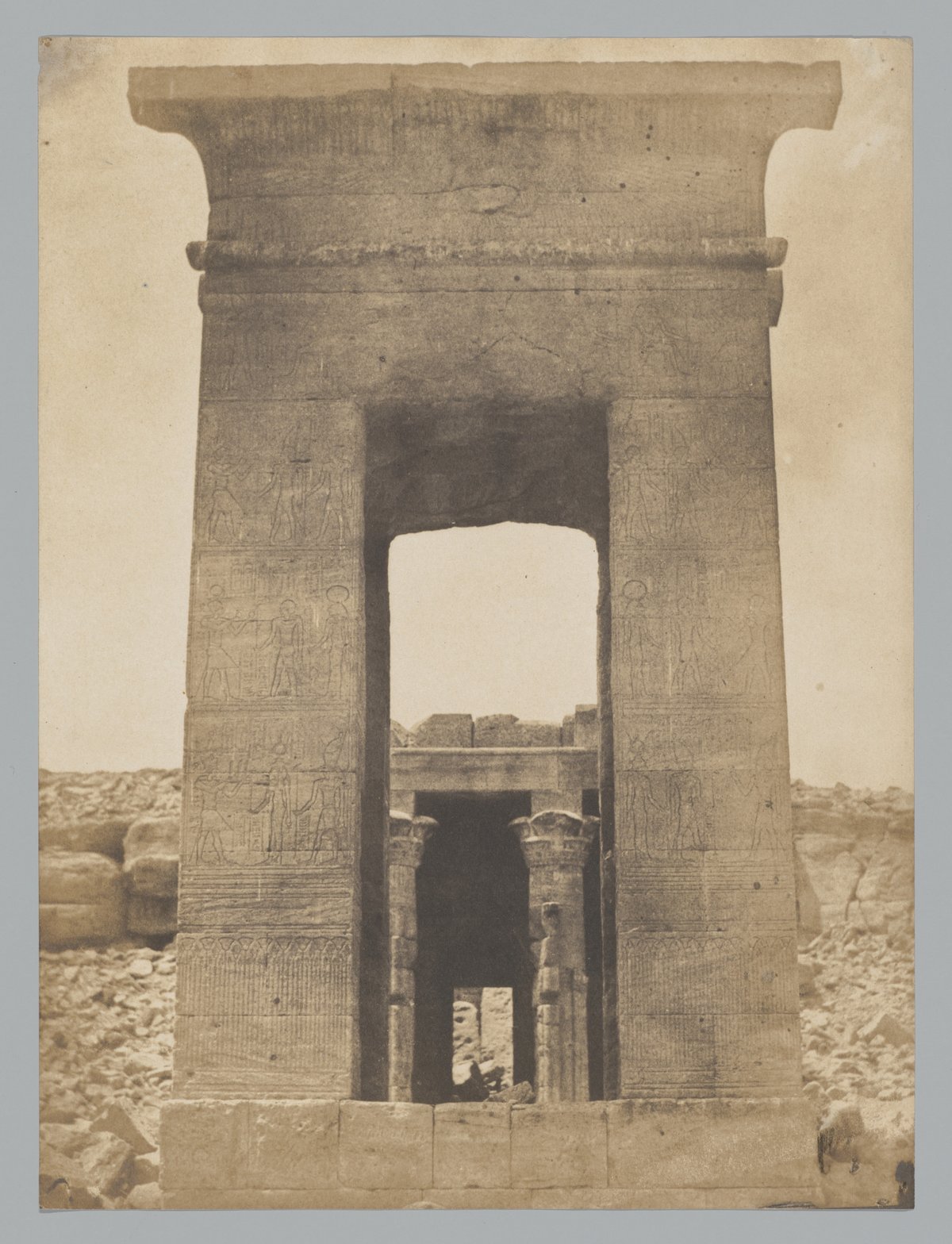
- Gateway The monumental entrance displays reliefs of Augustus as Pharaoh.
- Open Courtyard Once hosted religious processions.
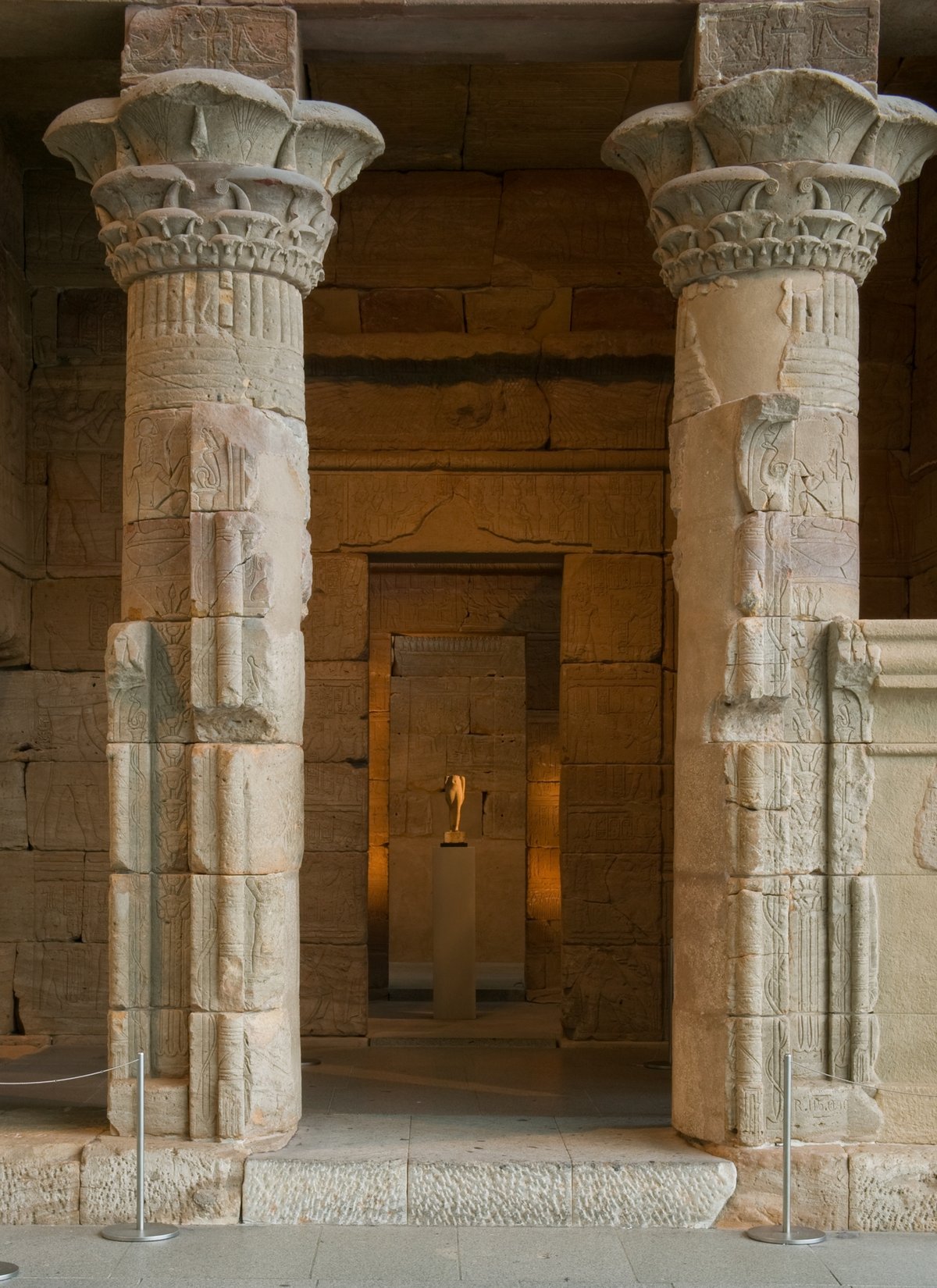
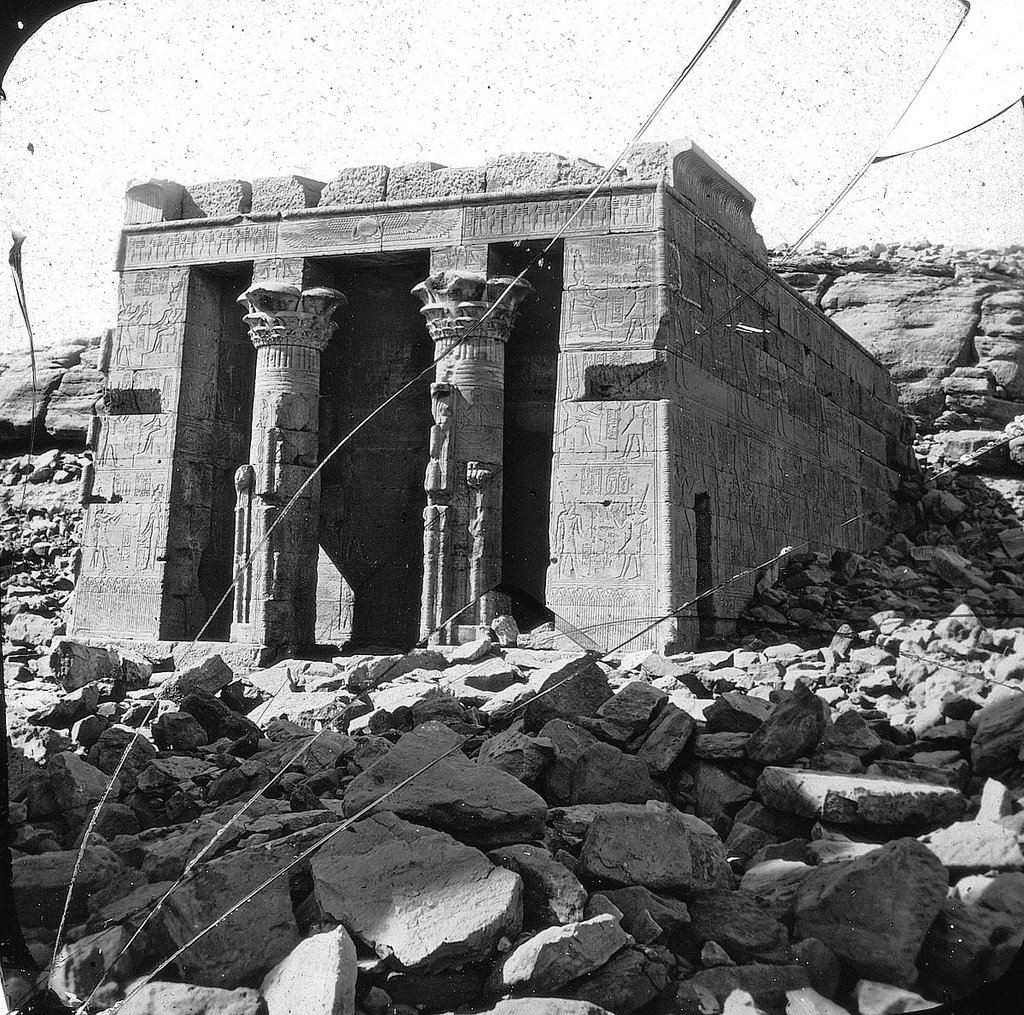
- Pronaos Supported by columns with composite papyrus and lily capitals, typical of late Egyptian architecture.
- Offering Hall An unfinished chamber, with minimal decoration.
- Sanctuary The spiritual heart, displaying reliefs of Pedesi and Pihor honoring Osiris and Isis. A secret chamber for ritual objects is accessible from outside (The Met Museum: Temple of Dendur).
Decorative Elements
The temple’s reliefs blend Egyptian and Roman iconography, with Augustus depicted in traditional pharaonic regalia. Architectural flourishes include rounded tori, a cavetto cornice, and composite capitals (The Met Museum: Temple of Dendur).
Ritual Function and Symbolism
Egyptian temples were designed as the divine “house” of the gods, not for public worship. Rituals would begin in the sanctuary and, during festivals, extend into the courtyard and onto a cult terrace overlooking the Nile. The temple’s spatial organization—progressing from public to increasingly sacred areas—reflects its function as a center of ritual rather than communal gathering (The Met Museum: Temple of Dendur).
Visiting Information: Hours, Tickets, and Access
Visiting Hours
- General Sunday–Tuesday, Thursday: 10:00 AM–5:00 PM; Friday–Saturday: 10:00 AM–9:00 PM
- Closed Wednesdays, Thanksgiving Day, Christmas Day
- Note Always confirm current hours at The Met’s website
Tickets
- Adults $30
- Seniors $22
- Students $17
- Children under 12 Free with an adult
- NY State residents & NY, NJ, CT students Pay-as-you-wish
- Purchase Online (recommended) or at the museum entrance (Met Museum Tickets)
Getting There
Located at 1000 Fifth Avenue at 82nd Street, the Met is accessible via subway (4, 5, 6 to 86th St), city buses, or taxis. Parking nearby is limited—public transit is advised (Metropolitan Museum of Art directions).
Accessibility
The Sackler Wing and Temple of Dendur gallery are fully wheelchair accessible, with elevators, ramps, and seating available. Assistive services include wheelchairs and audio guides (Met Museum Accessibility).
Tours, Educational Programs, and Events
- Highlights Tours Art historians provide context on the temple’s history and art (ART SMART).
- VIP and Private Tours Bookable for deeper exploration (New York Tickets).
- Family & Kids Programs #MetKids features scavenger hunts, Q&As, and activities for young visitors (Met Museum #MetKids).
- Performances and Lectures The temple serves as a dramatic backdrop for concerts, lectures by Egyptologists, and storytelling sessions (Met Museum Events).
Nearby Attractions
After your visit, enjoy other Upper East Side highlights:
- Central Park Steps away for a scenic stroll.
- Guggenheim Museum Modern art icon nearby.
- American Museum of Natural History A short ride across Central Park.
- Dining and Shopping The Upper East Side offers diverse options for food and shopping.
Frequently Asked Questions (FAQ)
Q: What are the Temple of Dendur’s visiting hours?
A: The Met is open Sunday–Tuesday and Thursday 10:00 AM–5:00 PM, Friday–Saturday until 9:00 PM. Always check the current schedule online.
Q: Is a separate ticket required for the Temple of Dendur?
A: No, the temple is included with general museum admission.
Q: Is the Sackler Wing wheelchair accessible?
A: Yes, it is fully accessible.
Q: Can I take photos in the temple gallery?
A: Yes, non-flash photography for personal use is allowed.
Q: Are guided tours available?
A: Yes, check the Met’s tours page for schedules.
Conservation and Ethical Considerations
The Temple of Dendur’s move to New York was a result of international collaboration, yet its status abroad continues to spark discussion about artifact repatriation and museum ethics. The Met’s ongoing conservation ensures its preservation for future generations, while public programming invites dialogue on global stewardship (studymoose.com, link.springer.com).
Tips for Visitors
- Best Times Weekday mornings and Friday/Saturday evenings tend to be quieter.
- Book Ahead Reserve tickets online, especially during peak seasons.
- Photo Ops The reflecting pool and natural light make for stunning photos.
- Family Friendly Educational guides and interactive programs are available for children.
- Combine Visits Explore the Met’s Egyptian galleries for a comprehensive experience.
Visuals and Media
Include high-quality images of:
- The temple exterior and sanctuary
- The reflecting pool and Sackler Wing
- Historical photos of the temple’s relocation and reconstruction