
Historical Background
- Founding Established in 1845 by 37 German-Jewish immigrants, Temple Emanu-El was New York City's first Reform synagogue and among the earliest in the U.S. It was born out of a desire to modernize Jewish worship and integrate Jewish life with American values. (emanuelnyc.org)
- Growth and Relocation As the congregation grew in numbers and influence, it moved uptown, mirroring the upward mobility of its community.
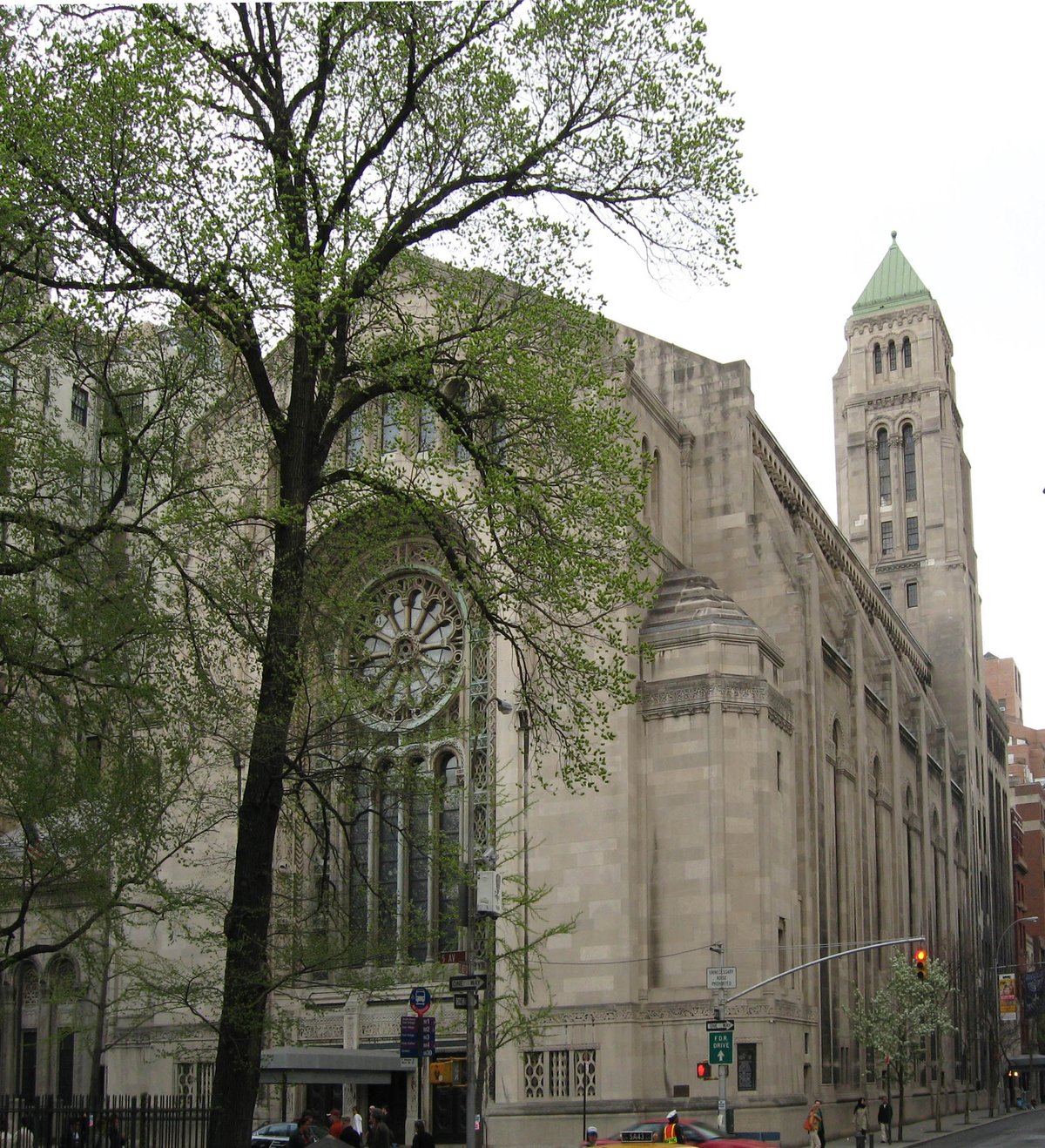
- Current Sanctuary In 1927, Temple Emanu-El merged with Temple Beth-El and constructed the current Fifth Avenue sanctuary, completed in 1929 on the site of the former Astor mansion. The building became a symbol of Jewish presence and aspiration in New York’s elite circles. (boweryboyshistory.com)
Architectural Highlights
- Architectural Style The sanctuary is a masterwork of Romanesque Revival architecture, with Byzantine and Art Deco influences. It was designed by architects Robert D. Kohn, Charles Butler, and Clarence Stein, incorporating colossal arches, Indiana limestone, and buttresses reminiscent of European cathedrals. (villagepreservation.org)
- Interior Marvels The sanctuary seats 2,500 people, surpassing St. Patrick’s Cathedral in capacity. It boasts a steel-framed, column-free interior, stained-glass windows styled after Louis Comfort Tiffany, and intricate mosaics by Hildreth Meière.
- Symbolism Iconography includes symbols of the twelve tribes of Israel, stylized lions, and a rose window with a central Magen David (Star of David). The bronze doors and marble ark are adorned with Jewish motifs.
- Museum of Judaica The on-site Bernard Museum holds over 1,000 ceremonial art objects, some dating from the 14th century. (responsiblenewyork.com)
- Landmark Status Temple Emanu-El is a designated New York City Landmark, celebrated for both its historic and architectural significance. (villagepreservation.org)
Cultural and Social Impact
- Community Leadership From the early days, Temple Emanu-El was at the forefront of Reform Judaism and Jewish civic leadership in America. Influential rabbis, lay leaders, and artists have shaped its direction. (emanuelnyc.org)
- Wartime Service During WWII, Temple Emanu-El’s I.M. Wise Hall served as a USO canteen, welcoming over 1.3 million service members. (emanuelnyc.org)
- Holocaust Remembrance The synagogue regularly hosts the Annual Gathering of Remembrance, organized by the Museum of Jewish Heritage, to honor Holocaust victims and reaffirm resistance to antisemitism. (mjhnyc.org)
- Interfaith and Civic Engagement Temple Emanu-El is a hub for interfaith dialogue, social justice programs, arts, and education, hosting concerts, lectures, and public events.
Visitor Information
Visiting Hours
- Sanctuary & Museum Open to the public Tuesdays and Wednesdays, 10:00 AM to 11:30 AM. Hours may vary during holidays or special events. (emanuelnyc.org)
- Worship Services Shabbat services are held Friday evenings and Saturday mornings. Visitors of all backgrounds are welcome.
- Special Events Check the official website for updates, holiday schedules, and public programs.
Admission & Tickets
- General Admission Free; no tickets required for public visiting hours or museum entry. Donations are appreciated.
- Guided Tours Standard tours are $15–$25 per person (discounts for seniors, students, children). Group/educational tours available by appointment.
- Special Events Some concerts and lectures may require separate tickets.
Guided Tours
- Docent-Led Tours Offer in-depth exploration of architecture, history, and art, including access to special areas and behind-the-scenes insights.
- Self-Guided Tours Available during open hours with brochures and signage highlighting key features.
- Educational Tours Tailored for school groups and children by appointment.
Accessibility & Amenities
- Accessibility The building is fully accessible, with ramps, elevators, and assistive listening devices.
- Restrooms Accessible facilities are available.
- Gift Shop Judaica, books, and souvenirs are available on site.
- Security Bag checks and security screening at entrances; arrive early, especially for events.
Getting There & Nearby Attractions
- Location 1 East 65th Street at Fifth Avenue, Upper East Side, Manhattan.
- Subway 4, 5, 6 to 68th Street–Hunter College; N, R, W to 5th Ave–59th Street.
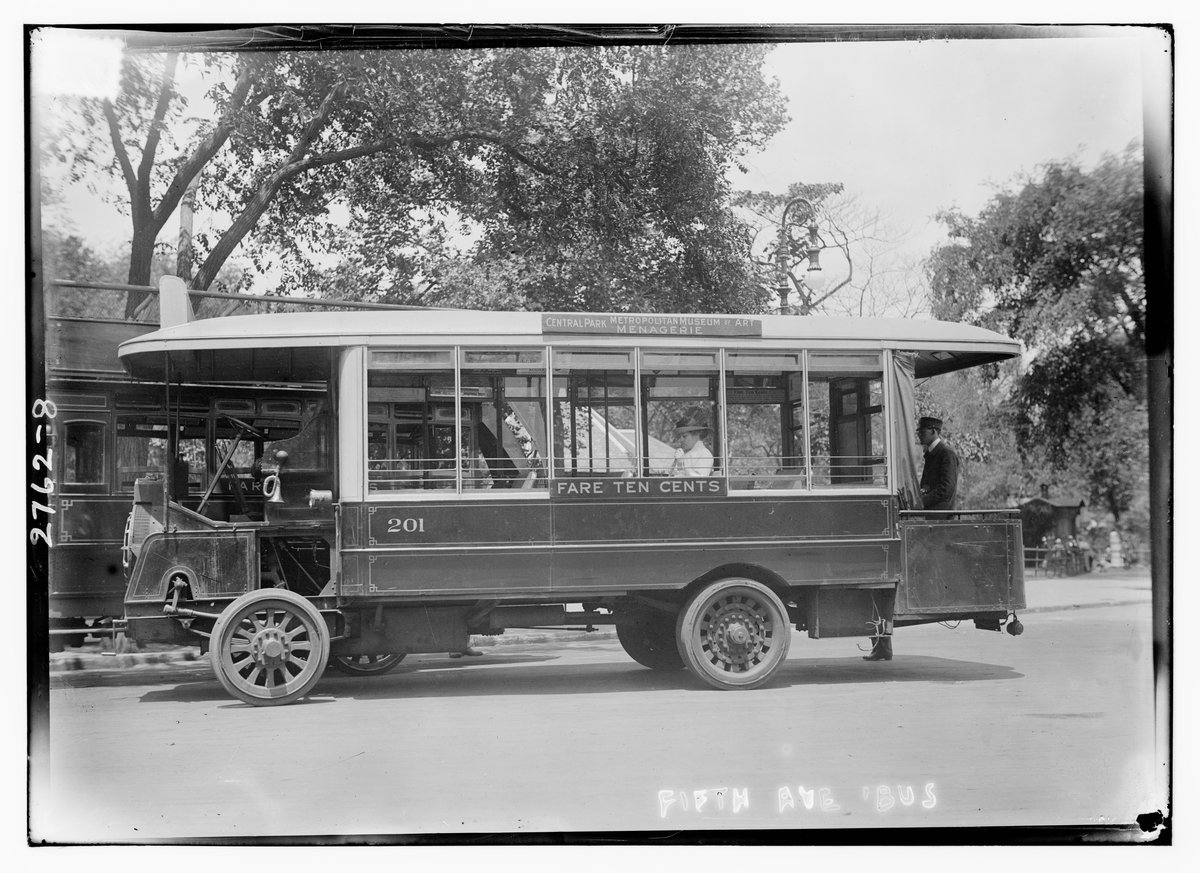
- Bus M1, M2, M3, M4 stop nearby.
- On Foot Adjacent to Central Park, near the Metropolitan Museum of Art and Museum Mile.
Visitor Etiquette & Tips
- Dress modestly: Shoulders and knees covered; remove hats unless worn for religious reasons.
- Photography: Allowed in public areas, without flash or tripods; restricted during services.
- Silence mobile devices and maintain a respectful atmosphere.
- Plan ahead: Check official hours and arrive early for security screening.
- Explore nearby: Combine your visit with Central Park, the Met, and other Upper East Side attractions.
Frequently Asked Questions (FAQ)
Q: What are the main visiting hours?
A: Public visiting hours are Tuesdays and Wednesdays, 10:00 AM–11:30 AM. Shabbat services held Friday evenings and Saturday mornings. Check the official website for updates.
Q: Is there an admission fee?
A: Admission is free; guided tours require a ticket. Donations are welcome.
Q: Are guided tours available?
A: Yes, both standard and group tours can be booked online or by phone.
Q: Is the building wheelchair accessible?
A: Yes, with ramps, elevators, and accessible restrooms.
Q: Can I attend services as a visitor?
A: Yes, all are welcome at most services. Some events may require tickets.
Q: Is photography allowed?
A: In most areas during tours, yes—without flash/tripods. Not during services.
Q: What are the best times to visit?
A: Weekday mornings for quiet exploration; Saturdays for Shabbat services.
Q: Are children and school groups welcome?
A: Yes, educational tours are available by appointment.