Introduction
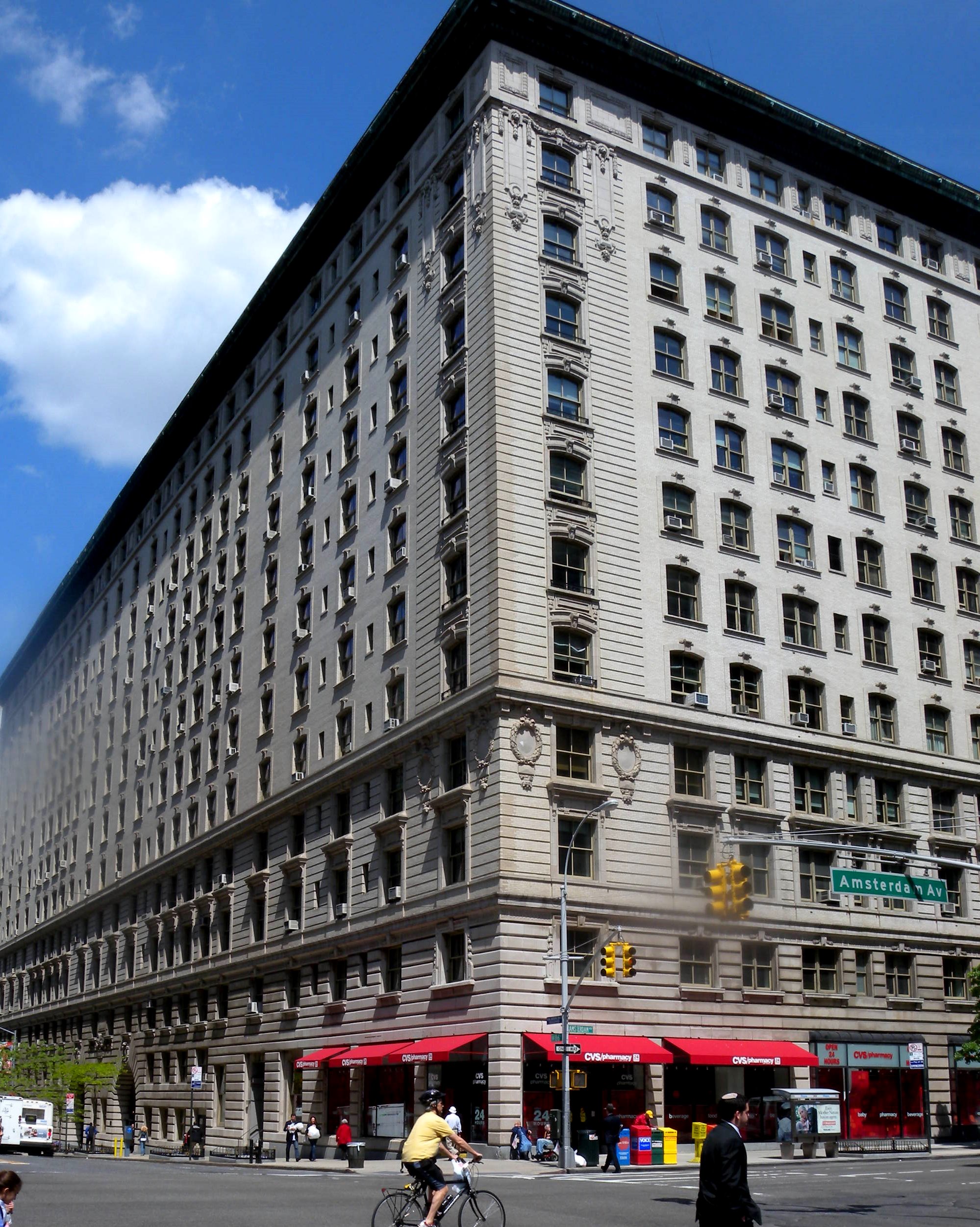
Substation 409 is a remarkable yet often overlooked component of New York City's infrastructure. Built during the 1930s as part of the Independent Subway System (IND) expansion, Substation 409 not only powered the city's growing subway network by converting high-voltage alternating current (AC) to direct current (DC), but also stands as a testament to Art Deco and Moderne architecture. This substation exemplifies New York City's historical commitment to blending utility with urban aesthetics, making it a unique point of interest for history buffs, architecture enthusiasts, and urban explorers alike (Village Preservation, Forgotten NY).
While Substation 409 is not open to the public for interior tours due to safety and security reasons, its striking exterior can be appreciated on self-guided or organized walking tours through Greenwich Village. This guide offers a detailed exploration of Substation 409’s historical context, architectural significance, technical evolution, visitor information, preservation status, and its vital role in New York City’s ongoing energy transition.
Early Development of New York City Substations
The electrification of New York’s transit systems in the late 19th and early 20th centuries necessitated the creation of substations to convert and distribute electrical power for the rapidly expanding subway and streetcar networks. Substations like 409 were pivotal in converting high-voltage AC to DC required for train operations (The Railway Power Stations of New York City). Early substations were often constructed with careful attention to architectural detail, blending utility with the city’s civic identity (media4.manhattan-institute.org).
Zoning, Urban Planning, and Siting
The 1916 zoning code began restricting the placement of substations in residential districts, pushing new facilities into business and manufacturing zones. Substation 409, built before many of these restrictions, was “grandfathered” into its Greenwich Village neighborhood (media4.manhattan-institute.org). Later zoning codes required substations to be sited and designed to minimize their impact on neighborhood character, influencing the integration of structures like 409 into the urban streetscape.
Architectural and Technological Evolution
Early substations required large rotary converters, resulting in substantial, robust buildings. Over time, advances in technology led to smaller, more efficient designs. Substation 409, however, retains the grandeur of its era, with a brick façade, limestone trim, and Art Deco motifs—features intended to harmonize with surrounding architecture and project civic pride (Village Preservation, Forgotten NY).
Substation 409 and Urban Growth
Substation 409’s reliable power enabled the city’s vertical and horizontal expansion, supporting high-density development and new neighborhoods. Its strategic location and enduring presence highlight how infrastructure can shape patterns of urban growth and neighborhood identity (media4.manhattan-institute.org).
Visitor Information
Visiting Hours and Access
- Interior Access: Substation 409 is an operational electrical facility and is not open to public tours or interior visits.
- Exterior Viewing: The exterior can be viewed from public sidewalks at any time during daylight hours.
Location and Directions
- Neighborhood: Greenwich Village, Manhattan.
- Nearest Subway: West 4th Street-Washington Square (A, C, E, B, D, F, M); Christopher Street-Sheridan Square (1).
- Getting There: Walking or biking in Greenwich Village provides a rich context for exploring the substation and nearby historic sites.
Accessibility
Sidewalks around Substation 409 are accessible for most visitors. Guided tours may offer additional accessibility accommodations (Artchitectours).
Nearby Attractions
- Washington Square Park
- Historic Greenwich Village brownstones
- Stonewall National Monument
- New York Transit Museum (in Brooklyn)
- Dining and shopping along Bleecker Street
Educational Opportunities
- Guided Architecture Tours: Offered by organizations like AIA NY and Artchitectours, often including Substation 409 on their itineraries (AIA NY).
- Virtual Resources: Online archives and historical societies provide photographs, maps, and technical documents.
- Special Educational Visits: Occasionally arranged for students or professionals by Con Edison or local universities.
Safety and Etiquette
- Remain on public property; do not attempt to enter or climb fences.
- Photography of the exterior is generally permitted but avoid capturing security features.
- Respect posted signage, barriers, and operational staff.
- Supervise children and keep pets leashed (HSSE World).
Regulatory Changes and Urban Design
Recent decades have seen renewed efforts to blend substations into the urban environment, including architectural treatments and siting within mixed-use developments (manhattan.institute). Ongoing zoning updates seek to facilitate necessary new infrastructure while maintaining neighborhood character.
Modernization and Technical Upgrades
Following Hurricane Sandy, Substation 409 underwent significant modernization, including digital controls and storm hardening. Key features include:
- Digitalization: Advanced sensors and automated controls for real-time monitoring (ABB digitalizes critical substation in New York City).
- Storm Protection: Key equipment elevated 35 feet above flood levels; reinforced walls and flood barriers.
- Grid Integration: Supports distributed renewable energy and energy storage, aiding the city’s clean energy transition (Con Edison Reliable Clean City Project, NYSERDA Power Grid Study).
Preservation and Cultural Impact
Historic District and Landmark Status
Located within or adjacent to the Greenwich Village Historic District, Substation 409 benefits from landmark protections that guard against unsympathetic alterations (Village Preservation). The New York City Landmarks Preservation Commission oversees proposed changes to maintain the building’s architectural integrity.
Community and Heritage
Substation 409 is a familiar neighborhood landmark, embodying the city’s legacy of integrating essential infrastructure with civic life. It serves as a case study in how utility buildings can contribute to the city’s architectural richness (Forgotten NY).
Notable Architectural Comparisons
Substation 409 shares design sensibilities with other IND and IRT substations—brick and limestone, geometric ornamentation, and contextual scale. The IRT Powerhouse and Fort George substation are larger or differently styled examples, but all reflect the city’s tradition of architecturally significant infrastructure (Forgotten NY).
Frequently Asked Questions (FAQs)
Q: Can I enter Substation 409?
A: No, the substation is operational and closed to the public. You may view the exterior from public areas.
Q: Are tickets required?
A: No tickets are needed to view the exterior. Guided architecture tours including Substation 409 may require booking and payment.
Q: Is it wheelchair accessible?
A: Sidewalks around the building are generally accessible; guided tours may offer further support.
Q: Can I take photos?
A: Yes, exterior photography is allowed from public sidewalks, but avoid photographing security details.
Q: How do I learn more?
A: Join a guided tour, visit local museums, or explore digital resources and official reports for deeper context.
Summary and Visitor Recommendations
Substation 409 stands as an enduring symbol of New York City’s infrastructural ambition, architectural heritage, and ongoing pursuit of urban resilience. Its Art Deco façade, historic significance, and integration into the Greenwich Village landscape make it a compelling site for architectural and transit history enthusiasts. While interior access is restricted, the substation’s exterior offers a tangible connection to New York’s past and present efforts to build a sustainable, reliable city (Village Preservation, Forgotten NY).
For a richer experience, combine your visit with nearby landmarks, guided tours, and museum exhibitions. To further explore New York’s hidden infrastructure, download the Audiala app for curated walking tours and historical insights, and follow Audiala on social media for ongoing updates and exclusive content.
Listen to the full story in the app
Your Personal Curator, in Your Pocket.
Audio guides for 1,100+ cities across 96 countries. History, stories, and local insight — offline ready.
Audiala App
Available on iOS & Android
Join 50k+ Curators
Sources
- verified
- verified
- verified
- verified
- verified
- verified
- verified
- verified
- verified
- verified
- verified
- verified
- verified
- verified
Last reviewed: