Introduction
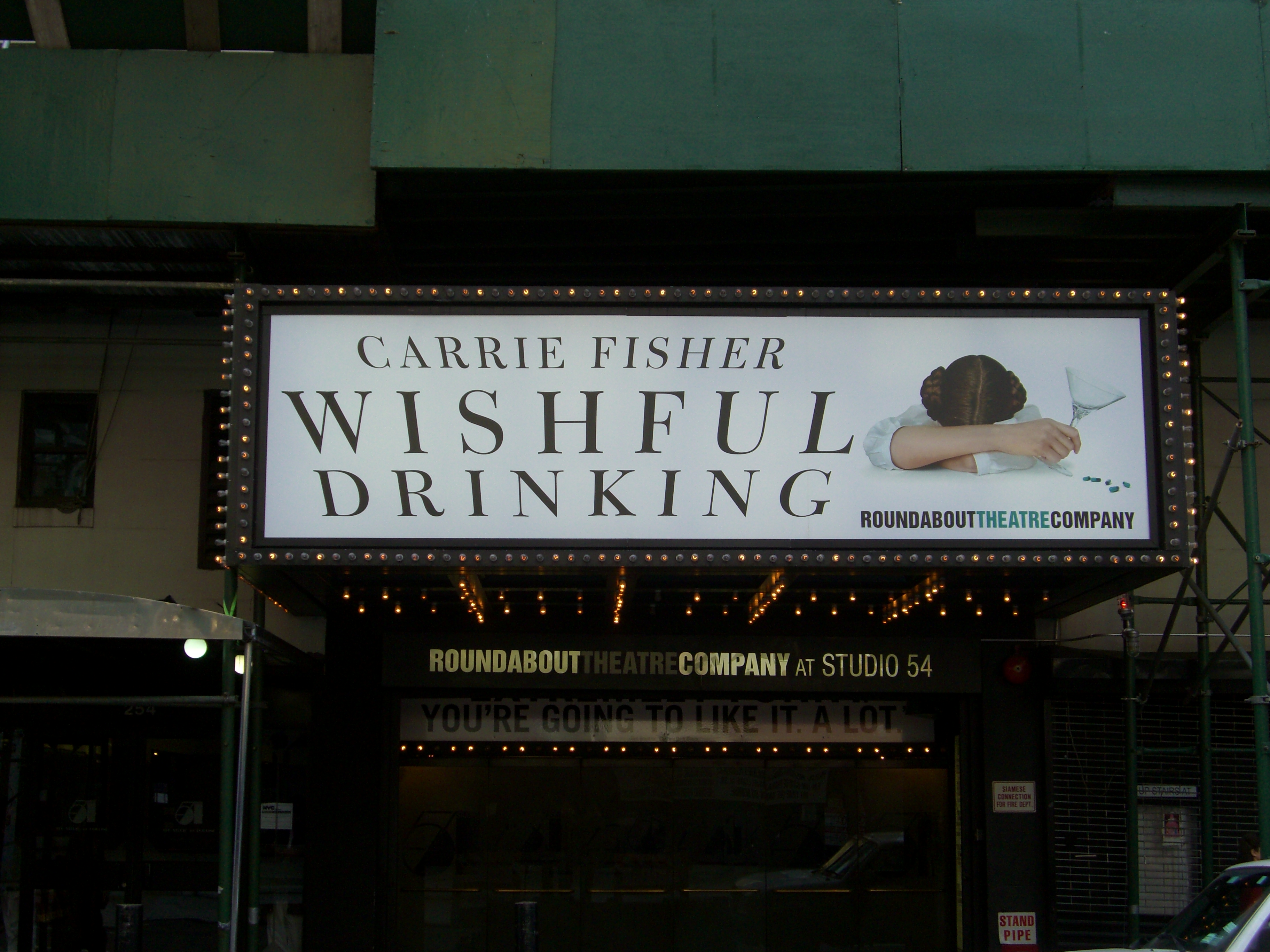
Studio 54 stands as a legendary symbol of New York City’s cultural evolution, intertwining the exuberance of its disco nightclub heyday with its present role as a vibrant Broadway theater. Located at 254 West 54th Street in Midtown Manhattan, Studio 54’s storied walls have witnessed some of the most transformative moments in nightlife, performance, and social history. This comprehensive guide explores Studio 54’s rich legacy, practical visitor information, and tips for an unforgettable experience at this iconic New York landmark (NYC LGBT Sites; PBS).
- Origins and Architectural Transformation
- The Studio 54 Phenomenon: 1977–1980
- Cultural Impact and Symbolism
- Decline, Closure, and Legacy
- Essential Visitor Information
- Visitor Experience and Practical Information
- Tips for a Memorable Visit
- Notable Past and Upcoming Productions
- Frequently Asked Questions
- Conclusion and Recommendations
- References
Origins and Architectural Transformation
Studio 54 began its life in 1927 as the Gallo Opera House, designed by architect Eugene De Rosa. Conceived as a haven for the performing arts, the building included luxurious lounges, restrooms, and promenades, with a planned opera museum below. Over the years, it took on new identities: the New Yorker Theatre (1930), Casino de Paree nightclub (1933), and, most notably, CBS Studio 52 in the 1940s, where it hosted popular television shows such as "The Johnny Carson Show" (Wikipedia; BroadwayWorld).
The building sat mostly unused until 1977, when Steve Rubell and Ian Schrager transformed it into Studio 54, investing heavily to create a dazzling, theatrical nightclub. The venue’s architecture—soaring 85-foot ceilings, a 5,400-square-foot dance floor, and iconic decor like the “Man in the Moon with a Cocaine Spoon”—set the stage for what would become the world’s most famous nightclub (NYC LGBT Sites).
The Studio 54 Phenomenon: 1977–1980
Studio 54’s grand opening in April 1977 launched an era of extravagant nightlife. Under the creative direction of Rubell and Schrager, the club became a microcosm of the city’s most vibrant social currents. A strict but eclectic door policy ensured a mix of celebrities, artists, drag performers, and everyday New Yorkers. Inside, the club was a sensory playground—thumping disco beats, confetti storms, kinetic lighting, and staff in athletic attire set the scene for nights of liberation and creativity (PBS; Husbands Paris).
The guest list became legendary: Andy Warhol, Liza Minnelli, Bianca Jagger, Mick Jagger, Grace Jones, Diana Ross, and Truman Capote, among others, mingled with patrons from all walks of life. Studio 54 offered a safe and celebratory space for the LGBTQ+ community and became a melting pot of self-expression (NYC LGBT Sites; PBS).
Cultural Impact and Symbolism
Studio 54 defined the disco era’s hedonism, inclusivity, and boundary-pushing artistry. Its music policy—shaped by New York’s gay club scene—featured high-energy tracks and performances from Donna Summer, Grace Jones, Sylvester, Gloria Gaynor, and the Village People. The club’s opening night featured dancers from the Alvin Ailey Repertory Ensemble (NYC LGBT Sites).
The club was more than a party spot: it was a crucible for cultural change, fostering avant-garde fashion, art, and nightlife innovation. Its selective door policy and mythic events (like Bianca Jagger’s famous entrance on a white horse) cemented its reputation as the epitome of exclusivity and glamour (Brooklyn Museum Exhibition "Studio 54: Night Magic"; Husbands Paris).
Decline, Closure, and Legacy
By the end of the 1970s, the disco craze was fading. Studio 54’s decline was hastened by a high-profile police raid on December 31, 1979, which uncovered millions in drugs and led to Rubell and Schrager’s arrests for tax evasion (Husbands Paris). The original club closed in February 1980.
Although Studio 54 reopened under new management in 1981 and continued to host notable acts through 1986, it never regained its former glory (NYC LGBT Sites). In 1998, the Roundabout Theatre Company restored the building, reopening it as a Broadway theater and preserving its storied past.
Today, Studio 54’s legacy endures as a symbol of creativity, freedom, and transformation in New York’s cultural landscape.
Essential Visitor Information
Location:
254 West 54th Street, New York, NY 10019 (SeatPlan)
Current Use:
Broadway theater operated by the Roundabout Theatre Company
Box Office Hours:
Generally open from 10:00 AM to showtime on performance days; hours may vary by production and on holidays (Roundabout Theatre Company).
Ticket Prices:
Typically $50–$200+, depending on production, date, and seating. Purchase tickets through the Roundabout Theatre Company, TodayTix, or New York Theatre Guide.
Accessibility:
Wheelchair access available in the Orchestra; no elevator to balcony. Contact box office for accommodations or assistance (TodayTix).
Transportation and Parking:
- Subway: C, E, 1 (50th St); N, R, Q, W (57th St); B, D, E (7th Ave/53rd St)
- Bus: M27, M50, M31, M57, M10, M20, M104
- Parking: ICON Parking at Mercury Parking (350 W 50th St), plus other nearby garages (TodayTix).
Nearby Attractions:
Carnegie Hall, Museum of Modern Art (MoMA), Central Park, and Times Square (New York Theatre Guide).
Visitor Experience and Practical Information
Seating and Amenities
Studio 54 seats 1,006 patrons across orchestra and balcony levels. The historic auditorium blends 1927 elegance with modern comfort, featuring mirror-lined walls and restored chandeliers (Wikipedia). Amenities include restrooms, bars, and concessions. Arrive 30 minutes early for security and seating.
Dress Code
There’s no formal dress code, but business casual or smart casual attire is recommended. Comfortable, neat clothing is appropriate for both matinees and evening performances.
Health and Safety
As of July 2025, proof of vaccination is not required and mask-wearing is optional, though policies may change. Check the official website for updates.
Photography and Devices
Photography, recording, and electronic device use are strictly prohibited inside the theater. Please silence all devices before performances.
Accessibility
While the main floor is accessible, there is no elevator to the balcony. Notify the box office in advance for wheelchair seating or other needs (TodayTix).
Dining and Discounts
Show your same-day Studio 54 ticket at select Midtown restaurants for discounts, such as:
- Brooklyn Diner 57th Street: Complimentary prosecco with entrée
- Bar Nine: 10% off
- Barbetta: 10% off
- Ceci: 15% off
- Pennsylvania 6: 10% off
- Havana Central: 15% off (min $30 purchase)
Official hotel partner: The Knickerbocker Hotel at 6 Times Square.
Tips for a Memorable Visit
- Book in Advance: Secure tickets early for the best selection and prices (TodayTix).
- Arrive Early: Give yourself at least 30 minutes before showtime for entry and seating.
- Use Public Transit: Parking is limited; subway and bus access is convenient.
- Check Accessibility: Contact the box office for special seating or services.
- Take Advantage of Dining Deals: Enjoy local restaurant discounts with your ticket.
- Explore the Area: Make time for nearby attractions like Central Park and MoMA.
Notable Past and Upcoming Productions
Studio 54’s stage has hosted acclaimed productions, including:
- "Cabaret" (1998 revival)
- "Kiss Me, Kate"
- "Caroline, or Change"
- "The Lifespan of a Fact"
- "A Wonderful World: The Louis Armstrong Musical"
- "Call Me Izzy" (2025, Jean Smart)
- "Oedipus" (2025–2026, Lesley Manville and Mark Strong)
- Special cabaret events at 54 Below, the downstairs venue (WhatsOnStage; New York Theatre Guide).
Programming is diverse, with classic revivals, new works, and cabaret performances.
Frequently Asked Questions
Q: What are Studio 54’s visiting hours?
A: The box office generally opens at 10 AM and remains open until showtime on performance days. Check the official website for holiday or special event hours.
Q: How do I buy tickets?
A: Purchase online at the Roundabout Theatre Company, TodayTix, or in person at the box office.
Q: Is Studio 54 wheelchair accessible?
A: Yes, in the Orchestra section. There is no elevator to the balcony. Contact the box office for accommodations.
Q: Are guided tours available?
A: Regular tours are not offered, but special events or virtual experiences may be available. Check the official website for updates.
Q: Can I take photos inside Studio 54?
A: No. Photography and recording are strictly prohibited by law.
Listen to the full story in the app
Your Personal Curator, in Your Pocket.
Audio guides for 1,100+ cities across 96 countries. History, stories, and local insight — offline ready.
Audiala App
Available on iOS & Android
Join 50k+ Curators
Sources
- verified
- verified
- verified
- verified
- verified
- verified
- verified
- verified
- verified
- verified
Last reviewed: