Introduction
The Stonewall Inn, located at 51–53 Christopher Street in New York City’s Greenwich Village, stands as a monumental landmark in both LGBTQ+ history and American civil rights activism. Known worldwide as the birthplace of the modern LGBTQ+ rights movement, the Stonewall Inn’s legacy transcends its identity as a vibrant gay bar and embodies a powerful symbol of resistance, resilience, and community. This guide provides a thorough overview for visitors eager to explore this iconic site—covering its history, cultural significance, visiting hours, ticketing, accessibility, travel tips, and nearby attractions (Biography.com; History.com).
Photo Gallery
Explore Stonewall Inn in Pictures
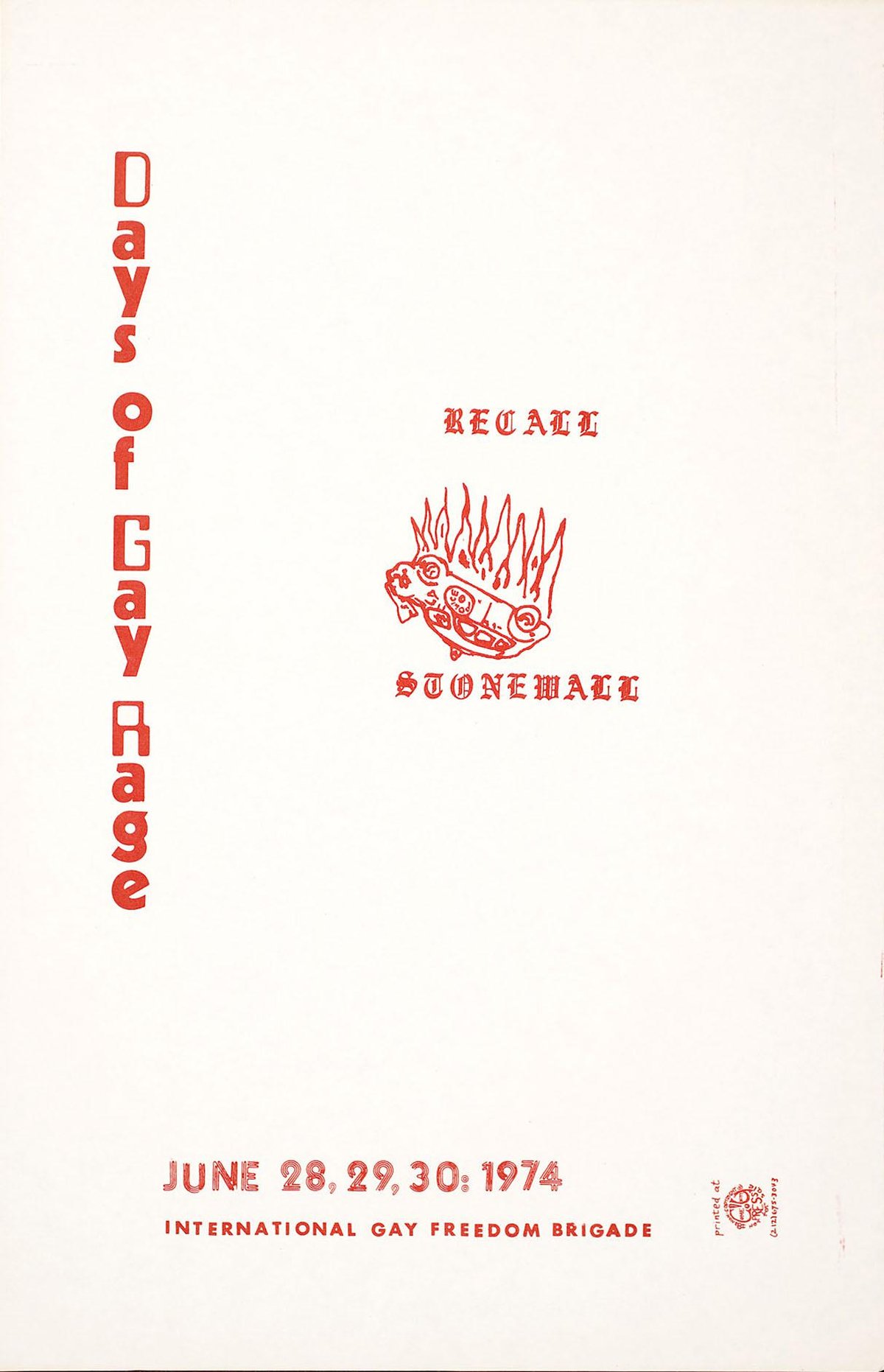
Poster titled 'Days of Gay Rage' commemorating the recall of Stonewall events from June 28 to 30, 1974, organized by the International Gay Freedom Brigade.
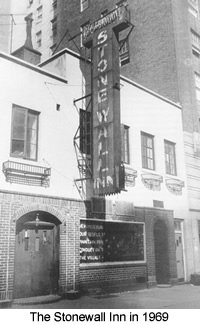
Stonewall Inn in 1969, the iconic bar located in New York City that became a pivotal site for the LGBTQ+ rights movement following the Stonewall riots.

The front cover of the August 1969 New York Mattachine Society Newsletter authored by Price Dickinson, highlighting the Stonewall uprising with the headline Gay Riots in the Village, provided by the New York Public Library.
Origins and Early History
The Stonewall Inn began as 19th-century horse stables before being converted into a bar and restaurant. In 1967, during a time when homosexual acts were criminalized and LGBTQ+ individuals faced widespread discrimination, the Genovese crime family transformed it into a gay bar. Operating without a liquor license, Stonewall became a rare sanctuary for LGBTQ+ people—especially youth, people of color, and drag performers—who faced routine police harassment and discrimination (Biography.com; History.com; National Geographic).
The 1960s Context: Discrimination and Police Harassment
In the 1960s, New York City’s LGBTQ+ population faced frequent police raids, social stigma, and legal barriers. Establishments like the Stonewall Inn operated under constant threat, often relying on bribery and secrecy to remain open (Britannica.com; Library of Congress).
The Stonewall Uprising: June 28, 1969
On June 28, 1969, a police raid at the Stonewall Inn sparked several nights of protests and spontaneous resistance, now known as the Stonewall Uprising. Community members, led by activists including Marsha P. Johnson, Sylvia Rivera, and Stormé DeLarverie, resisted arrest and ignited a movement that would inspire the formation of groups such as the Gay Liberation Front and Gay Activists Alliance (History.com; ICC Stonewall 50; CNN).
Legacy: The Birth of Pride and National Recognition
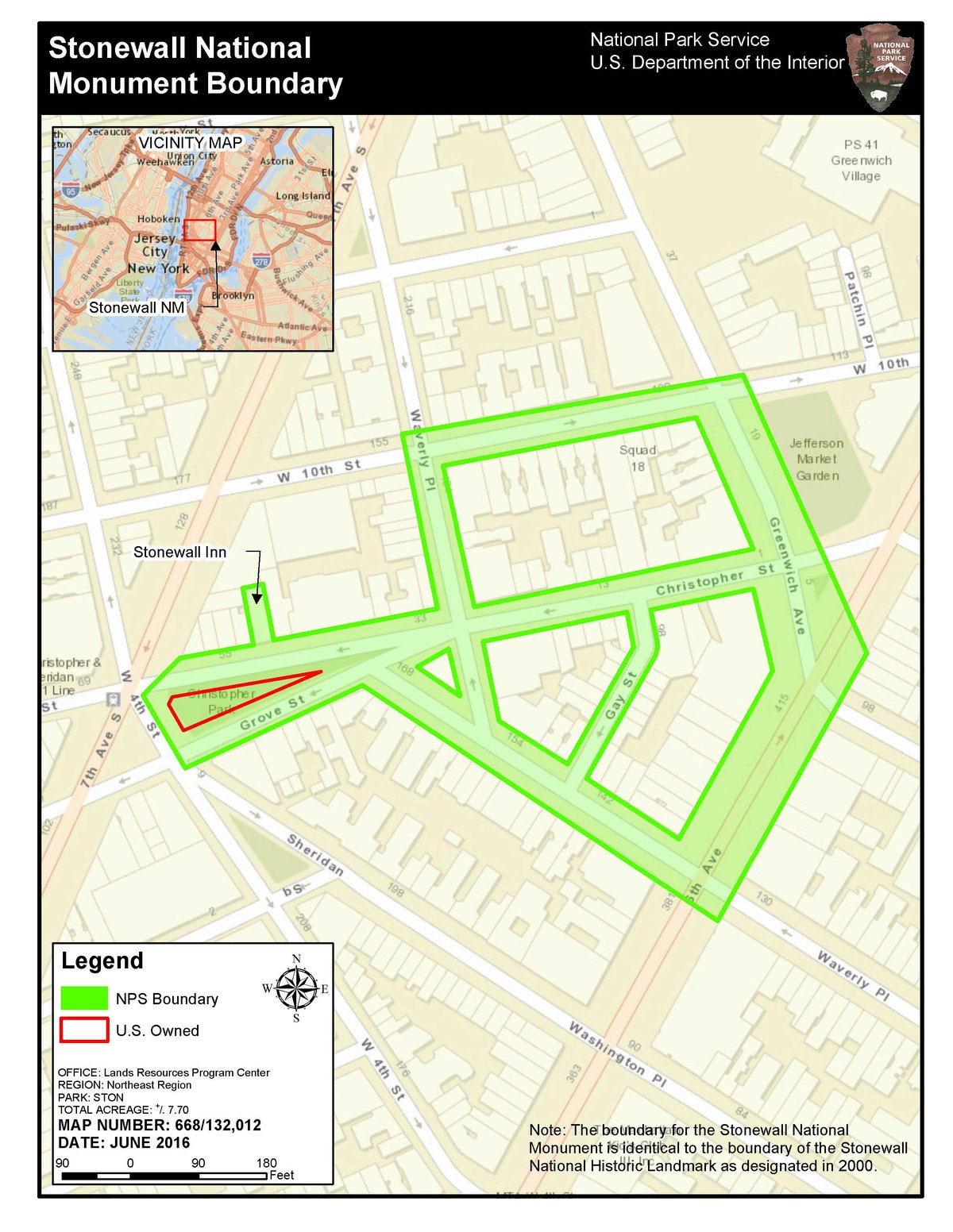
The first anniversary of the uprising was commemorated by the Christopher Street Liberation Day march—America’s first gay pride parade—on June 28, 1970 (History.com). The Stonewall Inn closed shortly after the riots but reopened in 2007, and in 2016 it became the centerpiece of the Stonewall National Monument—the first U.S. national monument dedicated to LGBTQ+ rights (Britannica.com; Stonewall Inn Official; National Park Service).
Visiting the Stonewall Inn: Hours, Tickets, and Accessibility
Location and Getting There
- Address: 53 Christopher Street, Greenwich Village, Manhattan, New York City (Stonewall Inn Official)
- Subway: Christopher Street–Sheridan Square (1 train), West 4th Street–Washington Square (A, C, E, B, D, F, M trains)
- Bus: M20 and M21 lines; taxis/rideshares widely available
Visiting Hours
- Bar Hours:
- Weekdays: 2:00 PM – 4:00 AM
- Weekends: 1:00 PM – 4:00 AM
- Stonewall National Monument Visitor Center:
- Wednesday to Sunday: 10:00 AM – 6:00 PM (National Park Service)
- Christopher Park: Open year-round
Hours may vary during holidays or special events—always check the official website before visiting.
Tickets and Admission
- General Entry: Free; no tickets required during regular hours
- Special Events: Some performances, drag shows, or fundraisers may require advance tickets or a cover fee (Stonewall Inn Events)
- Age Restrictions: 21+ with valid physical ID after 8:00 PM; Christopher Park and area open to all ages during the day
Accessibility
- Venue: Wheelchair accessible with a ramp and accessible restrooms; some historic features may limit access in narrow areas
- Visitor Center: Fully wheelchair accessible; staff can assist with accommodations
- Events: Large crowds during Pride Month and special events may affect mobility and access
What to Expect: Atmosphere and Experience
The Stonewall Inn is both a vibrant nightlife venue and a living monument. Its two floors host a range of events—drag shows, dance parties, piano nights, comedy events, and community fundraisers. The décor honors its activism legacy with memorabilia, photographs, and plaques (History Tools).
- Regular Programming: Drag shows, karaoke, open mic, and DJ nights (Lex NYC Pride Guide)
- Pride Month: Expanded events, performances, and commemorations in June
- Community Engagement: Stonewall Inn Gives Back Initiative (SIGBI) supports LGBTQ+ causes (Stonewall Inn Gives Back)
Exploring the Stonewall National Monument
Adjacent to the Inn, Christopher Park and the surrounding streets comprise the Stonewall National Monument. The park features George Segal’s “Gay Liberation” sculptures and interpretive signage. The newly opened Visitor Center provides immersive exhibits, educational programs, and virtual resources (Queerty).
Guided Tours and Educational Opportunities
While the Stonewall Inn itself does not offer regular internal tours, several local organizations and walking tour companies provide in-depth LGBTQ+ history tours that include the bar, Christopher Park, and other Greenwich Village landmarks (Village Preservation). The Stonewall National Monument Visitor Center also offers guided and virtual tours.
Visitor Etiquette and Tips
- Photography: Always ask before photographing staff, performers, or patrons
- Behavior: Respect the venue’s rules and the comfort of others
- Commemoration: Take time to read historical displays and consider leaving supportive messages if available
- Support: Buying drinks or official merchandise (such as the Stonewall Inn IPA) helps sustain the venue and its programs (Stonewall Inn IPA)
Nearby Attractions and LGBTQ+ Heritage Sites
Greenwich Village is a hub of LGBTQ+ history and culture. Nearby sites include:
- Julius’ Bar: Location of the historic 1966 “Sip-In”
- The Lesbian, Gay, Bisexual & Transgender Community Center: 208 W 13th St
- Washington Square Park and various LGBTQ+-owned shops, bookstores, and cafés
- Leslie-Lohman Museum of Art and other cultural venues (Lex NYC Pride Guide)
Safety and Practical Information
- Crowds: Arrive early for major events; expect large gatherings during Pride
- Security: Area is safe and well-patrolled, especially during events
- Restrooms: Available for patrons inside the bar; public facilities nearby
- Weather: Prepare for hot, humid conditions during June; bring water and sun protection
Accommodations
Hotels in Greenwich Village and nearby areas fill quickly during Pride and major events. Book well in advance and look for LGBTQ+-vetted accommodations offering special packages during Pride Month.
Frequently Asked Questions (FAQ)
Q: Are there entry fees to visit the Stonewall Inn?
A: General entry is free; tickets or cover charges may apply during special events. (Stonewall Inn Official)
Q: Is the Stonewall Inn accessible for visitors with disabilities?
A: Yes, the venue has a ramp and accessible restrooms, but some areas may be narrow due to the historic layout.
Q: Can visitors under 21 enter the Stonewall Inn?
A: The venue is 21+ after 8:00 PM. During the day, Christopher Park and the neighborhood are open to all ages.
Q: Are guided tours available?
A: Guided LGBTQ+ history walking tours include the Stonewall Inn and surrounding sites.
Q: How do I get there by public transit?
A: Take the 1 train to Christopher Street–Sheridan Square, or A/C/E/B/D/F/M to West 4th Street–Washington Square. Buses and rideshares are also convenient.
Supporting the Legacy
Your visit sustains the Stonewall Inn and the ongoing fight for LGBTQ+ equality. Engage respectfully, support the venue and its initiatives, and explore related sites to deepen your understanding of LGBTQ+ history.
Listen to the full story in the app
Your Personal Curator, in Your Pocket.
Audio guides for 1,100+ cities across 96 countries. History, stories, and local insight — offline ready.
Audiala App
Available on iOS & Android
Join 50k+ Curators
Sources
- verified
- verified
- verified
- verified
- verified
- verified
- verified
- verified
- verified
- verified
- verified
- verified
- verified
- verified
- verified
- verified
Last reviewed: