
Early Proposals and Vision (Late 19th–Early 20th Century)
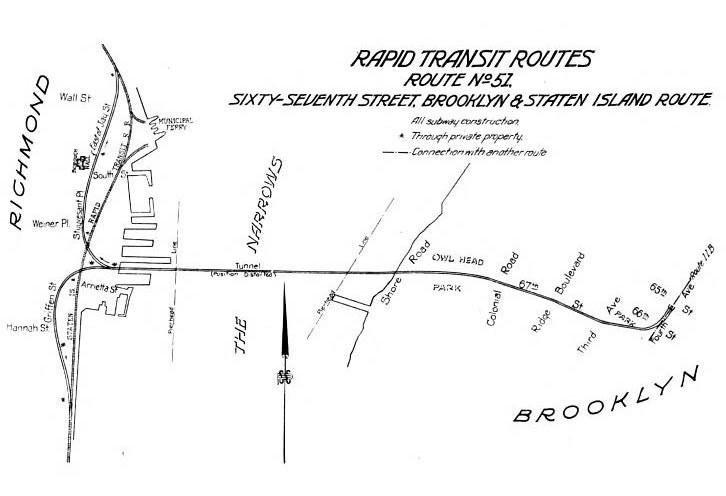
Initial plans to connect Staten Island with Brooklyn via a rail tunnel date to the late 1800s. The Baltimore & Ohio Railroad proposed a tunnel in 1888, aiming to link Staten Island Railway with Brooklyn for both freight and passenger service. The ambitious project envisioned a twin-bore tunnel approximately 1¼ miles long, lying 35 feet beneath the Narrows. Despite its potential to spark population growth and economic development, financial and political challenges prevented the project from moving beyond the planning stage (NYC Subway History).
By 1912, as the city expanded its subway system, three possible routes for a Staten Island tunnel were considered. The lack of a subway connection left Staten Island dependent on ferries, and connecting it to Brooklyn was seen as critical to the borough’s future.
The Hylan Era and Groundbreaking (1920s)
Momentum for the tunnel surged in the early 1920s under Mayor John Hylan, a strong advocate. Groundbreaking ceremonies in 1923 marked the start of excavation from both Bay Ridge, Brooklyn, and St. George, Staten Island. The Staten Island Rapid Transit electrified its lines and purchased new subway cars in anticipation of the connection. Real estate speculation and optimism surrounded the project, with the tunnel seen as a transformative link for the borough (NYC Subway History).
Construction Halt and Dormancy
Despite early progress, political disputes, funding issues, and technical difficulties stalled the tunnel. By 1925, only a few hundred feet had been excavated before Mayor Hylan cancelled the project. The Brooklyn shaft lies beneath today’s Owl’s Head Park, and the Staten Island shaft was later filled in during Saint George Terminal renovations. The 95th Street subway station in Brooklyn features a false wall—originally intended as a future tunnel connection point—still visible today (Atlas Obscura).
Later Proposals and Shifting Priorities (1930s–1960s)
Subsequent proposals centered on vehicular tunnels and bridges. The Great Depression derailed plans for a vehicular tunnel in 1929, and later reviews under Robert Moses prioritized bridges and ferry enhancements instead. The opening of the Verrazzano-Narrows Bridge in 1964 finally linked Staten Island by road but omitted any provision for rail service, further diminishing prospects for a subway tunnel (Wikipedia).
Dormant Remnants and Periodic Revival
The tunnel remains a “ghost infrastructure,” periodically revived in public debate as a solution to Staten Island’s transit isolation. Proposals in the 21st century have cited the tunnel as a way to reduce congestion and spur economic growth, but high costs and logistical concerns persist. The false wall at 95th Street station, the sealed Brooklyn shaft under Owl’s Head Park, and the filled-in Staten Island entrance serve as reminders of this unfinished ambition (NYC Subway History), (Atlas Obscura).
Visiting Staten Island Tunnel-Related Sites
While the tunnel is closed to the public, visitors can explore its history through several accessible sites:
- Owl’s Head Park (Brooklyn) Offers scenic views and historical context; the tunnel shaft is hidden beneath the park’s surface.
- 95th Street Subway Station (Brooklyn) The R line’s southern terminus features a false wall, a tangible relic of the tunnel’s intended connection.
- Saint George Terminal (Staten Island) The main ferry terminal, built over the original tunnel shaft location, is a busy transit hub and site of historical displays.
Local museums, such as the Staten Island Museum, and organizations like Staten Island Discovery Tours, occasionally offer lectures, walking tours, and events highlighting the tunnel’s story. Check with these providers for current offerings.
Staten Island Transit Connections Today
Staten Island remains the only NYC borough without direct subway access. Residents rely on:
- Staten Island Ferry Free service to Manhattan, operating 24/7 (GetYourGuide).
- Verrazzano-Narrows Bridge Main vehicular link to Brooklyn and the rest of the city.
- Staten Island Railway Local rail line connecting neighborhoods to the ferry terminal.
Efforts to improve bus and ferry service continue, but no active subway tunnel construction is planned as of 2025 (NY1).
Legacy and Historical Significance
The Staten Island Tunnel represents both the city’s ambition and the complexities of urban infrastructure. Its unfinished state has shaped the borough’s development, leaving Staten Island with a suburban character and the nickname “forgotten borough.” The tunnel remains a symbol of unrealized potential and a touchstone in debates about the borough’s future (PlanetWare), (New York YIMBY Forum).
Frequently Asked Questions (FAQ)
Q: Can I visit the Staten Island Tunnel?
A: No, the tunnel is sealed and inaccessible to the public for safety and security reasons.
Q: Are there any tours or tickets available for the tunnel?
A: No official tours or tickets for tunnel access are available. However, local museums and tour groups sometimes offer walking tours and lectures about the tunnel’s history (Staten Island Discovery Tours).
Q: Where can I see remnants of the tunnel?
A: The false wall at the 95th Street subway station in Brooklyn and the sites at Owl’s Head Park and Saint George Terminal are the most visible reminders.
Q: Are there plans to finish the tunnel?
A: While proposals surface periodically, no current plans or funding exist to complete the tunnel.
Q: How is Staten Island connected to the rest of NYC now?
A: By the Staten Island Ferry, Verrazzano-Narrows Bridge, and local rail and bus services.
Practical Visitor Information
Getting There
- Staten Island Ferry Free, frequent departures from Manhattan’s Whitehall Terminal to St. George.
- Owl’s Head Park Accessible via the R train to Bay Ridge, then a short walk.
- Saint George Terminal Main hub for ferries, buses, and the Staten Island Railway.
Nearby Attractions
- Staten Island Museum Exhibits on local and transit history (Staten Island Museum).
- National Lighthouse Museum Maritime heritage near the ferry terminal (National Lighthouse Museum).
- Snug Harbor Cultural Center Museums, gardens, and historic buildings (GetYourGuide).
Accessibility
- The ferry and most museums are wheelchair accessible.
- Guided walking tours are generally suitable for visitors with moderate mobility; check with providers for details.
Best Times to Visit
- Spring and fall for mild weather and fewer crowds.
- Weekdays for less congestion at museums and on the ferry.
- Special events, like the Tunnel to Towers 5K, may impact local transit and crowds (Tunnel to Towers 5K).
Safety
- Do not attempt to enter or explore the tunnel on your own; it is illegal and dangerous.
- Stick to public areas and guided tours for the best experience.