

The Stuyvesant Legacy and Colonial Beginnings
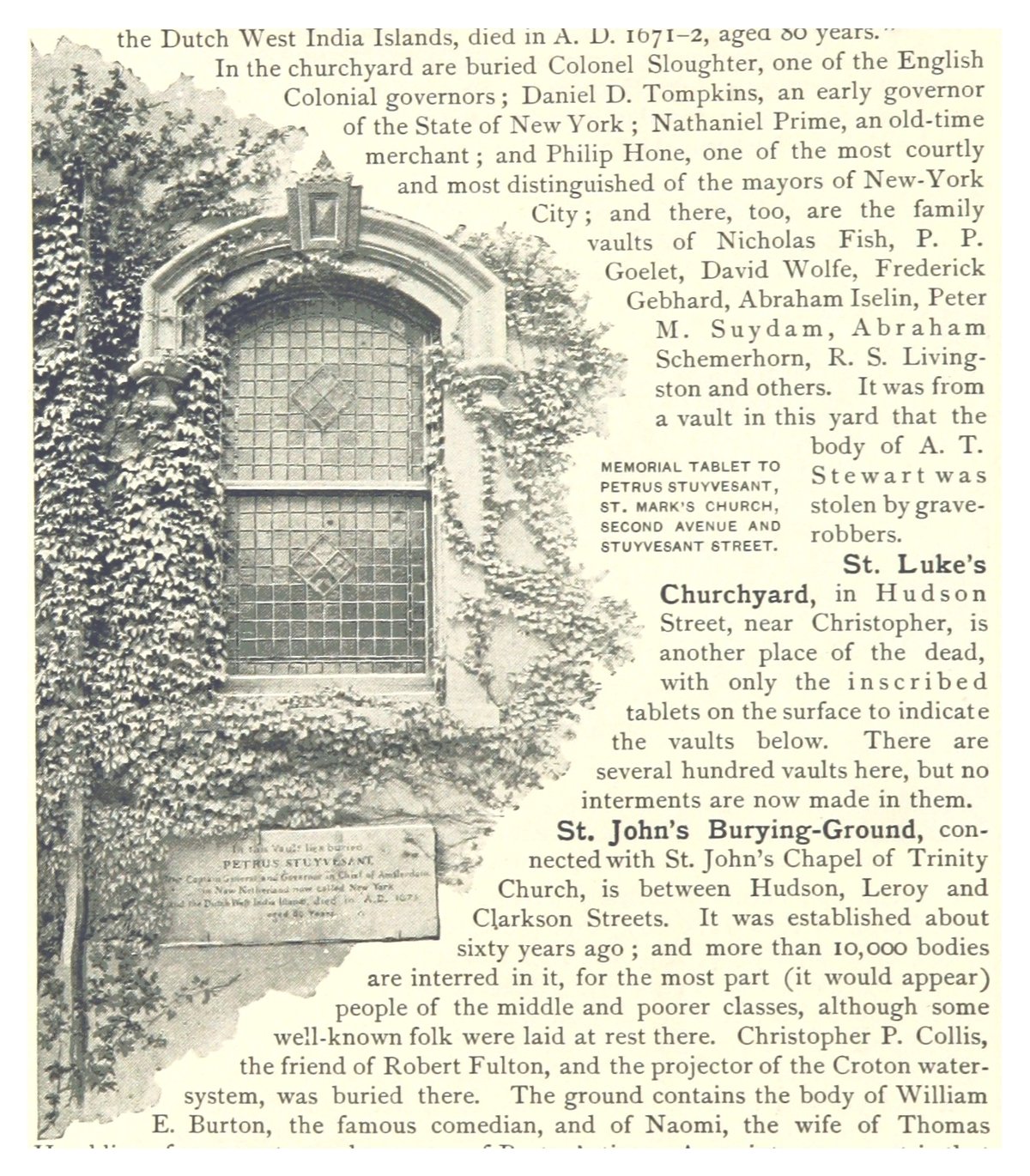
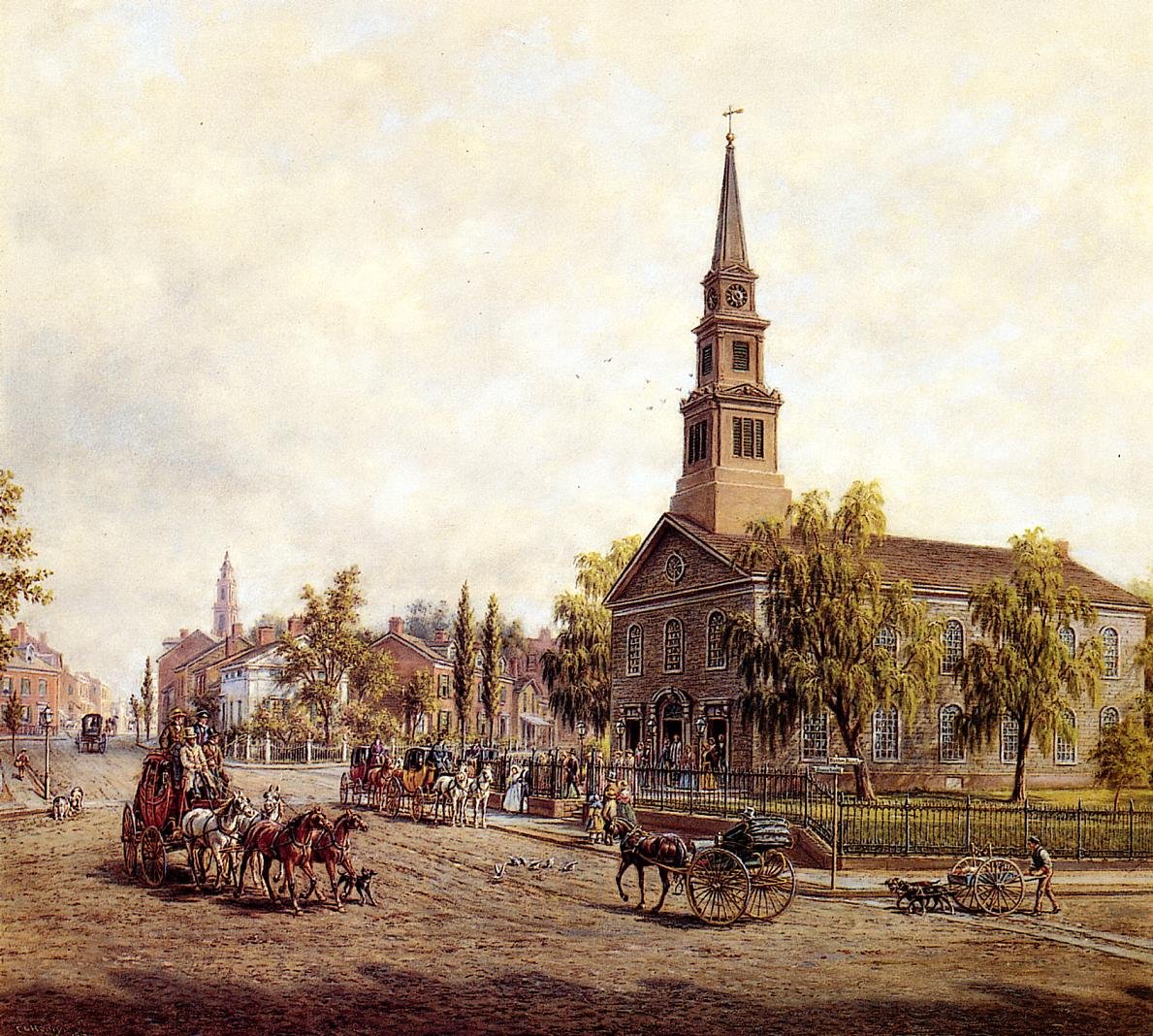
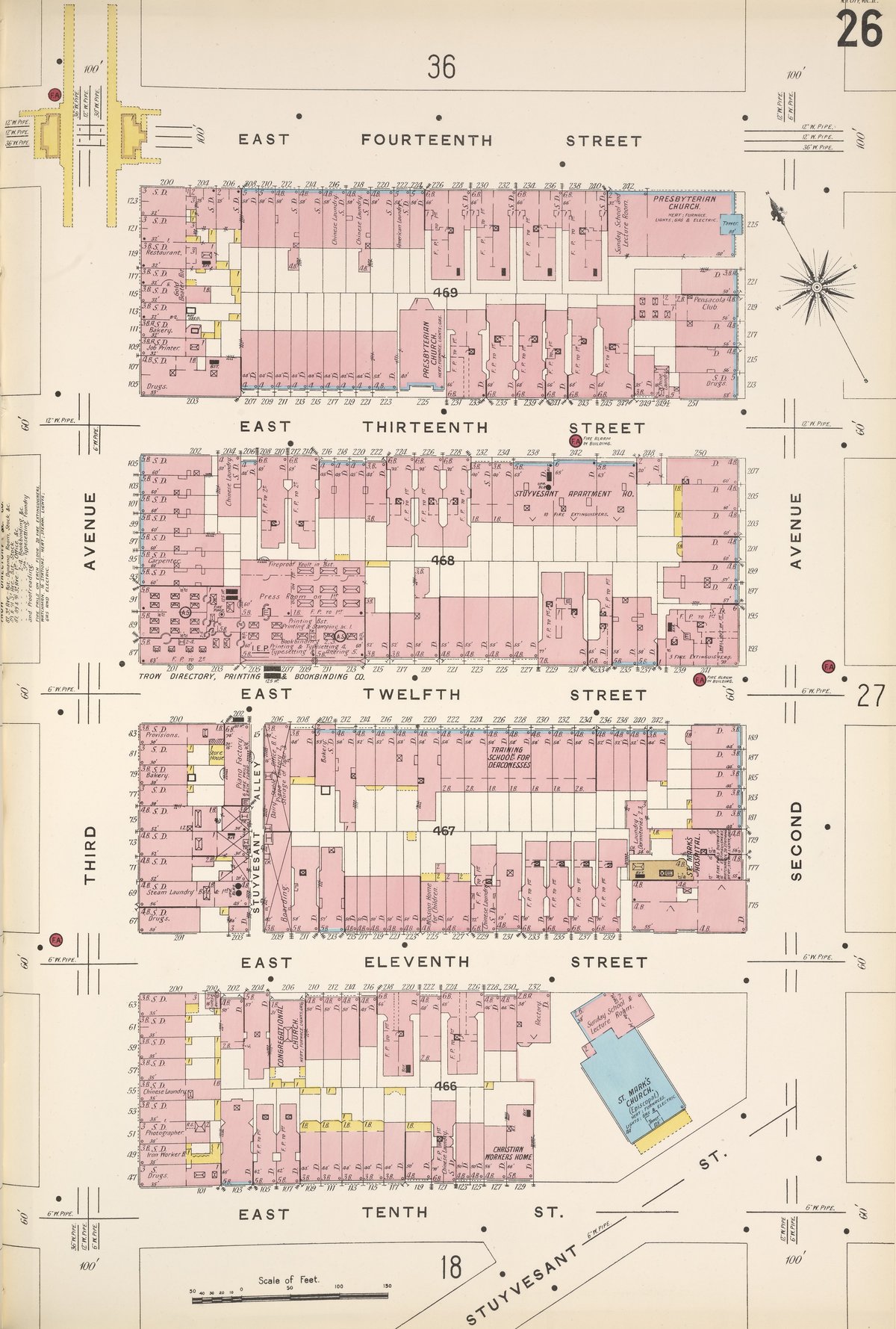
The land on which St. Mark’s sits was originally part of Peter Stuyvesant’s “bouwerij” (farm), acquired in 1651. In 1660, Stuyvesant built a family chapel here, which served as the nucleus for centuries of worship (Lonely Planet). Stuyvesant, the last Dutch Director-General of New Netherland, was buried in a vault beneath this chapel in 1672. The orientation of the church and the presence of Stuyvesant Street, the only diagonal in the area, reflect the original layout of the Stuyvesant estate (Time Out NY; New York Latin Culture Magazine).
Transition to Episcopal Parish and Early Construction
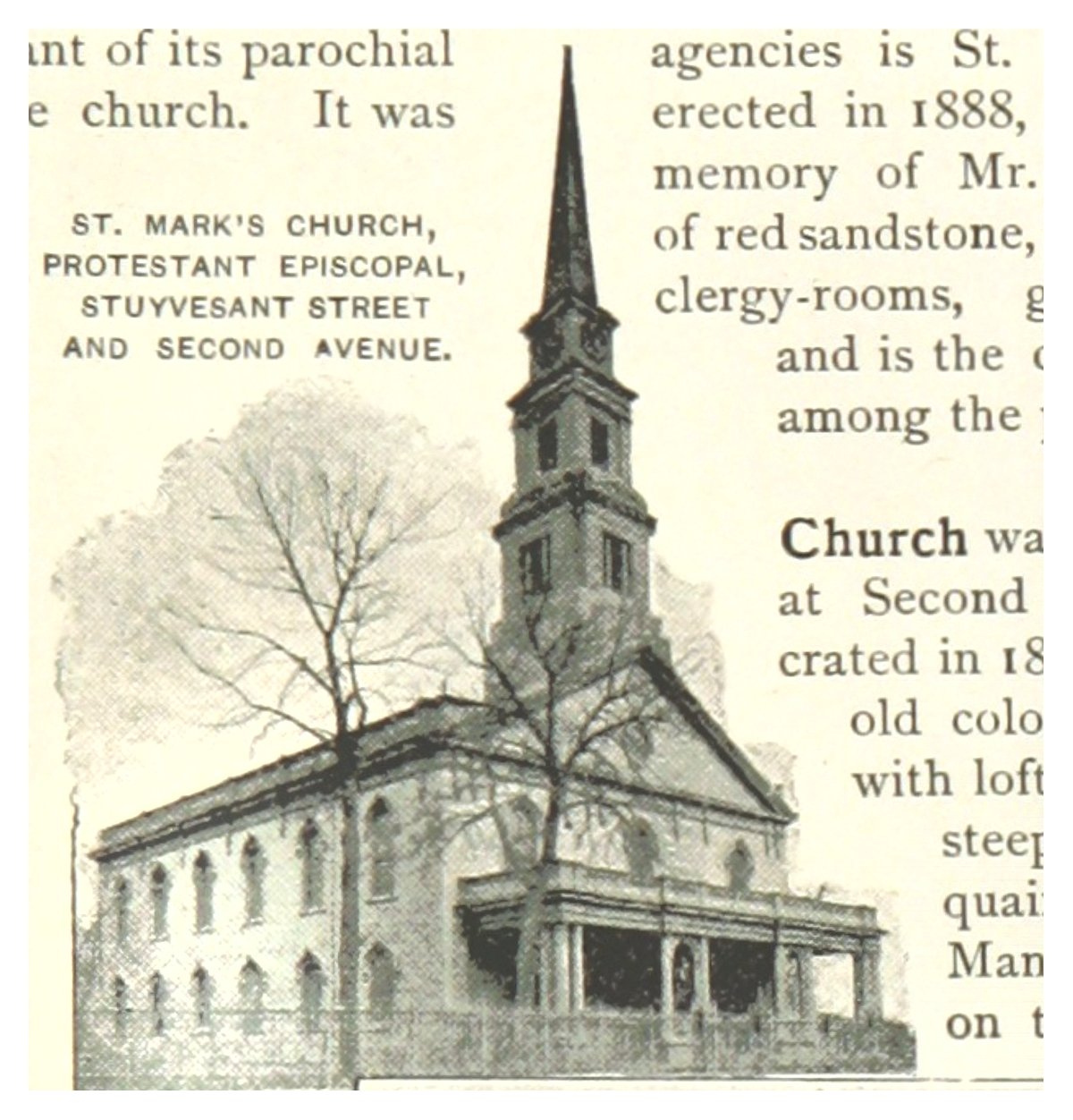
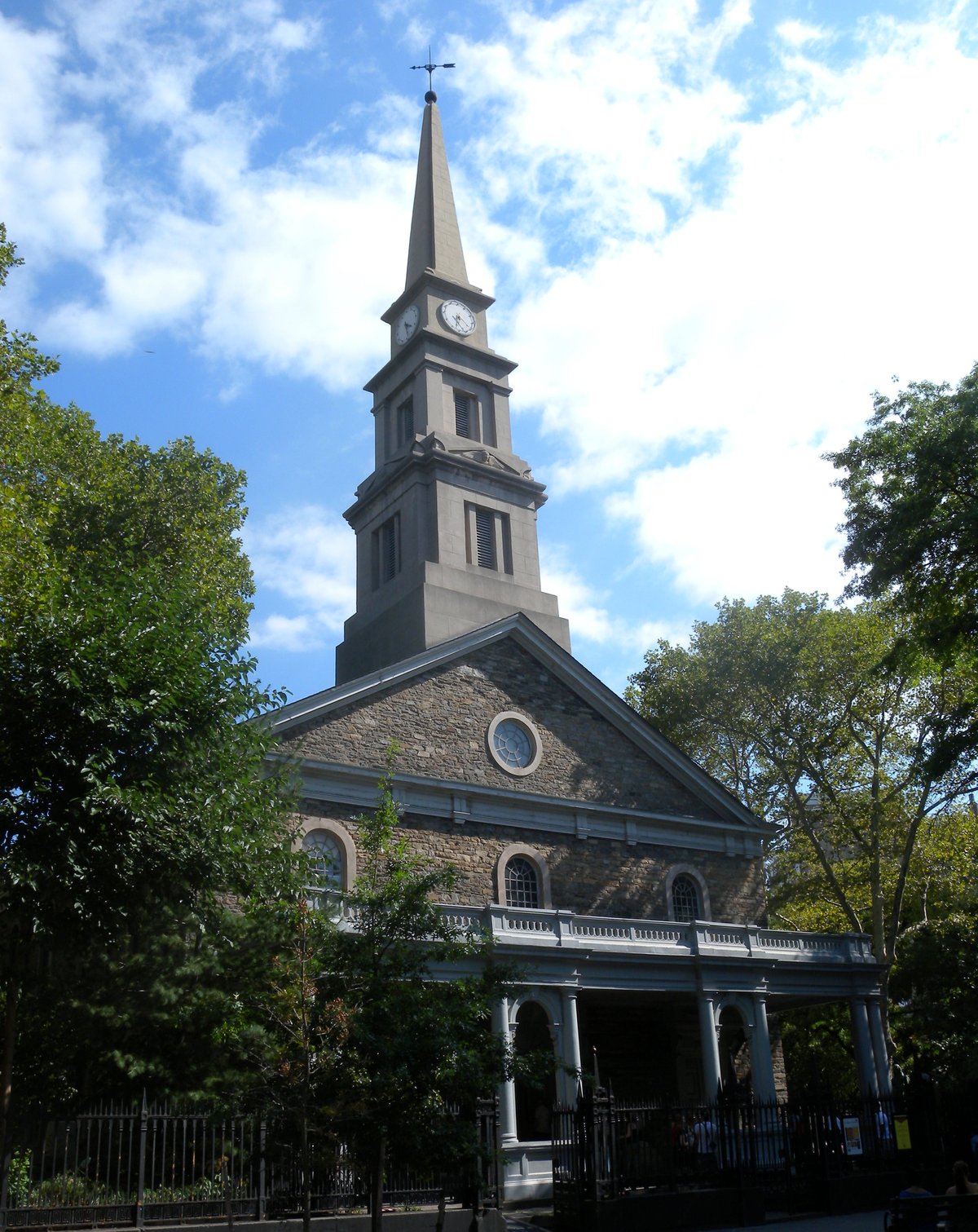
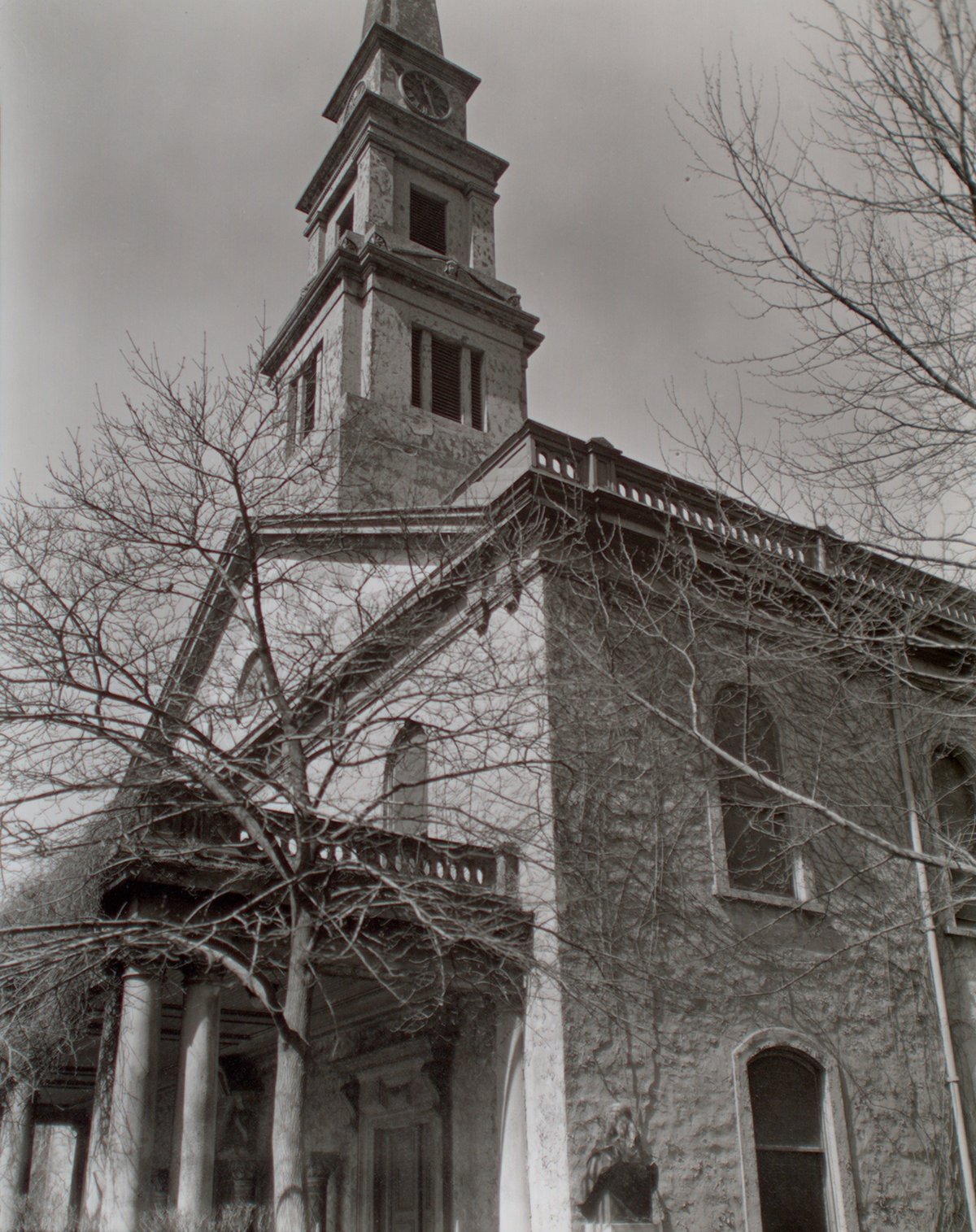
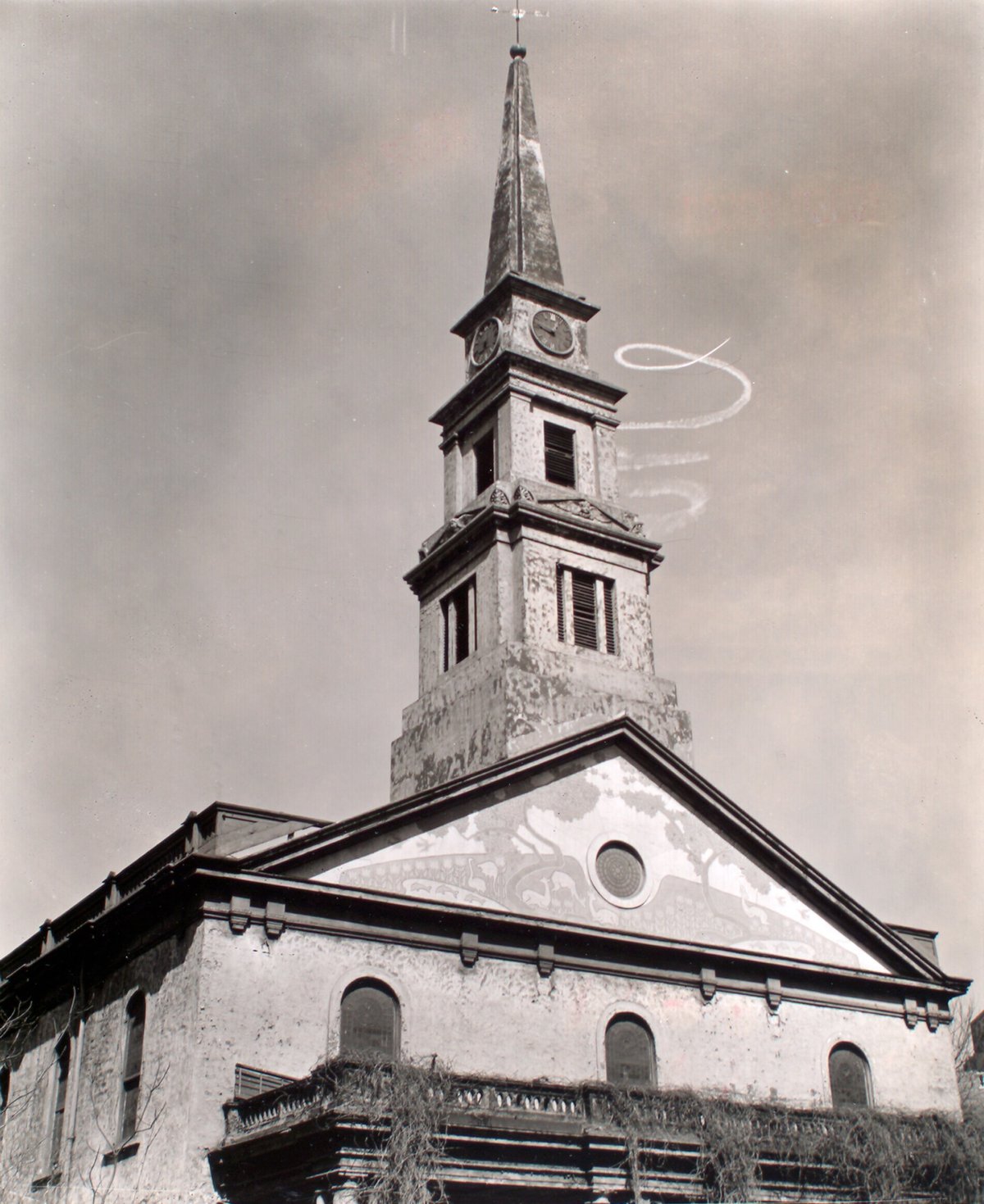
After more than a century as a family chapel, the property was sold by Stuyvesant’s descendants to the Episcopal Church in 1793. The parish was incorporated in 1795, with Alexander Hamilton instrumental in its establishment as the first Episcopal parish independent of Trinity Church (Time Out NY). Construction of the current church began the same year, and was completed in 1799 under the direction of architect John McComb Jr., exemplifying late Georgian design (WB Melvin Architects; NYC Preservation Archive Project).
Architectural Evolution and Notable Features
St. Mark’s Church is a living showcase of New York’s architectural trends:
- Federal/Georgian Foundation The original structure features fieldstone with round-arched windows and restrained ornamentation typical of the Federal style.
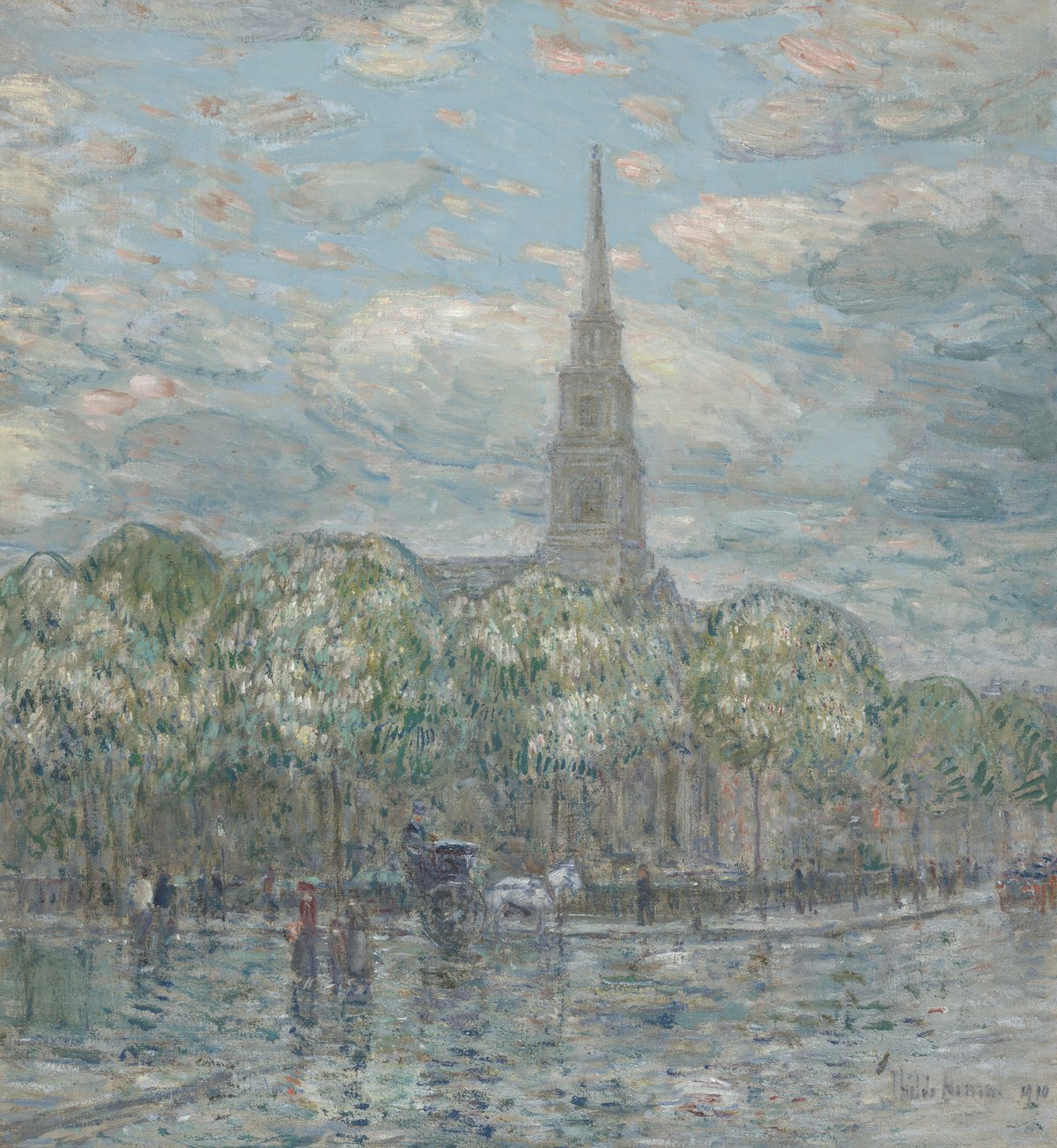
- Greek Revival Steeple (1828) Added by Ithiel Town and Martin Euclid Thompson, introducing new stylistic elements (WB Melvin Architects).
- Egyptian Revival Columns (1836) Square pillars in the sanctuary were replaced with slender columns inspired by Egyptian motifs (NYC Preservation Archive Project).
- Cast Iron Portico (1858) Designed by James Bogardus, this Italianate feature is one of the city’s earliest uses of cast iron in ecclesiastical architecture.
- Parish Hall and Later Additions John C. Tucker and James Renwick Jr. contributed to the expansion and adaptation of the church’s facilities into the late 19th century.
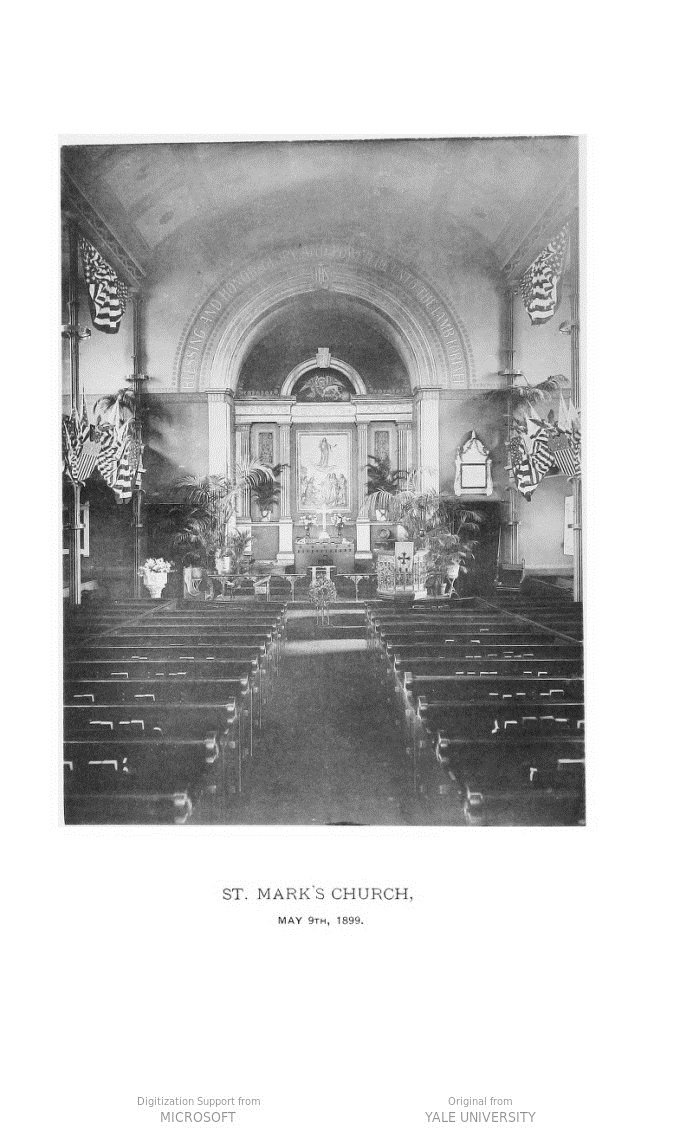
Other highlights include the 1838 cast and wrought iron fence, fieldstone and brick additions, and period furnishings and memorials inside the church (WB Melvin Architects; US Ghost Adventures).
Landmark Status and Preservation Efforts
Recognized for its architectural and historical significance, St. Mark’s was designated a New York City Landmark in 1966 and included in the St. Mark’s Historic District in 1969 (NYC Preservation Archive Project). The church is also listed on the National Register of Historic Places. Despite challenges such as a major fire in 1978 (NY Times), restoration projects—such as the 2012–2017 portico restoration—have preserved its legacy and improved accessibility (WB Melvin Architects).
Cultural Significance & Community Engagement
The Arts: Dance, Poetry, Theater, and Visual Arts
Since the early 20th century, St. Mark’s has been a center for artistic innovation:
- Dance Hosted performances by Isadora Duncan and Martha Graham; home to the Danspace Project, which has premiered hundreds of new works (Village Preservation).
- Poetry The Poetry Project, founded in 1966, has featured readings by Allen Ginsberg, Patti Smith, and more (Time Out NY).
- Theater and Visual Arts Avant-garde theater groups such as Ontological-Hysteric Theater have called St. Mark’s home, alongside exhibitions and installations (NYC Preservation Archive Project).
Social Justice and Community Programs
St. Mark’s continues a long tradition of activism and social service, offering programs for migrants, the unhoused, and supporting social justice causes (St. Mark’s Church). The church’s inclusive ethos is reflected in its worship, outreach, and partnerships with local organizations.
The Churchyard and Historic Cemetery
The churchyard is one of Manhattan’s oldest burial grounds, with interments dating to the 17th century. Peter Stuyvesant’s tomb and the graves of other notable New Yorkers make the grounds a tranquil and historically rich retreat (NYC Cemetery Project). Sculptures, a historic clock mechanism, and a playground add to the layered ambiance.
Visiting Information: Hours, Tickets, Accessibility, and Tours
- Visiting Hours St. Mark’s is generally open Monday to Friday, 9:00 AM–5:00 PM, and weekends 10:00 AM–4:00 PM. Hours may vary for holidays or events; always confirm on the official website.
- Admission Free. Donations are welcome to support preservation and programming.
- Guided Tours Offered periodically; check the website or inquire onsite for availability.
- Accessibility Ramps and accessible restrooms are available, though some areas may be limited due to historic preservation (WB Melvin Architects).
- Getting There 131 East 10th Street, near Astor Place (6 train), 8th Street–NYU (R, W trains), and 2nd Avenue (F train). Bus routes and pedestrian access are excellent (Responsible New York).
- Photography Permitted in most areas, except during services or private events.
Practical Visitor Tips & Nearby Attractions
- Dress Code No strict dress code, but respectful attire is encouraged.
- Etiquette Maintain quiet, especially during services. Ask for permission before photographing events.
- Safety The East Village is lively and safe; stay alert for traffic and cyclists (The Globetrotting Teacher).
- Nearby Attractions Tompkins Square Park, Merchant’s House Museum, Cooper Union, and the vibrant dining scene (Sunset Travellers).
- Special Events From outdoor concerts to Open House NY tours, check the church calendar for unique experiences.
Frequently Asked Questions (FAQs)
Q: What are St. Mark’s Church In-The-Bowery visiting hours?
A: Generally Monday–Friday 9:00 AM–5:00 PM, weekends 10:00 AM–4:00 PM, but check the official website for the latest.
Q: Is there an entrance fee?
A: No, entry is free; donations are encouraged.
Q: Are guided tours available?
A: Yes, periodically. Confirm via the website or onsite.
Q: Is St. Mark’s accessible to people with disabilities?
A: Yes, with ramps and accessible restrooms, though some areas may have limited access.
Q: Can I take photos inside the church?
A: Yes, except during services or private events.
Q: What are nearby sites to visit?
A: Tompkins Square Park, Merchant’s House Museum, Cooper Union, and East Village’s eclectic shops and eateries.