
The Founding Era (1946–1960s)
Quo Vadis opened its doors at 26 East 63rd Street, led by Bruno Caravaggi and Gino Robusti—veterans of the 1939 World’s Fair Belgian pavilion. Departing from the era’s typical French or Italian establishments, they pioneered a Continental menu, with signature dishes like fondue bruxelloise and veal scaloppine (Vanity Fair). The restaurant’s understated elegance and intimate bar, accessible through a Roman mosaic entryway, helped foster a loyal clientele and set it apart from contemporaries.
Social and Cultural Significance
Quo Vadis became a hub for New York’s high society and creative circles. The famed “ladies who lunched,” including style icons like Diana Vreeland, found a second home here, drawn by its privacy, attentive service, and discretion. The restaurant embodied the postwar trend of the “power lunch,” where pivotal business and social relationships were forged (Vanity Fair).
Its founders, Italian immigrants, channeled New York’s multicultural spirit into both the kitchen and the dining room, reflecting and shaping the city’s evolving identity (iExplore).
Reputation and Critical Acclaim
In 1968, Quo Vadis received a coveted four-star rating in The New York Times restaurant guide, cementing its status among the city’s elite dining institutions (eGullet Forums). Its blend of culinary excellence, inviting atmosphere, and accessible glamour attracted a diverse mix of celebrities, artists, and neighborhood regulars.
Evolution, Competition, and Closure
The rise of new dining hotspots in the 1970s, notably Le Cirque, reflected shifting tastes and increasing competition. Despite this, Quo Vadis maintained its loyal following until its closure in 1982. The loss was keenly felt—Diana Vreeland wrote, “There is no place that we can think of that will compare to it” (Vanity Fair).
The Legacy of Quo Vadis
Quo Vadis’s influence resonates in New York’s ongoing dining evolution. It helped elevate Italian cuisine to haute status and set standards for hospitality, ambiance, and the art of the power lunch. Its story endures in archival menus at the New York Public Library and in the collective memory of those who experienced its golden era.
Visiting the Historic Site: Practical Information
Location & Accessibility
- Address 26 East 63rd Street (near Madison Avenue), Upper East Side, Manhattan (Wikipedia)
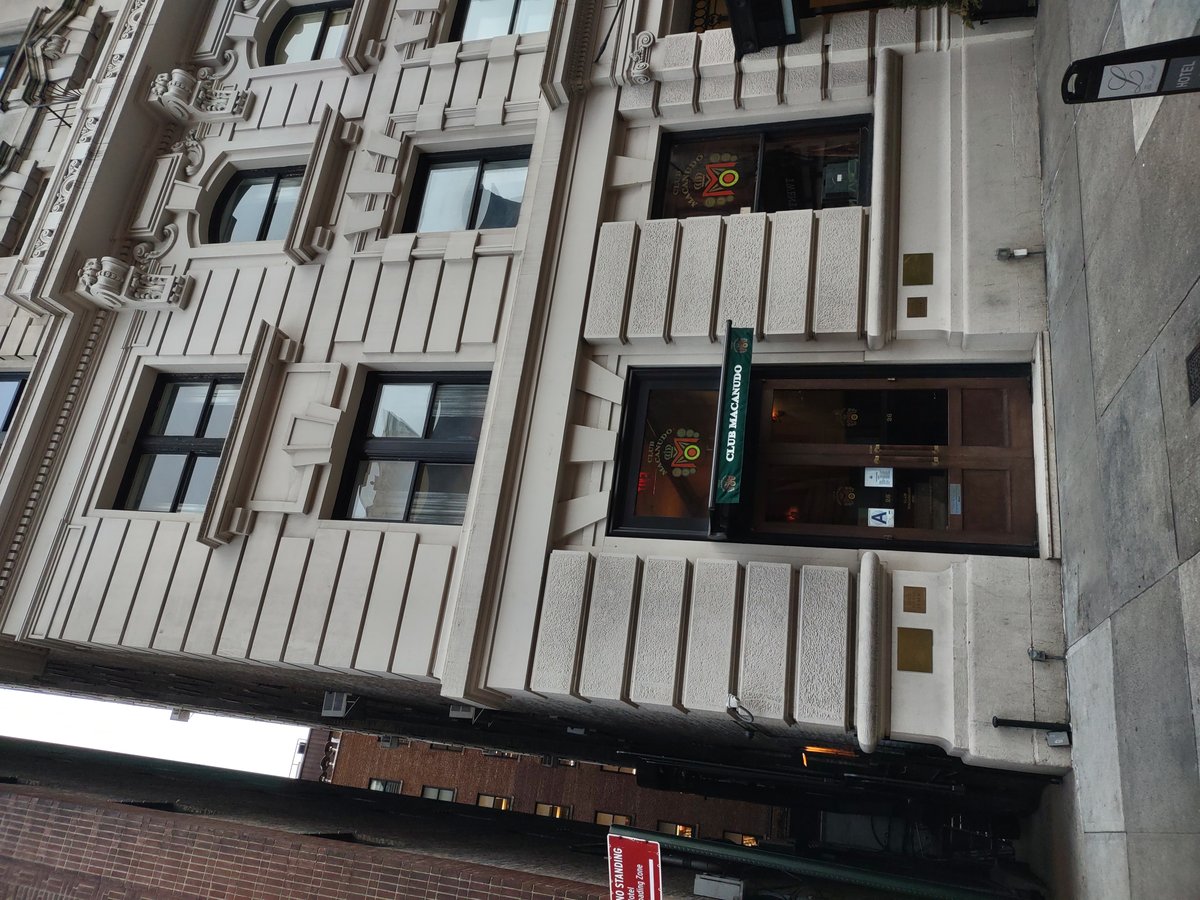
- Current Use Now home to Club Macanudo, an upscale cigar lounge with a formal dress code and age restriction (21+) (Wikipedia)
- Public Transit Subway lines 4, 5, 6 at 59th Street/Lexington Avenue, and 6 at 68th Street–Hunter College; bus routes on Madison and Lexington Avenues (NYC Subway Map)
Visiting Tips
- Viewing The historic façade is visible from the street at any time.
- Entry Club Macanudo is open to patrons 21+ with business casual or formal attire; reservations recommended.
- Accessibility Most of the neighborhood is wheelchair accessible. Contact venues in advance for specific needs.
- Safety The Upper East Side is a safe, well-lit area with a strong police presence (NYC Travel Guide).
Dress Code & Etiquette
- Attire Club Macanudo and nearby fine dining venues uphold a tradition of refined dress.
- Etiquette Tipping 18–20% is expected. Politeness and respect toward staff are appreciated (NYC Tipping Guide).
Photography & Memorabilia
- Photos The building’s exterior is a popular spot for historical photos.
- Archives Explore digitized menus and memorabilia in the NYPL Baratta Menu Collection.
Nearby Attractions and Culinary Alternatives
Attractions
- Central Park Ideal for walks or picnics.
- The Metropolitan Museum of Art World-renowned art institution (Met Museum).
- Museum Mile Home to the Guggenheim and other major museums.
- Madison Avenue Famous for luxury shopping.
Dining Alternatives
- La Grenouille Elegant French dining (La Grenouille)
- Le Bernardin Michelin-starred seafood restaurant (Le Bernardin)
- Daniel Contemporary French cuisine by Chef Daniel Boulud (Daniel NYC)
- Rao’s, Carbone, Il Gattopardo For Italian cuisine reminiscent of Quo Vadis (Jot101)
Frequently Asked Questions (FAQ)
Q: Can I visit Quo Vadis today?
A: Quo Vadis closed in 1982. The building is now Club Macanudo; visitors can view the exterior or visit the lounge (21+).
Q: Are there tours about Quo Vadis?
A: Some Upper East Side walking tours include the site in discussions of NYC’s culinary history (NYC.com Visitor Guide).
Q: What is the dress code at Club Macanudo?
A: Business casual or formal attire is required; shorts and athletic wear are discouraged.
Q: Are there exhibits or archives on Quo Vadis?
A: The NYPL Digital Collections house original menus and memorabilia.
Q: What are the best nearby Italian dining options?
A: Rao’s, Carbone, and Il Gattopardo are top choices for upscale Italian dining.
Discover More
Quo Vadis remains a luminous chapter of New York’s golden age—where Continental cuisine, elegant hospitality, and vibrant community shaped the city’s identity. While the restaurant no longer operates, its spirit lives on in archival collections, the memories of patrons, and the ongoing evolution of Manhattan’s dining scene.
To dive deeper into New York’s culinary and cultural history, download the Audiala app for curated guides and immersive audio tours. Follow us on social media for updates, stories, and inspiration as you explore the city’s legendary past.