Introduction: The Permanent Mission of Turkey to the United Nations—History and Significance
Located at 821 United Nations Plaza in Manhattan, the Permanent Mission of Turkey to the United Nations is an essential pillar of Turkey’s diplomacy and engagement within the UN framework. Established in 1947, shortly after Turkey became one of the original signatories of the United Nations Charter in 1945, the Mission has played a continuous role in shaping international peace, security, and development. Its home, the Turkish House (Türkevi Center), is both a cultural and architectural landmark, completed in 2021 to symbolize Turkey’s blend of tradition and modernity.
This guide provides a comprehensive overview of the Mission’s historical evolution, its significant role within the UN, and the architectural and cultural importance of the Turkish House. It also includes essential travel information—visiting hours, access protocols, and tips for experiencing the area. Whether you are a diplomat, researcher, or interested visitor, this report offers valuable insights into Turkey’s presence at the United Nations.
For more details, refer to the Official Turkish Permanent Mission Website, the United Nations Member States page, and Turkish House (Türkevi Center) on Wikipedia.
Turkey’s Early Engagement with the United Nations
Turkey’s relationship with the United Nations began in 1945 when it became one of the original 51 signatories of the UN Charter. This foundational step marked Turkey as an active participant in the postwar international order and committed it to the principles of peace, security, and cooperation (Official Turkish Mission Website).
Establishment of the Turkish Permanent Mission in New York
Formal diplomatic operations commenced on August 15, 1947, when Ambassador Selim Sarper presented his letter of credence to the UN Secretary-General. From its inception, the Mission was designed to represent Turkey’s interests in global affairs, particularly in the realms of security, peacekeeping, and sustainable development (United Nations Member States).
Evolution of Turkish Diplomatic Representation
Early Years and Cold War Era
During its formative years, the Mission navigated the complexities of the Cold War, leveraging Turkey’s strategic position as a bridge between East and West. As a NATO member since 1952, Turkey’s diplomats advocated for the UN Charter’s principles and contributed to foundational UN initiatives.
Expansion and Modernization
As the UN’s agenda broadened to address decolonization, human rights, and economic development, Turkey’s Mission adapted, expanding its expertise and deepening its involvement in UN bodies and committees. Over time, the Mission professionalized, employing diplomats with expertise in disarmament, humanitarian affairs, and international law to articulate Turkey’s evolving interests.
Notable Permanent Representatives and Current Leadership
Since its establishment, the Turkish Mission has been led by a series of distinguished diplomats, including:
- Selim Sarper (first Permanent Representative, 1947)
- Ahmet Yıldız (current Permanent Representative as of April 2024)
Ambassador Yıldız oversees Turkey’s engagement on pressing global issues such as climate change, migration, and international security (Turkish Ministry of Foreign Affairs).
Turkey’s Roles in the UN Security Council and General Assembly
Turkey has served as a non-permanent member of the UN Security Council four times: 1951–1952, 1954–1955, 1961, and 2009–2010. The Mission has been central to Turkey’s advocacy for peaceful conflict resolution, support for peacekeeping operations, and promotion of multilateral dialogue (UN Security Council Membership).
Beyond the Security Council, the Mission actively contributes to the General Assembly and specialized UN agencies, engaging in negotiations on sustainable development, human rights, humanitarian assistance, and disarmament. The Mission also coordinates Turkey’s ties with agencies like UNICEF and UNDP in New York and maintains a parallel presence at the United Nations Office in Geneva (UN Specialized Agencies).
Institutional Structure and Location
The Mission is headquartered at 821 United Nations Plaza, distinct from the Turkish Consulate-General in New York, and serves as the operational center for Turkish diplomats and staff. Facilities include meeting spaces for diplomatic activities and cultural events (Google Maps Location of Turkish Permanent Mission).
Visiting Hours and Access
The Mission primarily functions as a diplomatic office, with visits by appointment only. While public tours are not routinely available, occasional cultural events and exhibitions offer opportunities for public engagement. For up-to-date visiting arrangements, contact the Mission in advance.
Milestones and Key Contributions
- Peacekeeping: Turkey has contributed to numerous UN peacekeeping operations and helped shape peacekeeping mandates.
- Humanitarian Diplomacy: The Mission highlights regional humanitarian crises and mobilizes support for affected populations.
- Sustainable Development: Turkey actively advances the 2030 Agenda for Sustainable Development, focusing on education, health, and economic growth.
Visitor Information and Nearby Attractions
While access to the Mission itself is limited, the surrounding area offers several notable destinations:
- United Nations Headquarters: Guided tours available (UN Guided Tours)
- Dag Hammarskjöld Plaza: A public space often used for diplomatic gatherings
- Chrysler Building, Grand Central Terminal, and East River Esplanade: All within walking distance
The Diplomatic and Architectural Significance of the Turkish House (Türkevi Center)
Diplomatic Role
The Turkish House is the operational base for both the Permanent Mission and the Consulate General. It serves as a hub for Turkey’s diplomatic, multilateral, and cultural activities, especially during major events like the annual UN General Assembly. The building also provides a venue for bilateral meetings, cultural programs, and community outreach.
Architectural Features
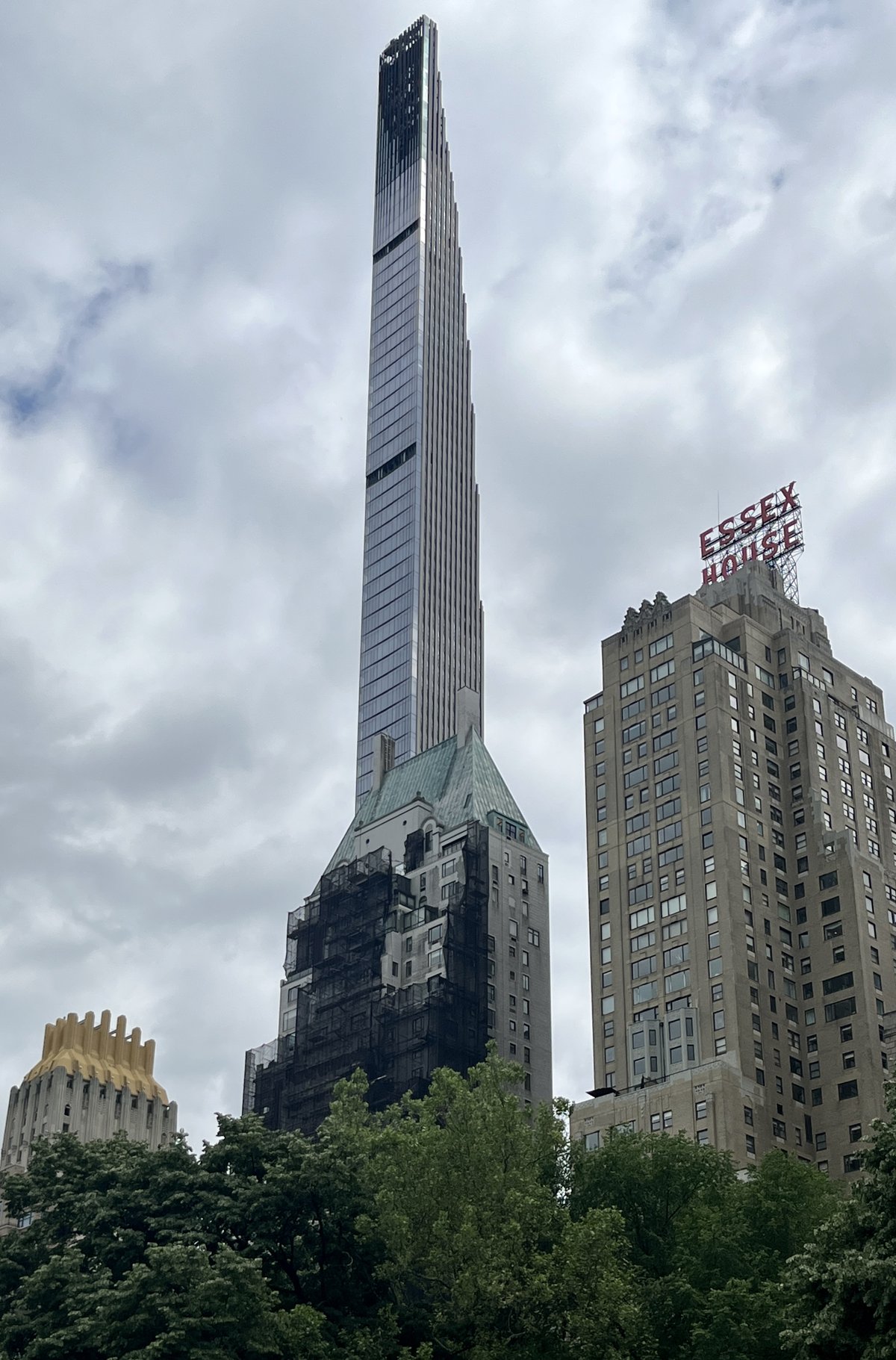
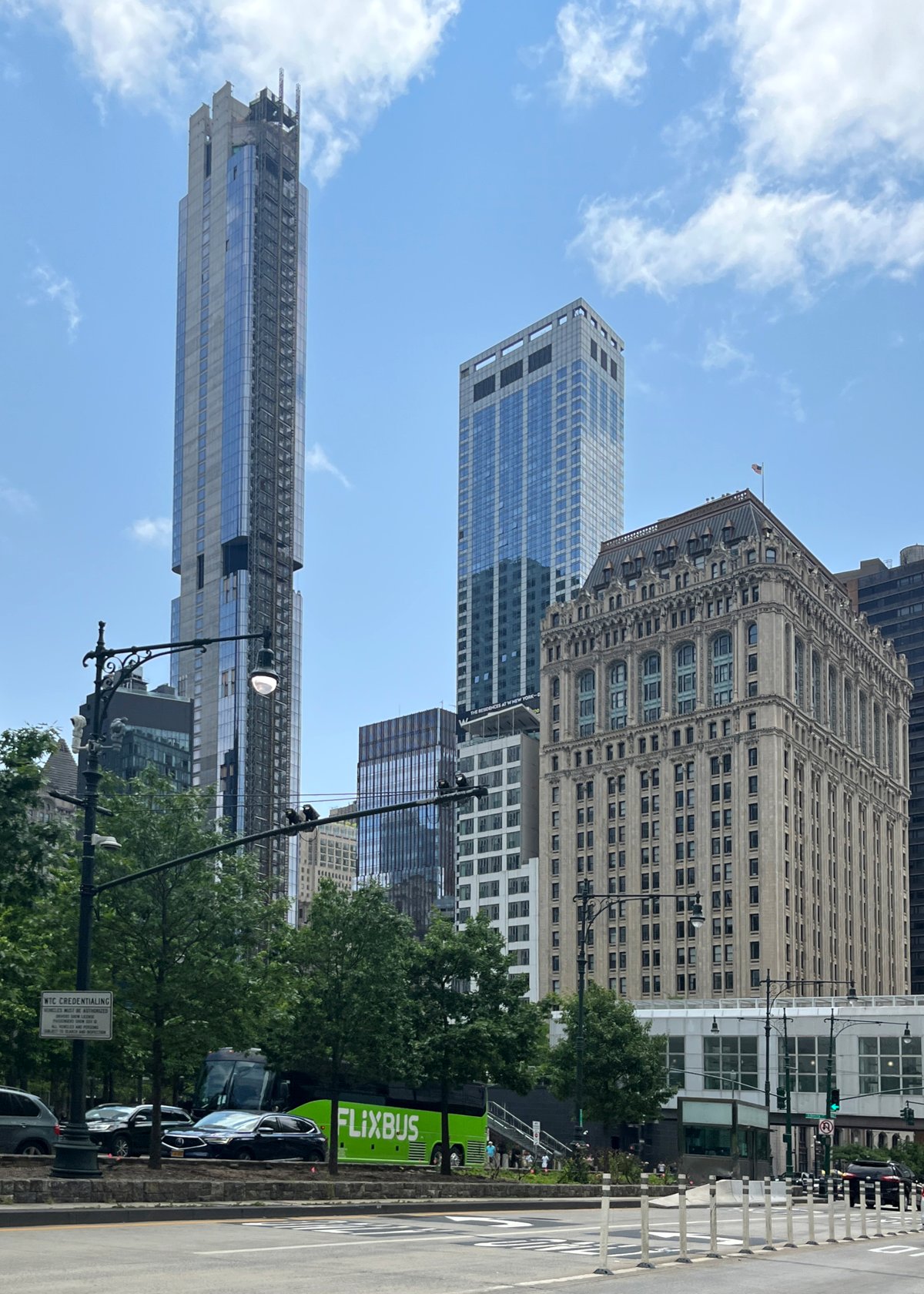
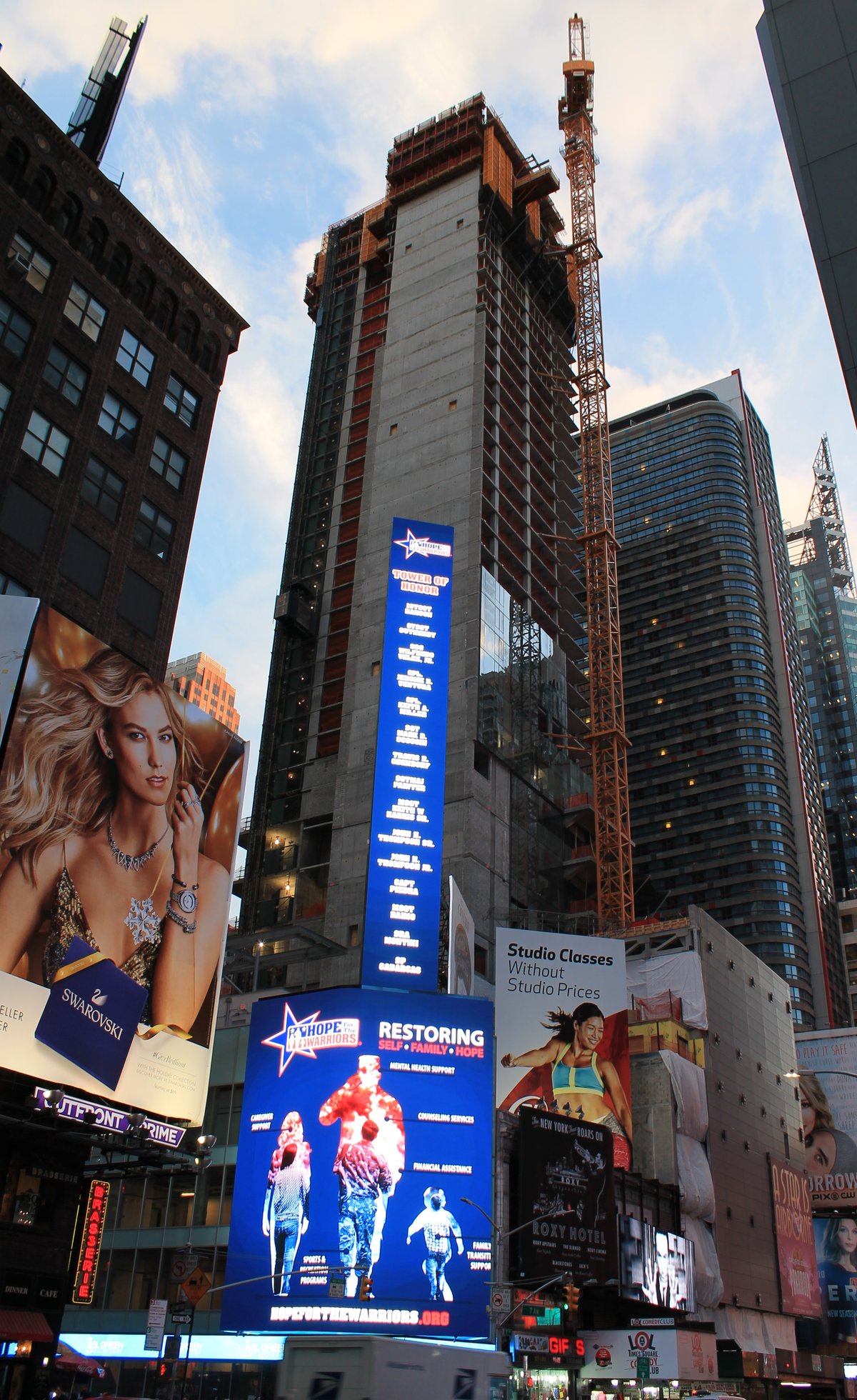
Completed in 2021, the Turkish House stands 561 feet tall with 36 floors, making it one of the city’s prominent diplomatic structures. Designed by Perkins Eastman, its curved façade echoes the crescent of Turkey’s flag, and the tulip-shaped crown references a symbol of Turkish cultural heritage. The building’s interior features Seljuk patterns and state-of-the-art facilities, including auditoriums, exhibition spaces, residential apartments, and terraces with panoramic views (Turkish House (Türkevi Center) on Wikipedia).
Public Events and Accessibility
Though primarily a diplomatic facility, the Turkish House occasionally hosts public cultural events and exhibitions. Public access is otherwise limited and subject to strict security protocols. For information about upcoming events, visitors should check the Mission's official website and social media channels.
Visitor Guide: Access, Security, and Tips
Appointments and Entry
- Visits require advance appointment; walk-ins are not permitted.
- Valid photo ID is mandatory for entry.
- Security screening is standard; large bags and certain items are prohibited.
Accessibility
- The area is accessible by public transportation: Grand Central–42nd Street subway station is nearby, as are several bus routes.
- The building features ramps, elevators, and accessible facilities.
Dress Code and Conduct
- Professional or smart casual attire is expected.
- Respectful conduct is required; photography is generally restricted to public event spaces.
Practical Tips
- Book in advance for UN Headquarters tours via UN Visitor Services.
- Arrive early to allow for security.
- Consider combining your visit with nearby attractions for a richer experience.
Frequently Asked Questions (FAQs)
Q: Where is the Turkish Permanent Mission to the United Nations?
A: 821 United Nations Plaza, New York, NY 10017, near the UN Headquarters.
Q: Can the public tour the Turkish Mission or Turkish House?
A: Public tours are not regularly offered; visits require an appointment. Occasional public events are announced on the Mission's website.
Q: Who is the current Permanent Representative?
A: Ambassador Ahmet Yıldız (as of April 2024).
Q: What are the Turkish House’s main features?
A: The building includes diplomatic offices, event spaces, and residences. Its design reflects Turkish cultural motifs and modern architecture.
Q: Is the area accessible?
A: Yes, via subway, bus, and accessible pedestrian routes.
Discover More
For the latest updates on visiting arrangements, upcoming events, and Turkey’s activities at the UN, follow the Mission’s official channels and visit their website. Download the Audiala app for interactive guides and event notifications. Stay informed and make the most of your visit to New York’s diplomatic district!
Listen to the full story in the app
Your Personal Curator, in Your Pocket.
Audio guides for 1,100+ cities across 96 countries. History, stories, and local insight — offline ready.
Audiala App
Available on iOS & Android
Join 50k+ Curators
Sources
- verified
- verified
- verified
- verified
- verified
- verified
- verified
Last reviewed: