


Origins and Purpose
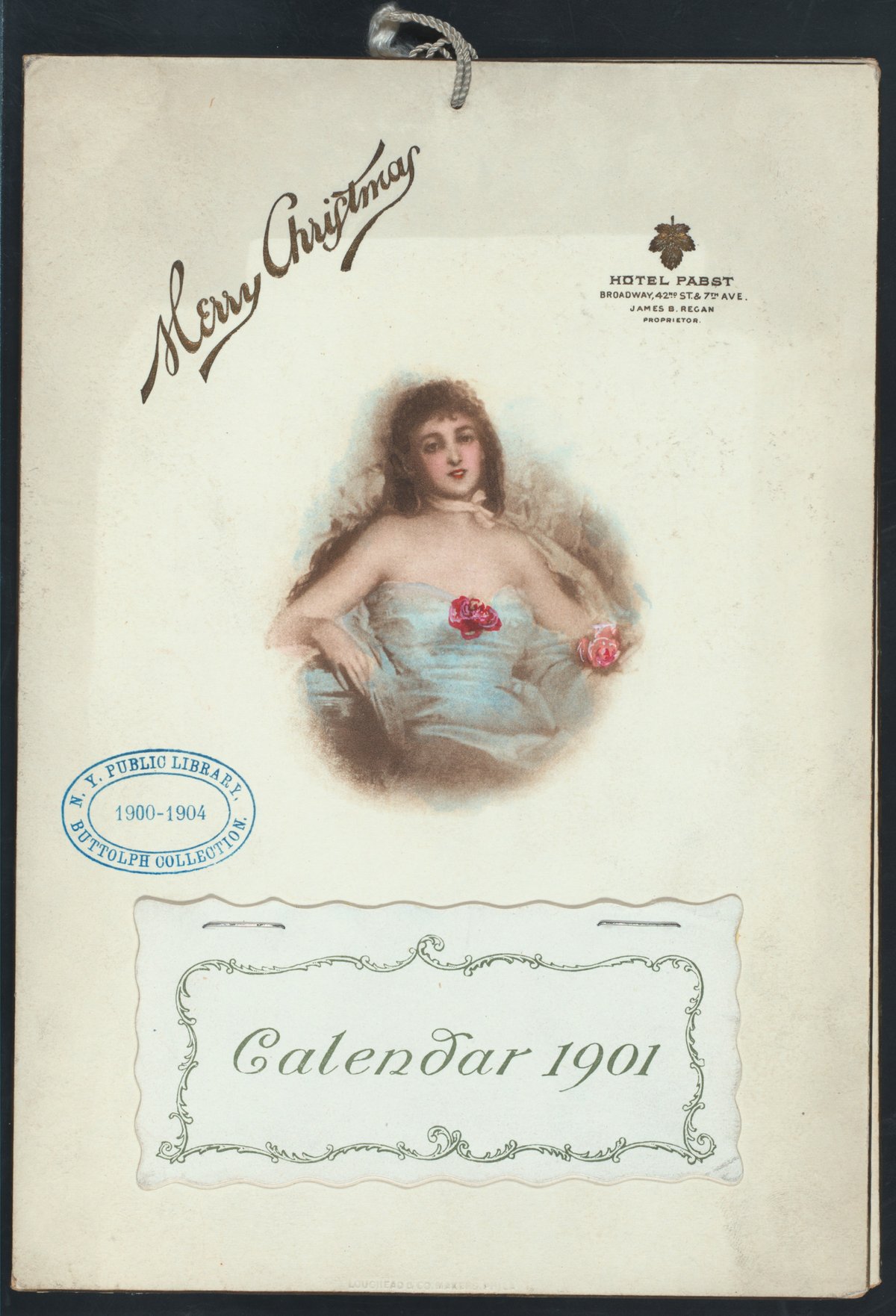
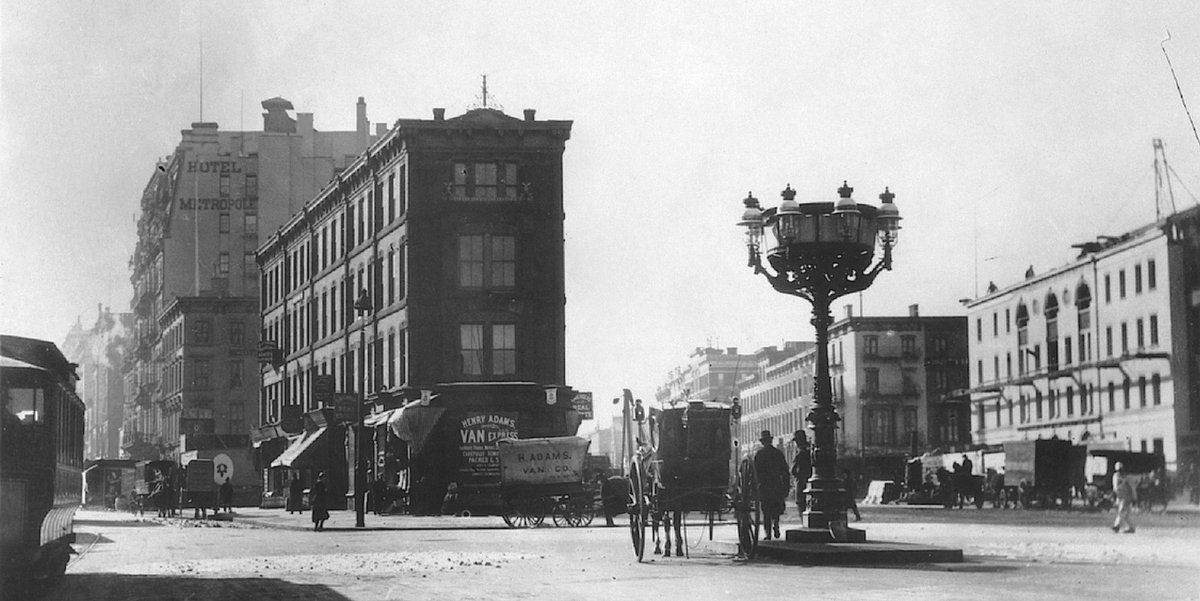
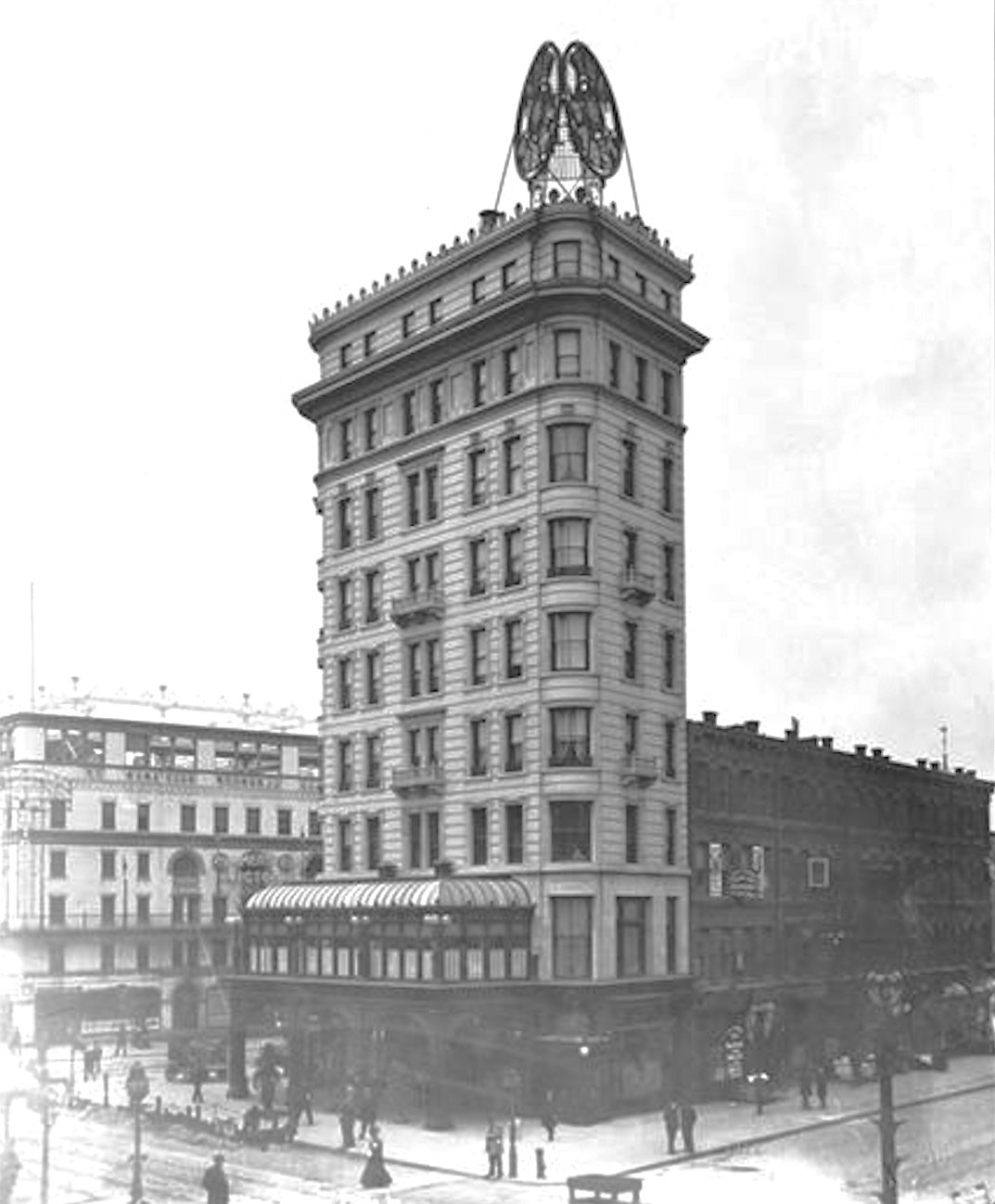
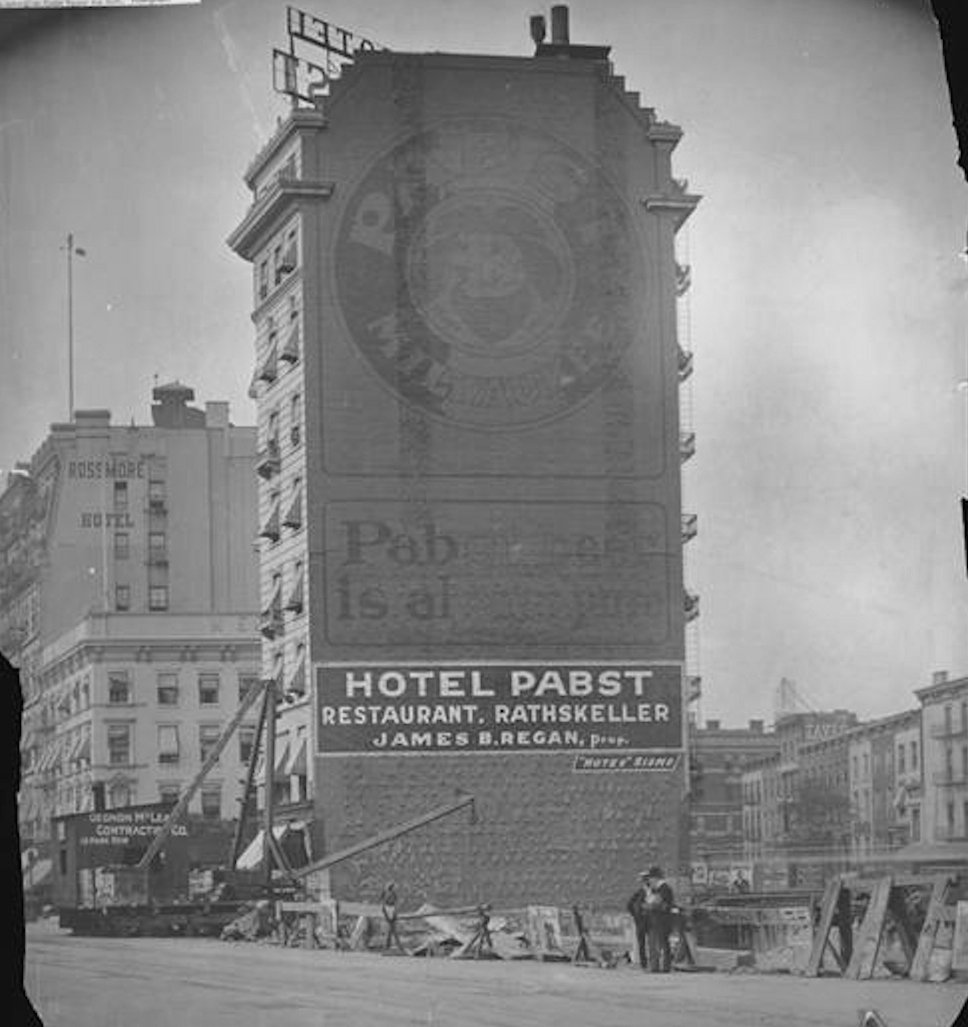
The Pabst Hotel was constructed between October 1898 and November 1899, occupying a narrow triangular lot on the north side of 42nd Street between Broadway and Seventh Avenue—then known as Longacre Square. The Pabst Brewing Company, a leader in the beer industry, strategically developed branded hotels and restaurants in major American cities, with the New York location serving as a high-profile extension of their hospitality empire. Pabst also operated other establishments in the city, including the Pabst Loop Hotel in Coney Island and the Pabst Harlem Music Hall and Restaurant.
Ownership, Operation, and Demise
Although the hotel bore the Pabst name, it was constructed by Charles Thorley and operated by James B. Regan under a sublease. Opened as a bachelor’s hotel on November 11, 1899, it quickly became a fashionable destination, frequented by theatergoers and the urban elite. Its proximity to the city's entertainment venues and "lobster palaces" made it a hotspot. However, its existence was short-lived: in August 1902, The New York Times acquired the site, and demolition began soon after. By 1904, the Times Building (now One Times Square) stood in its place, marking a new era for the district.
Architectural Features
Design and Construction
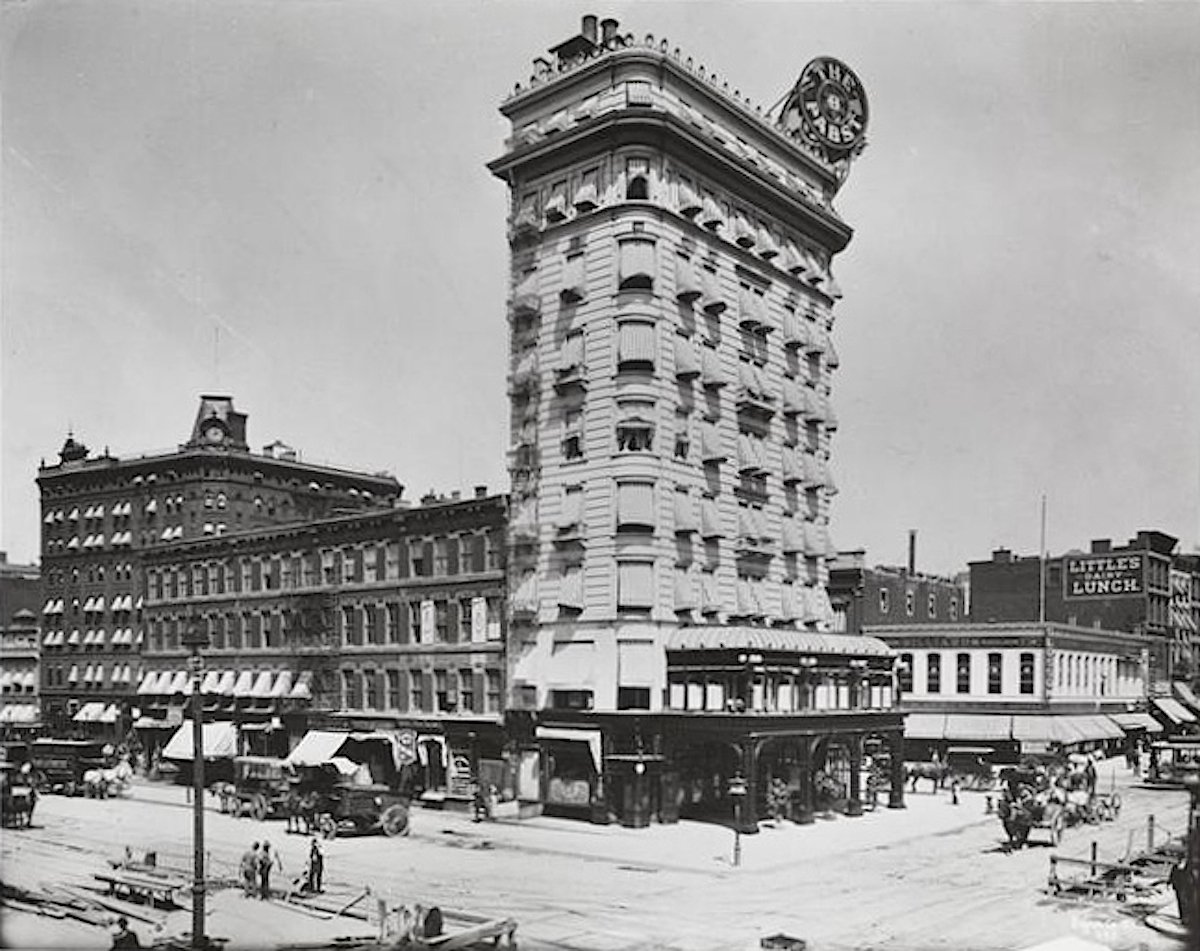
Designed by architect Henry F. Kilburn, the nine-story Pabst Hotel featured a steel skeleton with limestone cladding, exemplifying early fireproof construction. Despite its compact dimensions (58 feet wide by 25 feet deep), the hotel maximized space, extending its restaurant and rathskeller beneath the sidewalks.
Exterior and Interior Highlights
The hotel's facade was distinguished by vertical limestone elements and prominent Pabst branding. Inside, it provided five bedrooms per upper floor, an elegant Empire-style restaurant with a conservatory, and a German-inspired rathskeller in the basement, evoking the ambiance of Munich beer halls.
Urban Context and Legacy
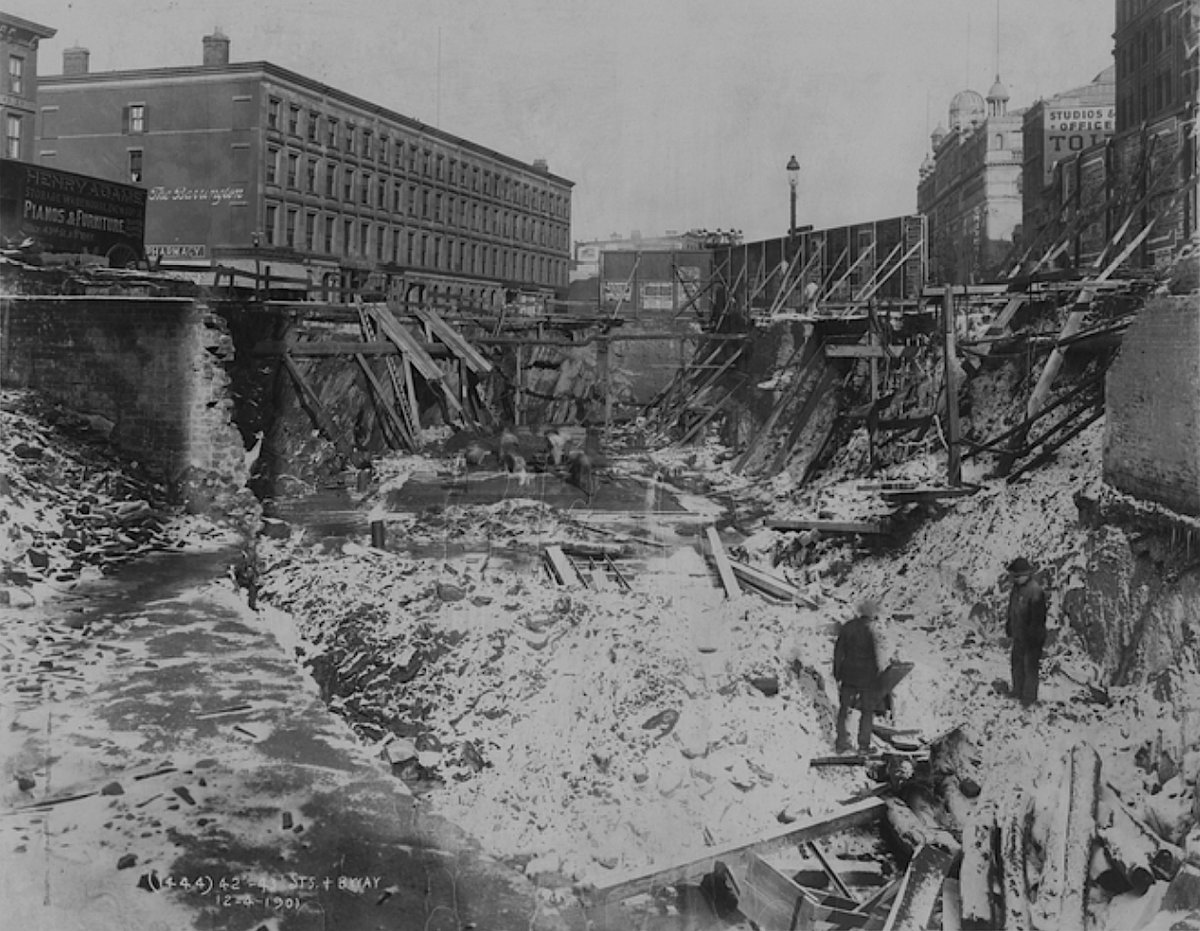
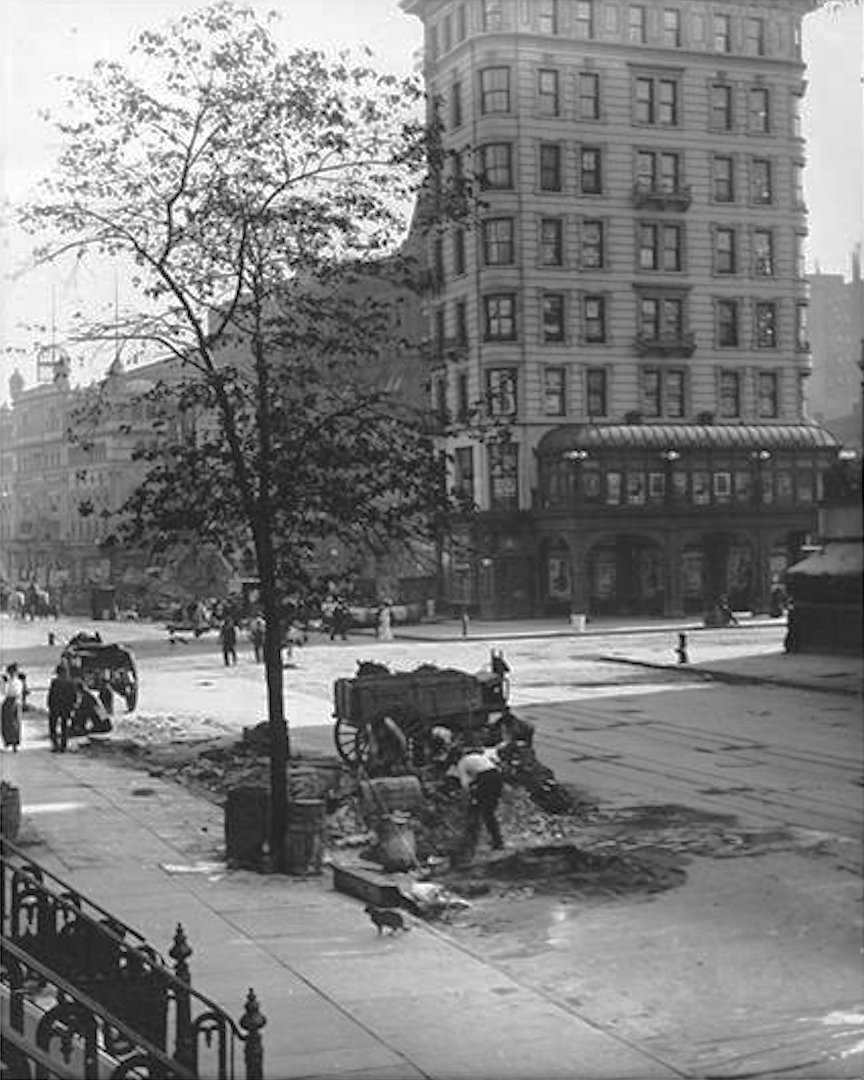
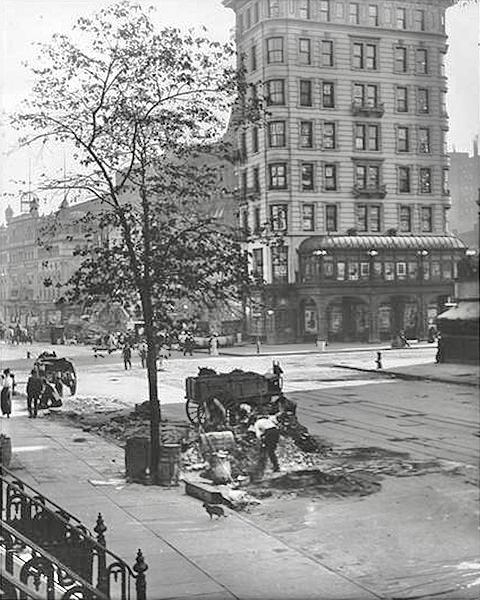
The Pabst Hotel stood at the nexus of New York’s theater district during a period of intense urban growth and innovation—including the construction of the Interborough Rapid Transit subway beneath its basement. Its brief lifespan mirrored the city's relentless drive toward progress and reinvention.
Visiting the Pabst Hotel Site and Nearby Attractions Today
Can You Visit the Pabst Hotel?
No physical traces of the Pabst Hotel remain; the site is now home to One Times Square, famed for the New Year’s Eve Ball drop. While there are no specific visiting hours or tickets related to the hotel, Times Square is a public space open 24/7, welcoming millions of visitors annually.
Nearby Historical Sites and Attractions
- One Times Square The site of the former Pabst Hotel, now an iconic location for the annual New Year’s Eve celebration.
- Times Square Plaza The heart of Midtown’s entertainment district.
- Bryant Park A historic green space nearby, hosting events year-round.
- New York Public Library Main Branch A celebrated architectural landmark just blocks away.
- Knickerbocker Hotel Another historic hotel reflecting the era’s luxury.
- Broadway Theaters Continuing the entertainment tradition central to the Pabst Hotel’s clientele.
Recommended Tours and Tips
- Walking Tours Many guided tours of Times Square include the story of the Pabst Hotel and its significance. Check with local operators for schedules.
- Travel Tips Visit during daylight for optimal sightseeing, wear comfortable shoes, and consult event calendars for special exhibitions or performances.
Frequently Asked Questions (FAQ)
Q: Can I visit the Pabst Hotel today?
A: The Pabst Hotel was demolished in 1902–1903. Visitors can explore its historic site at One Times Square and learn about its legacy through walking tours and nearby landmarks.
Q: Are there guided tours that mention the Pabst Hotel?
A: Yes, many walking tours of Times Square and Midtown highlight the story of the Pabst Hotel.
Q: What now occupies the former Pabst Hotel site?
A: One Times Square, home of the New Year’s Eve Ball drop and iconic billboards.
Q: Where can I find artifacts or photographs of the Pabst Hotel?
A: Period photographs and memorabilia are available in local archives, such as the Museum of the City of New York and the New-York Historical Society, as well as online collections.
Q: Are there places nearby to experience the Pabst Hotel’s cultural heritage?
A: Yes, local restaurants offer German-American cuisine reminiscent of the original Pabst beer hall, and several museums celebrate the area’s diverse history.
Visual Media
Suggested visuals:
- Historic photograph of the Pabst Hotel facade, circa 1900.
- Map highlighting the original hotel location within Times Square.
- Present-day image of One Times Square at night with illuminated billboards.
Explore More on Our Website
Discover More
Enjoyed discovering the story of the Pabst Hotel? Download the Audiala app for curated historical walking tours and in-depth audio guides of Times Square and other iconic New York City locations. Stay connected via social media for the latest updates, travel inspiration, and features on NYC’s rich and evolving history.
Summary: Key Points and Final Tips
Although the Pabst Hotel was demolished over a century ago, its influence is still felt in the character and culture of present-day Times Square. The hotel’s brief existence mirrored New York City’s transformation into a modern metropolis, blending hospitality, entertainment, and innovation. Today, visitors can stand where the Pabst Hotel once rose, explore the vibrant energy of Times Square, and immerse themselves in the district’s layered history through walking tours, nearby landmarks, and archival resources. The story of the Pabst Hotel is a testament to New York’s enduring spirit of reinvention.
For further reading and official resources, visit the Times Square Alliance, NYPL Blog, and Curbed’s historic hotels feature.