
Historical Background
Origins and Early Development
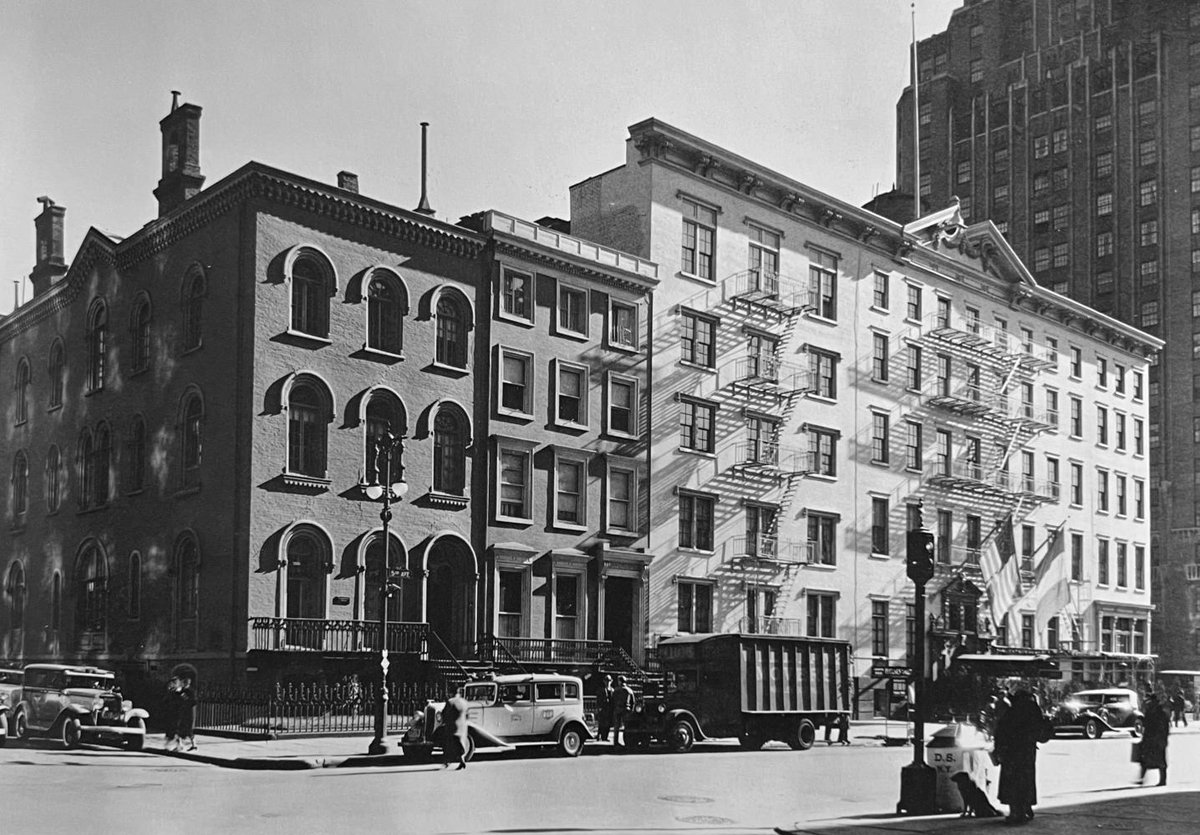
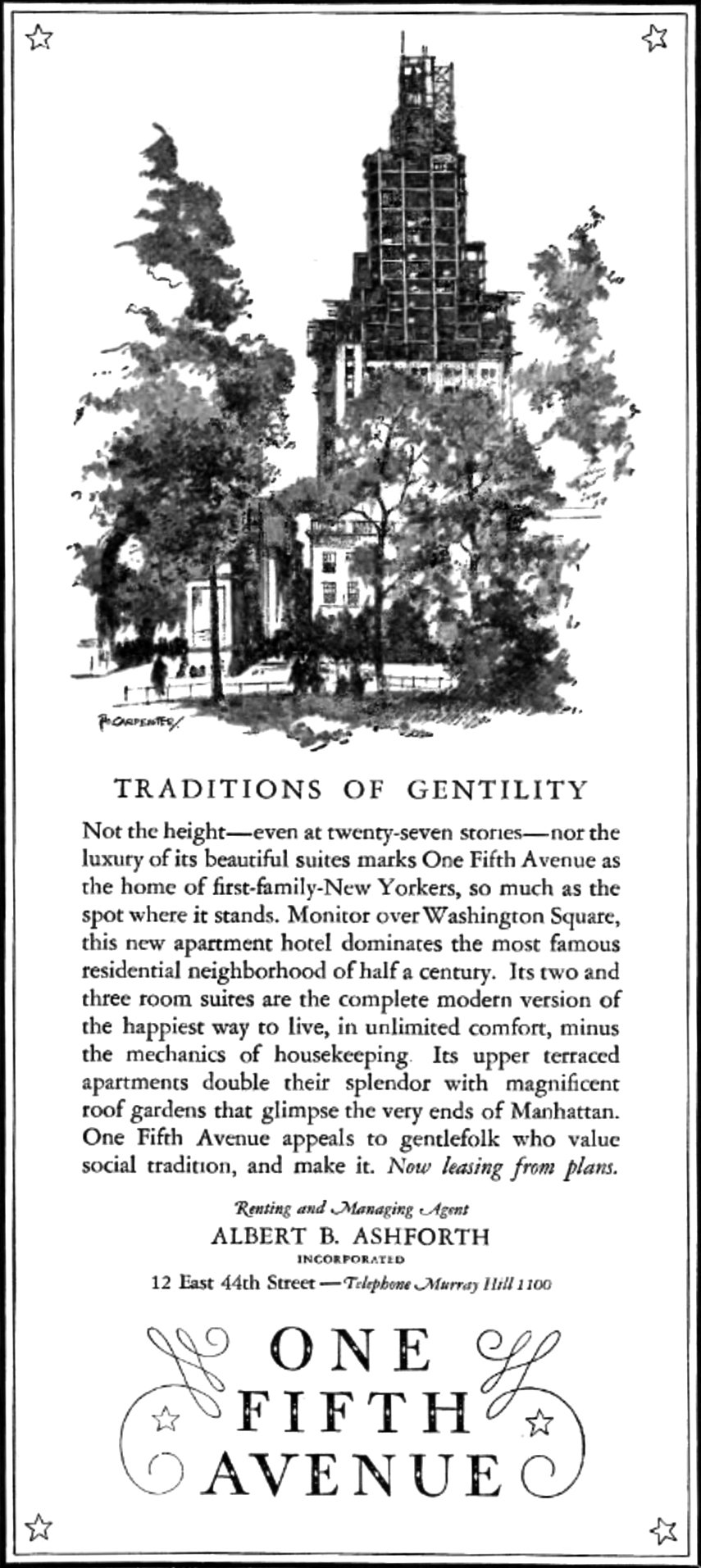
The site of One Fifth Avenue was originally part of the Brevoort family estate, which played a significant role in shaping lower Fifth Avenue in the early 19th century (NYC Landmarks Preservation Commission). As Manhattan grew northward, Greenwich Village transformed from farmland into a fashionable residential district, attracting artists, intellectuals, and affluent families. In 1926, construction began on One Fifth Avenue as a luxury hotel and apartment building, designed to serve the city’s burgeoning elite. Its completion in 1927 marked a turning point for the neighborhood, ushering in a new era of high-rise living and modern amenities.
The Roaring Twenties and the Shift to Cooperative Living
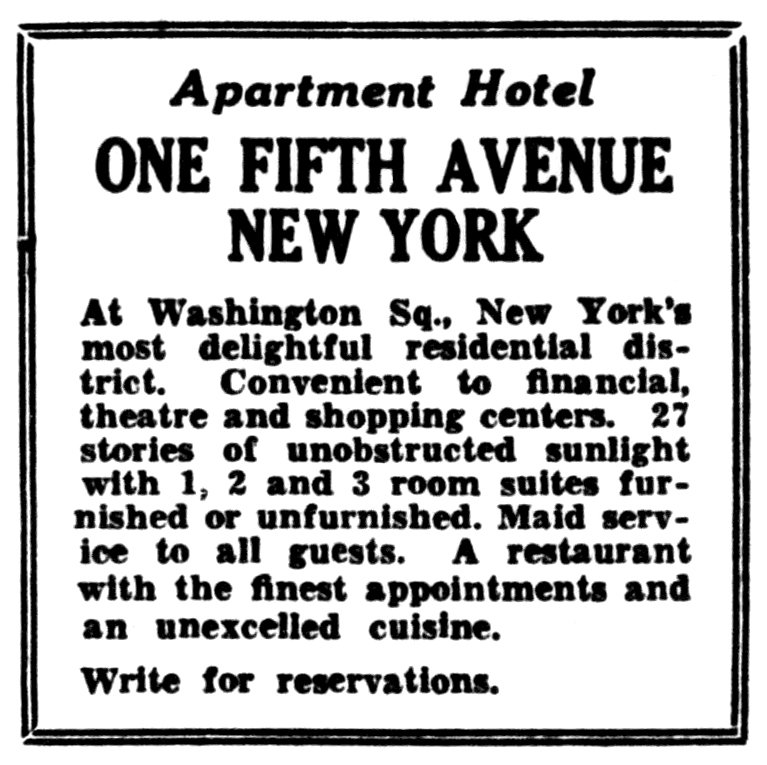
Embodying the Jazz Age’s glamour and prosperity, One Fifth Avenue quickly became a prestigious address for artists, writers, and celebrities. Over time, the building transitioned from hotel to cooperative residence, mirroring broader trends in New York’s real estate market and the rise of cooperative homeownership. Its exclusivity, prime location, and preserved Art Deco interior continue to attract a distinguished roster of residents (1 Fifth Avenue Cooperative).
Architectural Significance
Art Deco Design and Notable Features
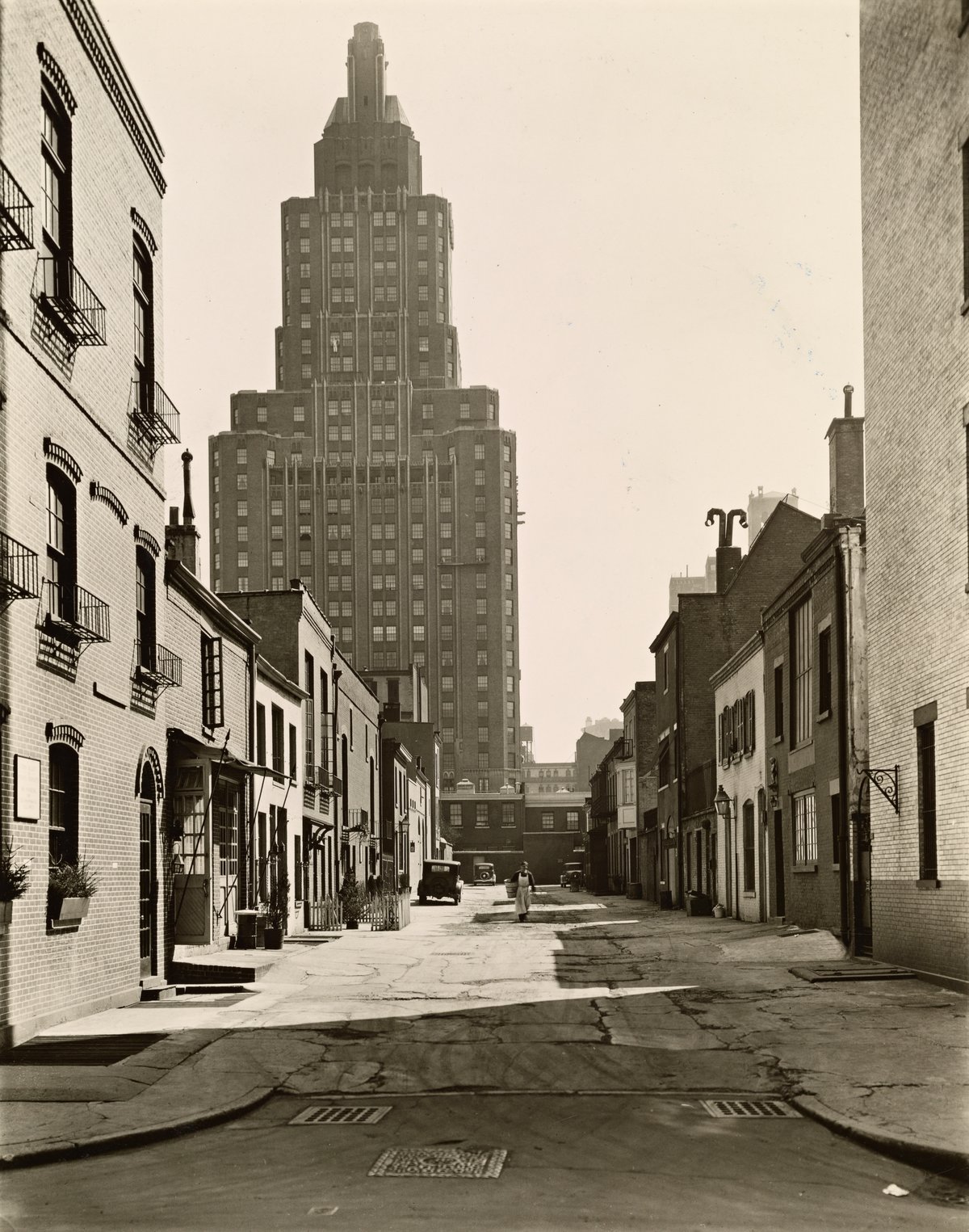
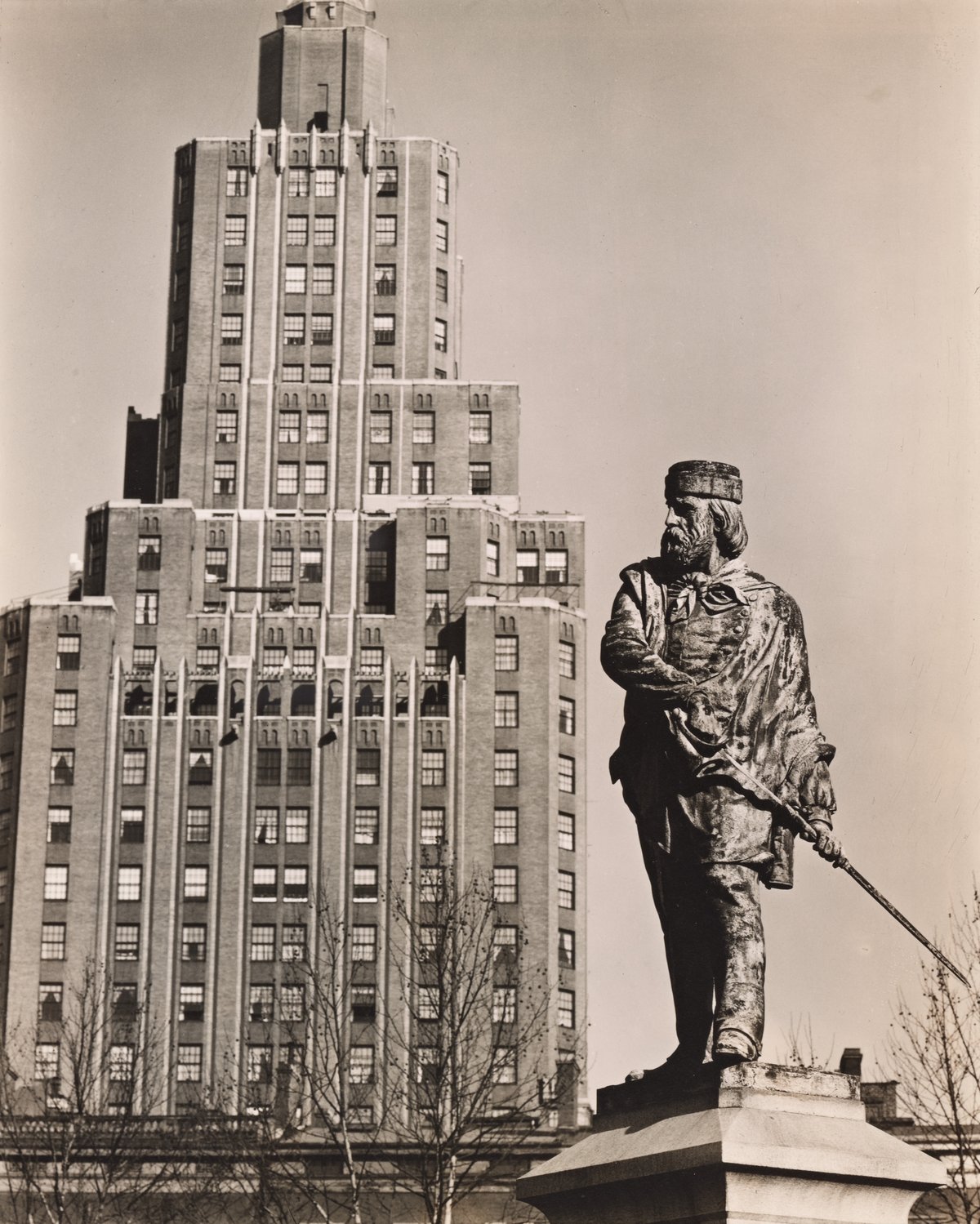
Designed by Helmle, Corbett & Harrison with Harvey Wiley Corbett as principal architect, One Fifth Avenue is a classic example of the Art Deco movement. Its 27-story silhouette is defined by tiered setbacks—mandated by the 1916 Zoning Resolution to maximize light and air—and a façade of buff brick and intricate terra cotta ornamentation. The building’s vertical lines, geometric motifs, and grand entryway reflect the optimism and energy of 1920s New York (Emporis).
The lobby is renowned for its marble floors, decorative metalwork, and period lighting, offering a rare glimpse into the opulence of the era—though these interiors are reserved for residents and their guests.
Preservation and Landmark Status
One Fifth Avenue is a protected structure within the Greenwich Village Historic District, under the jurisdiction of the New York City Landmarks Preservation Commission since 1969. This designation ensures the preservation of its distinctive Art Deco exterior for generations to come (NYC Landmarks Preservation Commission).
Cultural and Social Importance
Bohemian and Artistic Legacy
One Fifth Avenue is at the heart of an area long associated with New York’s bohemian and artistic heritage. Its proximity to Washington Square Park and historic venues such as the Liberal Club and Provincetown Playhouse helped nurture the neighborhood’s creative ethos (LitHub). Over the decades, the building has been home to luminaries like Jessica Lange, Patti Smith (whose iconic "Horses" album cover was shot here), Blythe Danner, Sam Shepard, and creative couples including Tim Burton and Helena Bonham Carter (New York Post). Its mention in literature and pop culture, notably in Candace Bushnell’s novel "One Fifth Avenue," further cements its status as a symbol of sophistication and intrigue.
Community and Societal Impact
The cooperative model of One Fifth Avenue fosters a close-knit, creative community. Residents share amenities like a library and a double-height lobby, reinforcing the building’s reputation as a gathering place for the city’s intellectual and artistic elite. This sense of community reflects Greenwich Village’s longstanding tradition of inclusivity and civic engagement.
Visitor Information
Viewing and Accessibility
- Public Access One Fifth Avenue is a private residential building; there are no public tours or interior access. Visitors are welcome to admire the exterior from public spaces such as Washington Square Park and surrounding streets.
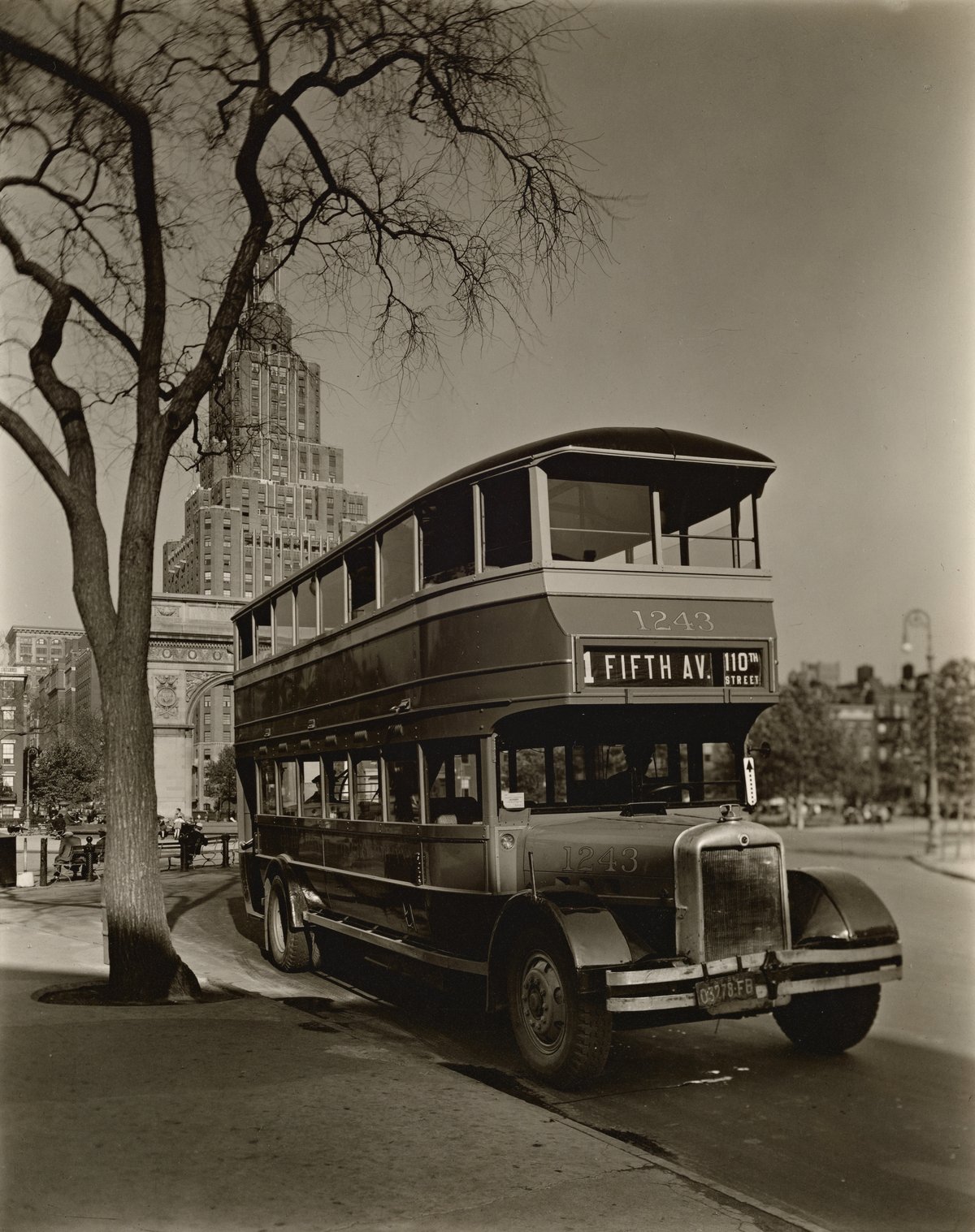
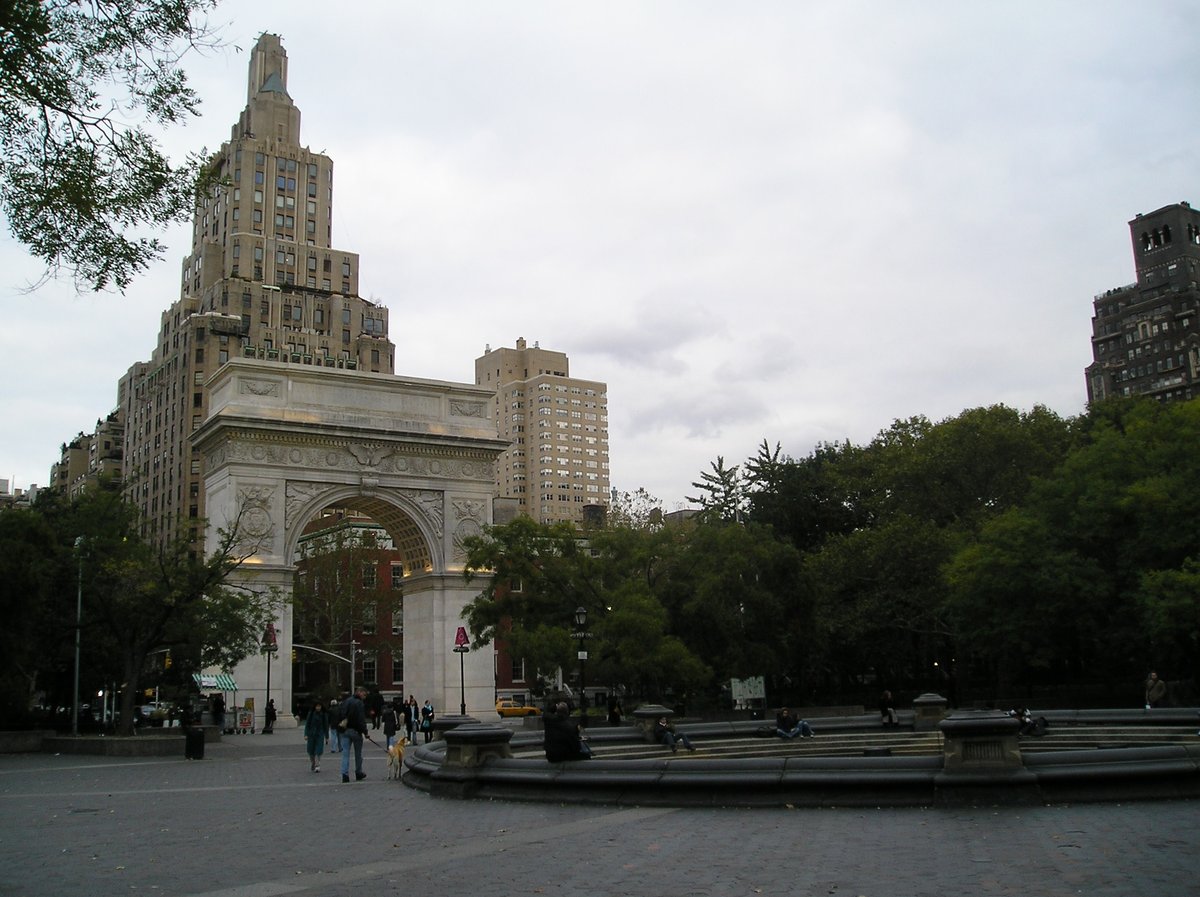
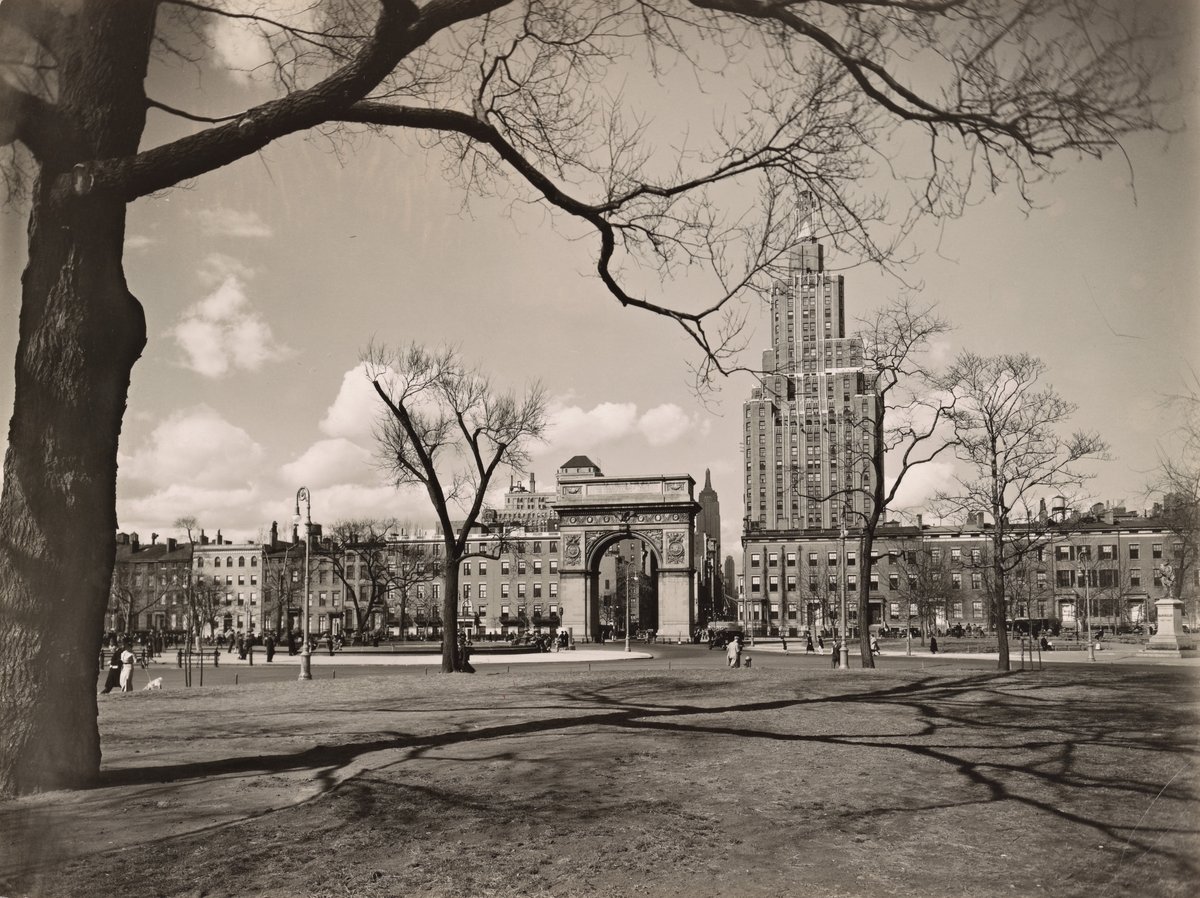
- Best Viewing Spots The northern edge of Washington Square Park, the Washington Square Arch, and the corners of MacDougal and West 4th Streets offer excellent vantage points for photography.
- Accessibility The surrounding area, including the park and sidewalks, is wheelchair accessible and pedestrian-friendly.
Getting There
- Transportation The building is easily reached via subway—West 4th Street–Washington Square station (A, C, E, B, D, F, M lines) and 8th Street–NYU (N, R, W lines).
- Best Time to Visit Early morning or late afternoon for optimal light and fewer crowds.
Guided Tours and Events
While interior tours are not available, many Greenwich Village walking tours include One Fifth Avenue as a highlight, providing historical and architectural context from the outside.
Photography Tips
Capture the building’s ziggurat setbacks and Art Deco details from Washington Square Park, especially during golden hour. Please respect residents’ privacy and avoid obstructing entrances.
Nearby Attractions
- Washington Square Park The social and cultural heart of the Village, featuring the iconic arch, street performances, and public events (NYC Parks).
- Greenwich Village Historic District Stroll tree-lined streets, explore historic brownstones, and discover cozy cafes and independent shops.
- New York University Visit the Grey Art Gallery and Skirball Center for the Performing Arts.
- Provincetown Playhouse & Stonewall National Monument Significant sites in the Village’s artistic and civil rights history.
- Dining and Nightlife MacDougal Street offers legendary venues like Minetta Tavern and Mamoun’s Falafel, while Bleecker Street and University Place are lined with boutiques and eateries.
Frequently Asked Questions (FAQs)
Q: Can I tour the inside of One Fifth Avenue?
A: No. The building is a private residential cooperative and is not open for public tours.
Q: Are there ticket requirements or official visiting hours?
A: There are no public visiting hours or tickets, as the building is private. The exterior can be viewed at any time from public areas.
Q: What are the best places to view and photograph One Fifth Avenue?
A: The best views are from Washington Square Park, the Washington Square Arch, and surrounding streets.
Q: Is the building accessible for visitors with disabilities?
A: The area around One Fifth Avenue, including Washington Square Park, is wheelchair accessible.
Q: Are there guided tours or special events involving One Fifth Avenue?
A: While interior access is not available, many Greenwich Village walking tours include the building as a highlight.
Q: How do I get to One Fifth Avenue?
A: Take the subway to West 4th Street–Washington Square or 8th Street–NYU stations; both are a short walk from the building.
Summary and Recommendations
One Fifth Avenue is a striking symbol of New York City’s Jazz Age grandeur, bohemian legacy, and architectural innovation. Though it remains a private cooperative, its Art Deco façade, celebrated residents, and location at the heart of Greenwich Village make it an essential stop for those exploring downtown Manhattan. Visitors are encouraged to pair their appreciation of One Fifth Avenue with a stroll through Washington Square Park and the vibrant streets of the Village, where the spirit of artistic and social innovation endures.
For the best experience:
- Visit during early morning or late afternoon for optimal lighting.
- Join a Greenwich Village walking tour for deeper historical context.
- Use the Audiala app for curated audio guides and local insight.
- Explore neighboring landmarks, cafes, and bookstores to immerse yourself in the neighborhood’s creative spirit.