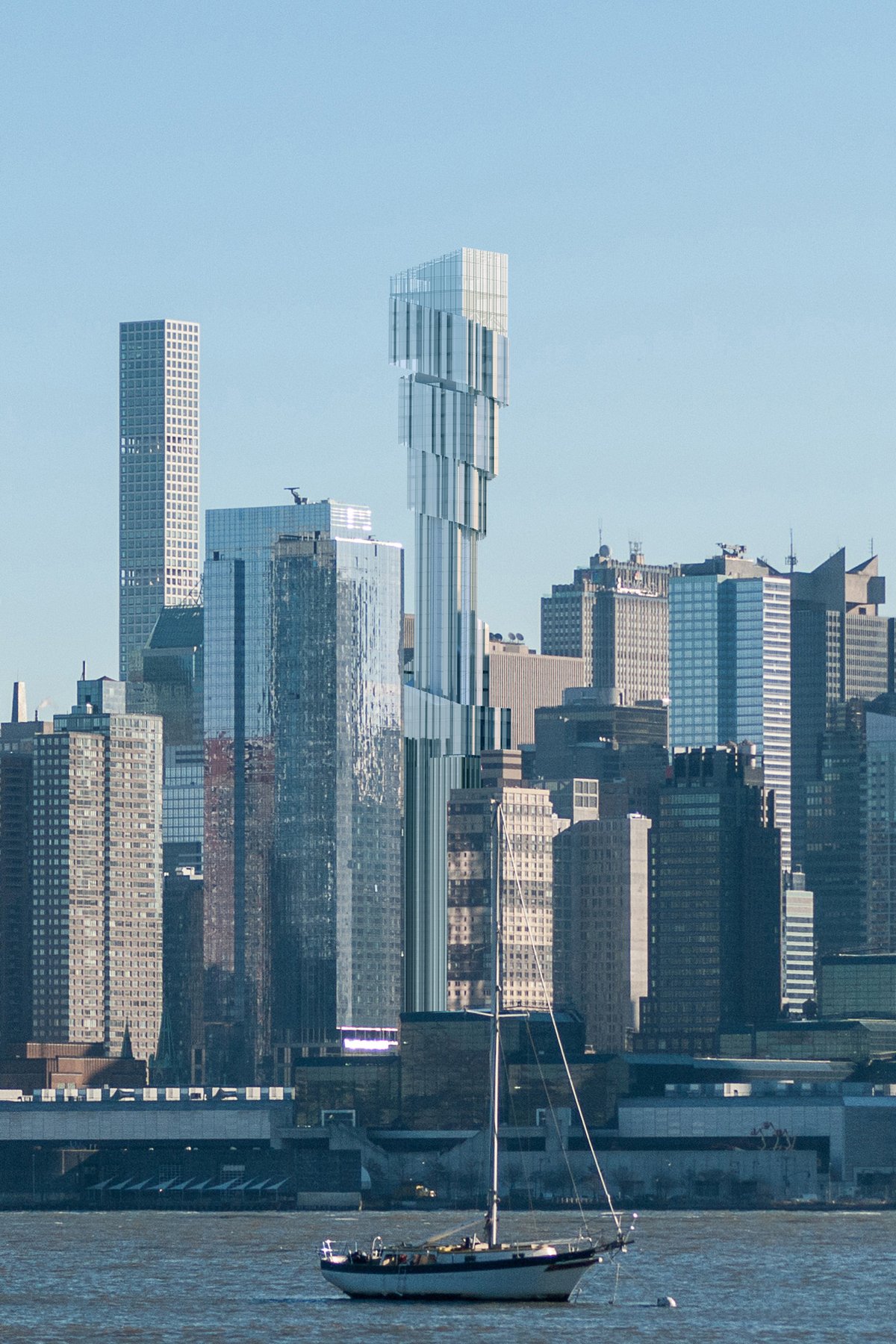
Origins and Early Development
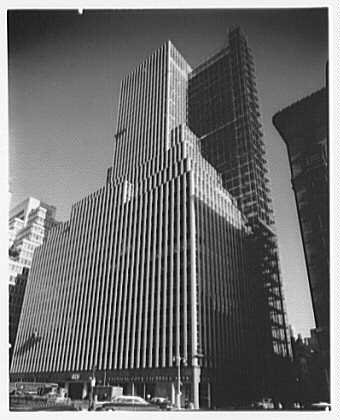
Opened in 1924 as the Shelton Towers Hotel, the building was conceived as a luxury residential hotel serving professionals and affluent travelers during a period of rapid urban expansion in New York City. Designed by Arthur Loomis Harmon, it stood 35 stories tall and, at that time, was among the tallest residential hotels globally. Its dual function as both hotel and residential space made it a popular address for artists, writers, and celebrities and set a new standard for hotel living in the city (NYC Landmarks Preservation Commission).
Architectural Significance
The building is a prominent example of Romanesque Revival with Art Deco influences. Its striking brick façade, elaborate terra cotta detailing, and signature setbacks—mandated by the 1916 Zoning Resolution—created a distinctive silhouette that allowed more sunlight onto the streets below (NYC Department of City Planning). The interior once featured grand public spaces, including a marble-clad, two-story lobby, blending luxury with functional design. These architectural innovations influenced the development of subsequent skyscrapers and luxury hotels.
Cultural Impact and Notable Events
Throughout its history, the hotel attracted a distinguished clientele. Georgia O’Keeffe and Alfred Stieglitz were among its famous guests, with O’Keeffe drawing inspiration for her cityscape paintings from its rooftop views. Arthur Conan Doyle stayed here during a U.S. tour, and the hotel’s discretion made it a favorite among diplomats and dignitaries. During World War II, it served as a base for military officers and diplomats. Into the postwar era, it hosted social and political events, reinforcing its place in New York’s cultural fabric.
Marriott Modernization and Legacy
Marriott International acquired the property in 1979, investing in extensive renovations that modernized amenities while preserving historic elements. Rebranded as the New York Marriott East Side in 1981, the hotel offered updated guest rooms, conference facilities, and a rooftop lounge with sweeping views. It became a sought-after venue for business functions, weddings, and community events, and further contributed to Midtown’s status as a commercial and cultural hub (Marriott News Center).
Despite its closure in 2020 (The Real Deal), the building remains a recognized historic site, admired for its design and its influential role in New York’s hospitality landscape.
Visitor Information
Hours and Access
- Current Status Permanently closed since 2020; the building is not open to the public.
- Viewing Visitors can view and photograph the exterior at any time from Lexington Avenue. There is no interior access or ticketing.
Accessibility
- The building’s Midtown location is accessible by subway (Grand Central–42nd Street, 51st Street stations), bus, taxi, and ride-share services.
- The area is pedestrian-friendly with wide sidewalks and curb cuts, making it accessible for wheelchairs and mobility aids.
- The building itself does not offer public or interior accessibility due to its closure.
Nearby Attractions
Within walking distance, visitors can explore:
- Grand Central Terminal Renowned for its Beaux-Arts architecture.
- Rockefeller Center Art Deco icon and hub for shopping, dining, and entertainment.
- St. Patrick’s Cathedral Neo-Gothic masterpiece.
- Museum of Modern Art (MoMA) Leading contemporary art museum.
- Bryant Park Popular green space with seasonal events.
- United Nations Headquarters Offers guided tours.
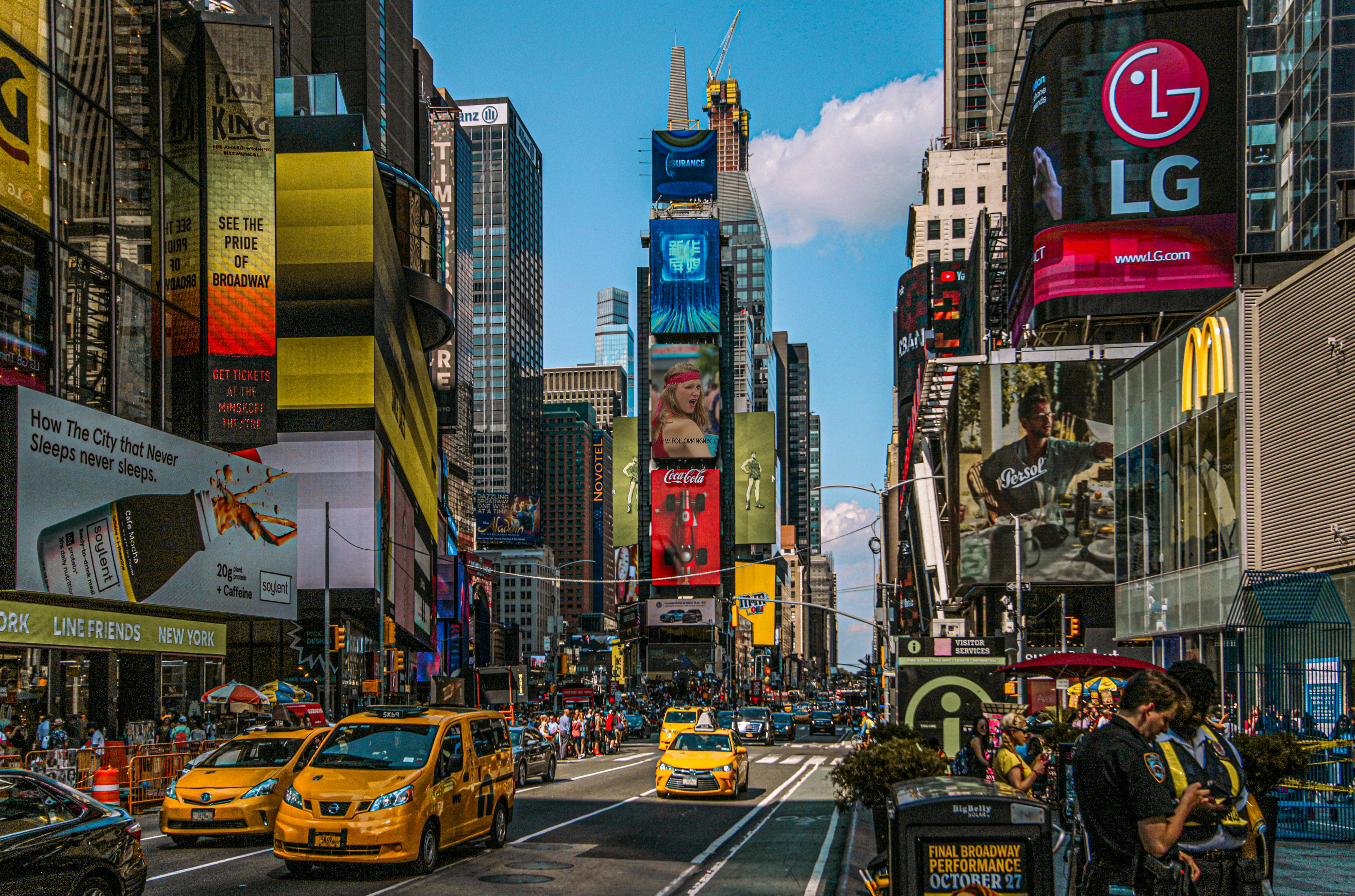
- Times Square The city’s vibrant entertainment district.
Photographic Spots
- Capture the building’s setbacks and ornate brickwork from Lexington Avenue and adjacent cross streets.
- The Midtown skyline offers excellent backdrops for architectural photography.
Guided Tours
- While the building itself does not offer tours, many Midtown walking tours cover its history and architectural significance as part of broader explorations of the area (NYC Walking Tours).
Frequently Asked Questions (FAQ)
Q: Can I visit the interior of the New York Marriott East Side?
A: No. The building has been closed since 2020 and does not permit public entry.
Q: Are there guided tours available?
A: No official tours of the building itself, but Midtown walking tours often include information about the hotel’s history.
Q: Is the building wheelchair accessible?
A: The building is closed, but the surrounding streets and sidewalks are accessible.
Q: Are tickets required to visit?
A: No tickets are needed to view the exterior.
Q: What are the public transit options?
A: Nearby subway stations include Grand Central–42nd Street (4, 5, 6, 7, S lines) and 51st Street (6 line). Numerous bus lines also serve Lexington Avenue (MTA Accessibility Information).
Key Takeaways and Visitor Recommendations
- The New York Marriott East Side remains a significant part of New York’s architectural and cultural story, even after its closure.
- Its Romanesque Revival and Art Deco design features are best appreciated from the street.
- Midtown Manhattan offers a concentration of major attractions, making the area ideal for architecture and history enthusiasts.
- For the latest updates on historic sites and curated travel guides, use resources like the Audiala app.