Introduction
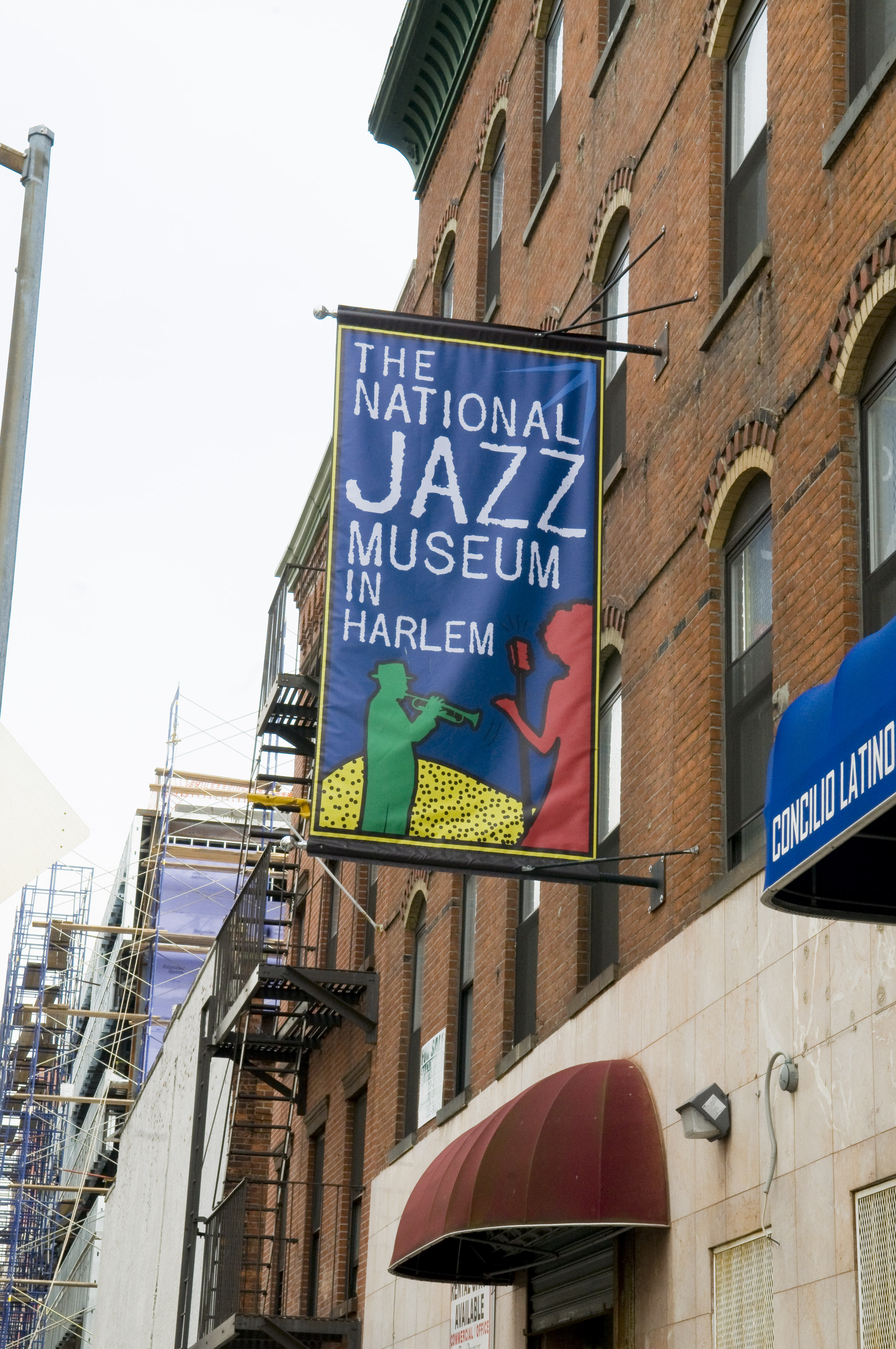
Nestled in the heart of Harlem, New York City, the National Jazz Museum in Harlem (NJMH) stands as a living tribute to jazz—a foundational American art form and a profound expression of African American cultural heritage. Since its founding in 1996, the NJMH has evolved into a Smithsonian Affiliate, underscoring its national significance and its commitment to preserving, promoting, and presenting jazz’s rich legacy while fostering its continual evolution.
More than just a repository of invaluable artifacts—such as the renowned Savory Collection—the NJMH is a dynamic cultural hub. Here, history, education, and live performance coalesce, fostering community engagement and intergenerational dialogue. Visitors embark on an immersive journey through Harlem’s jazz origins, particularly the Harlem Renaissance, an era that birthed legends like Duke Ellington, Billie Holiday, and Thelonious Monk. Through thoughtfully curated exhibits, multimedia installations, and interactive displays, the museum illuminates jazz’s technical, social, and artistic dimensions.
Accessibility is central to NJMH’s mission, with free general admission, wheelchair-friendly facilities, and inclusive programming for all ages. Its location invites exploration of nearby landmarks such as the Apollo Theater and the Schomburg Center for Research in Black Culture, enriching every visit with Harlem’s wider cultural legacy (Google Arts & Culture, National Jazz Museum in Harlem Official Website).
Founding and Evolution
The NJMH was established in 1996 to address the need for a dedicated institution in Harlem—long recognized as the epicenter of jazz innovation. Its founders envisioned a space that would not only archive the genre’s past but also serve as a vibrant community hub for education, performance, and dialogue. The transition to a Smithsonian Affiliate has afforded the museum greater access to national resources, collaborative exhibitions, and an expanded cultural reach (Google Arts & Culture).
Harlem: The Cradle of Jazz
Harlem’s role in jazz history is pivotal. The Harlem Renaissance of the 1920s and 1930s transformed the neighborhood into a crucible for African American artistic expression. Iconic venues like the Cotton Club, Savoy Ballroom, and Minton’s Playhouse hosted pioneering musicians who used jazz not only to entertain but also to comment on social issues and foster cultural pride. Proximity to sites like the Apollo Theater and the Schomburg Center further enriches the museum experience.
Visiting Hours, Tickets, and Accessibility
- Location: 58 West 129th Street, New York, NY 10027.
- Hours: Thursday through Saturday, 12:00 pm – 5:00 pm (jmih.org).
- Admission: Free general admission. Donations are appreciated; some special events may require tickets or registration.
- Accessibility: Fully wheelchair accessible; staff can assist with specific needs upon request.
Getting There
- Subway: 2 and 3 trains to 125th Street & Malcolm X Blvd; A, B, C, and D lines also serve Harlem.
- Bus: Multiple MTA routes including M60, M100, and M101.
- Parking: Limited street parking; public transit is recommended (MTA website).
Museum Experience: Exhibits and Programming
Immersive Exhibits
The NJMH’s exhibits trace the evolution of jazz from its Harlem roots to its worldwide influence. Permanent and rotating exhibitions feature:
- Multimedia Installations: Archival footage, digital timelines, and audio recordings.
- Artifacts: Instruments, sheet music, and memorabilia from jazz legends.
- Oral Histories: Firsthand accounts from musicians, providing insight into creative processes.
Interactive displays invite visitors to:
- Mix Tracks: Experiment with jazz compositions.
- Explore Listening Stations: Sample rare recordings and compare styles.
- Contribute Stories: Add personal reflections to the living archive.
The Savory Collection
A highlight of the museum’s archive is the Savory Collection—a set of rare jazz recordings once thought lost. It features live performances by icons such as Count Basie, Billie Holiday, and Lester Young, providing invaluable insight for jazz scholarship (Google Arts & Culture).
Live Performances
Live music is at the core of NJMH. The museum regularly presents:
- Concert Series: “The Sound of Jazz” and themed performances.
- Emerging Artist Showcases: Platforms for rising talent.
- Open Jam Sessions: Informal gatherings for musicians of all skill levels.
Guided by Artistic Directors Jon Batiste and Christian McBride, the programming remains innovative and inclusive.
Educational and Community Programs
For Schools and Youth:
- Young Leaders Arts Immersion Project: Masterclasses and mentorship for students.
- Workshops: Covering jazz history, improvisation, and performance.
For Adults and General Public:
- Lecture Series: Talks by jazz scholars and musicians.
- Listening Sessions: Guided analysis of recordings.
- Virtual Programs: Online workshops and performances serving a global audience.
The museum actively partners with local schools and organizations to expand access and foster cultural pride (jmih.org, Jazz Power Initiative).
Special Events and Group Visits
- Special Events: Jazz Appreciation Month in April, Intergenerational Jazz Power Festival, and West Harlem Summer Jazz Festival (jmih.org/events).
- Group Visits: Customizable tours and workshops available for all ages; advance booking required for groups and schools.
Exploring Harlem: Nearby Landmarks and Travel Tips
Cultural Sites:
- Apollo Theater: Legendary music venue (secretnyc.co).
- Schomburg Center: Archives on Black culture (touristsecrets.com).
- Studio Museum: Contemporary art exhibitions.
Jazz Clubs:
- Minton’s Playhouse: Birthplace of bebop.
- Other Venues: Local bars with nightly jazz.
Dining:
- Sylvia’s: Iconic soul food (secretnyc.co).
- Vinateria and Claire’s Kitchen Café: Popular local restaurants.
Outdoor Spaces:
- Harlem Meer in Central Park: Great for relaxation.
- Walking Tours: Explore historic brownstones and architecture (freetoursbyfoot.com).
Practical Information and FAQs
Q: What are the museum’s visiting hours?
A: Thursday through Saturday, 12:00 pm – 5:00 pm.
Q: Is admission free?
A: Yes, with donations appreciated. Some events may require tickets.
Q: Is the museum accessible?
A: Yes, fully wheelchair accessible.
Q: Are guided tours and group visits available?
A: Yes, with advance booking recommended.
Q: Can I take photos inside?
A: Photography (without flash) is allowed.
Q: Does the museum offer virtual programs?
A: Yes, including workshops and performances.
Summary and Visitor Tips
The National Jazz Museum in Harlem offers a multifaceted experience—combining compelling history, immersive exhibits, live music, and community-driven programming. Free admission, accessible facilities, and robust educational offerings ensure that jazz’s legacy is open to everyone. The museum’s stewardship of treasures like the Savory Collection and its innovative digital outreach extend its reach well beyond New York City.
When planning your visit, check the official website for the latest on hours, events, and special exhibitions. Enhance your Harlem experience by pairing your museum visit with local cultural landmarks, dining, and walking tours. Stay connected via museum newsletters, social media, and apps like Audiala for ongoing engagement.
Listen to the full story in the app
Your Personal Curator, in Your Pocket.
Audio guides for 1,100+ cities across 96 countries. History, stories, and local insight — offline ready.
Audiala App
Available on iOS & Android
Join 50k+ Curators
Sources
- verified
- verified
- verified
- verified
Last reviewed:


