Introduction
Located in the heart of Manhattan’s Financial District, the Museum of American Finance (MoAF) is the nation’s only independent museum dedicated exclusively to the history and impact of American finance. Since its founding in 1988, inspired by Alexander Hamilton, the first Secretary of the Treasury, MoAF has served as an essential resource for understanding the evolution of the U.S. financial system. The museum preserves over 10,000 artifacts—from rare currency and historic stock certificates to early financial technology—offering a tangible connection to significant milestones in American economic development.
While MoAF’s physical galleries are temporarily closed as of mid-2025 while a new permanent home is sought, the museum remains highly active through offsite educational programming, virtual exhibits, and community events. Its commitment to financial literacy and public engagement makes it an invaluable destination for students, historians, finance professionals, and tourists alike.
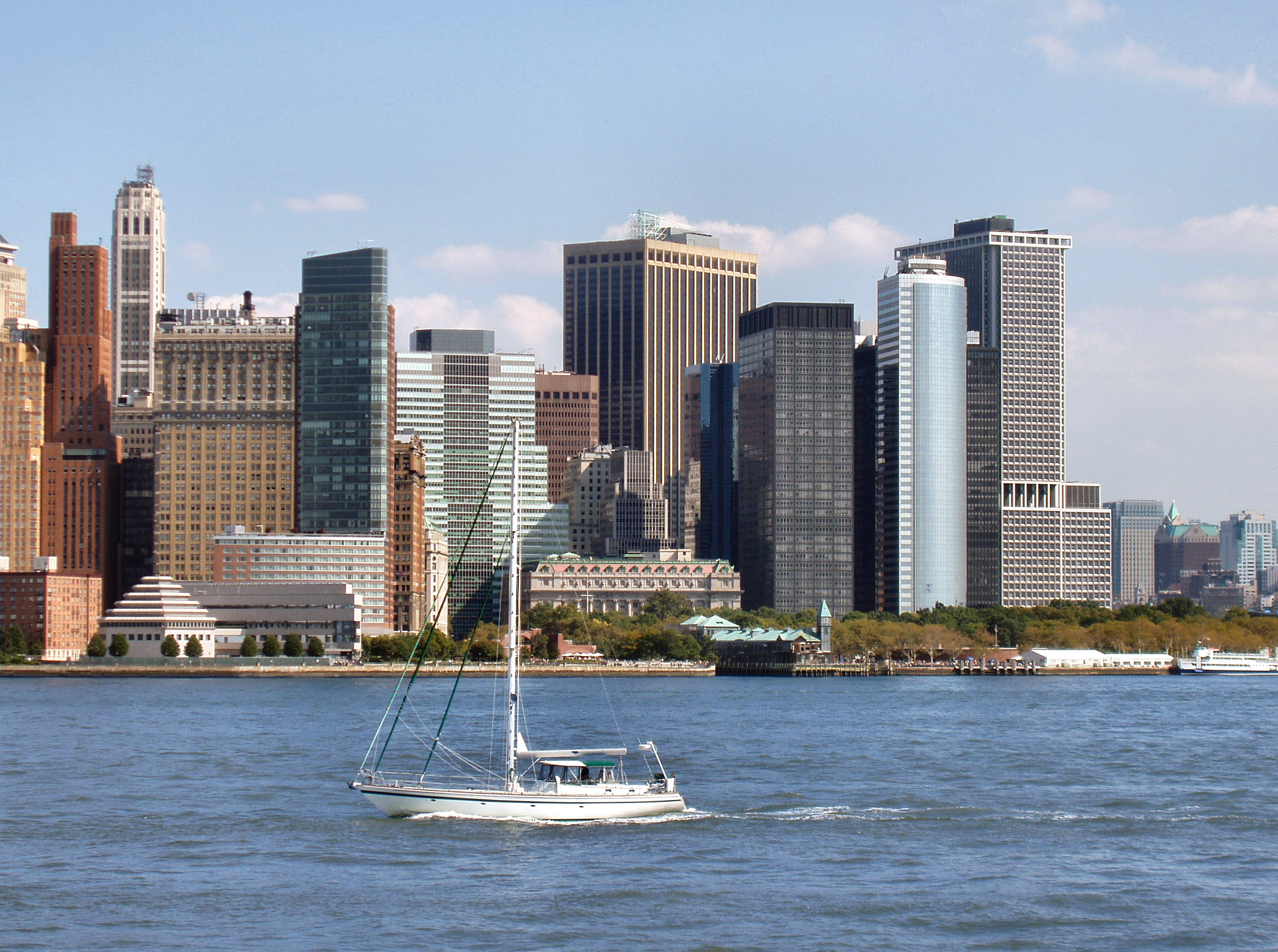
Surrounded by major landmarks such as the New York Stock Exchange, Federal Hall, and Trinity Church, the Museum of American Finance provides an immersive experience that situates its collections within the broader context of New York City’s financial heritage. Visitors are encouraged to combine museum programs with walking tours of nearby sites for a deeper appreciation of America’s financial story.
Up-to-date information on visiting hours, ticketing, and educational opportunities can be found on the official Museum of American Finance website. Whether through in-person events or digital engagement, MoAF stands as a gateway to comprehending the complexities and significance of American finance. (NYC Tourism, MoAF Visitor Services, NYC Arts)
Historical Development of the Museum of American Finance
Origins and Founding
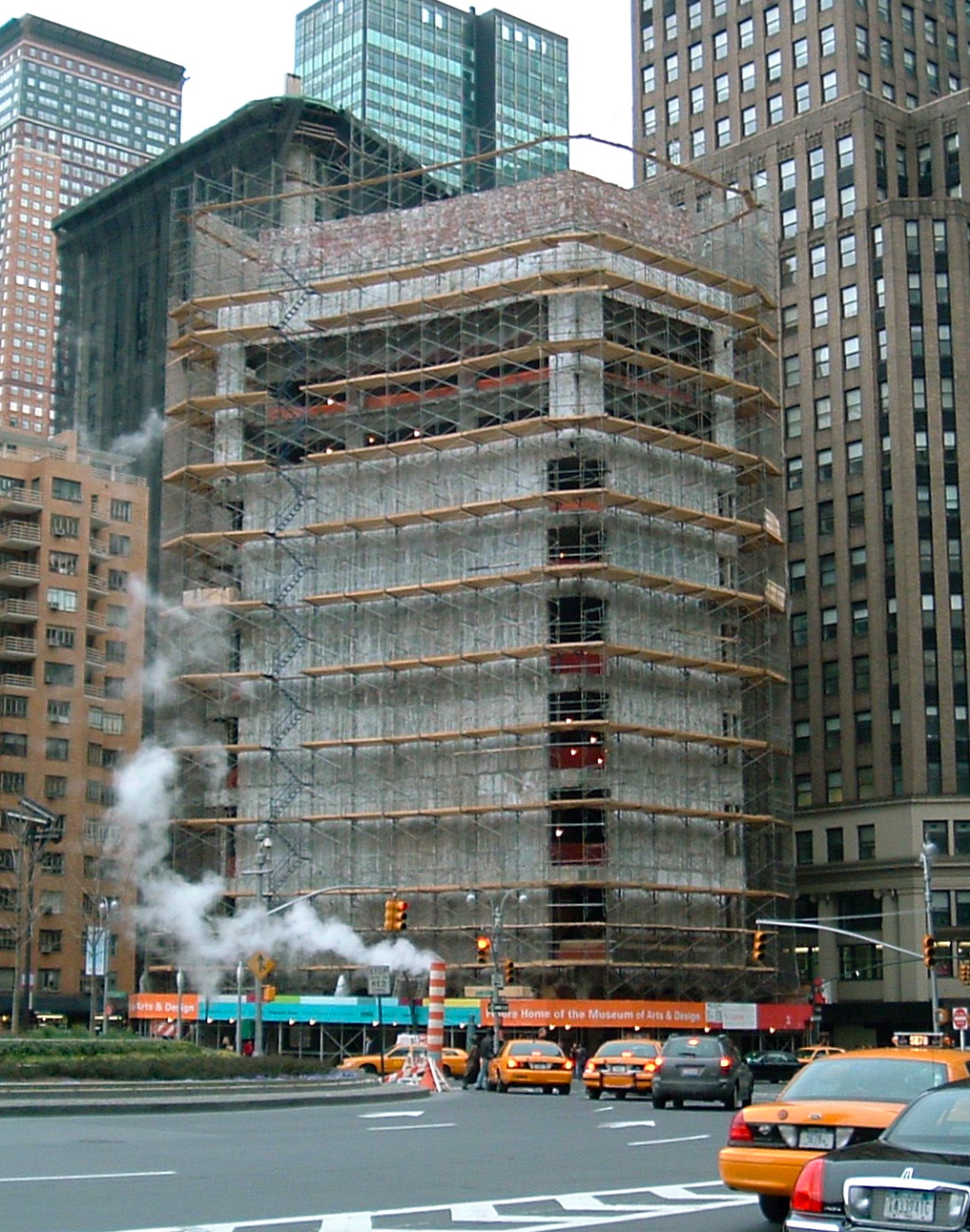
Established in 1988 as the Museum of American Financial History, MoAF was created to highlight the critical role of finance in the nation’s growth. Its original location at 26 Broadway, the former Standard Oil headquarters, eventually gave way to the historic Bank of New York building at 222 Broadway, an important New York City landmark. The museum’s founding was deeply inspired by Alexander Hamilton, whose vision shaped the U.S. financial system (NYC Tourism).
Evolution and Expansion
MoAF expanded its mission to include not only the preservation of historical artifacts, but also contemporary financial issues and financial literacy. The collection now comprises more than 10,000 items, including rare coins, stock and bond certificates, banknotes, and key financial documents. Educational programming has grown to include lectures, workshops, and seminars on a range of topics from financial crises to the contributions of women and minorities in finance.
Architectural and Locational Significance
The museum’s location at 222 Broadway, in the historic Bank of New York building established by Hamilton in 1784, places it among legendary sites like the New York Stock Exchange, Federal Hall, and Trinity Church (The Wall Street Experience). This setting enhances the visitor experience by connecting exhibits to their real-world context.
Significance in American Financial History
Preserving Financial Heritage
MoAF preserves invaluable pieces of financial history, including original stock certificates from companies such as Standard Oil and Ford, early American currency, and documents signed by financial luminaries like Hamilton and J.P. Morgan. These artifacts provide a direct link to pivotal moments in U.S. finance.
Educational Impact and Financial Literacy
Through interactive exhibits and educational initiatives, the museum fosters public understanding of investing, market history, and the roots and repercussions of financial crises. MoAF’s dedication to financial literacy bridges the gap between Wall Street and Main Street.
Chronicling Financial Crises and Innovations
Exhibits chronicle events such as the Panic of 1907, the Great Depression, and the 2008 financial meltdown, using original documents and multimedia to elucidate causes and effects. The museum also explores innovations like the creation of the Federal Reserve and the rise of digital finance, underscoring the evolving nature of the financial industry.
Museum of American Finance Visiting Hours and Tickets
Visiting Hours
As of June 2025, MoAF’s physical galleries and shop are temporarily closed while a new location is secured. However, offsite educational programs and special events continue. Always check the official website for the most current details on visiting hours and event schedules.
Tickets and Admission
There is no onsite admission at this time. For offsite and virtual events, ticketing information is available on the museum’s website. Many programs are free or require advance registration. When the museum is open, tickets are modestly priced, with discounts for students, seniors, and children.
Exhibits and Highlights
- Alexander Hamilton Room: Personal artifacts and documents that celebrate Hamilton’s influence on American finance.
- Financial Markets Gallery: Explores the history and mechanics of stock and bond markets.
- Money Gallery: Traces the evolution of American currency from colonial times to the present.
- Banking in America: Details the development of the banking system and its regulatory environment.
Temporary exhibits have addressed current topics such as cryptocurrency, women’s impact on finance, and recent financial crises.
Visitor Tips for a Memorable Visit
- Plan Ahead: Review the latest visiting hours and ticketing options on the museum’s website.
- Combine Experiences: Enhance your visit with walking tours of Wall Street and nearby historic sites (The Wall Street Experience).
- Engage with Programs: Attend lectures, workshops, or guided tours for a deeper understanding.
- Photography: Permitted in most areas, but flash and tripods may be restricted.
- Accessibility: The museum and its partner venues are wheelchair accessible; confirm accessibility for offsite events.
- Gift Shop: When open, the shop offers finance-themed books and souvenirs.
Nearby New York City Historical Sites
- New York Stock Exchange: Iconic financial landmark.
- Federal Hall: Site of George Washington’s inauguration.
- Trinity Church: Final resting place of Alexander Hamilton.
- Stone Street: Historic district with dining options.
- South Street Seaport: Waterfront area with shops and restaurants.
Frequently Asked Questions (FAQ)
Q: What are the current Museum of American Finance visiting hours?
A: The physical museum is temporarily closed; check the website for details on offsite events and reopening.
Q: How do I purchase tickets?
A: Tickets for offsite and virtual programs can be reserved online via the museum’s website.
Q: Is the museum accessible for visitors with disabilities?
A: Yes, all venues hosting MoAF events comply with ADA standards.
Q: Are guided tours available?
A: Guided tours are offered during special events and for group bookings; check the website for availability.
Q: What other attractions are nearby?
A: The Financial District is home to the New York Stock Exchange, Federal Hall, Trinity Church, and more.
Permanent Collections
MoAF’s permanent collection encompasses over 10,000 artifacts documenting the evolution of American finance (MoAF Collection). These include:
- Stock and bond certificates
- Historic currency and banknotes
- Checks, prints, engravings, and photographs
- Rare books and publications
- Early financial instruments and technology
Notable Artifacts
- Gilded Age Certificates: Featuring companies like US Steel and Standard Oil (MoAF Collection).
- Historic Currency: Including Civil War-era notes and early American bills (Lonely Planet).
- Oldest Wall Street Photograph: Documenting the transformation of the financial district.
- 1875 Stock Ticker: An early device for transmitting real-time financial data (Lonely Planet).
Special Collections
Detailed finding aids support research and genealogy studies of major U.S. financial institutions (MoAF Publications).
Signature Exhibitions
The Financial Markets
This cornerstone exhibition (2008–2018) explored how capital markets drive innovation, featuring:
- Media towers representing the NYSE and other institutions
- Interactive displays with original artifacts
- Exclusive films and interviews with financial leaders (MoAF Financial Markets Exhibit)
Technology and Innovation in Finance
Showcased technological advances such as:
- Bloomberg Terminal and Edison Universal Stock Ticker
- Historical ticker machines (MoAF Financial Markets Exhibit)
Thematic Displays
Topics include commodities markets, the U.S. National Debt Clock, and the Fortune Magazine Collection (MoAF Financial Markets Exhibit).
Temporary and Rotating Exhibitions
MoAF hosts rotating exhibits on figures like Alexander Hamilton and themes such as entrepreneurship, the evolution of banking, and financial crises. These are often paired with lectures and panel discussions (WhichMuseum).
Visitor Information
Directions and Transportation
The former museum location at 48 Wall Street is easily reached via subway lines 2, 3, 4, 5, J, and Z. Directions for offsite programs are provided per event.
Accessibility
All current and future MoAF venues adhere to ADA standards. Check event details for specific accommodations.
Guided Tours and Special Events
Guided tours and educational workshops are offered during select events; advance booking is recommended.
Books and Catalogs
- Genealogy of American Finance: A comprehensive history of the top 50 U.S. banks.
- A Billion to One: The Story of Herzog, Heine, Geduld, Inc.: Chronicles a major Wall Street firm (MoAF Publications).
Financial History Magazine
The quarterly Financial History magazine features scholarly articles on commerce and capital markets (MoAF Financial History Magazine).
Architectural and Historical Context
Previously housed in the grand Bank of New York building at 48 Wall Street, the museum offered a setting with 30-foot ceilings, Palladian windows, marble columns, and murals, creating an immersive historical atmosphere (Lonely Planet).
Cultural Impact of the Museum of American Finance
Preserving Financial Memory
Founded after the 1987 Stock Market Crash, MoAF documents the evolution of American markets and economic crises (Historic Lower Manhattan).
Promoting Financial Literacy
Through school programs, public seminars, and workshops, the museum makes finance accessible to all (NYC Arts).
Fostering Dialogue
Temporary exhibits and public programming address contemporary topics and encourage ethical discussion.
Community and Professional Engagement
MoAF is affiliated with the Smithsonian and partners with financial and educational organizations. Its quarterly Financial History magazine is internationally recognized.
Symbolic Presence
Located in Wall Street’s historic core, MoAF offers visitors a direct connection to America’s financial legacy (Tourist Places).
Discover More
The Museum of American Finance remains a cornerstone for understanding the history and ongoing evolution of the U.S. financial system. Despite its current search for a new permanent location, MoAF continues to fulfill its mission through educational programs, digital resources, and offsite events. Its extraordinary collection, thoughtfully curated exhibitions, and strategic location in the Financial District connect visitors to the forces shaping American capitalism.
Stay informed about reopening plans, visiting hours, and special events by visiting the Museum of American Finance official website. Download the Audiala app for personalized tours and explore related articles on New York City historical sites. Follow the museum on social media and subscribe to its publications for exclusive content.
Listen to the full story in the app
Your Personal Curator, in Your Pocket.
Audio guides for 1,100+ cities across 96 countries. History, stories, and local insight — offline ready.
Audiala App
Available on iOS & Android
Join 50k+ Curators
Sources
- verified
- verified
- verified
- verified
- verified
- verified
- verified
- verified
Last reviewed: