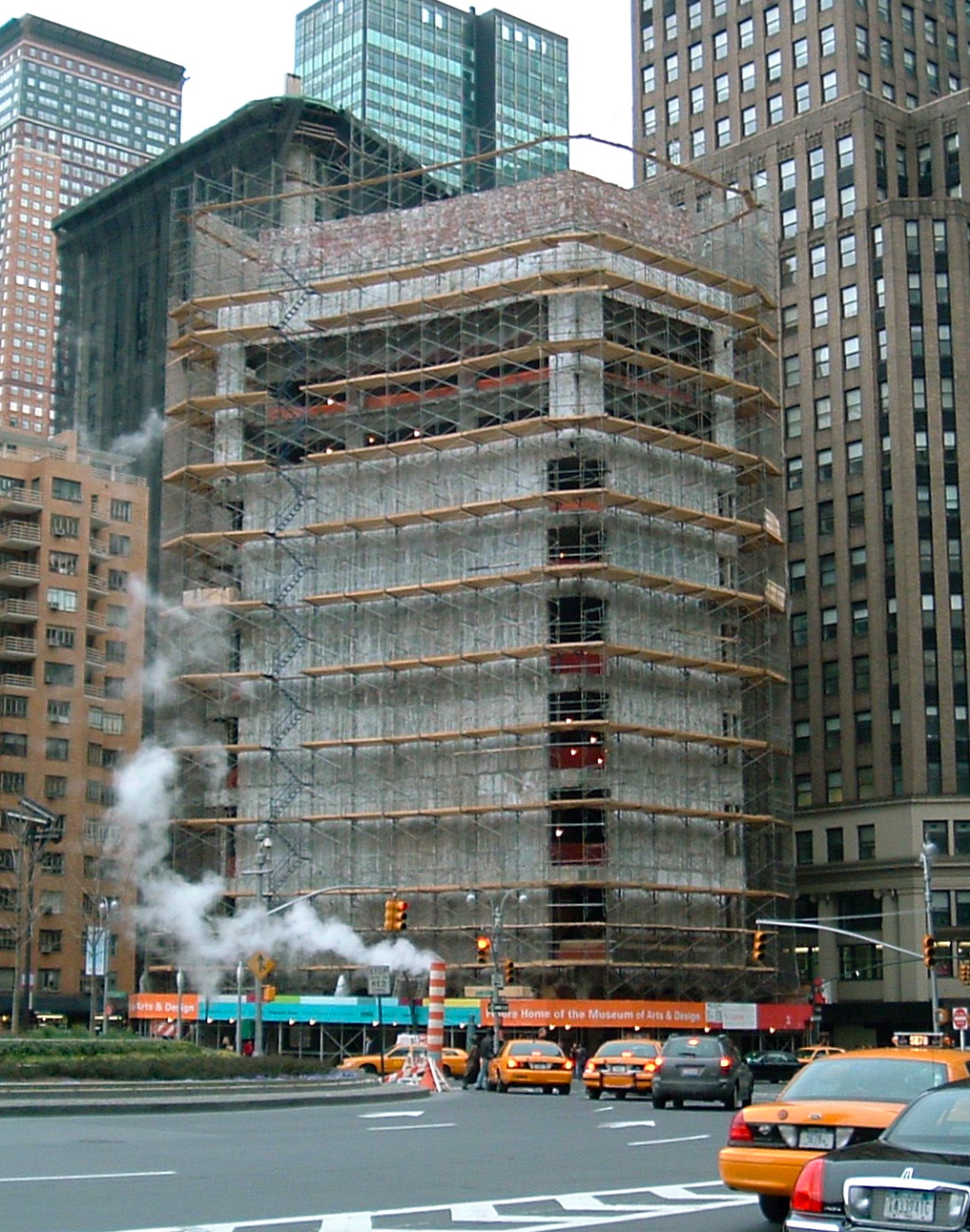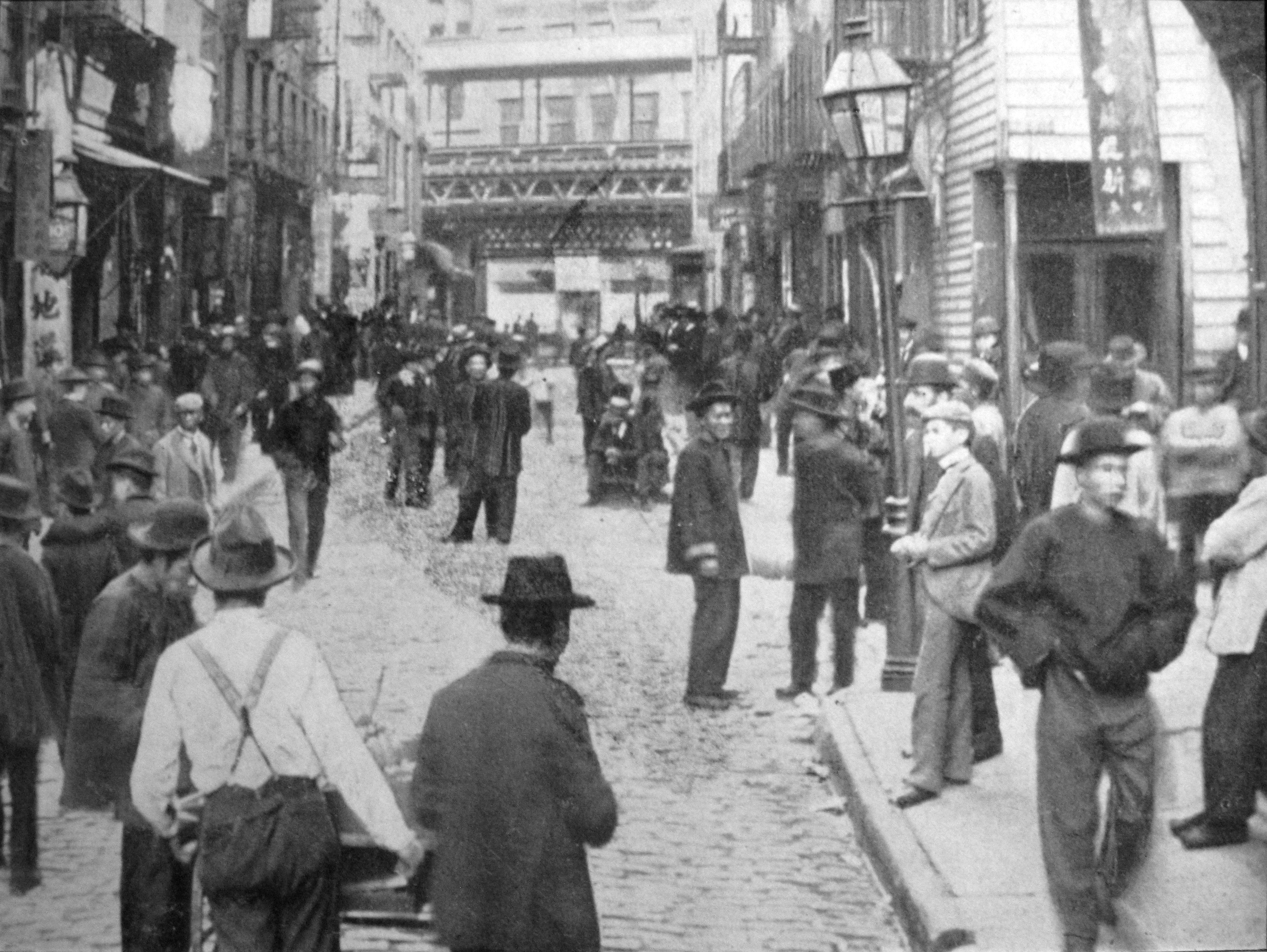
Introduction
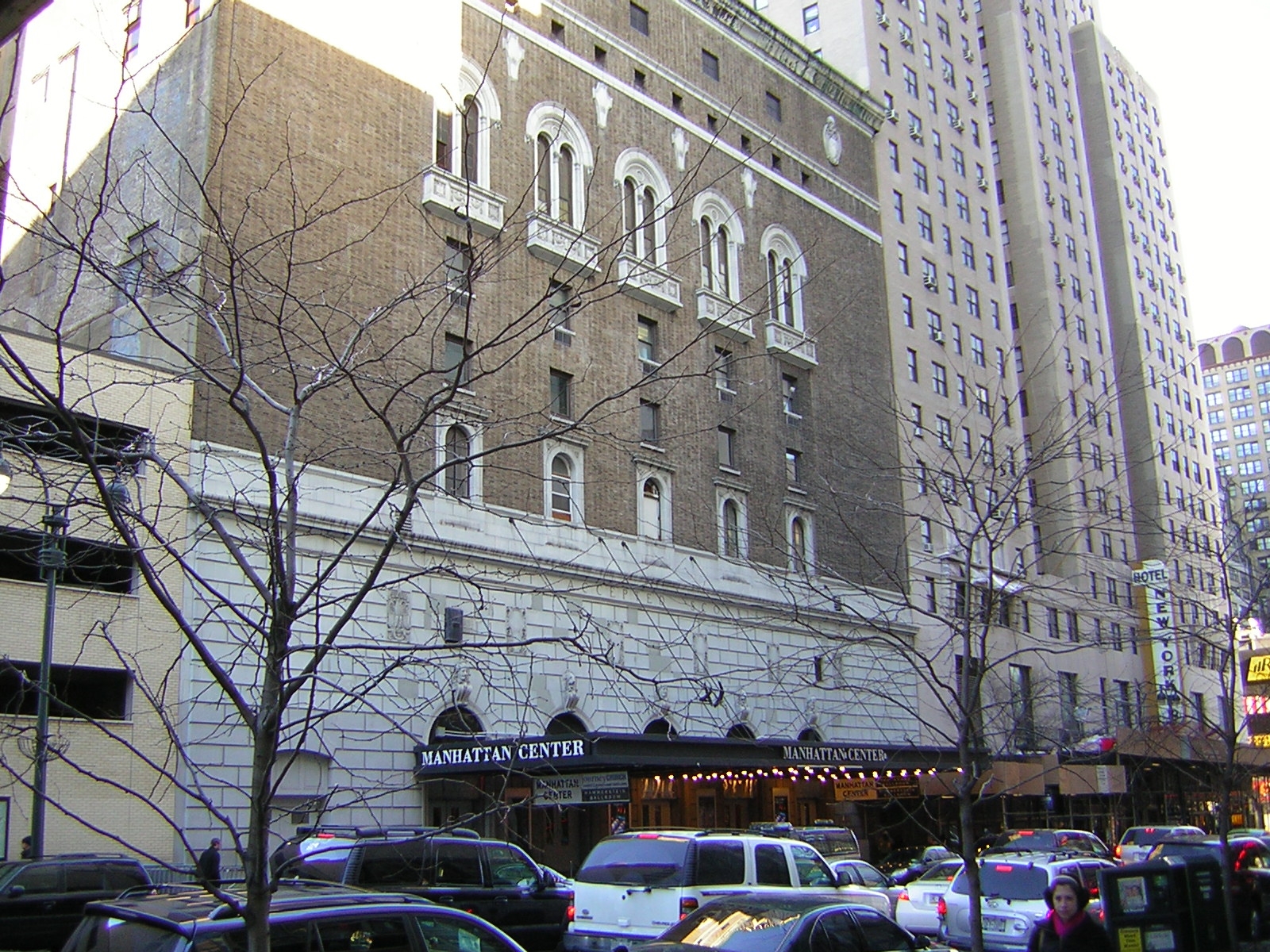
Located at 311 West 34th Street in Midtown Manhattan, the Manhattan Center is a celebrated example of New York City’s dynamic blend of historic grandeur and contemporary arts. Since its opening as the Manhattan Opera House in 1906, the Center has evolved into a premier destination for concerts, performing arts, festivals, and immersive events. Whether you are a culture enthusiast, a first-time visitor, or a local, the Manhattan Center offers an inspiring journey through New York’s rich architectural and cultural legacy (NYC Landmarks, NY City Center, doNYC).
Origins and Early Years
The Manhattan Center originally opened as the Manhattan Opera House in 1906, commissioned by Oscar Hammerstein I to rival the Metropolitan Opera. Its Beaux-Arts design attracted New York’s elite, and the venue quickly became a cultural hub. By 1910, the Metropolitan Opera acquired the building, ending its brief competition. Throughout the early 20th century, it served various roles—including vaudeville theater, labor union hall, and convention center—mirroring the city’s ever-changing landscape (NYC Landmarks).
20th-Century Transformation
As the city grew, the Manhattan Center adapted, with its Grand Ballroom and Hammerstein Ballroom gaining reputations for versatility and excellent acoustics. From swing orchestras in the 1930s to political rallies and rock concerts, the Center remained central to New York’s arts and public life. Its proximity to Penn Station and Madison Square Garden made it a popular and accessible venue (NYC Advisor).
Recent Developments
Late 20th- and early 21st-century renovations preserved historical details while upgrading infrastructure and technology. Today, the Center hosts everything from major concerts and corporate events to eSports tournaments and televised productions, drawing diverse audiences from around the world (doNYC).
Architectural Highlights
Beaux-Arts Features
The Manhattan Center stands as a prime example of Beaux-Arts architecture, with its grand facades, ornate cornices, pilasters, and arched windows. These features reflect the civic pride and cultural ambition of early 20th-century New York (ArchitectureCourses.org).
Grand Ballroom
The Grand Ballroom features soaring ceilings, intricate plasterwork, and capacity for up to 1,200 guests. Its refined acoustics and flexible space make it ideal for weddings, galas, and performances.
Hammerstein Ballroom
With a capacity of about 2,500, the Hammerstein Ballroom is famed for its proscenium arch, detailed moldings, and sweeping mezzanine views. It regularly hosts high-profile concerts, televised productions, and awards shows (NYC Advisor).
Preservation and Modernization
Recent upgrades honor the original design while introducing advanced audio-visual systems, improved accessibility, and renovated backstage facilities (ArchitectureCourses.org).
Context in Midtown
Situated near Madison Square Garden and Penn Station, the Manhattan Center remains a striking historical counterpoint amid Midtown’s modern skyscrapers (Study.com).
Cultural Significance & Event Offerings
Flagship Series & Resident Companies
Fall for Dance Festival
An annual celebration featuring both renowned and emerging dance troupes, with affordable tickets that make global dance accessible to broad audiences (NY City Center).
Encores! Series
This Tony Award-winning series revives rarely performed American musicals, preserving the nation’s musical theater heritage (NY City Center).
Alvin Ailey American Dance Theater
A resident company, Alvin Ailey brings innovative dance rooted in African American culture, attracting audiences from around the world (NY City Center).
Community & Education
The Center offers workshops, student matinees, and outreach across all five boroughs, nurturing the next generation of performers and audiences (NY City Center).
Notable Performers & Collaborations
Over the years, the Manhattan Center has hosted legendary companies—including the Manhattan Theatre Club and Nederlands Dans Theater—and artists from diverse backgrounds (NY City Center).
Event Types & Spaces
- Mainstage: For large-scale productions and concerts.
- Studios: For rehearsals, workshops, and smaller performances.
- Art Installations: Occasional visual art exhibitions complement the Center’s performing arts programming.
Visitor Information
Visiting Hours
The Center is open according to event schedules. For most events, doors open about 30 minutes before showtime. The box office typically operates Monday–Saturday, Noon–8pm, and Sunday, Noon–7:30pm (Official Manhattan Center Website).
Tickets & Purchasing
Tickets can be purchased online, by phone, or at the box office. Early booking is recommended. Special pricing—including discounted and rush tickets—is available for students, seniors, and community members.
Accessibility
The Manhattan Center is ADA-compliant, with wheelchair seating, accessible restrooms, and assistive listening devices. Guests are encouraged to request accommodations when purchasing tickets (nycitycenter.org, blog.wheeltheworld.com).
Special Events & Guided Tours
Occasional guided tours explore the Center’s history and architecture, and special programs include artist talks and immersive experiences. Check the official website for current offerings.
Nearby Attractions
The Center’s Midtown location puts it within walking distance of:
- Times Square
- Bryant Park
- The Empire State Building
- Madison Square Garden
- New York Public Library (NYC Advisor)
Amenities & Practical Tips
Dining
Midtown offers everything from historic steakhouses (Keen’s) to food halls like Chelsea Market and Urban Hawker. Many restaurants are wheelchair accessible (Busy Tourist).
Shopping
Nearby options include Fifth Avenue boutiques, Macy’s at Herald Square, and flagship stores in Times Square.
Nightlife
Highlights include rooftop bars like 230 Fifth, cocktail lounges such as Goldbar, and renowned jazz clubs (Time Out).
Parks & Outdoor Spaces
Bryant Park and Central Park provide green escapes, free events, and public Wi-Fi.
Transportation
Accessible subway stations (34th St–Penn Station and 34th St–Herald Square), bus routes, and nearby parking garages make getting to the Center convenient (NYC.com Visitor Guide).
Accommodation
Options range from historic hotels like The New Yorker to budget-friendly choices like Pod Times Square.
Safety & Visitor Services
- Arrive early to avoid crowds.
- Use secure storage for personal items.
- Accessible emergency procedures are in place.
Frequently Asked Questions (FAQ)
What are the Manhattan Center’s visiting hours?
Box office: Monday–Saturday, Noon–8pm; Sunday, Noon–7:30pm. Event hours vary—see the official website for details.
How do I purchase tickets?
Online, by phone, or at the box office. Early booking is advised.
Is the Center wheelchair accessible?
Yes—wheelchair seating, accessible restrooms, and assistive devices are available.
Are service animals permitted?
Yes, throughout the venue.
Are there guided tours?
Occasional tours are offered; check the official website for schedules.
Can I take photographs?
Generally permitted during events, but always check event-specific policies.
Discover More
The Manhattan Center is a living symbol of New York’s architectural legacy and vibrant arts scene. Its rich history, diverse programming, and strong commitment to accessibility make it a must-visit for locals and tourists alike. To plan your visit, secure tickets, and explore current events, visit the Manhattan Center official website.
Enhance your experience by downloading the Audiala app for personalized recommendations, seamless ticketing, and real-time updates. Follow us on social media for insider tips and exclusive content.
Listen to the full story in the app
Your Personal Curator, in Your Pocket.
Audio guides for 1,100+ cities across 96 countries. History, stories, and local insight — offline ready.
Audiala App
Available on iOS & Android
Join 50k+ Curators
Sources
- verified
- verified
- verified
- verified
- verified
- verified
Last reviewed: