

Historical Background: The Audubon Ballroom and Its Transformation
Origins and Significance
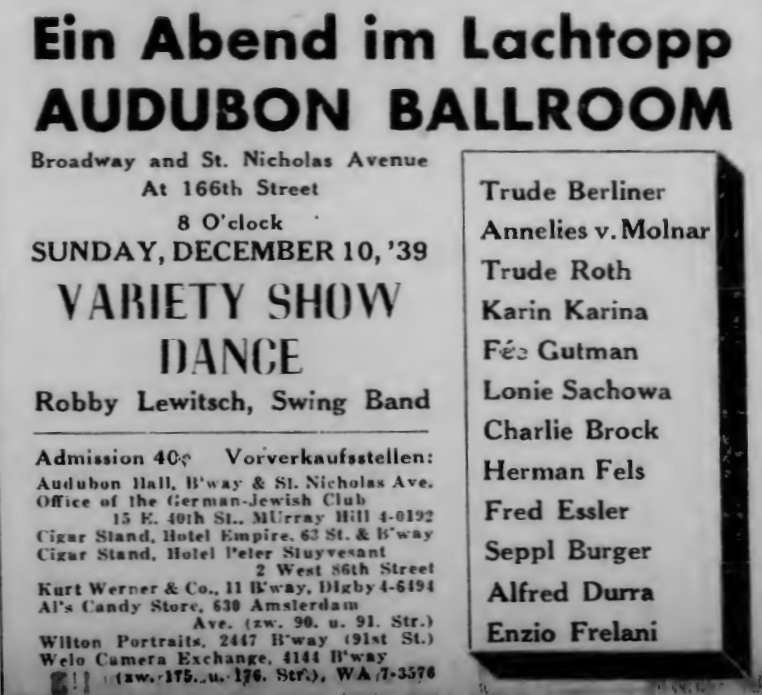
Constructed in 1912, the Audubon Ballroom was originally a vaudeville and movie palace designed by famed architect Thomas W. Lamb. Over the decades, it evolved into a neighborhood hub, hosting festivals, community gatherings, and later, significant events in the civil rights movement (Wikipedia). The Ballroom’s grand terracotta façade and ornate interiors made it a local icon.
Malcolm X and the Audubon Ballroom
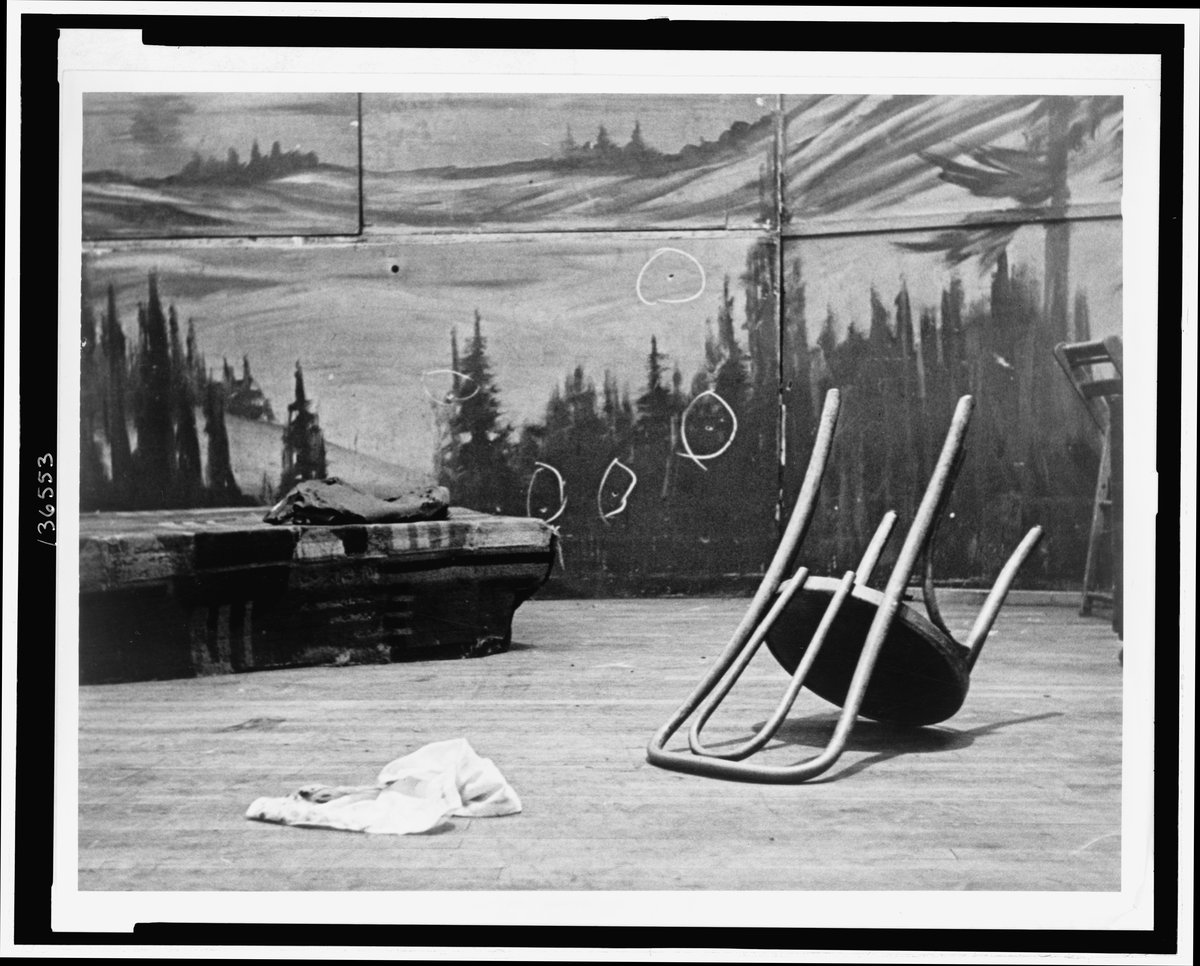
After splitting from the Nation of Islam, Malcolm X founded the Organization of Afro-American Unity (OAAU) and held meetings at the Audubon Ballroom. On February 21, 1965, he was assassinated here, marking a watershed moment in American history and forever linking the site to the ongoing struggle for justice and equality (Wikipedia; CUNY Commons).
Decline and Preservation
Following years of decline and a period as the San Juan Theater, the building fell into disrepair. In the late 1980s, plans for demolition to make way for a Columbia University biomedical facility prompted a preservation movement. Activists—including Dr. Betty Shabazz—secured a compromise, preserving the Ballroom’s façade and key interior spaces. The site was transformed into the Malcolm X and Dr. Betty Shabazz Memorial and Educational Center, reopening in 2005 (NYC Preservation Archive Project).
The Memorial and Educational Center: Purpose and Experience
Honoring Two Icons
The Center is dedicated to both Malcolm X—global symbol of Black liberation—and Dr. Betty Shabazz, a tireless educator and advocate for civil and human rights. Their intertwined legacies are celebrated through:
- A gold-colored statue of Malcolm X at a podium, evoking his final speech (CUNY Commons),
- A dramatic mural depicting scenes from his life,
- Interactive digital kiosks featuring archival photos, video interviews, family memories, and historic footage (The Clio),
- Rotating exhibits focused on civil rights, contemporary social justice, and Black cultural heritage (NYC-Arts).
Educational Programming and Community Engagement
The Center offers guided tours, curriculum-aligned workshops, lectures, and youth leadership development programs. Annual commemorative events—such as Malcolm X’s birthday (May 19), Juneteenth, and special lectures—connect historic struggles to present-day movements like Black Lives Matter (Amsterdam News; Dwight Hall). Partnerships with local schools and organizations amplify the Center’s impact.
Preservation as Resistance
The transformation of the Audubon Ballroom into the Shabazz Center is a testament to community activism and the power of preservation. Saving the site from demolition turned a place of tragedy into a beacon for education, reflection, and empowerment (Saving Places).
Practical Visitor Information
Address and Directions
- Location 3940 Broadway, New York, NY 10032 (corner of West 165th Street)
- Public Transit 1, A, and C subway lines (168th Street or 157th Street stations); M4 and M100 bus routes
- Parking Limited street parking—public transportation strongly recommended
Hours and Admission
- Visiting Hours Tuesday–Saturday, 10:00 AM–5:00 PM (closed Sundays and Mondays). For the most current hours and special event schedules, check the official website or Eventbrite page.
- Admission Free for all visitors. Guided tours for individuals, groups, or schools can be booked in advance; reservations are recommended for large groups and special events.
Accessibility and Amenities
- Accessibility Fully wheelchair accessible with ramps, elevators, and accessible restrooms.
- Photography Permitted in most public spaces; flash may be restricted in certain exhibit areas.
- Gift Shop Offers books, memorabilia, and items related to Malcolm X, Dr. Betty Shabazz, and Black history.
- Facilities Restrooms, quiet reflection areas, and event spaces for rental.
Exhibits, Events, and Visitor Experience
Memorial Spaces and Exhibits
- Malcolm X Memorial Mural, interpretive panels, and floor marker at the site of assassination.
- Digital Kiosks Access to rare archival photos, interviews, and multimedia resources (The Clio).
- Educational and Art Exhibits Rotating displays on civil rights, Black art, and ongoing struggles for justice.
Signature Events
- Malcolm X’s Birthday (May 19) Talks, performances, and community celebrations.
- Juneteenth Family-friendly festival with music, vendors, and cultural programming.
- Lectures and Workshops Discussions on reparative justice, racial equity, and activism.
Community Impact
The Center is a catalyst for community dialogue, healing, and leadership development. Initiatives like the Malcolm X and Dr. Betty Shabazz Scholarship Fund reflect a commitment to educational empowerment (Medium).
Nearby Attractions and Planning Your Visit
- Explore Washington Heights Visit the Morris-Jumel Mansion, Hamilton Grange, Fort Tryon Park, and The Cloisters.
- Dining and Shopping The area features diverse cuisine and local shops.
- Travel Tips Wear comfortable shoes, allow 1–2 hours for your visit, and check for special events or extended hours during commemorations.
Frequently Asked Questions (FAQ)
Q: What are the visiting hours?
A: Tuesday–Saturday, 10:00 AM–5:00 PM. Confirm on the official website for updates.
Q: Is admission free?
A: Yes, with special events or tours requiring reservation.
Q: Are guided tours available?
A: Yes, for individuals, groups, and schools. Book in advance online or by phone.
Q: Is the Center wheelchair accessible?
A: Yes, fully accessible.
Q: Can I take photographs?
A: Yes, except where posted. Flash may be restricted.
Q: What’s the best way to get there?
A: Public transportation is recommended due to limited parking.