Introduction
The Lenox Library represents a foundational chapter in the evolution of both New York City's cultural landscape and the broader American public library system. Established in 1870 by philanthropist James Lenox as a private repository for rare books and manuscripts, the library set new standards for the preservation and accessibility of knowledge. Though the original building was demolished in 1912, the Lenox Library’s collections and mission live on within the New York Public Library’s (NYPL) Stephen A. Schwarzman Building, while its original site is now home to the Frick Collection. This guide explores the Lenox Library’s heritage, architectural legacy, and practical information for visitors—offering insights for history enthusiasts, bibliophiles, and travelers eager to experience one of New York City’s treasured landmarks (NYPL Blog), (NYPL Archives), (Britannica).
Photo Gallery
Explore Lenox Library in Pictures
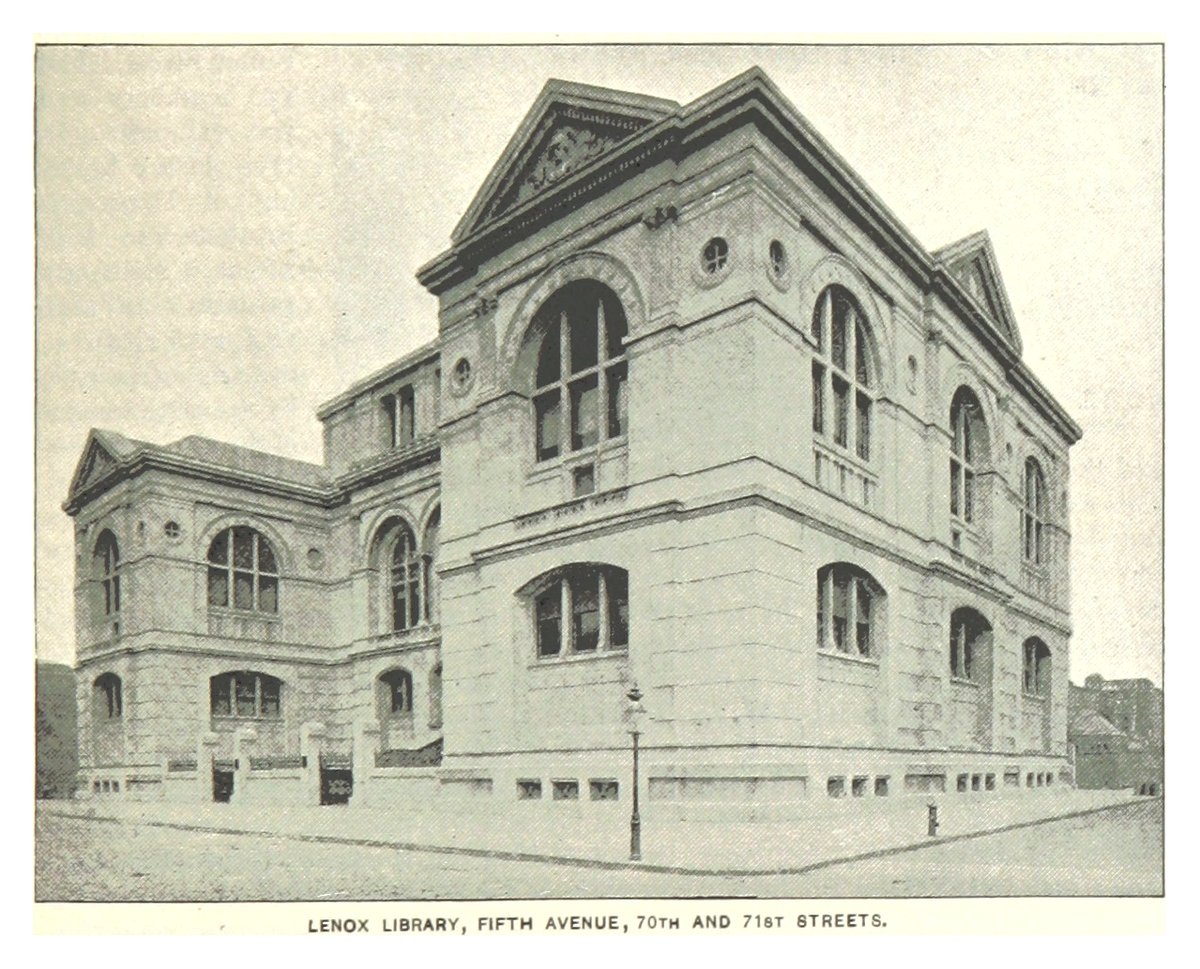
Photograph of the Lenox Library located on Fifth Avenue between 70th and 71st Streets in New York City, captured in 1893. The image showcases the historic architecture of the library building during that period.
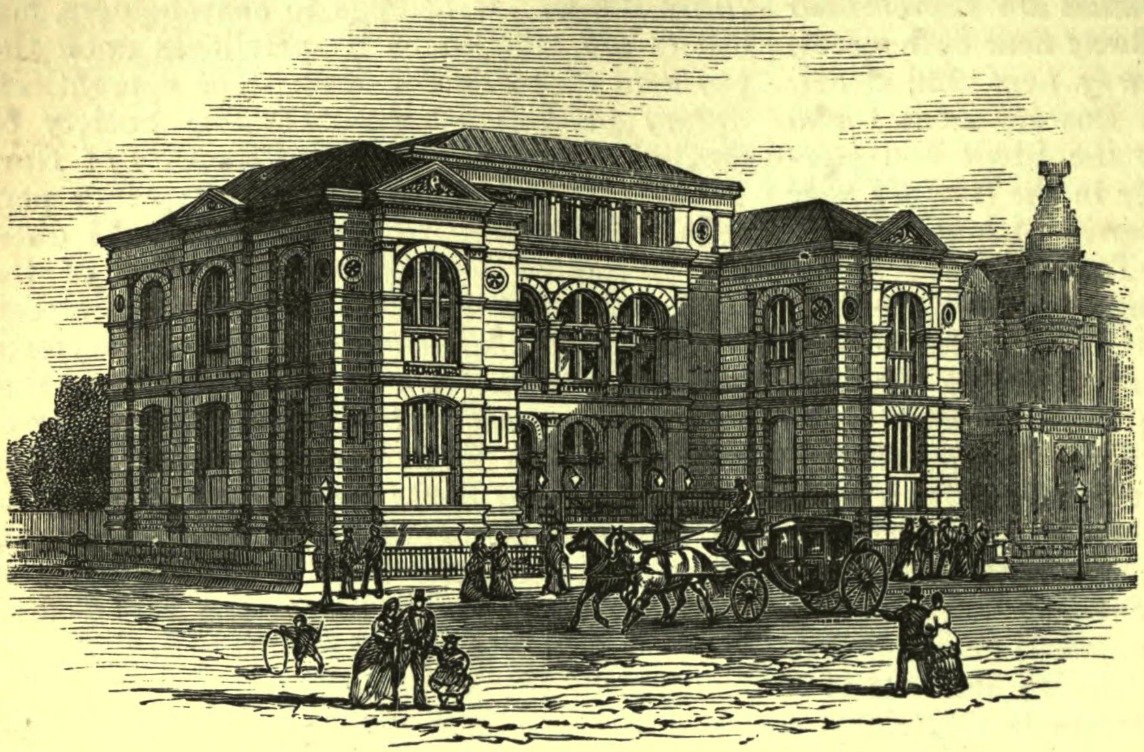
Detailed wood engraving depicting the historic Lenox Library building in New York City, showcasing its architectural features and surroundings.
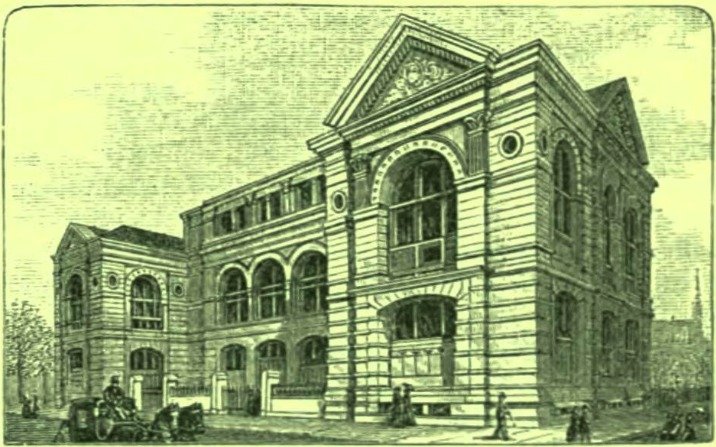
Historical drawing of the Lenox Library building located in New York City, showcasing 19th-century architecture
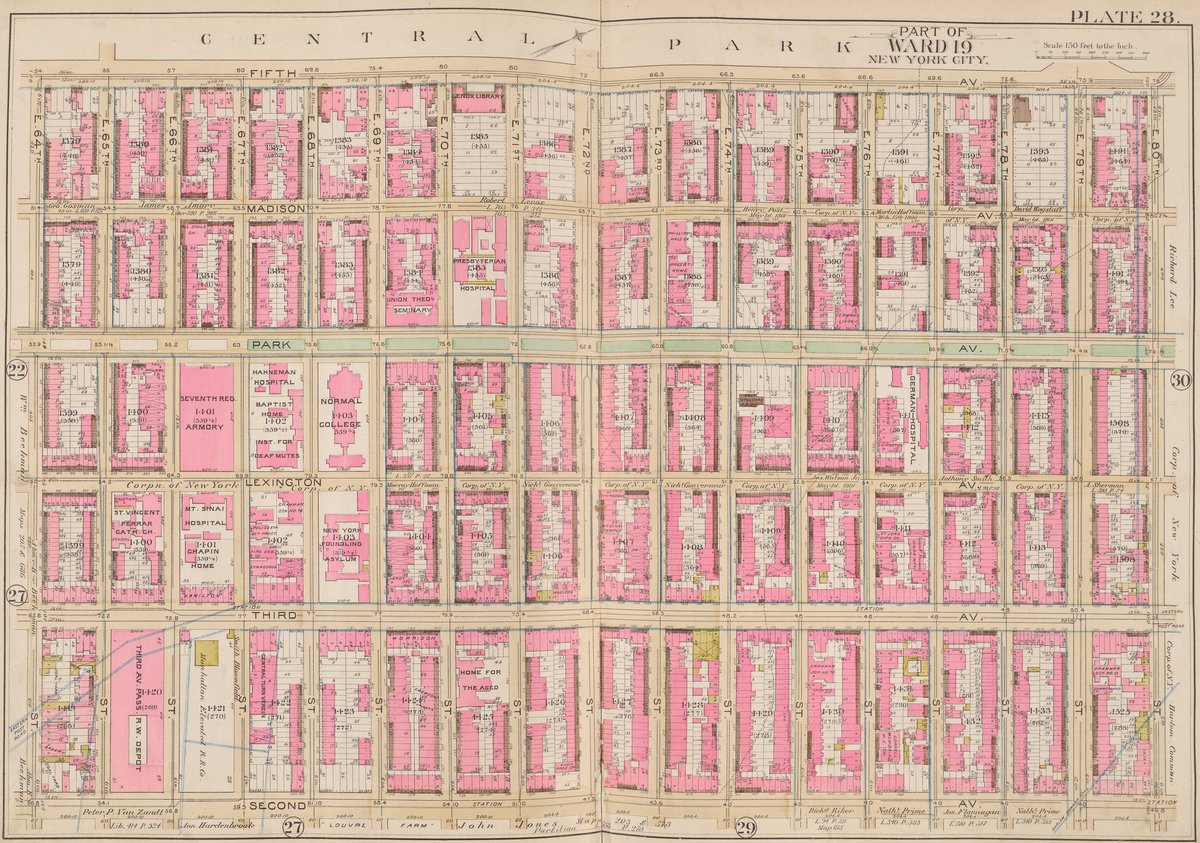
Plate 28 from Bromley Atlas of the City of New York Manhattan Island published in 1891, depicting Upper East Side Manhattan with significant buildings such as Central Turn-Verein, New York Foundling Asylum, New York Normal College, Union Theological Seminary, and Lenox Library along streets like Eas
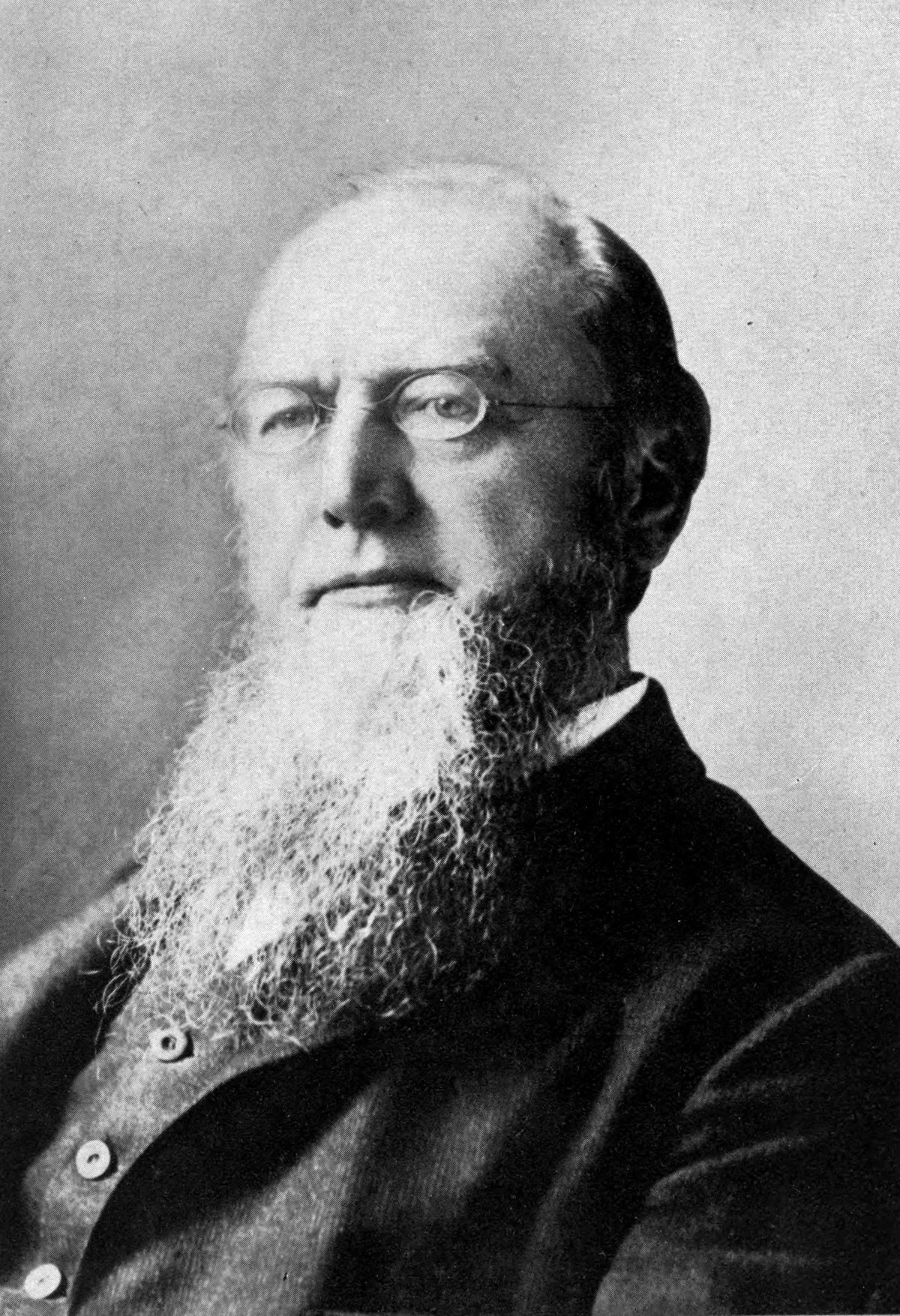
Black and white photograph of George Henry Moore, notable United States historical writer and the first superintendent of the Lenox Library, part of the New York Public Library
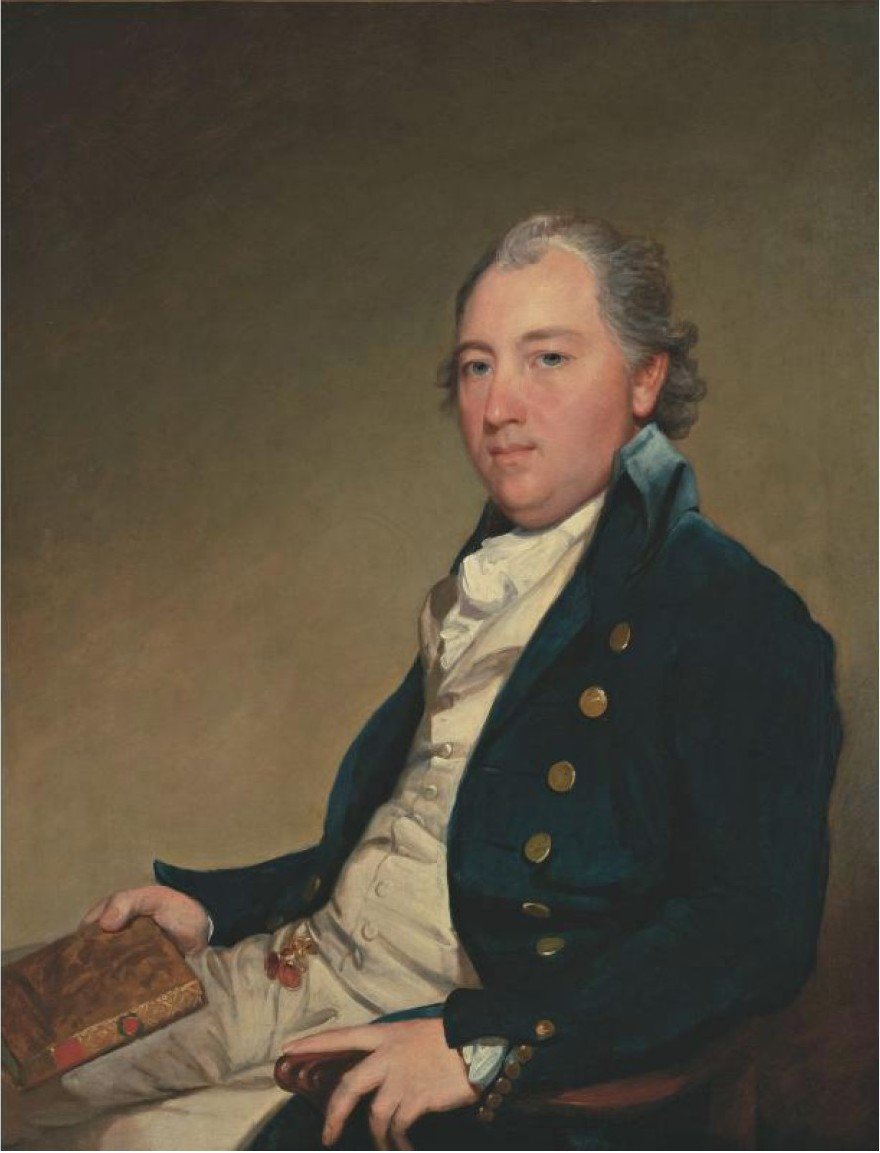
A historical painted portrait of John Campbell, a figure from 1756-1817, formerly owned by the Lenox Library.
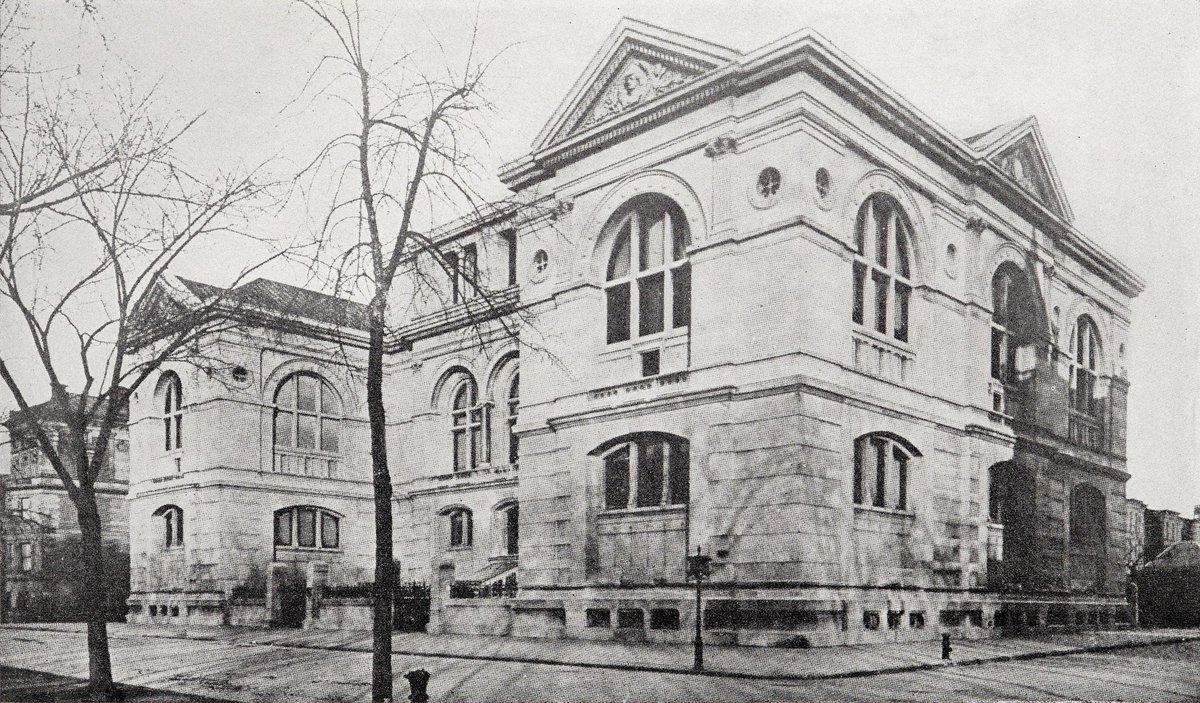
Historic Lenox Library located on Fifth Avenue between 70th and 71st Streets in New York City, showcasing classic architecture
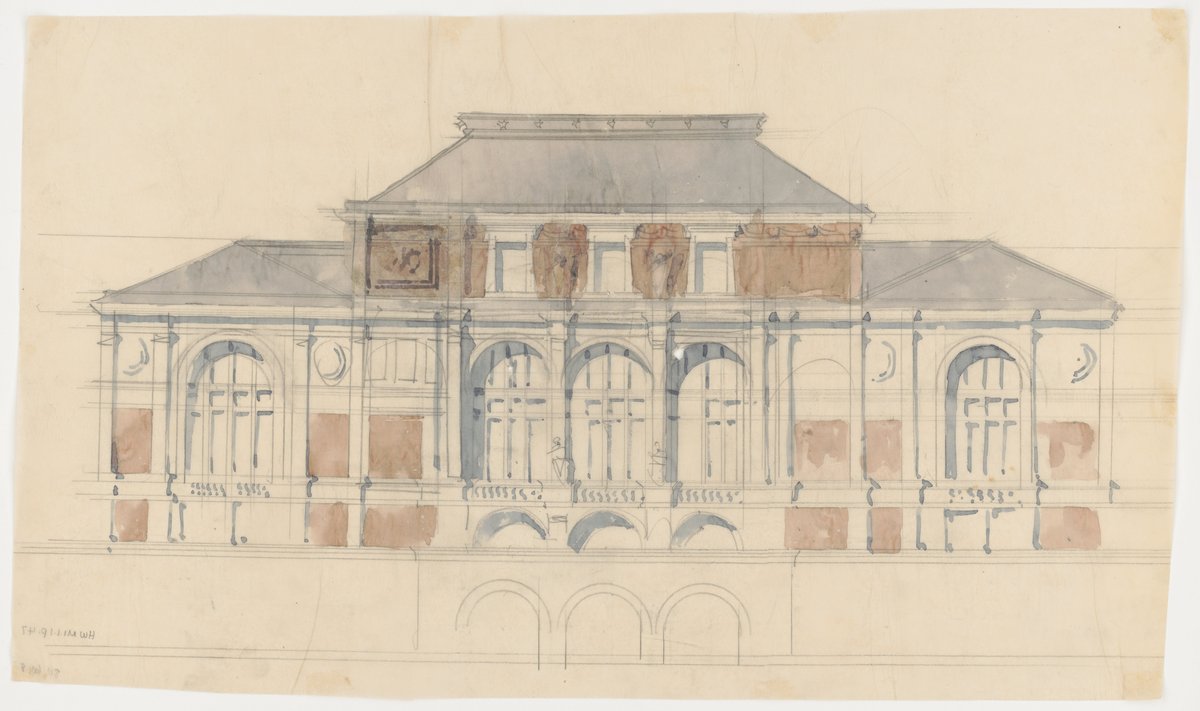
Architectural elevation of the Lenox Library in New York City, watercolor and graphite drawing on tracing paper, 28 x 47 cm.
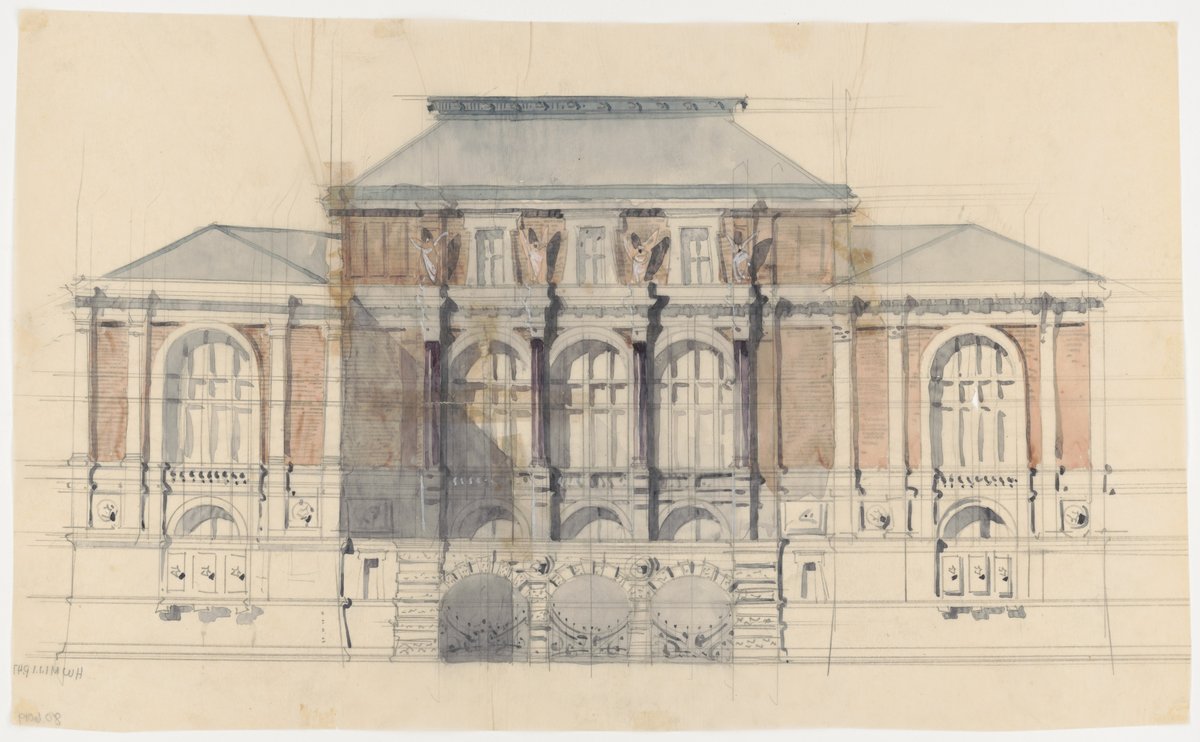
Watercolor and graphite architectural elevation drawing of the Lenox Library in New York, showing detailed facade and structure on tracing paper, 28 x 47 cm.
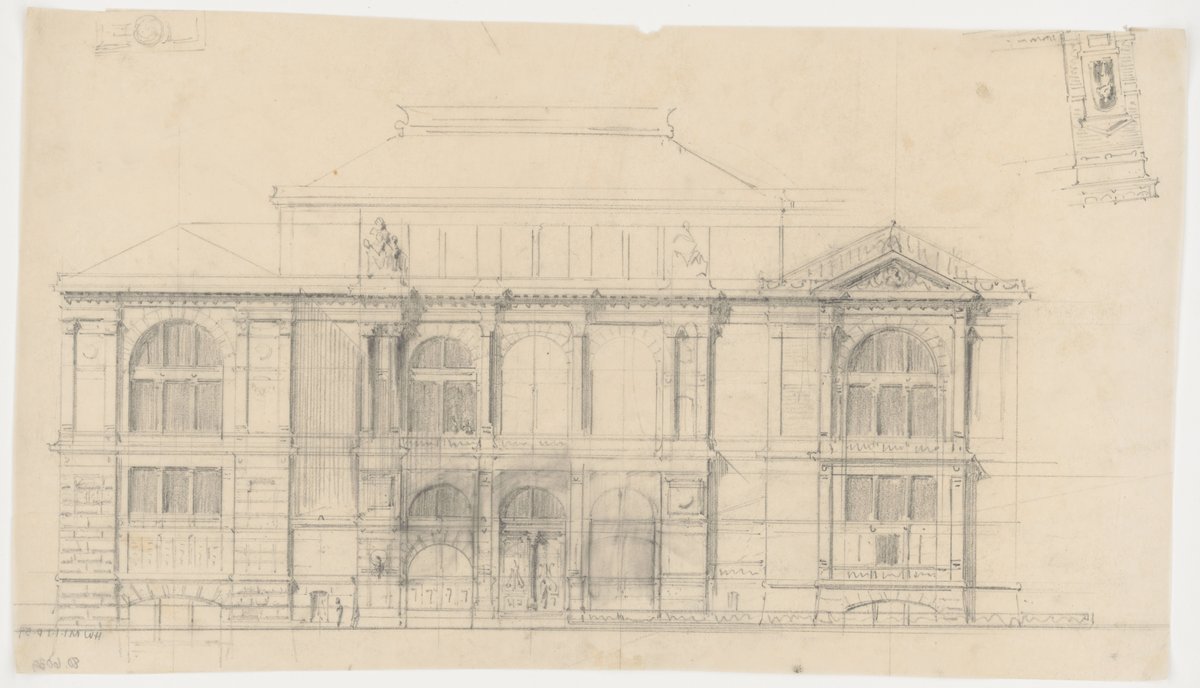
Detailed graphite elevation drawing of the historic Lenox Library building in New York City, created on tracing paper, showcasing architectural design with fine lines and shading.
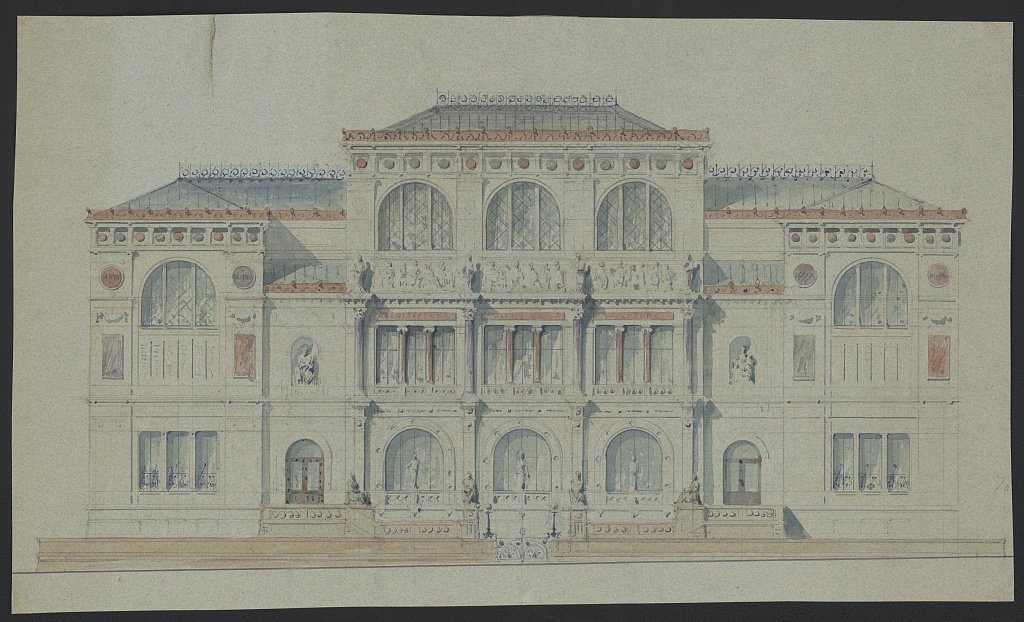
Watercolor and graphite architectural drawing of the Lenox Library facade elevation in New York, on gray paper, 28 x 47 cm.
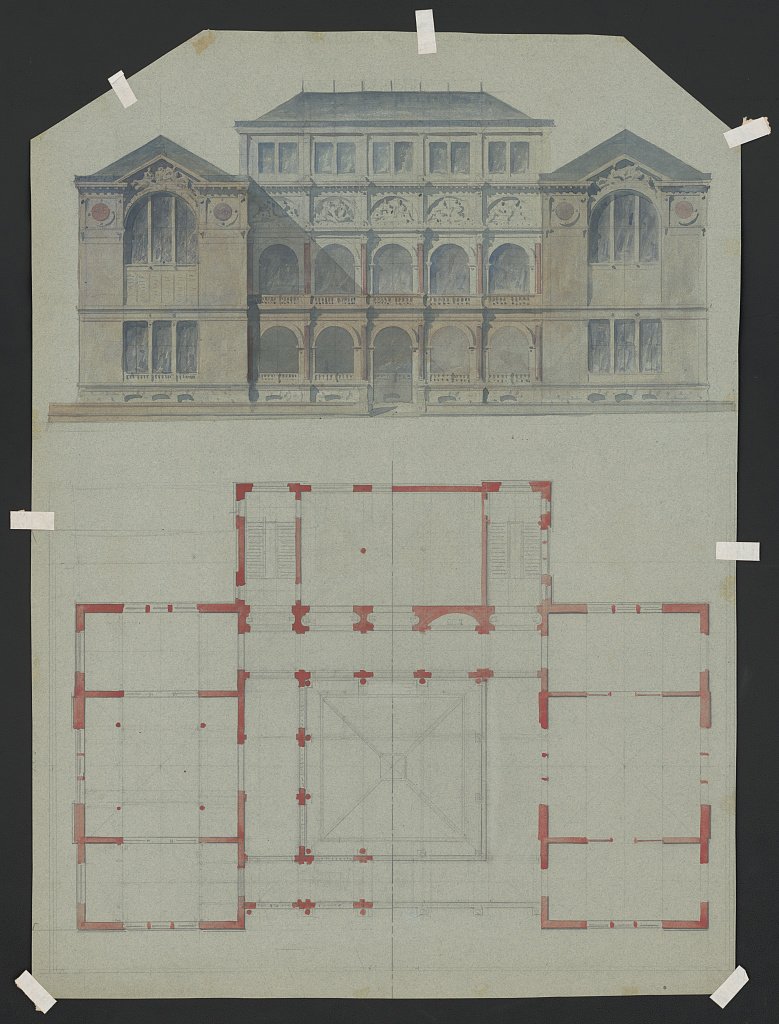
Architectural drawing of Lenox Library in New York City showing the facade elevation and plan, created with watercolor and graphite on gray paper.
Founding and Early Development
James Lenox, a prominent 19th-century philanthropist, established the Lenox Library in 1870 as a private reference library for rare books, manuscripts, and art. His vision was realized in the French Renaissance-style building designed by Richard Morris Hunt, located on Fifth Avenue between 70th and 71st Streets. The library opened to the public in 1877, albeit with restricted access; visitors needed to demonstrate scholarly intent (NYPL Blog), (Classic New York History).
Collections and Holdings
At its peak, the Lenox Library housed approximately 85,000 volumes, including one of the few Gutenberg Bibles in the United States, early editions of Shakespeare, and a significant array of Americana, Bibles, incunabula, prints, paintings, and maps. Lenox’s selective collection policy emphasized rarity and scholarship over popular appeal, which shaped both the library’s reputation and criticism for exclusivity (Britannica).
Role in New York’s Cultural Landscape
Despite its restricted access, the Lenox Library became a nucleus for American bibliographic standards and scholarship. It drew intellectuals from across the country, influencing the development of public libraries by highlighting the need for greater accessibility. Satirical commentaries of the era, such as those in Life magazine, underscored the tension between exclusivity and public service (NYPL Blog).
Merger and Legacy
By the late 19th century, the limitations of the Lenox Library model became clear. In 1895, a merger with the Astor Library and the Tilden Trust formed the NYPL, aiming to create a comprehensive public institution. The Lenox Library’s collections became a cornerstone of the NYPL’s Research Libraries. The original Lenox Library building was demolished in 1912; the Frick Collection now occupies its site (Classic New York History), (NYPL Blog).
Architectural Significance
The Lenox Library building, designed by Richard Morris Hunt, epitomized Gilded Age grandeur and innovation. Its French Renaissance style and fireproof design influenced future public buildings in New York, particularly the NYPL’s Stephen A. Schwarzman Building, which opened in 1911 and incorporated similar monumental and secure design elements (Classic New York History), (NYPL Blog).
Cultural and Scholarly Impact
The Lenox Library set high standards for rare book cataloguing and preservation, helping establish New York as a global center for research, culture, and learning. The 1895 merger democratized access to the collections, transforming them from elite resources into public treasures accessible at the NYPL (Britannica).
Visiting the Lenox Library’s Legacy Today
Although the original Lenox Library building has been lost, its collections and spirit remain accessible at the NYPL’s Stephen A. Schwarzman Building (476 Fifth Avenue at 42nd Street).
Visiting Hours
- Monday to Saturday: 10:00 AM – 6:00 PM
- Sunday: 1:00 PM – 5:00 PM
Check the NYPL website for holiday hours.
Admission and Tickets
- General admission and exhibitions are free.
- Some special events or exhibitions may require tickets; visit the NYPL events calendar.
Accessibility
- The building is wheelchair accessible, with assistive services available upon request.
Guided Tours and Exhibitions
- Free guided tours of the Schwarzman Building are offered, often featuring the Lenox collections. Advance registration is recommended (NYPL Tours).
- Exhibitions regularly showcase treasures from the Lenox legacy.
Special Collections Access
- Viewing rare materials requires advance appointments or permissions via the NYPL Research Division.
Photography
- Non-flash photography is permitted in public areas. Restrictions may apply in certain galleries or reading rooms.
The Frick Collection
- Occupies the former site of the Lenox Library at 1 East 70th Street, NY.
- Typical hours: Tuesday to Saturday, 10:00 AM – 6:00 PM; Sunday, 11:00 AM – 5:00 PM.
- Admission fees apply; see Frick Collection website for details.
Practical Tips for Tourists
- Use subway stations such as 42nd Street–Bryant Park or Grand Central Terminal for easy access to the NYPL (History Hit).
- Plan ahead for tours or special collections access.
- Combine your library visit with nearby attractions like Bryant Park and the Frick Collection for a richer experience.
- Check the NYPL website for the latest visiting hours and event updates.
Frequently Asked Questions (FAQ)
Q: What are the Lenox Library’s visiting hours?
A: The collections are accessible at the NYPL’s Stephen A. Schwarzman Building, open Monday to Saturday, 10:00 AM–6:00 PM, and Sunday, 1:00 PM–5:00 PM.
Q: Are tickets required for entry?
A: General admission is free. Some special events may require tickets.
Q: Can I visit the original Lenox Library building?
A: No; the building was demolished in 1912. The site is now the Frick Collection, which is open to visitors.
Q: Are guided tours available?
A: Yes; the NYPL offers free guided tours of the Main Branch, including highlights of the Lenox collections.
Q: How can I view rare books and manuscripts?
A: Schedule an appointment with the NYPL Research Division for access to special collections.
Discover More
The Lenox Library’s transformation from an exclusive scholarly institution to a pillar of public access embodies the evolution of libraries in America. Its collections and ideals live on in the NYPL’s Stephen A. Schwarzman Building and the Frick Collection. Visitors can experience this legacy through free exhibitions, guided tours, and access to rare materials. To make the most of your visit, consult the NYPL website for current hours and events, consider exploring nearby attractions, and stay updated by downloading the Audiala app and following related cultural resources.
Listen to the full story in the app
Your Personal Curator, in Your Pocket.
Audio guides for 1,100+ cities across 96 countries. History, stories, and local insight — offline ready.
Audiala App
Available on iOS & Android
Join 50k+ Curators
Sources
- verified
- verified
- verified
- verified
- verified
- verified
- verified
- verified
- verified
Last reviewed: