
The Significance of the John J. Harvey Fireboat
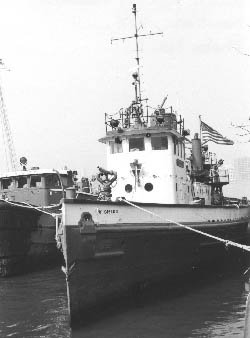
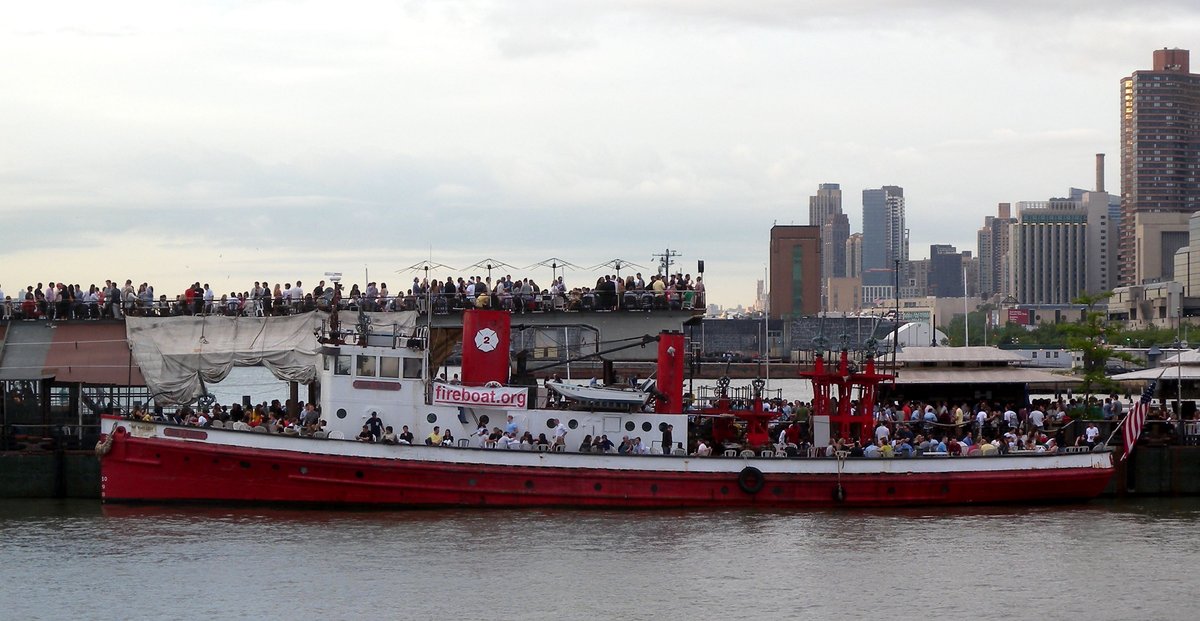
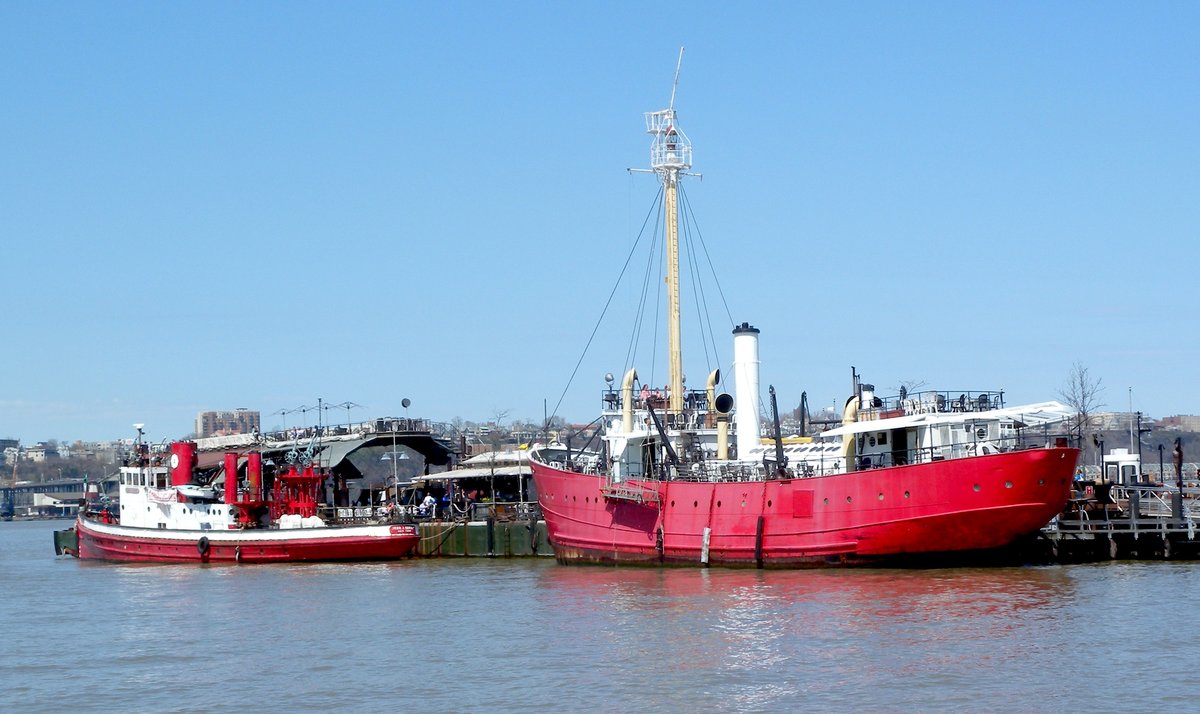
The John J. Harvey stands as a testament to New York City’s resilience and innovation. As the world’s first fireboat powered by internal combustion engines, it revolutionized maritime firefighting and responded to major emergencies, including the 1932 Cunard Line pier fire, the 1942 S.S. Normandie disaster, and the 9/11 attacks—when it was famously reactivated to pump water at Ground Zero for 80 consecutive hours. Today, the Harvey is docked at Manhattan’s Pier 66 and remains accessible to the public as a floating museum and educational platform (1931fireboat.org).
Origins and Construction
Built at Todd Shipyard in Brooklyn and launched in 1931, the John J. Harvey was named after a fallen FDNY pilot. The vessel measures 130 feet in length, with a 28-foot beam and 9-foot draft, and was powered by five Fairbanks-Morse 8-cylinder diesel engines producing 600 horsepower each (1931fireboat.org). Its innovative design allowed it to pump 18,000 gallons of water per minute—equivalent to about 20 fire trucks—and maneuver at high speeds (NYC.com).
Service Highlights and Notable Incidents
Over more than six decades of active service as FDNY Marine 2, the John J. Harvey responded to numerous emergencies:
- Cunard Line Pier Fire (1932) Helped contain a massive pier blaze (Hudson River Park).
- S.S. Normandie Fire (1942) Played a crucial role combating the fire aboard the famed liner (Untapped Cities).
- El Estero Ammunition Ship Fire (1943) Prevented a catastrophic explosion in New York Harbor (1931fireboat.org).
- Oil Tanker Collision (1966) Fought fires after the Alva Cape and Texaco Massachusetts incident (MuseumShips.us).
The fireboat also welcomed famous ocean liners and became a symbol of New York’s working waterfront (New York Makers).
Preservation, Restoration, and 9/11 Heroics
Retired in 1994, the John J. Harvey faced potential scrapping before preservationists rescued and restored her. Designated a National Historic Landmark in 2000, the vessel was thrust back into service on September 11, 2001, where it pumped water for firefighters at Ground Zero when city water mains failed (Sea History). This remarkable chapter is recognized in books and documentaries (1931fireboat.org).
Visiting the John J. Harvey Fireboat
Location and Visiting Hours
- Primary Location Pier 66 Maritime, West 26th Street at the Hudson River, Manhattan (1931fireboat.org).
- Docking While Pier 66 is the main dock, the fireboat visits other locations for festivals and special cruises.
- Visiting Hours Generally open for public cruises and tours from May through October, mostly on weekends and during special events. Always confirm the latest schedule on the official website.
Tickets and Reservations
- Admission Free for public tours and cruises, but tickets must be reserved in advance due to limited capacity (W42ST).
- How to Book Secure tickets via the official website’s event calendar. Occasionally, local partners such as Milton Landing Facebook page also handle reservations for special events.
Onboard Experience
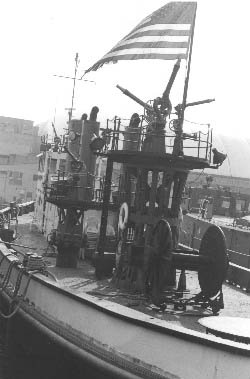
- Exploration Tour the decks, bridge, engine room, and firefighting equipment.
- Highlights Participate in live water-cannon demonstrations, see original 1930s machinery, and enjoy panoramic views of the skyline and harbor landmarks.
- Guided Tours Knowledgeable volunteers share the vessel’s history, technology, and stories from its service (HAERNo.NY-335, p.2–4).
Accessibility and Safety
- Access Due to its historic design, the fireboat is not fully ADA-compliant. Steep stairs and narrow passageways may present challenges. Contact organizers in advance to discuss accommodations.
- Safety Life jackets are provided for children under 13, and a safety briefing is given before each cruise. Sturdy, closed-toe shoes are required.
- Restrooms No onboard restrooms; use nearby Hudson River Park facilities.
Educational Programs and Events
- School and Group Visits The fireboat offers special educational cruises and interpretive programs by arrangement.
- Special Events Participates in maritime festivals, parades, and art installations such as the “Flow Separation” project (Untapped Cities).
- Children’s Activities Family cruises often feature story readings, including the acclaimed children’s book “Fireboat: The Heroic Adventures of the John J. Harvey.”
Nearby Attractions and Travel Tips
- Nearby Sites Explore Hudson River Park, the High Line, Chelsea Piers, and the Chelsea neighborhood with its restaurants and shops.
- Getting There Subway (1, C, E to 23rd Street), buses on 11th/12th Avenue, or walking/cycling along the waterfront. Street parking is limited.
- Travel Tips Arrive early, dress for the weather, bring water, and travel light. Cruises may be rescheduled in case of inclement weather.
Supporting the Fireboat
As a volunteer-run, non-profit operation, the John J. Harvey relies on donations and merchandise sales for preservation. Consider supporting through donations or by volunteering—especially if you have maritime skills. Find more at Fireboat.org.
Frequently Asked Questions (FAQ)
Q: What are the John J. Harvey fireboat’s visiting hours?
A: Visiting hours vary by season and event; check the official website for updates.
Q: Do I need tickets?
A: Yes, free tickets must be reserved in advance due to capacity limits.
Q: Is the fireboat accessible for people with disabilities?
A: Accessibility is limited due to historic design; contact organizers regarding accommodations.
Q: Can I bring children or pets?
A: Children are welcome with supervision; only certified service animals are permitted.
Q: Are there restrooms or food onboard?
A: No; use nearby facilities and bring your own water.