Plan and listen to Johann Wolfgang Von Goethe with Audiala.
Audio guide in your pocket, itinerary in your browser. Built for the way you actually visit.
Introduction
The Johann Wolfgang von Goethe Monument and Bust are enduring tributes to one of Germany’s most influential literary and intellectual figures, situated in two of New York City’s most beloved public parks: Bryant Park and Central Park. These monuments honor Goethe’s profound impact on Western literature and culture while symbolizing the dynamic cultural exchange between Germany and the United States. Visitors can expect free, year-round access, opportunities to engage with Goethe’s timeless themes, and the chance to explore nearby cultural and historical landmarks.
Whether you are a literature enthusiast, history buff, or simply a curious traveler, this guide provides detailed and up-to-date information on visiting hours, accessibility, historical context, travel tips, nearby attractions, community events, and more. For additional resources and planning tools, refer to the official websites for Bryant Park, Goethe-Institut New York, and CultureNOW.
Historical Background: Goethe Monument & Bust
Origins and Artistic Heritage
The Goethe bronze bust in Bryant Park was sculpted by Karl Fischer in 1832, the year Goethe passed away. The bust was acquired by the Goethe Club of New York in 1876 and subsequently donated to the Metropolitan Museum of Art. In 1932, honoring the centenary of Goethe’s death, it was relocated to Bryant Park. The Central Park monument, also the work of Karl Fischer, was dedicated in 1914 and features a bronze bust atop a granite pedestal inscribed with Goethe’s poetry. Both monuments mark the significant esteem in which Goethe’s legacy is held by the German-American community in New York (CultureNOW).
Transatlantic Cultural Significance
These monuments reflect the tradition of German immigrants commemorating their heritage and contributions to American society. Erected and maintained by German-American organizations, they serve as focal points for cultural celebrations and public reflection, reinforcing the rich ties between the two nations (Syracuse.com).
Relocation and Restoration
The Bryant Park bust was recast in bronze for durability and underwent restoration in 1992 as part of the park’s revitalization. Regular maintenance ensures the monuments remain in excellent condition and accessible to the public.
Cultural and Literary Significance
Goethe’s Enduring Influence
Goethe (1749–1832), author of Faust and The Sorrows of Young Werther, is celebrated worldwide for his contributions to literature, philosophy, art theory, and science. His works explore universal themes of ambition, identity, love, redemption, and the human experience, resonating with generations of readers and thinkers (EBSCO).
German-American Identity and Community
The monuments have historically served as gathering places for German-American organizations, especially during significant anniversaries and cultural holidays. They continue to foster community pride and provide educational opportunities for schools and local institutions (World History Edu).
Contemporary Relevance
Goethe's influence is visible in New York’s vibrant cultural landscape, including academic programming at major universities, performances at local theaters, and interdisciplinary exhibitions at leading museums (The Art Newspaper).
Visiting Information
Locations
- Bryant Park: Southeast corner, near the New York Public Library, bordered by Fifth Avenue, Sixth Avenue, 40th, and 42nd Streets.
- Central Park: Near 72nd Street and Central Park West, southern end of the park.
Visiting Hours
- Bryant Park: Open daily from 7:00 AM to 11:00 PM.
- Central Park: Open daily from 6:00 AM to 1:00 AM.
Admission and Tickets
- Free entry; no tickets required at either location.
Accessibility
- Both parks are fully wheelchair accessible, with paved paths and accessible restrooms.
- Benches and shaded areas near the monuments ensure a comfortable visit for all.
Transportation
- Bryant Park: Subway (B, D, F, M to 42nd Street–Bryant Park; 7 to Fifth Avenue), and Grand Central Terminal is a short walk away.
- Central Park: Subway (B, C to 72nd Street). Multiple bus routes along Central Park West.
Nearby Attractions
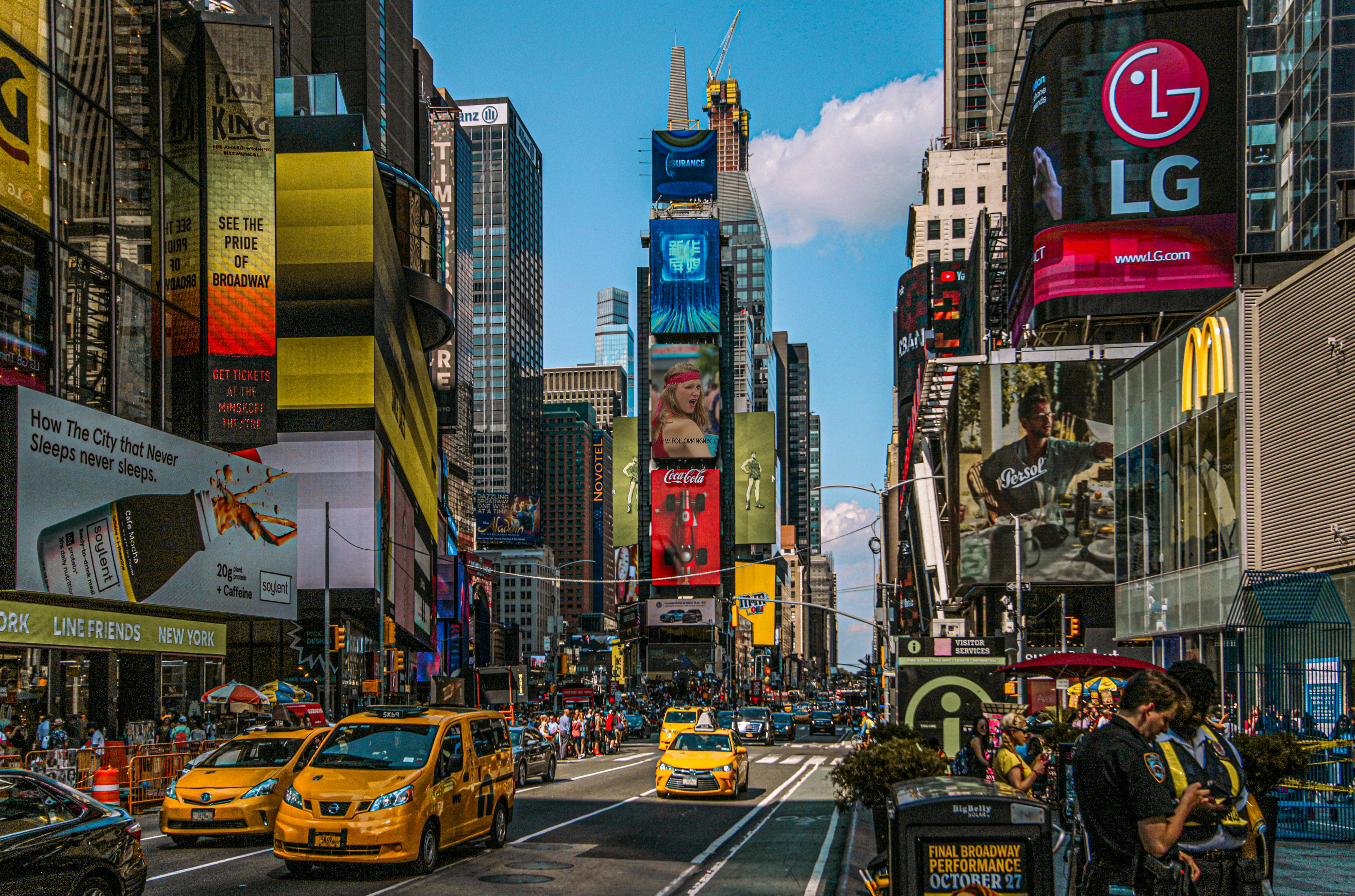
- Bryant Park: New York Public Library (Stephen A. Schwarzman Building), William Cullen Bryant Memorial, Times Square, Grand Central Terminal, MoMA.
- Central Park: American Museum of Natural History, Strawberry Fields, other Central Park monuments.
Visitor Experience & Practical Tips
Best Times to Visit
- Early mornings and late afternoons offer a quieter atmosphere and optimal lighting for photography.
- Spring and fall provide pleasant weather for outdoor exploration.
Photography
- Both locations provide picturesque settings for photos. Early or late daylight enhances the bronze sculptures’ details.
- Please be respectful of others and avoid blocking pathways.
Guided Tours and Educational Opportunities
- Bryant Park offers free general walking tours covering its history and public art, sometimes including the Goethe Monument (Bryant Park Events).
- Central Park guided tours often highlight the Goethe Monument among other notable landmarks.
Amenities
- Bryant Park features amenities such as restrooms, food kiosks, Wi-Fi, and ample seating.
- Both parks are known for safety and cleanliness, with visible security presence.
Community Engagement & Events
Goethe-Institut New York
The Goethe-Institut New York regularly hosts cultural programming, including lectures, exhibitions, film screenings, and literary readings, deepening public appreciation of Goethe’s legacy.
Bryant Park & Central Park Events
- Seasonal festivals, art installations, literary readings, and concerts are frequent.
- Annual events, such as Goethe’s birthday celebrations, sometimes take place near the monuments, featuring readings and performances (Bryant Park Events).
Educational Outreach
- Local schools and universities incorporate monument visits into language, literature, and arts curricula.
Preservation & Visitor Etiquette
- Respect the monuments: do not climb, lean, or place objects on the sculptures.
- Consume food and beverages away from the monuments to prevent spills or littering.
- Report any damage or vandalism to park staff.
- Both parks are generally very safe, but remain aware of your surroundings, especially at night or during crowded events.
Frequently Asked Questions (FAQ)
Q: What are the visiting hours?
A: Bryant Park is open from 7:00 AM to 11:00 PM; Central Park, from 6:00 AM to 1:00 AM.
Q: Is there an admission fee?
A: No, both monuments and parks are free and open to the public.
Q: Are guided tours available?
A: Bryant Park offers walking tours; Central Park’s guided tours often include the Goethe Monument.
Q: Are the monuments wheelchair accessible?
A: Yes, both locations are fully accessible via paved walkways.
Q: What other attractions are nearby?
A: New York Public Library, Times Square, Grand Central Terminal, Museum of Modern Art, and the American Museum of Natural History.
Listen to the full story in the app
The whole Johann Wolfgang Von Goethe,
told well.
Audio guides for 1,100+ cities across 96 countries. History, stories, and local insight — offline ready.

Verified, and shown.
Researched and written by the Audiala editorial team from historical records, architectural archives, and local expertise.
Last reviewed