
History and Cultural Significance
Conception and Design
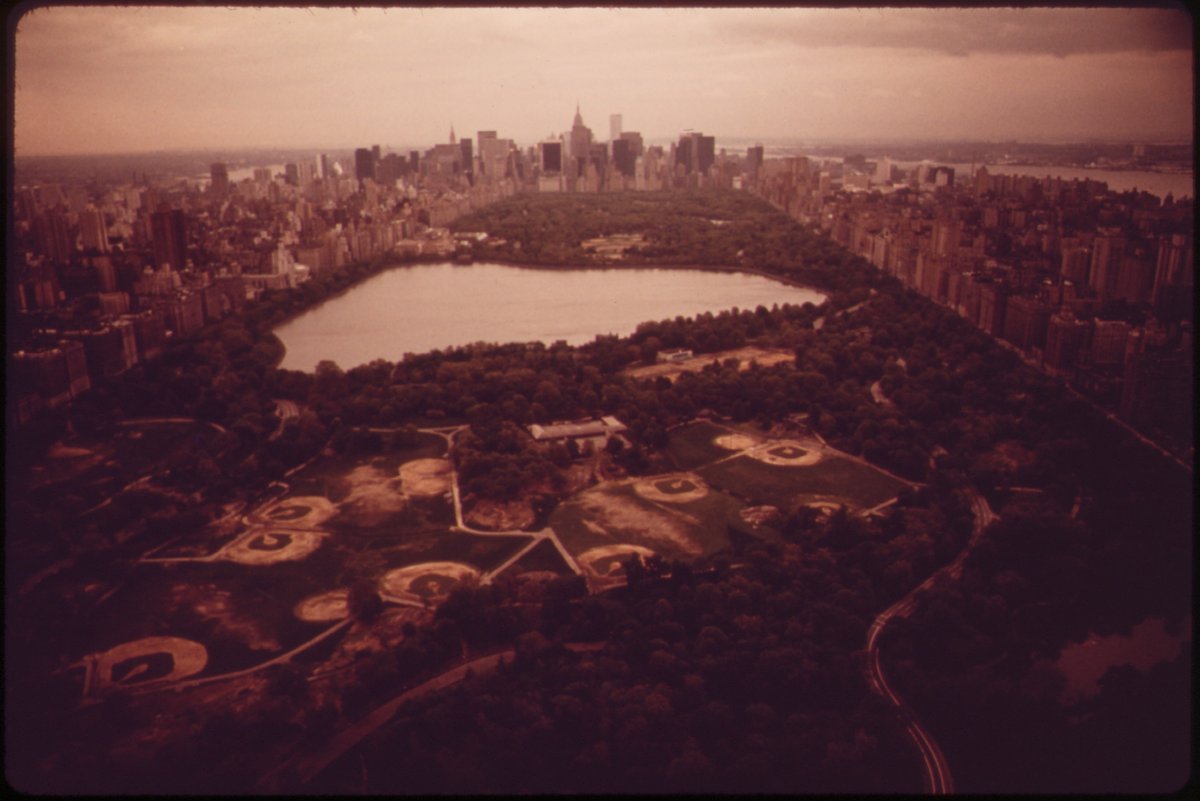
The reservoir was conceived in the 1850s as part of the Croton Aqueduct system to address New York City's surging water needs. Its integration into Central Park’s layout was championed by Nicholas Dean of the Croton Aqueduct Board. Civil engineers, rather than the park’s famed landscape architects Olmsted and Vaux, oversaw the design, giving the reservoir its engineered, rectangular appearance (Wikipedia, SKNY).
Construction and Water Supply Role
Completed in 1862, the reservoir served as a crucial settling basin and water supply for the rapidly growing city, operating in tandem with the former Lower Reservoir until 1903. It held over one billion gallons of water and was a linchpin in the Croton system, providing about 50 million gallons daily at its peak (Experience NYC, history101.nyc).
Decommissioning and Renaming
By the late 20th century, advances in water infrastructure led to the reservoir's decommissioning in 1993. The following year, it was renamed for Jacqueline Kennedy Onassis, honoring her advocacy for historic preservation and her personal connection as a resident and jogger in the area (Manhattan Name, nypap.org).
Preservation and Ecological Value
Efforts in the early 2000s restored the original fencing and maintained the cinder running track, ensuring historical integrity. Today, the reservoir provides a sanctuary for over 20 species of waterfowl and migratory birds, supporting an active birdwatching community and contributing to urban biodiversity (NY History, Audubon NYC).
Visiting Hours and Accessibility
- Hours Open daily from 6:00 a.m. to 1:00 a.m., in line with Central Park’s hours.
- Admission Free; no tickets or reservations required.
- Accessibility Wheelchair accessible via ramps at 86th and 96th Streets; paved and flat cinder paths suitable for strollers and mobility aids (Holidify).
Getting There and Travel Tips
- Subway 86th Street (1, B, C, 4, 5, 6) and 96th Street (B, C) stations offer convenient access (Responsible New York).
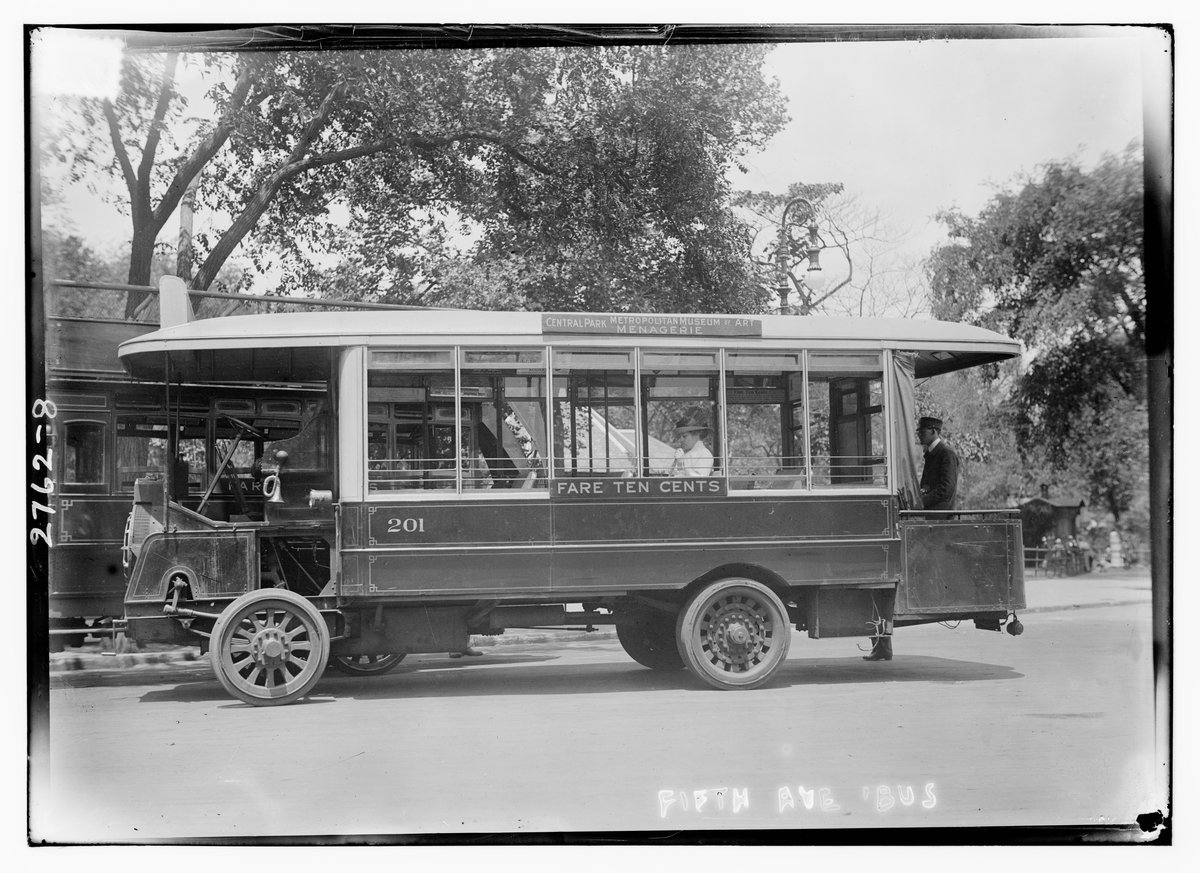
- Bus Several MTA lines run along Central Park West and Fifth Avenue.
- Travel Tips Wear comfortable shoes. Early mornings or late afternoons are best for a serene experience and dramatic lighting for photography. Birdwatchers should consider weekday mornings for quiet observation.
Activities and Things to Do
- Jogging & Walking The 1.58-mile Shuman Running Track is a favorite among runners and walkers. The path is one-way (counterclockwise) for safety and crowd management (Central Park Conservancy).
- Birdwatching Spot herons, egrets, cormorants, and migratory ducks. Informational plaques and seasonal guides are available (Audubon NYC).
- Photography Capture skyline reflections, cherry blossoms in spring, and fiery foliage in autumn.
- Family Time The Margaret L. Kempner Playground at 96th Street offers activities for children (Holidify).
- Pet Walking Dogs are welcome on leash; water fountains for pets are available at some entrances.
Best Times to Visit and Seasonal Highlights
- Spring Cherry blossom season transforms the reservoir’s borders, with peak bloom in April.
- Summer Enjoy lush greenery and cooling breezes over the water.
- Autumn Vibrant foliage creates a colorful backdrop for walks and photography.
- Winter Snow and ice offer a peaceful, quiet landscape; paths may be icy, so use caution (NYC Parks Winter Guide).
Amenities and Nearby Attractions
- Restrooms Nearby at North Meadow Recreation Center (97th St) and Great Lawn (85th St).
- Water Fountains Located at main entrances; bring extra water in summer.
- Nearby Sites Great Lawn, Belvedere Castle, Central Park Zoo, Metropolitan Museum of Art (Metropolitan Museum of Art).
- Food & Refreshments Available from vendors near park entrances.
Practical Visitor Tips
- Stay on designated paths and respect the one-way track rule.
- No cycling, scooters, or skateboards on the reservoir track; use adjacent bridle paths for bikes.
- Dispose of litter in provided bins; feeding wildlife is prohibited.
- Dogs must remain leashed at all times.
Guided Tours and Events
- Guided Walks Central Park Conservancy offers occasional tours focused on ecology and history (Central Park Events).
- Virtual Tours Available through the Conservancy’s website.
- Community Activities Charity runs and fitness meetups are common; check the event calendar for updates.
Photography and Wildlife
- Best Photo Spots Northeast corner at sunrise, west side at sunset, and along cherry blossom-lined paths.
- Birdwatching Bring binoculars; the quieter northern and western edges are best for spotting wildlife.
Frequently Asked Questions (FAQ)
Q: What are the reservoir’s visiting hours?
A: Open daily from 6:00 a.m. to 1:00 a.m.
Q: Is there an entry fee or required tickets?
A: No, admission is free and open to all.
Q: Can I bring my pet?
A: Yes, pets are allowed on a leash.
Q: Is the path wheelchair accessible?
A: Yes, with ramps and flat cinder surfaces.
Q: Are bicycles allowed on the running track?
A: No, but the nearby bridle path is bike-friendly.
Q: Where are the nearest restrooms?
A: North Meadow Recreation Center (97th St) and Great Lawn (85th St).