Plan and listen to Grand Central Terminal with Audiala.
Audio guide in your pocket, itinerary in your browser. Built for the way you actually visit.
Introduction
Grand Central Terminal is among New York City’s most revered landmarks, celebrated for its Beaux-Arts architecture, innovative engineering, and enduring role as a transportation hub. Since opening in 1913, it has been both a functional gateway and a cultural symbol, connecting millions of commuters while inspiring visitors with its monumental design and vibrant atmosphere. This detailed guide offers essential information on Grand Central Terminal visiting hours, ticketing, architecture, travel tips, accessibility, and nearby attractions—helping you experience one of the city’s most storied destinations to the fullest (History Tools, Grand Central Terminal Official History, VisitNYC, History.com).
History and Cultural Significance
Origins and Early Development
Grand Central Terminal’s origins trace back to the 19th century, beginning as Grand Central Depot (opened in 1871 by Cornelius Vanderbilt) to consolidate multiple rail lines. The depot was succeeded by Grand Central Station in 1900, but the rapid growth of rail travel quickly rendered even this expanded station inadequate. The 1902 Park Avenue Tunnel crash, caused by limited visibility and steam-powered trains, catalyzed a shift toward electrification and spurred the vision for a revolutionary new terminal (History Tools; History Hit).
Construction and Architectural Innovation
Construction of the current Grand Central Terminal began in 1903 and culminated in its grand opening on February 2, 1913. Designed by Reed & Stem (transport design) and Warren & Wetmore (aesthetic vision), the terminal became an exemplar of Beaux-Arts grandeur and urban planning. It pioneered the full adoption of electric trains, eliminating steam pollution and increasing safety. The two-level track system separated intercity and commuter traffic, and the use of ramps optimized passenger flow (Grand Central Terminal Official History; VisitNYC).
The terminal’s construction was a feat in both scale and cost—equivalent to over $2 billion today—and its innovative design unlocked valuable air rights, catalyzing Midtown Manhattan’s transformation into a commercial powerhouse (My Modern Met; American History).
Preservation and Restoration
Grand Central’s fortunes waned in the mid-20th century due to the rise of automobiles and air travel. Threatened by demolition in the 1960s, the terminal was saved by a historic preservation campaign led by figures like Jacqueline Kennedy Onassis. Landmark status was granted in 1967, and a comprehensive restoration in the 1990s—costing $425 million—returned the terminal to its original splendor (NYC Preservation Archive Project; Architectural Digest). Since then, Grand Central has remained a vibrant transportation and cultural center, serving over 750,000 passengers daily and hosting millions of annual visitors.
Architecture and Artistic Features
Main Concourse and Celestial Ceiling
The Main Concourse is Grand Central’s magnificent heart, measuring 275 by 120 feet with a 125-foot-high arched ceiling. The ceiling mural, painted by Paul César Helleu, depicts a Mediterranean sky with 2,500 stars—though curiously, the constellations are reversed. The mural was restored in 1998, reclaiming its original luster (EAA Architecture).
At the center stands the four-faced opal clock, a renowned Tiffany glass masterpiece valued at up to $20 million. The concourse is illuminated by 10 globe chandeliers, originally fitted with exposed light bulbs to showcase the marvel of electric lighting (History.com).
Façade and Sculptural Details
The terminal’s south façade, fronting 42nd Street, features the world’s largest Tiffany glass clock, surrounded by a monumental sculptural trio—Mercury, Hercules, and Minerva—symbolizing speed, strength, and wisdom. These works by Jules-Félix Coutan reinforce the terminal’s grandeur (Sparkly Maid NYC). Ornamental eagles and limestone arches complete the façade’s majestic presence.
Interior Spaces and Hidden Gems
- Whispering Gallery: Near the Oyster Bar, this vaulted area allows whispers to travel diagonally across the arch—an acoustical curiosity.
- Vanderbilt Hall: Once the main waiting room, now a 12,000-square-foot event space.
- Biltmore Room (“Kissing Room”): A romantic rendezvous spot for travelers (Westgate Resorts).
- Vanderbilt Tennis Club: Located on the fourth floor, available for hourly rental.
Functional Design and Urban Impact
Grand Central’s underground design—with 44 platforms and 67 tracks, the world’s most—maximized land use and enhanced passenger safety. Air rights above enabled the construction of iconic Midtown skyscrapers. The Park Avenue Viaduct, wrapping around Grand Central, set new standards in multimodal urban planning (EAA Architecture).
Visitor Information
Visiting Hours
Grand Central Terminal is open daily from 5:15 AM to 2:00 AM. Shops, markets, and restaurants may have different hours—check the official directory for specifics.
Tickets and Admission
- Entry: Free to all public areas; tickets are only required for train travel or special guided tours.
- Train Tickets: Purchase Metro-North or LIRR tickets at the station, online, or via vending machines.
- Guided Tours: Official 90-minute tours are available (from $35/person), covering architectural highlights and hidden features (Grand Central Terminal Guided Tour). Advance booking is recommended.
Accessibility
Grand Central is fully wheelchair accessible with elevators, ramps, and accessible restrooms. Staff assistance is available as needed (LazyTrips).
Dining and Shopping
- Dining: From the historic Grand Central Oyster Bar & Restaurant to Magnolia Bakery and the Campbell Bar, there’s something for every palate (Time Out).
- Grand Central Market: A European-style market with gourmet groceries.
- Shops: Over 60 retail options including Apple, Moleskine, and Tumi.
Events and Seasonal Activities
Grand Central hosts art exhibitions, public performances, the annual Holiday Fair, and other seasonal events (Grand Central Terminal Official). Check the official calendar for updates.
Practical Tips
- Best Times to Visit: Early mornings or late evenings on weekdays are least crowded.
- Photography: Allowed in public areas; tripods require permission.
- Pets: Allowed if leashed or contained; service animals always welcome.
- Luggage Storage: No public storage inside; use nearby private services if needed.
- Wi-Fi: Free throughout the terminal.
Nearby Attractions
Grand Central is ideally situated in Midtown Manhattan, within walking distance of:
- Bryant Park
- New York Public Library
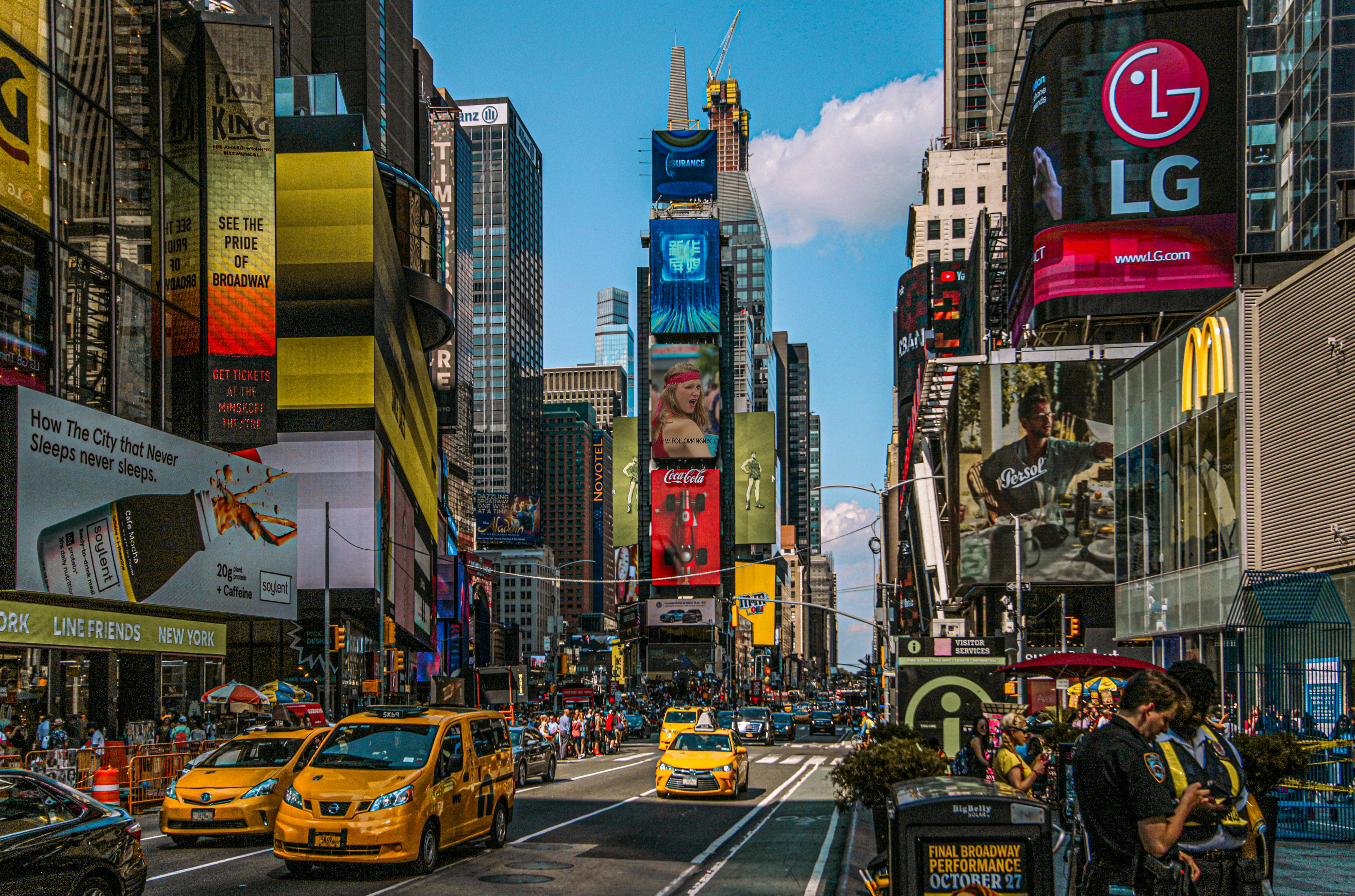
- Times Square
- Rockefeller Center
- Chrysler Building
These landmarks make it easy to combine your Grand Central visit with other classic New York experiences (Loving New York).
Frequently Asked Questions (FAQ)
Q: What are Grand Central Terminal’s visiting hours?
A: Open daily from 5:15 AM to 2:00 AM.
Q: Is there an admission fee?
A: No, entry is free. Train tickets or tour tickets are extra.
Q: Are guided tours available?
A: Yes, both official and specialty tours are offered.
Q: Is the terminal accessible?
A: Fully wheelchair accessible with elevators and assistance.
Q: Can I bring my pet?
A: Yes, as long as pets are leashed or contained.
Q: Are there luggage storage facilities?
A: No public storage inside, but nearby private options are available.
Visuals and Interactive Media
- Main Concourse and Celestial Ceiling (Alt: "Grand Central Terminal Main Concourse celestial ceiling")
- Tiffany Glass Clock on the Façade (Alt: "Tiffany glass clock on Grand Central Terminal façade")
- Vanderbilt Hall with Chandeliers (Alt: "Vanderbilt Hall at Grand Central Terminal")
For virtual tours and interactive maps, visit the official website.
Discover More
Grand Central Terminal is a living monument—an intersection of history, architecture, and the energy of New York City. It invites visitors to discover its grandeur, hidden stories, and contemporary vibrancy. To deepen your experience, consider joining a guided tour, exploring the Main Concourse and hidden gems, and sampling its diverse dining and shopping. For up-to-date travel tips, event news, and exclusive content, download the Audiala app and follow Grand Central’s official channels.
Whether you’re a history buff, architecture enthusiast, or first-time visitor, Grand Central Terminal promises a memorable and enriching journey at the very heart of New York City.
Listen to the full story in the app
The whole Grand Central Terminal,
told well.
Audio guides for 1,100+ cities across 96 countries. History, stories, and local insight — offline ready.

Verified, and shown.
Researched and written by the Audiala editorial team from historical records, architectural archives, and local expertise.
Last reviewed